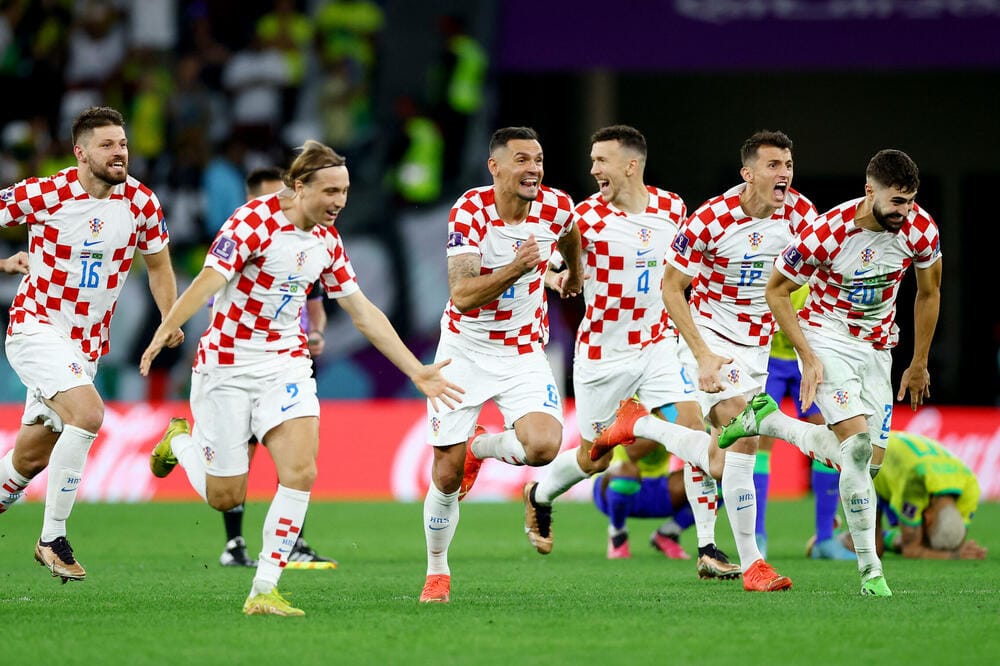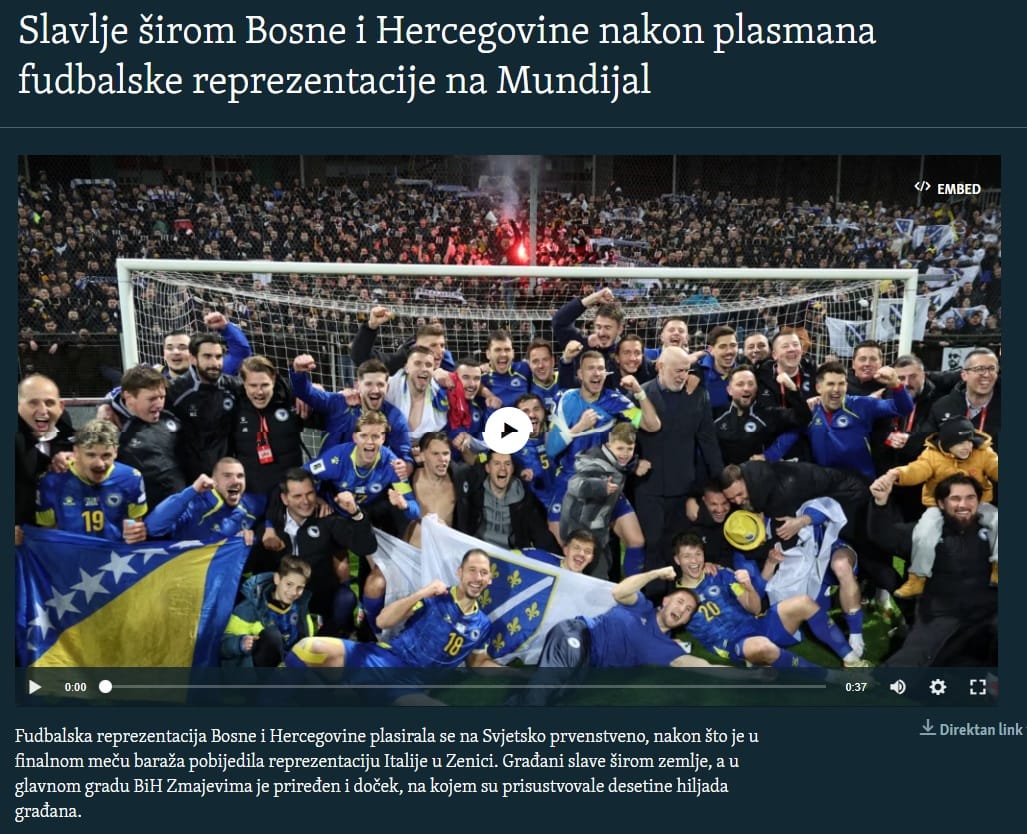
As for interest here, and across the former Yugoslavia, there will be extra reason to follow it, because two newly formed states, Croatia and Bosnia and Herzegovina, will take part in the biggest sporting event, which is held every four years.
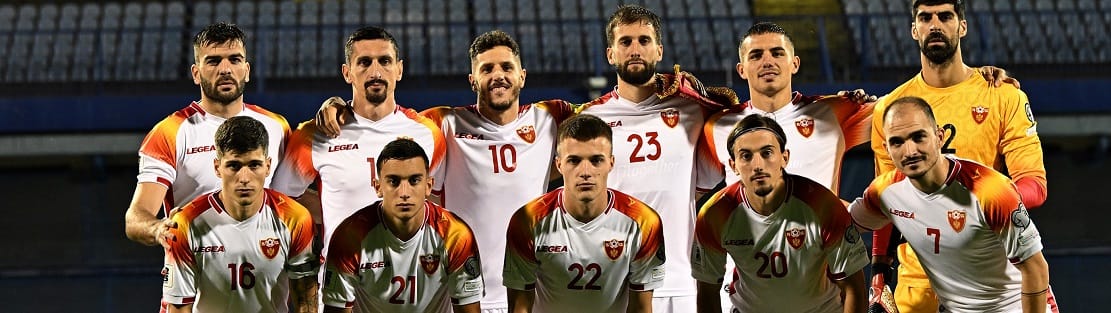
And football has long been more than just a sport. It turns over enormous sums of money, wins over young and old all over the world and arouses great interest, and all of that brings added benefits. In the 20 years since the Football Association of Montenegro (FSCG) became a full member of FIFA and UEFA, Montenegro's senior national teams have not managed to qualify for any finals.
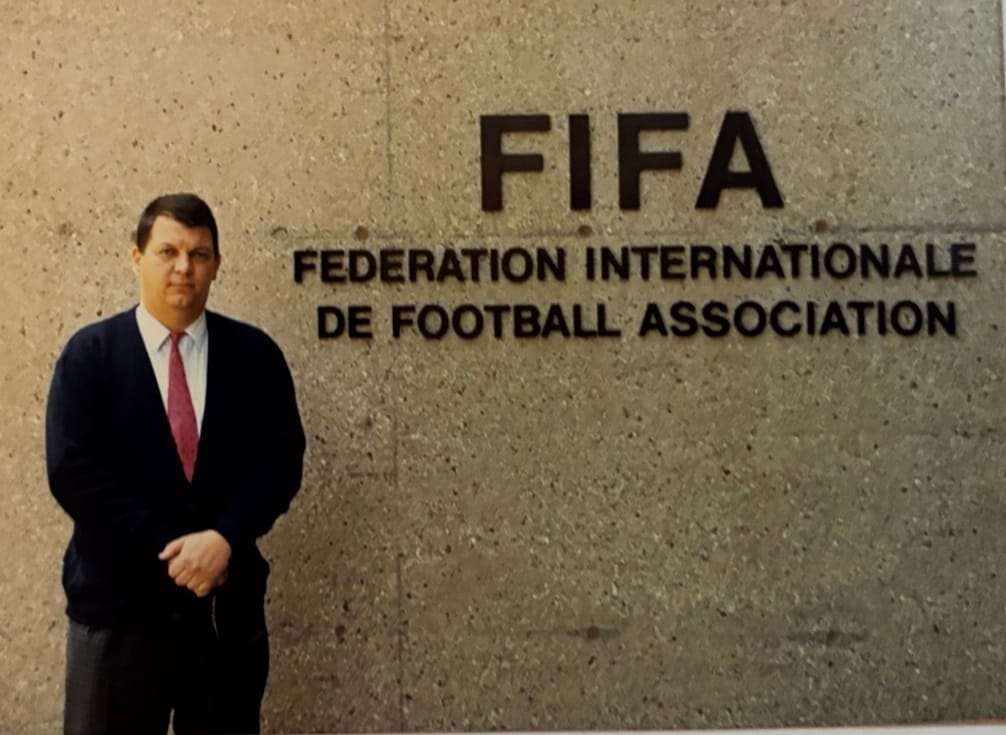
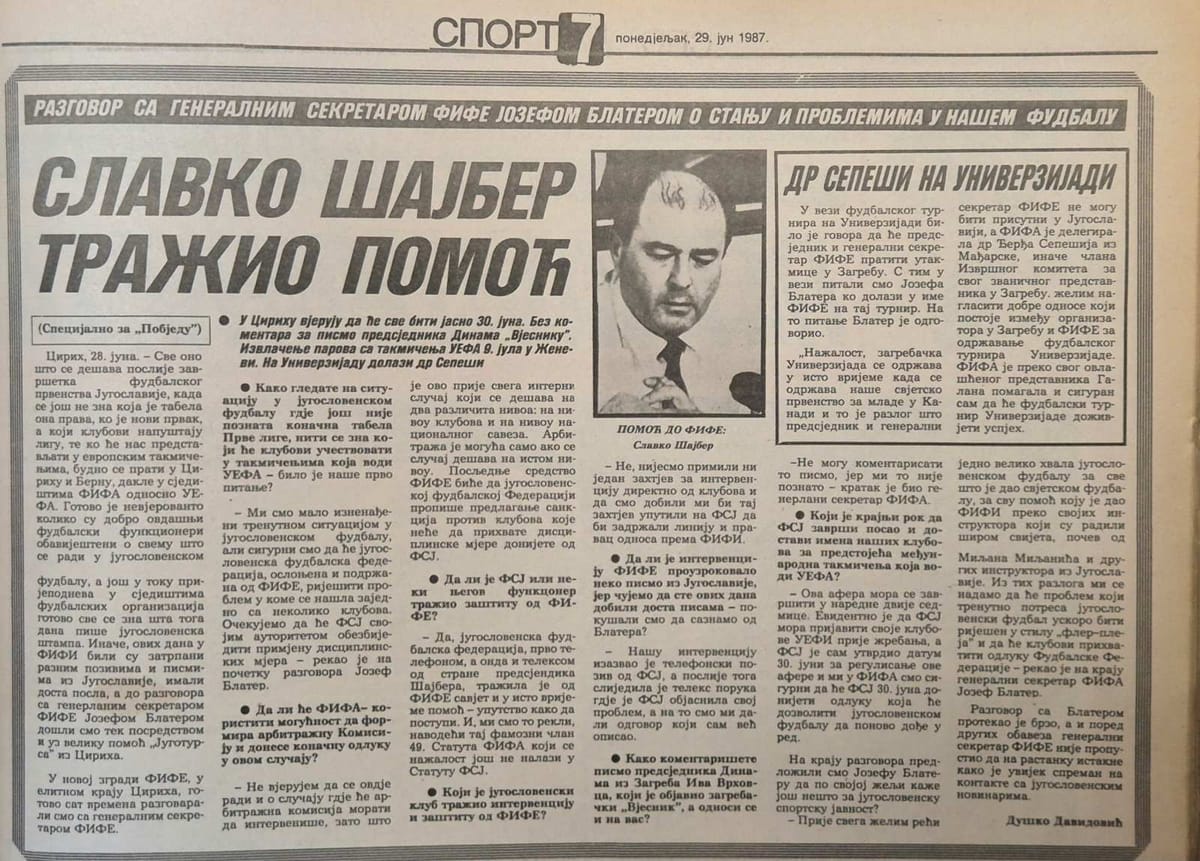
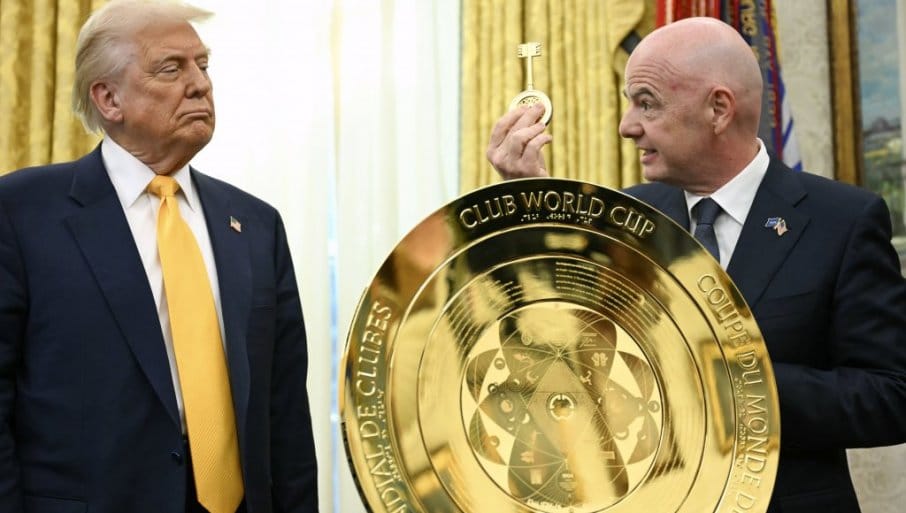
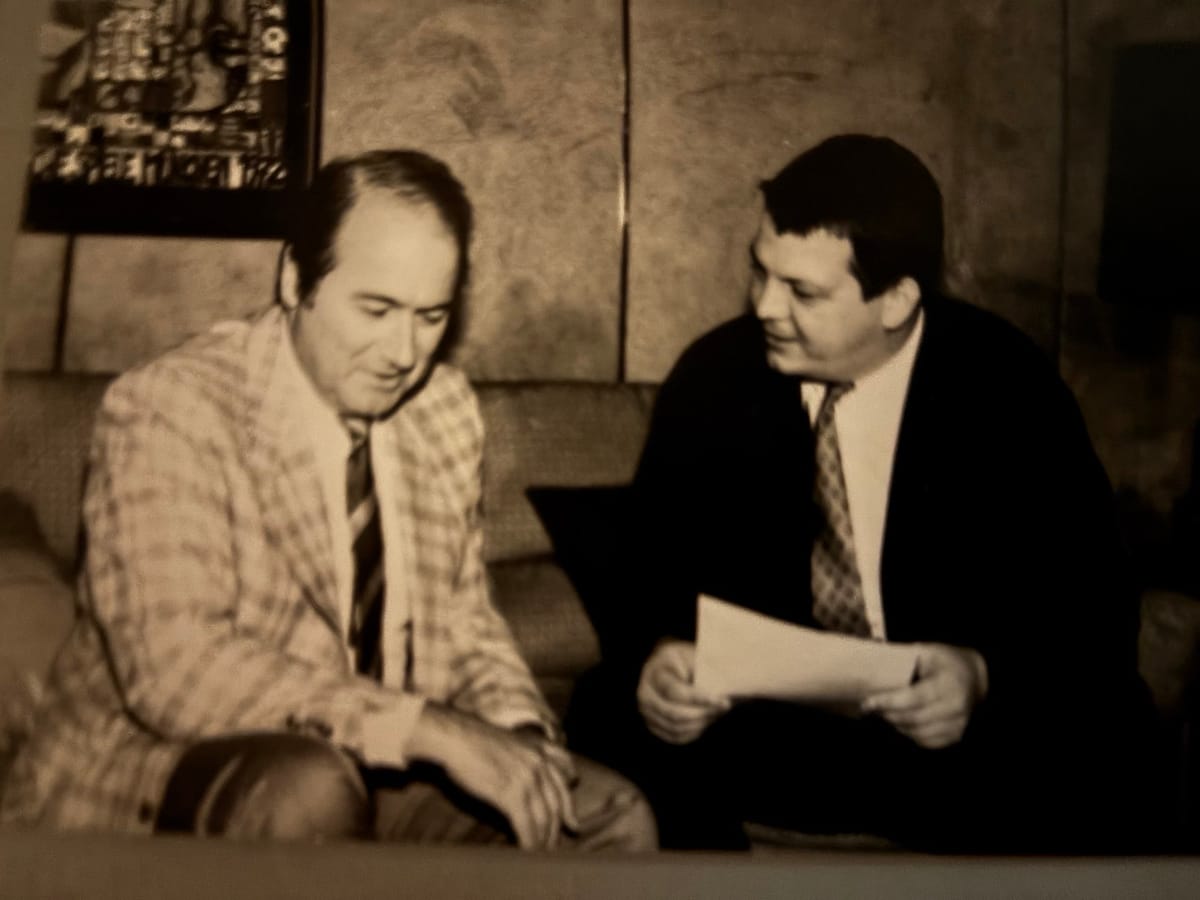
In 1987 FIFA, as football's world governing body, faced the challenging task of dealing with requests from Yugoslavia to resolve the crisis that had arisen at the end of the national championship over irregularities in the competition. At that time the author of this piece had the opportunity to interview FIFA's general secretary, Joseph Blatter, later FIFA president, in Zurich. The interview was carried by JRT's “Sportski pregled” and, the next day, by “Pobjeda” of Podgorica. Besides football officials from Yugoslavia, the political officials of the day also contacted Blatter, because football was – and still is – tied to the political elite. Remembering that interview makes one reflect on how, in sport, and in football especially, the link with politics never weakens. After all, we can see for ourselves that almost nothing changes in that respect.