From the memories of journalist Dušan Davidović
Series
Journalist Dušan Davidović writes about people, families and events from the history of Kotor.
More from this series
SocietyFrom the memories of journalist Dušan Davidović
Kotor Art gave theatre life a boost four decades ago
The new theatre season has begun, actors from all over are arriving on the Kotor stage, audiences are increasingly returning to the theatre, and how much the people of Kotor love theatre is also shown by information from Tivat's Cultural Centre. Our neighbours point to the many visitors from Kotor at the theatre performances there. From Purgatorije to the RUTA festival and other shows featuring leading actors from the region, people from Kotor come to Tivat in large numbers. Much has been written about the tradition of theatre in Kotor: after the Second World War Kotor had a National Theatre for a long time, and the real resurrection of theatre life began in 1986 with the agreement to found the Kotor Art festival. The idea was launched, and its realisation helped along, by Ljubiša Ristić, the well-known director who, as head of the National Theatre in Subotica, began to build a core for the spread of theatre.
SocietyFrom the memories of journalist Dušan Davidović
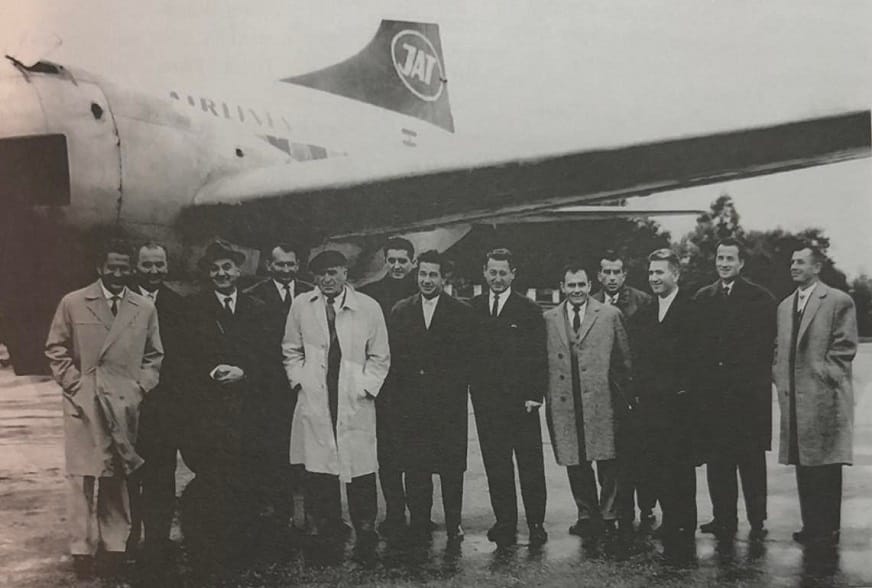
Aviation connects the world
Last week Kotor hosted a symposium on communications, navigation and surveillance, organised by the International Civil Aviation Organization (ICAO). The challenges of aviation cannot be solved at the level of a single country, so for the first time a gathering of this kind was held at a global level. The safety of air traffic, and of aviation in general, requires communication that is moving from advanced satellite systems and space-based VHF communications towards the development of a new generation of digital ground infrastructure and IP networks.
SocietyFrom the memories of journalist Dušan Davidović
Six decades of VIS Exodus
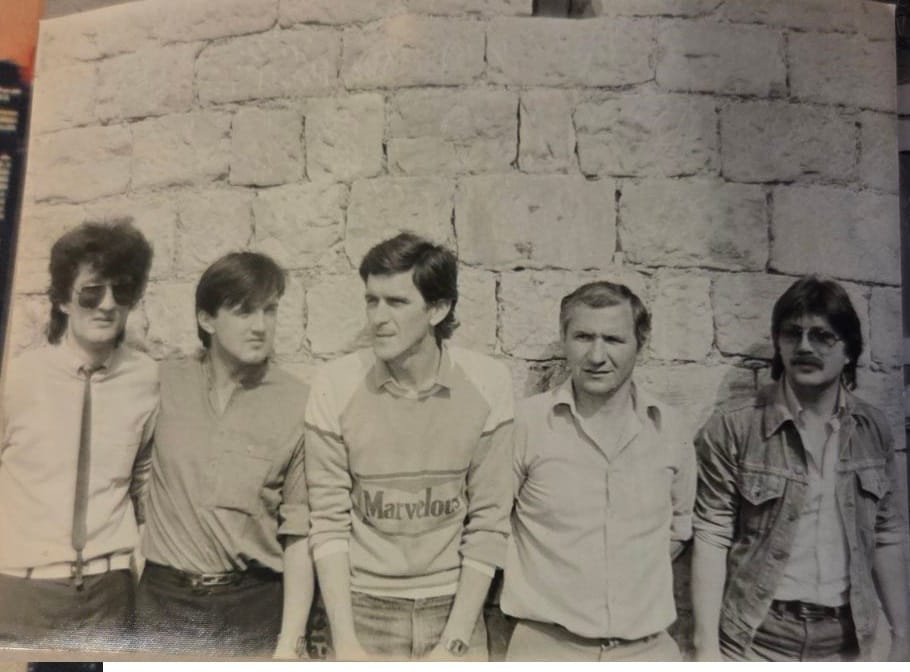
Sixty years ago VIS Exodus, founded by young people from Herceg Novi, appeared on the music scene of the Bay of Kotor. They soon became known and popular far more widely, and their successes at the guitar band contests held in Budva at the time, which drew young people from all over, are especially well remembered.
SocietyFrom the memories of journalist Dušan Davidović
From horse-drawn carts to lorries and bus transport
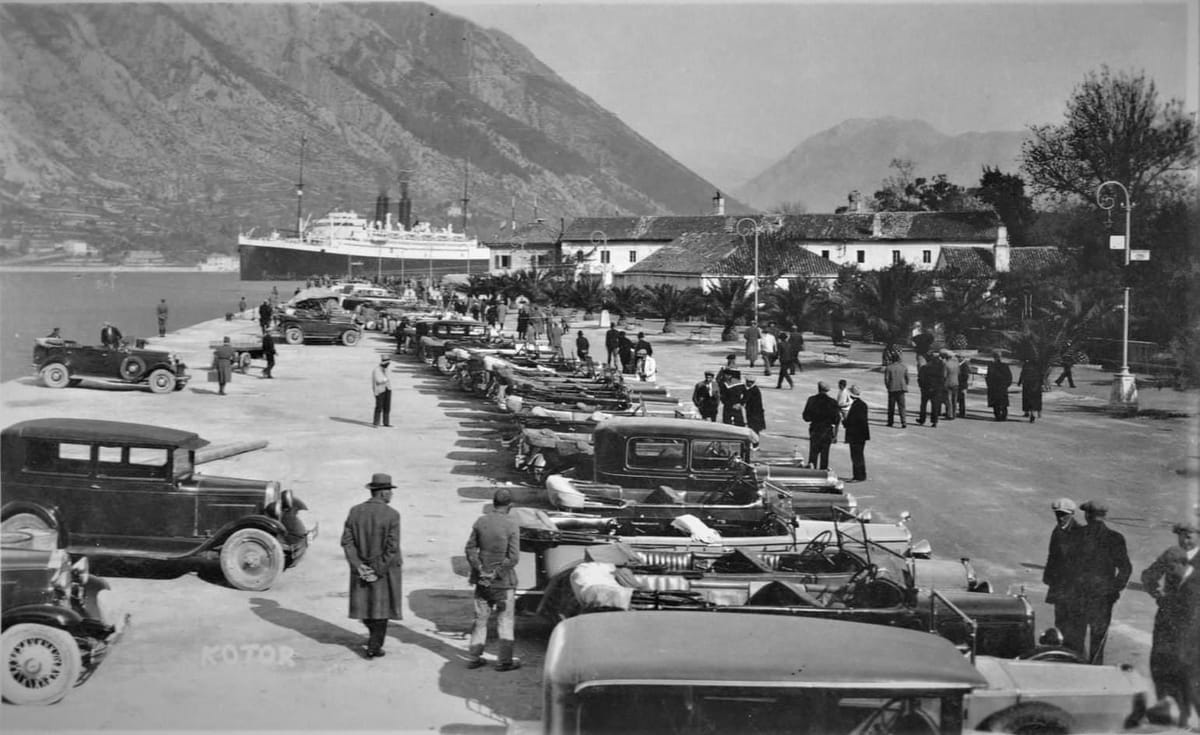
Today, bus transport in the Bay of Kotor area is dominated by the Herceg Novi company Blue Line. Every day we see the many tourist coaches carrying thousands of tourists, while traffic jams have, sadly, become an everyday sight.
SocietyFrom the memories of journalist Dušan Davidović
Milan Panić, sponsor of the theatre festival in Kotor
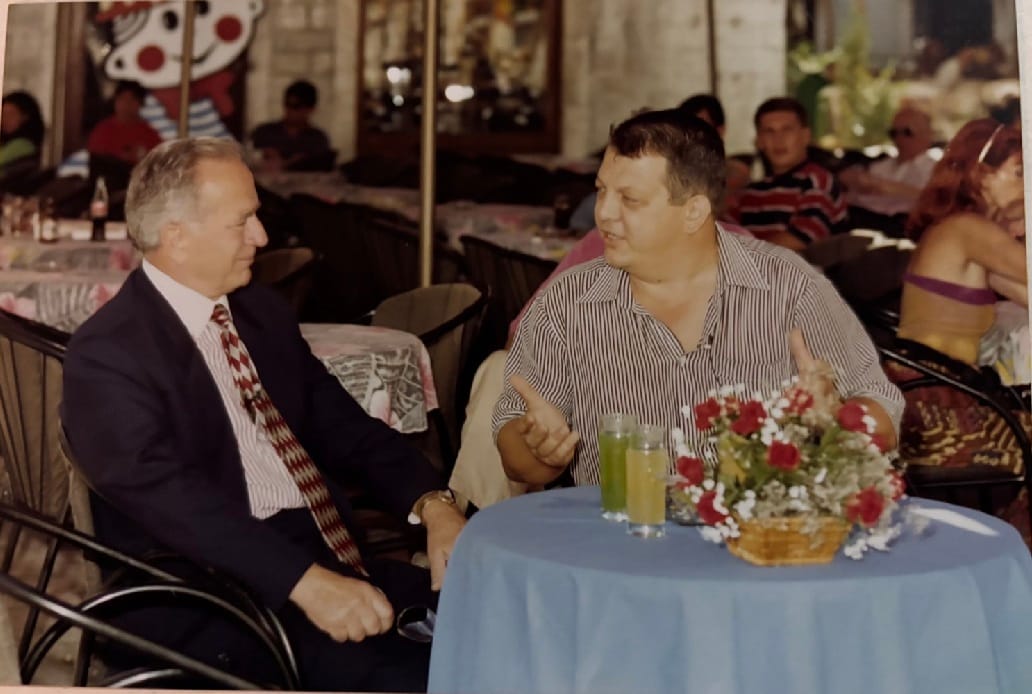
News has arrived from California that the American businessman of Serbian origin Milan Panić has died in his 97th year. The news took us back to the time when, in 1996 and 1997, Milan Panić, through his company “ICN Galenika” in Belgrade, was the main sponsor of the Yugoslav Children's Theatre Festival, which has been running since 1993. By then the festival had already gained a certain quality and respect in the theatre world of FR Yugoslavia.
SocietyFrom the memories of journalist Dušan Davidović
Caring for the sea and the life in it
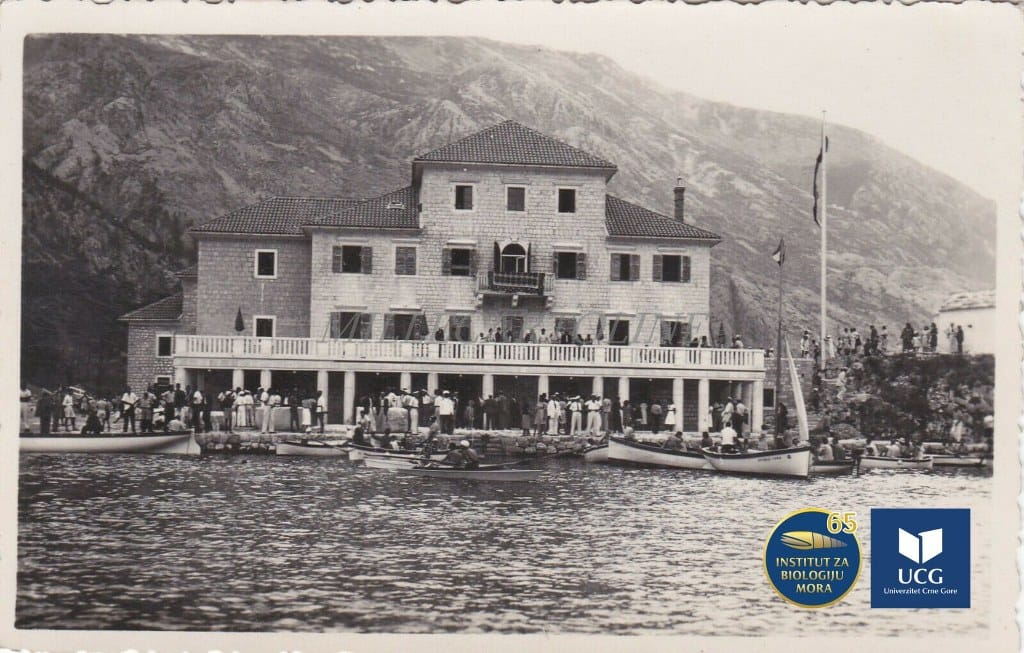
Sixty-five years ago the Marine Biology Station was founded in Kotor; from the very beginning it has been housed in the old palace of the Radoničić family of Dobrota. In December the staff of today's Institute of Marine Biology will mark six and a half decades of successful work and development. Over many years this scientific institution has gone through various stages — from Station to Institute (in 1997), and since 2004 it has been a scientific unit within the University of Montenegro.
SocietyFrom the memories of journalist Dušan Davidović
Blood donors – selfless humanity
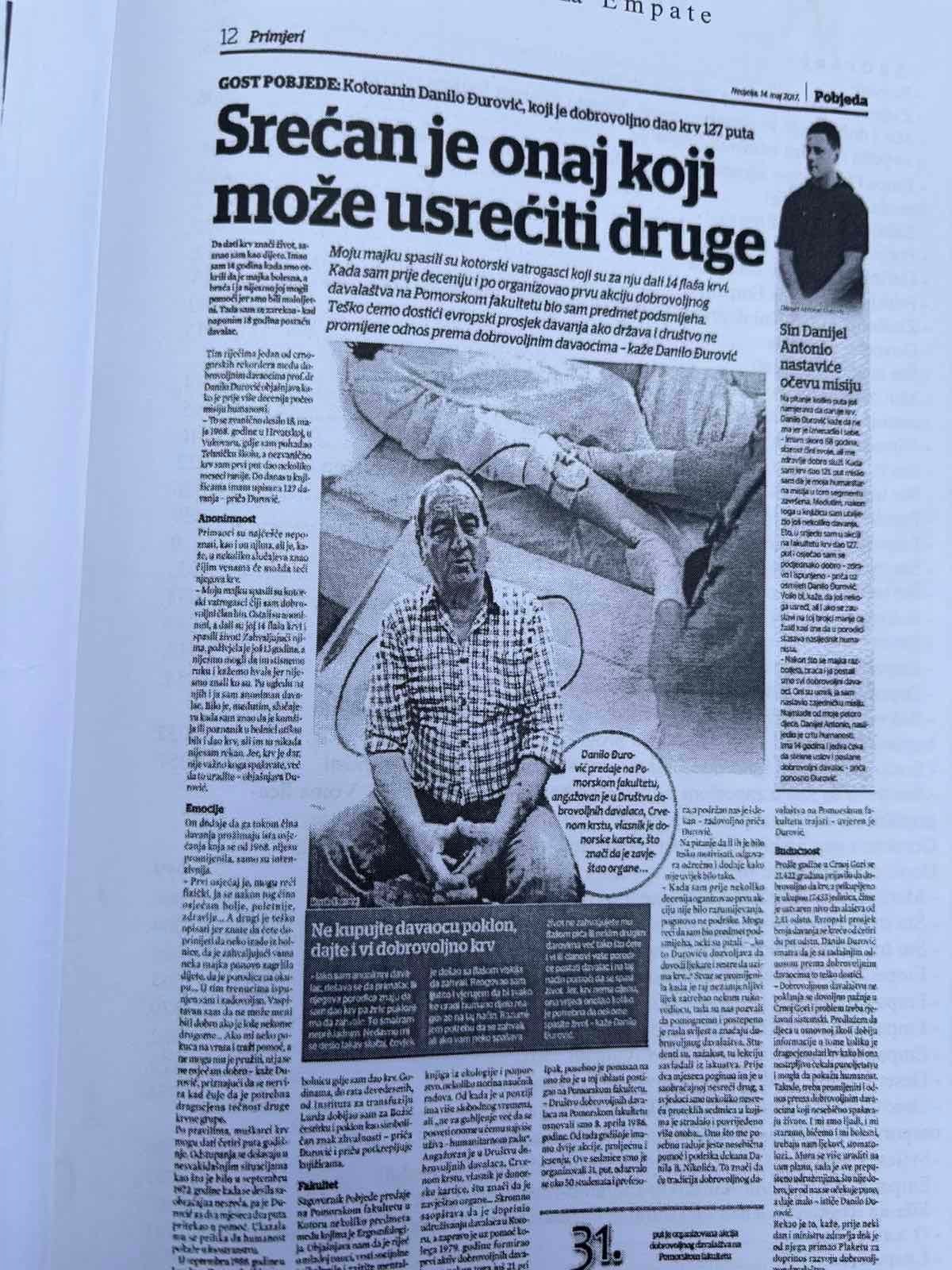
As far back as 1863, Henry Dunant, a Swiss, launched the work of the Red Cross in Geneva. In Montenegro the organisation has been active since 1875, and today no fewer than 191 countries around the world are members of the Red Cross or the Red Crescent. Since its founding, the organisation's volunteers have helped people in great disasters, in the aftermath of wars, natural catastrophes, epidemics… In our part of the world, too, the work of the Red Cross has been remembered, and a special link in that chain is formed by voluntary blood donors. Almost every day we hear about the humanity of voluntary blood donors and their contribution to people in need, as well as about regular blood drives.
SocietyFrom the memories of journalist Dušan Davidović
Eight decades of caring for children and young people with hearing and speech impairments
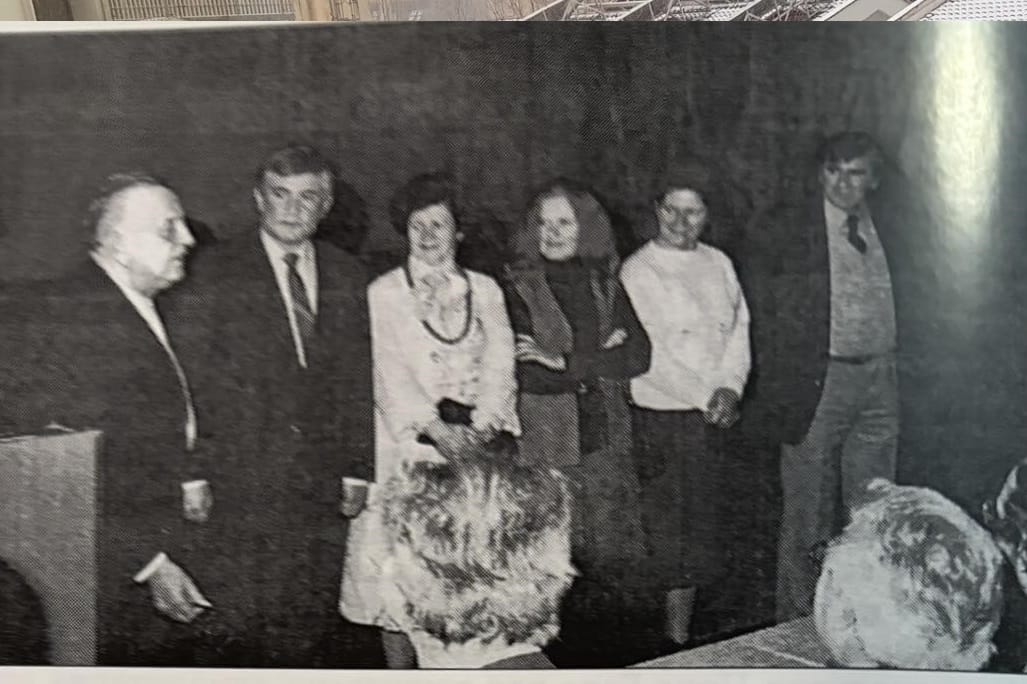
When the comprehensive reconstruction of Yugoslavia began after the Second World War, special care and attention were given to children who had been left without parents in the whirlwind of wartime destruction, and also to those with various developmental difficulties. In the Bay of Kotor, an area that since the Middle Ages has cherished a tradition of caring for the infirm, people with disabilities and those in poor health, institutions were set up to prepare them for an independent life and a place as useful members of society.
SocietyFrom the memories of journalist Dušan Davidović
Vlatko Franović, a Kotor football legend
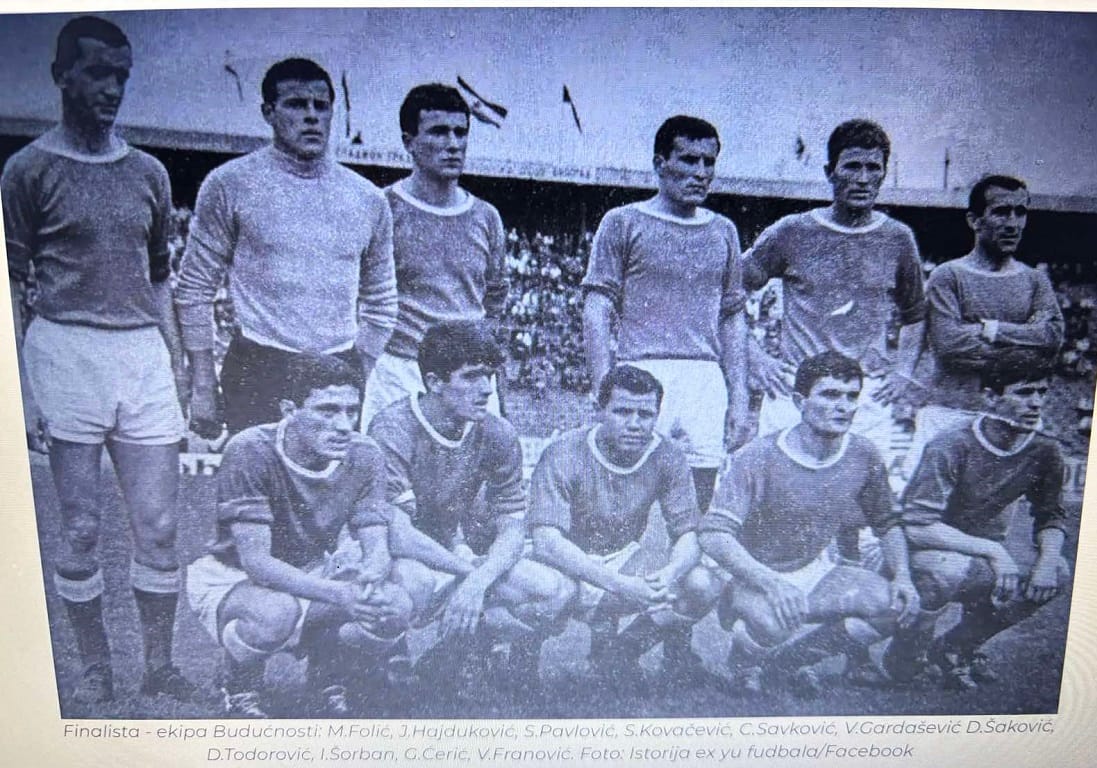
The football season is under way in every corner of the globe, so “the most important of the unimportant things in the world” is drawing attention in Kotor too — a town with deep roots in football. A chance meeting with Vlatko Franović (88) at the “Bastion” restaurant at Tabačina brought back distant memories of football in Kotor.
SocietyFrom the memories of journalist Dušan Davidović
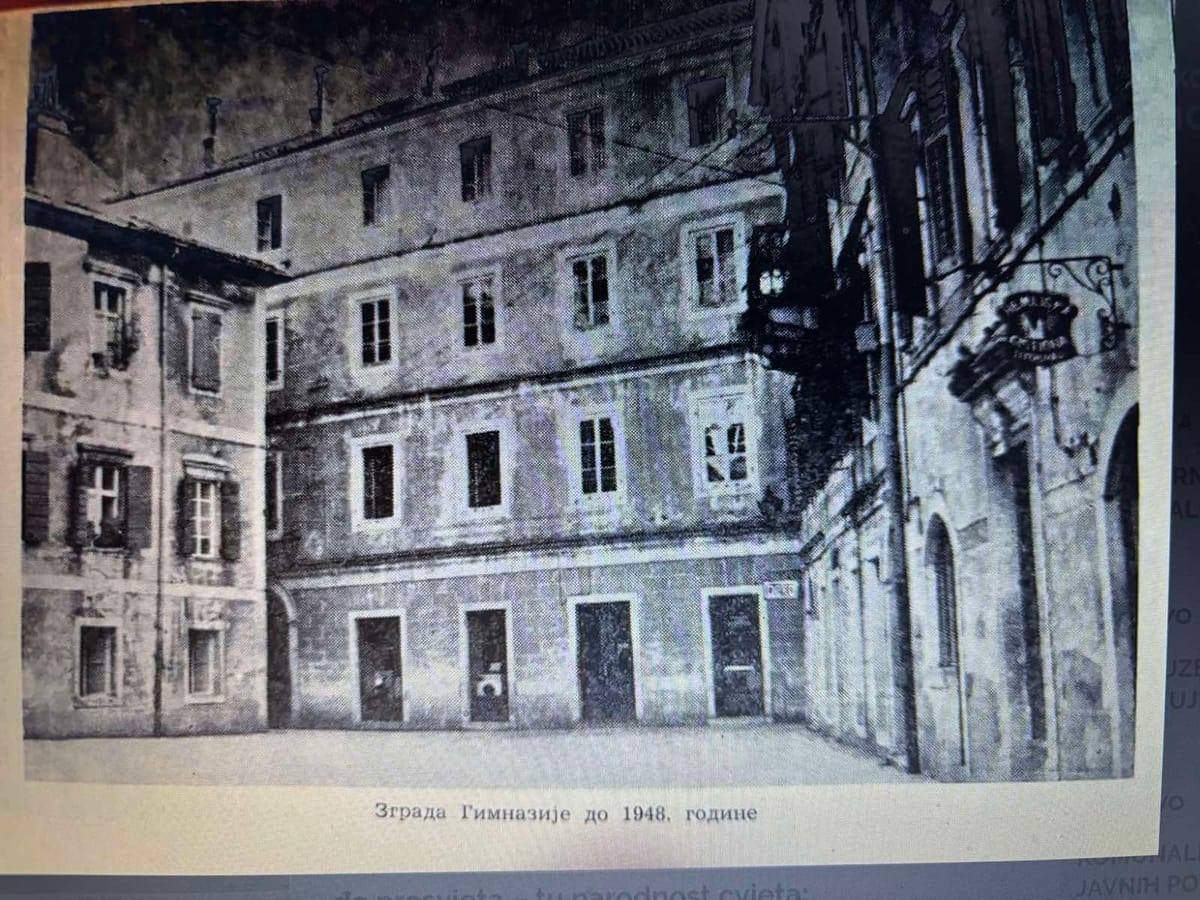
Education in Kotor from the Middle Ages to the present day
A new school year has recently begun — classrooms have come back to life, the chatter of pupils and students is heard at every step, and young people eager for knowledge have set off towards the sources of learning. In Kotor, this drinking at the well of learning to prepare for an independent life goes back a very long way: the Kotor school of grammar began work in the 13th century, while the first written record of it is found in the oldest document, from 1326, which is kept in the archive. In the days of Yugoslavia, the Kotor school, together with those of Zadar and Dubrovnik, was considered the oldest in the country. In 1865 a grammar school of the modern type was founded, with teaching in the vernacular, thanks to the Bay of Kotor's deputy in the Imperial Council, Stefan Mitrov Ljubiša. Today the grammar school offers several streams and is very popular with the younger generations.
SocietyFrom the memories of journalist Dušan Davidović
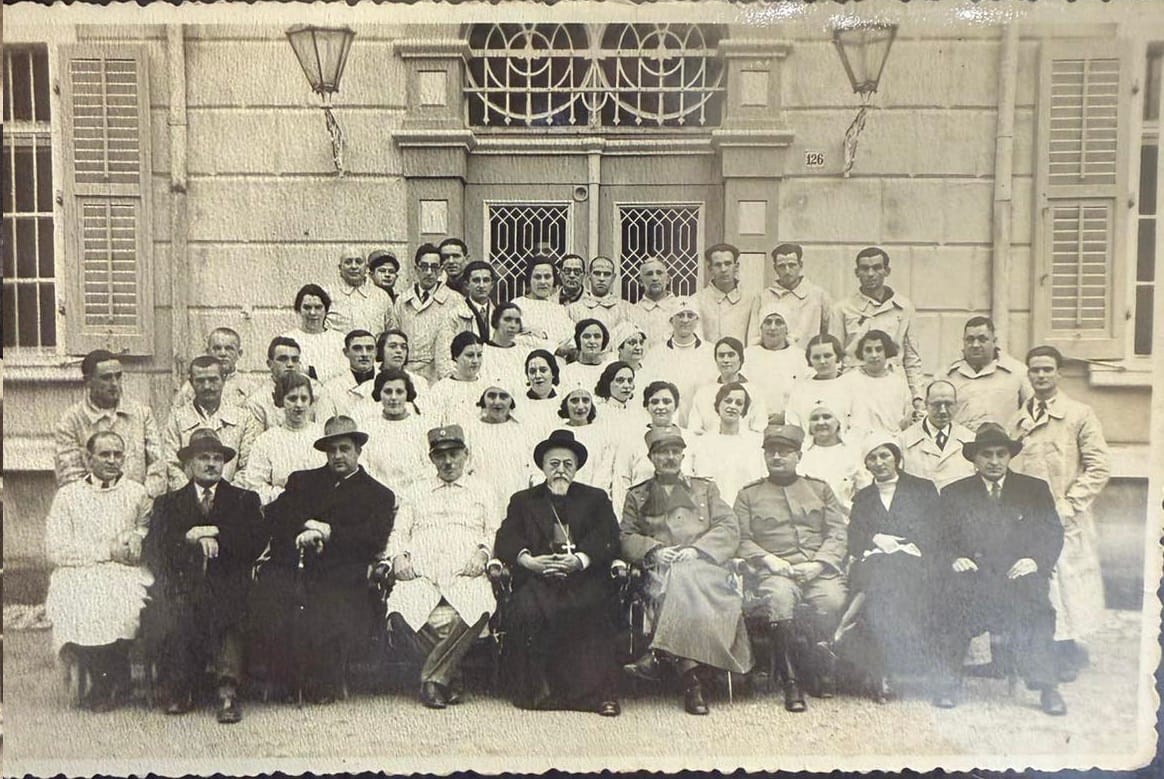
From the first pharmacy and foundling home to a clinical centre
The medical profession has a long tradition in Kotor. The noted researcher Risto Kovijanić writes in his book “Kotor Medallions” that the very first written documents, from 1326, already highlight the work of doctors, apothecaries, a hospital and a foundling home, as well as other forms of medical care during the Middle Ages. In the 16th century as many as 17 doctors are mentioned in our town (15 physicians and two surgeons), while in the 18th century the Venetian authorities set up a military hospital in the building that is now the Cultural Centre.
SocietyFrom the memories of journalist Dušan Davidović
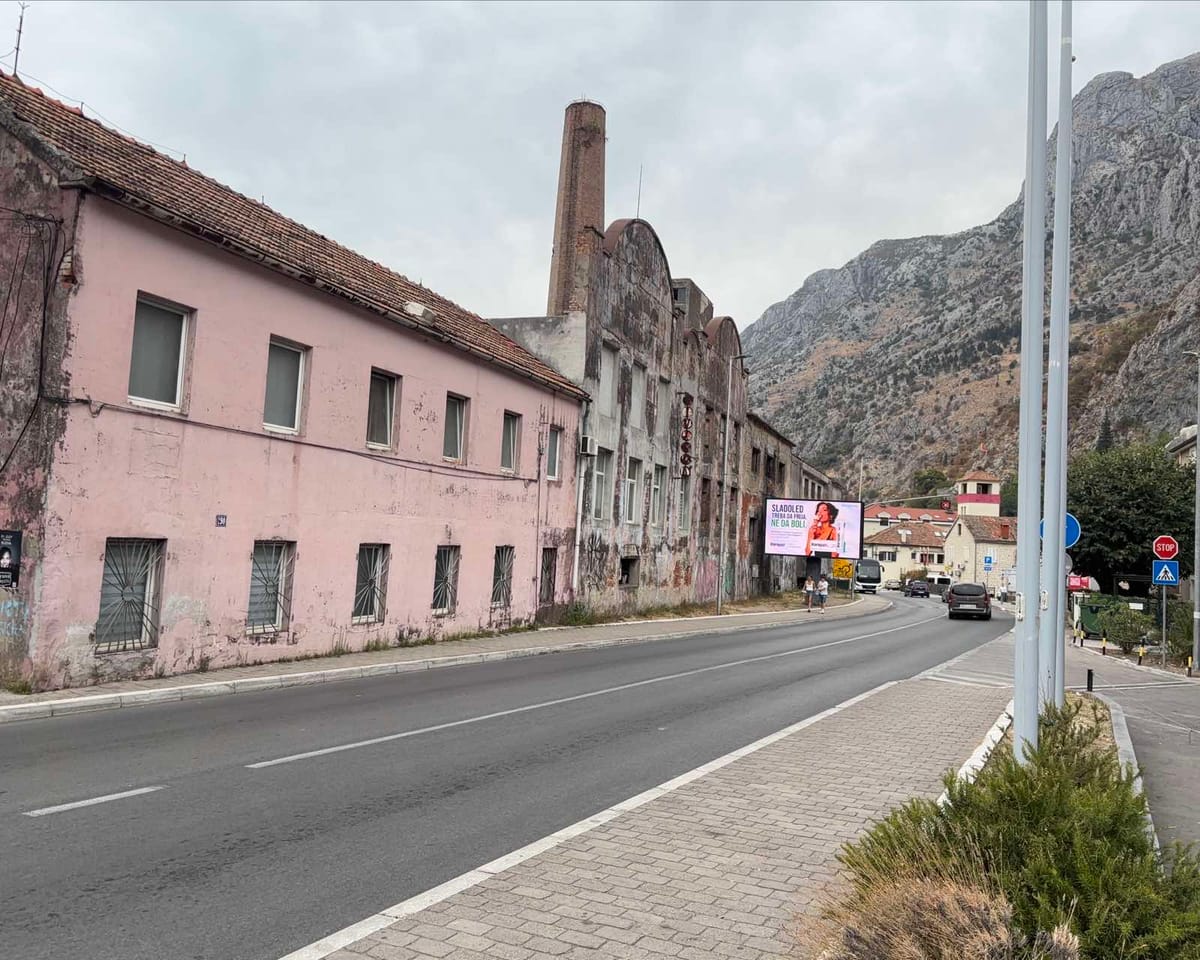
Old industrial plants – a worry for the younger generations
In the years after the Great War, Kotor set about boosting its economic activity and industrialising, with a special role played by the “Rivijera” soap factory (1926) and the “Jadran-Perast” clothing factory (1924), as well as by other manufacturing, tourism and hospitality businesses. That momentum between the two world wars carried on after the Second World War, and for a long time Kotor based its development plans precisely on industrial production. Even after the devastating earthquake of 1979, huge sums given in solidarity by the citizens of Yugoslavia were invested in rebuilding industrial and general economic capacity.
SocietyFrom the memories of journalist Dušan Davidović
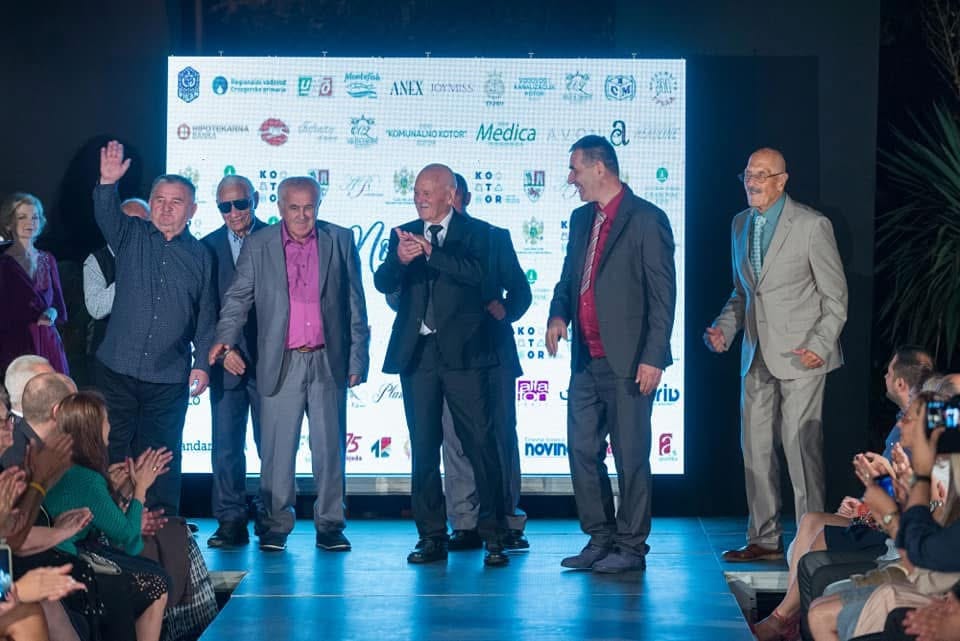
Fashion shows for the third age
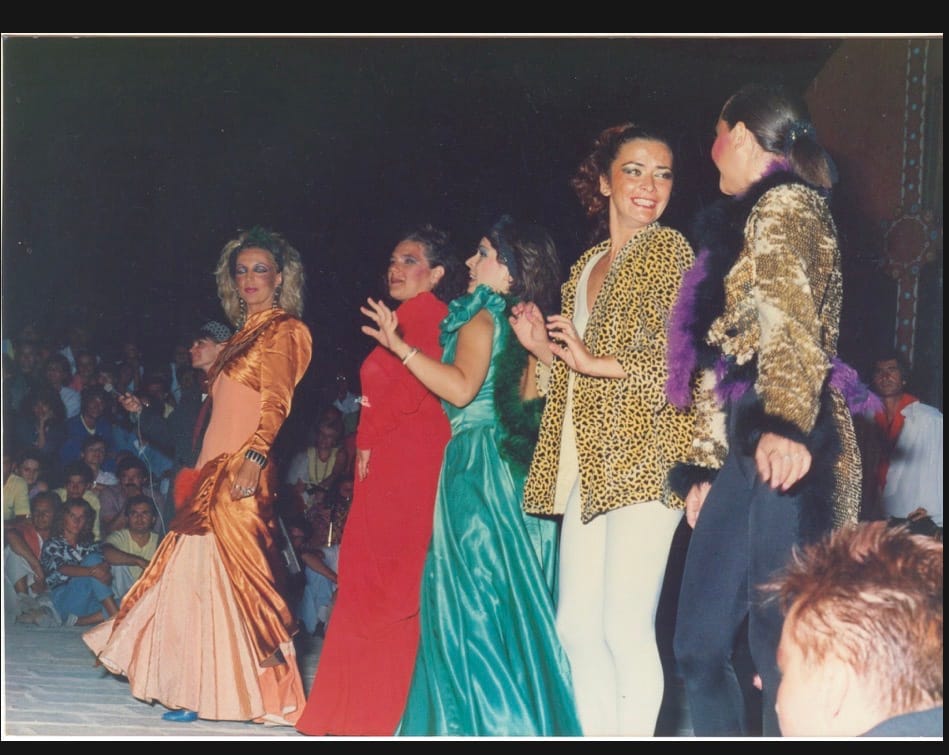
A fashion show was recently held in Kotor, on the Square of Arms. People also remember the shows organised in the past in front of St Tryphon's Cathedral, with renowned fashion designers taking part, and older residents will surely recall that several decades ago the “Jadran” clothing factory from Perast staged a show on the square where the Hotel “Astoria” stands today.
SocietyFrom the memories of journalist Dušan Davidović
More and more olive trees grace the Bay of Kotor once again
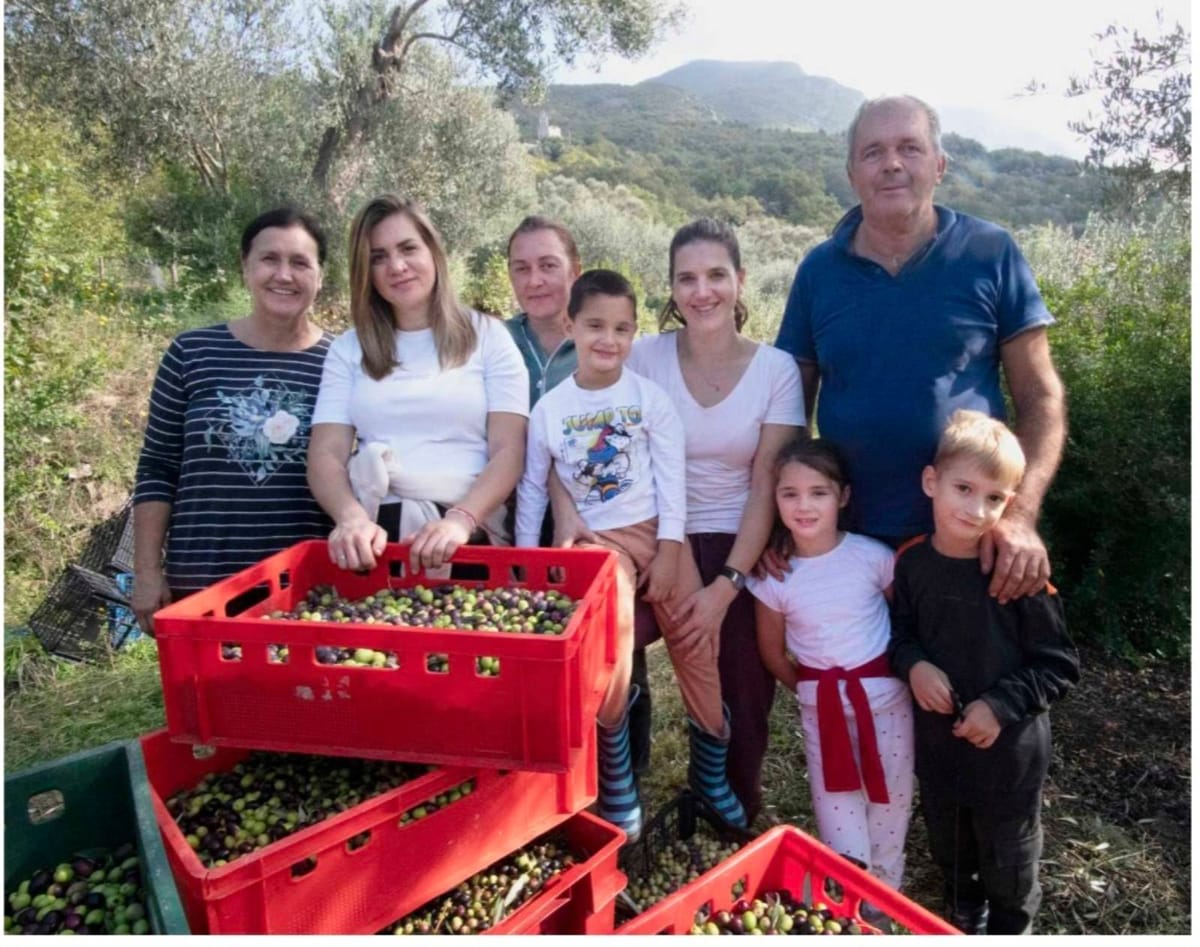
The traces of the olive go back a very long way. In Greece, on the island of Crete, a three-thousand-year-old olive tree still bears fruit, and along our coast this sacred tree has been mentioned since ancient times. In the Bay of Kotor the olive has long been part of everyday life, meeting the ordinary needs of the population. Yet, especially after the Second World War, the olive groves were neglected. Only in 2003, with the founding of the “Boka” Olive Growers' Society, did the revival of countless trees begin across the Bay of Kotor, all the way to Paštrovići. According to official statistics, there are more than 150,000 olive trees here, and new groves are constantly being planted. One example is the company “Agrar Čelebić”, with some 30,000 trees in the Lješevići area, on the road to Bigova.
SocietyFrom the memories of journalist Dušan Davidović
The Homens, watchmakers and musicians of Kotor
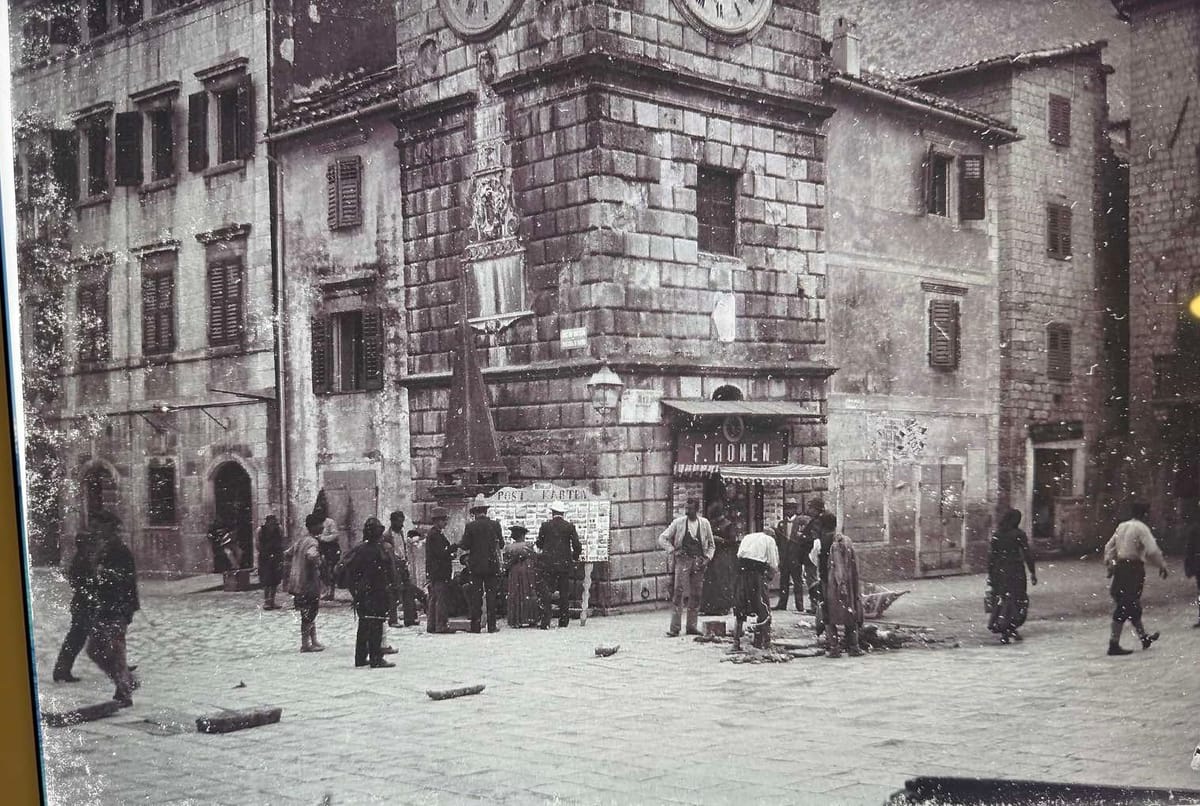
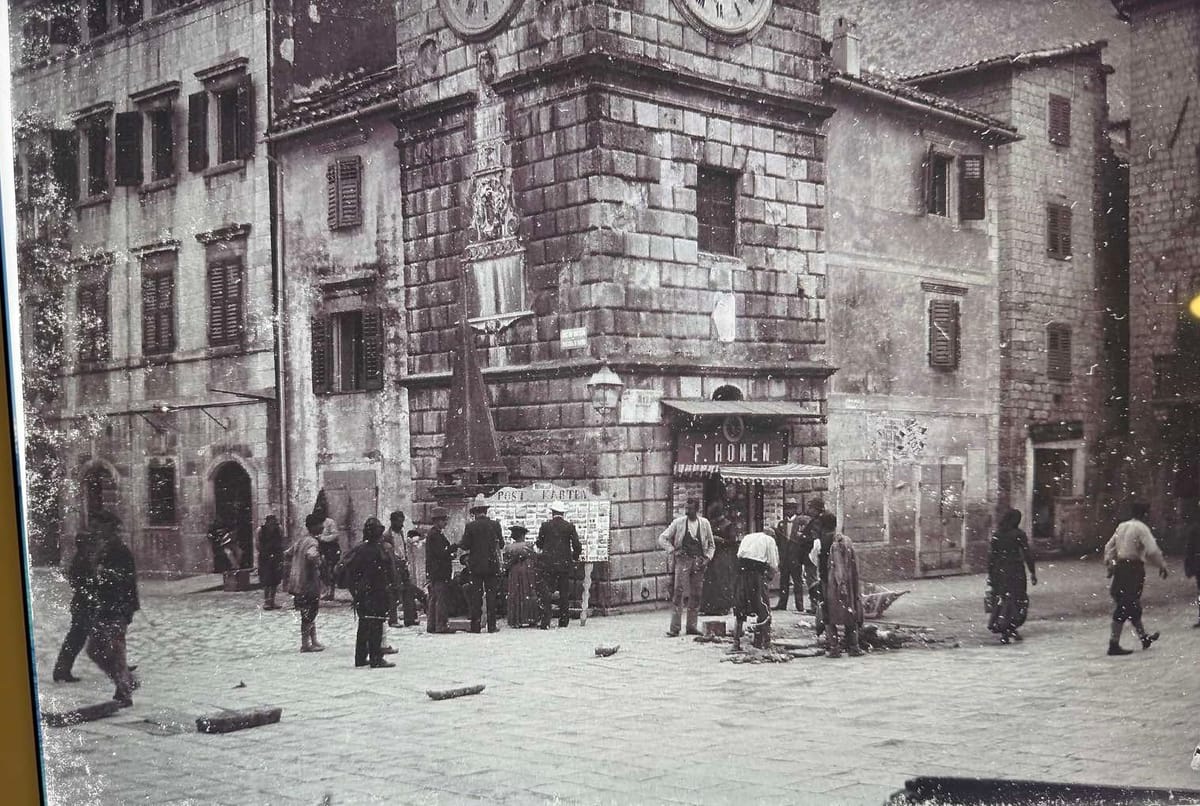
The Homen family appears in Kotor's history in the mid-19th century, when the Austrian authorities of the day sent Franjo Homen to repair and maintain the town clock. He came to Kotor from Graz on that assignment in 1865 and stayed, through his descendants, to this day. The symbol of the town, the clock tower with its distinctively built mechanism, has been maintained and serviced ever since by the descendants of the founder of the first watchmaker's shop, on the ground floor, where it still is today. Franjo had two sons, Robert and Ferdinand, who carried on the watchmaking trade. Robert devoted himself to that work to the end and stayed loyal to it through his son Mirko, who had sons Dragan and Ljubinko and a daughter, Ružica. Ljubinko carried on the tradition, and today he has handed the maintenance of the town clock over to his son Mirko.
SocietyFrom the memories of journalist Dušan Davidović
The Kotor coat of arms, a spoil of war, is still in Italy
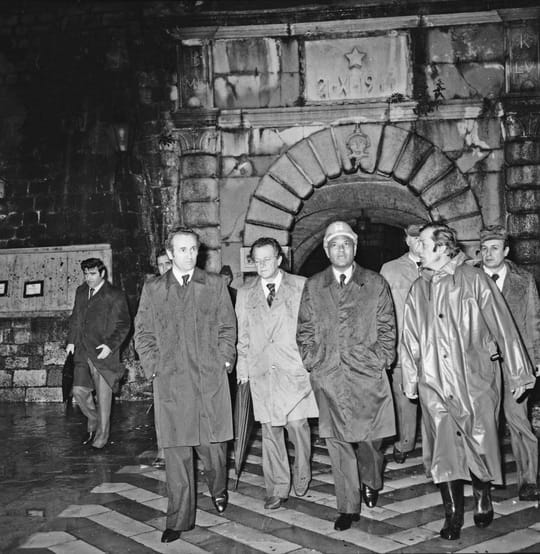
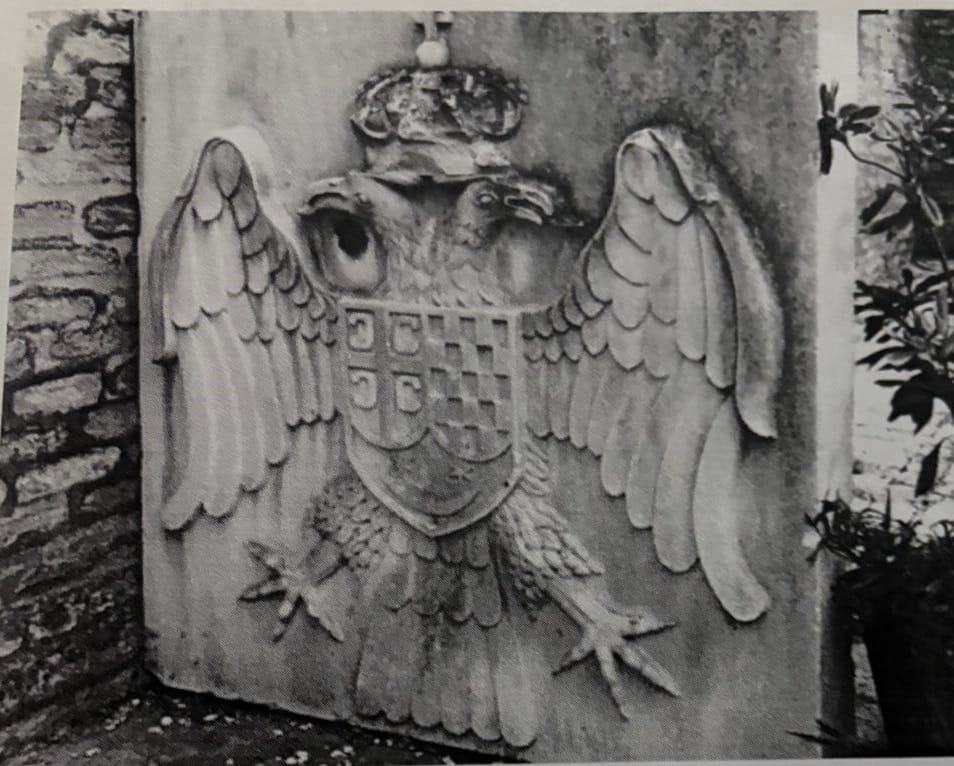
Since 1555, Kotor's Main Town Gate has welcomed the travellers and wayfarers who arrive in our town within its walls. From those days of the Venetian Republic, the North and South Gates were opened as well, through which rivers of visitors are streaming these days. In many places around Kotor you can see Venetian coats of arms and other emblems of the Venetian Republic, which ruled Kotor for a very long time /1420-1797/. The Lion of St Mark, the symbol of the Serenissima, appears in several places within Kotor's walls, on public buildings and, at one time, on private ones too. Later authorities did not remove the symbols of the Venetian Republic's long rule. They have remained as historical proof of the presence of Venice, which even in our own time shows interest in, and a desire for, the proper upkeep of Kotor's old monuments.
SocietyFrom the memories of journalist Dušan Davidović
Bokeljski mornari, from a warehouse to the bright lights of the stage
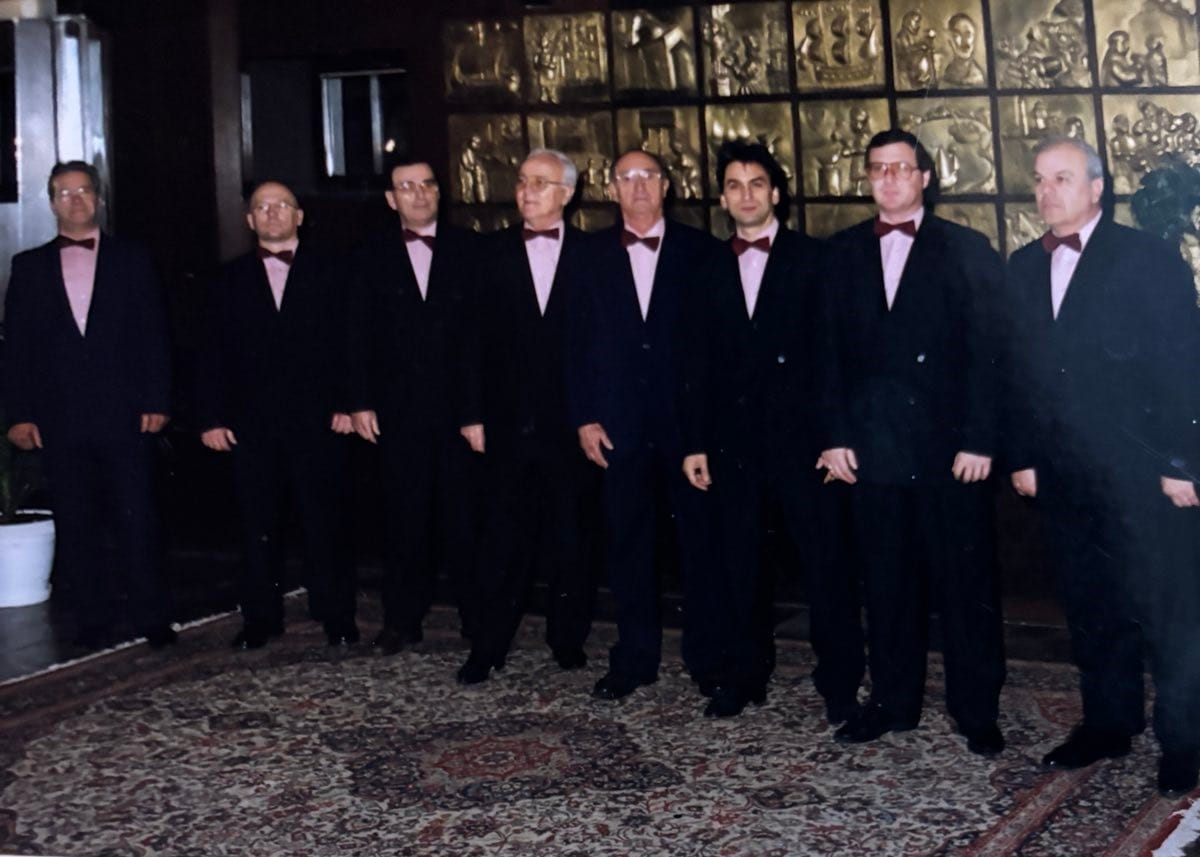
In the days after the devastating earthquake of 1979, when social life was paralysed and people had to worry about the bare essentials, a group of Kotor men longing for company and an active life decided to break the monotony that had gripped a town otherwise known for its lively social scene. And so, on 15 October 1979, in the warehouse of the “Napredak” company (today the “Solidarity Gallery”), the first rehearsal brought together Nikša Čučić, Slavko Dabinović, Budo Popović, Marko Đučić, Tripo Vukićević, Tonči Vukićević and Branko Janjalija. Already experienced singers from various choirs, they easily broke into song, and, as if by a miracle, two well-known local women, Ivka Lazarević and Katica Dončić, came by in the deserted town, and all together they sang the old song so well known to the people of Kotor, “From Šuranj to Pazar”.