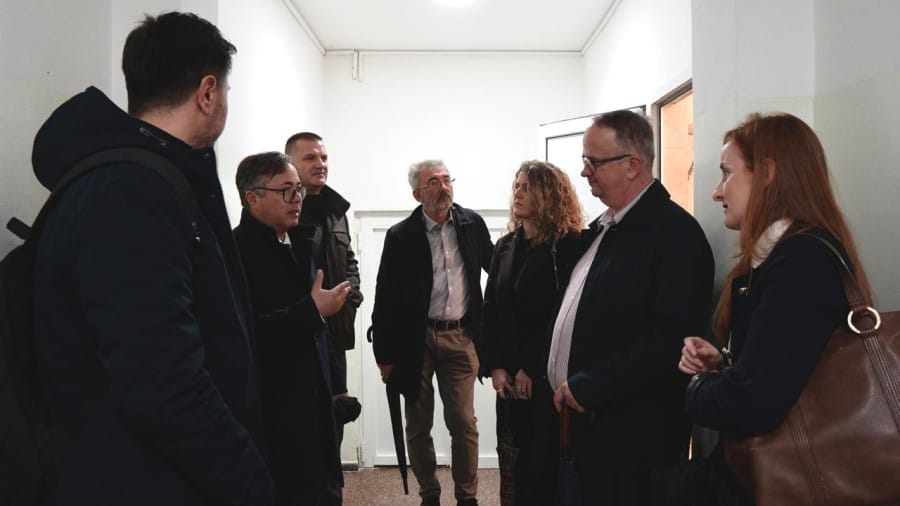
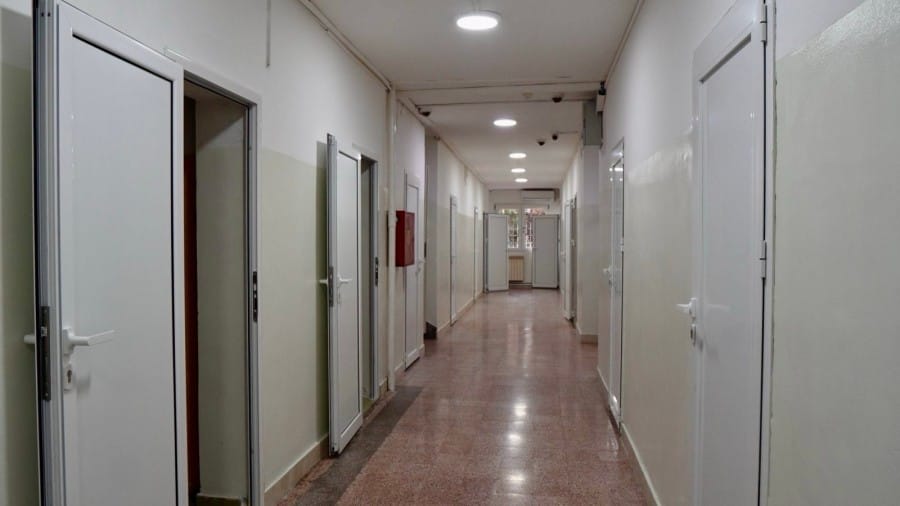
As part of the same project, training was held earlier on techniques for de-escalating conflict situations and reducing the use of coercion against patients, attended by 144 participants from the hospital in Dobrota and other health institutions in Montenegro.
According to the statement from Human Rights Action (HRA), the activities were carried out to improve treatment conditions and protect patients' rights, in line with the recommendations of the European Committee for the Prevention of Torture (CPT), with Germany's support.
“I am very glad that through this project we have managed to make a lasting improvement to living and working conditions for patients and staff at the Special Psychiatric Hospital in Dobrota. Further measures are now needed so that European standards can be reached as soon as possible. Mental health deserves more attention, both in politics and in society,” stressed Germany's Deputy Ambassador to Montenegro, Dr Ralf Reusch.
The five-day training, held from 21 to 25 September, was led by experts from Germany, Dr Sophie Hirsch and Sascha Mesic. Through lectures and practical exercises, participants honed techniques for recognising agitation, calming tense situations and preventing escalation.
The director of the “Dobrota” Special Psychiatric Hospital, Dr Jovo Đedović, thanked HRA and the German Embassy for their help, highlighting the importance of improving treatment conditions and of continuous training for staff.
“Improving the conditions in which patients are accommodated is of crucial importance and is one of the hospital management's priority activities. Continuous medical training for staff is also important, especially in preventing the use of coercive methods in day-to-day work, which is one of the prerequisites for a more humane and empathetic approach to treatment,” Đedović said.
HRA recalls that the CPT has warned of overcrowding, inadequate material conditions and excessive use of restrictive measures at the hospital, stressing that systemic investment by the state is essential to resolve the problems for good.
“The renovation of the ward and the training of staff are concrete steps towards protecting patients' rights. However, other wards have long been ripe for renovation too. The state must provide dignified treatment conditions for all patients and implement the CPT's recommendations,” said Martina Markolović, a social worker at HRA.
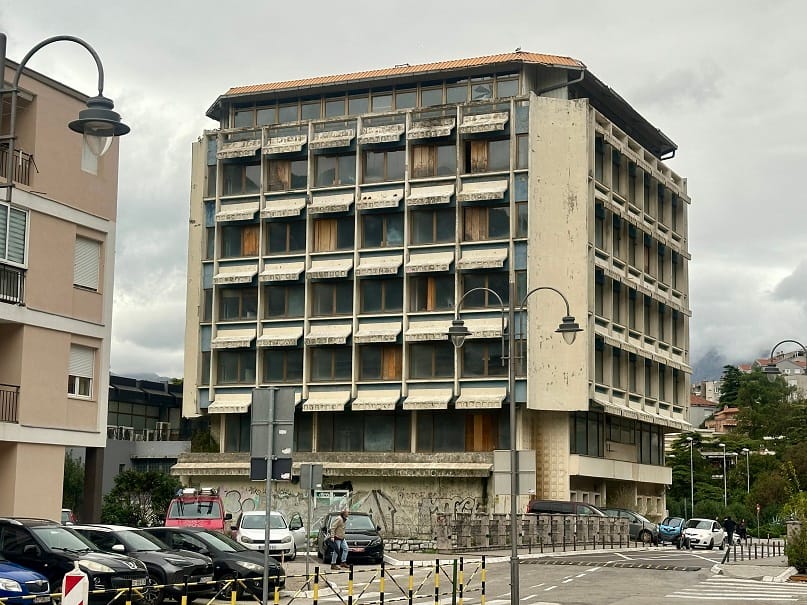
The organisation says that, alongside the renovation of dilapidated wards, a new building should be planned for the emergency and inpatient care of people with mental illness, because the hospital in the prison complex in Spuž cannot replace a new Special Psychiatric Hospital for patients outside the prison system.
The project “Strengthening Human Rights in Psychiatric Treatment” is being implemented by Human Rights Action in cooperation with the Special Hospital, with financial support from the Embassy of the Federal Republic of Germany in Montenegro.