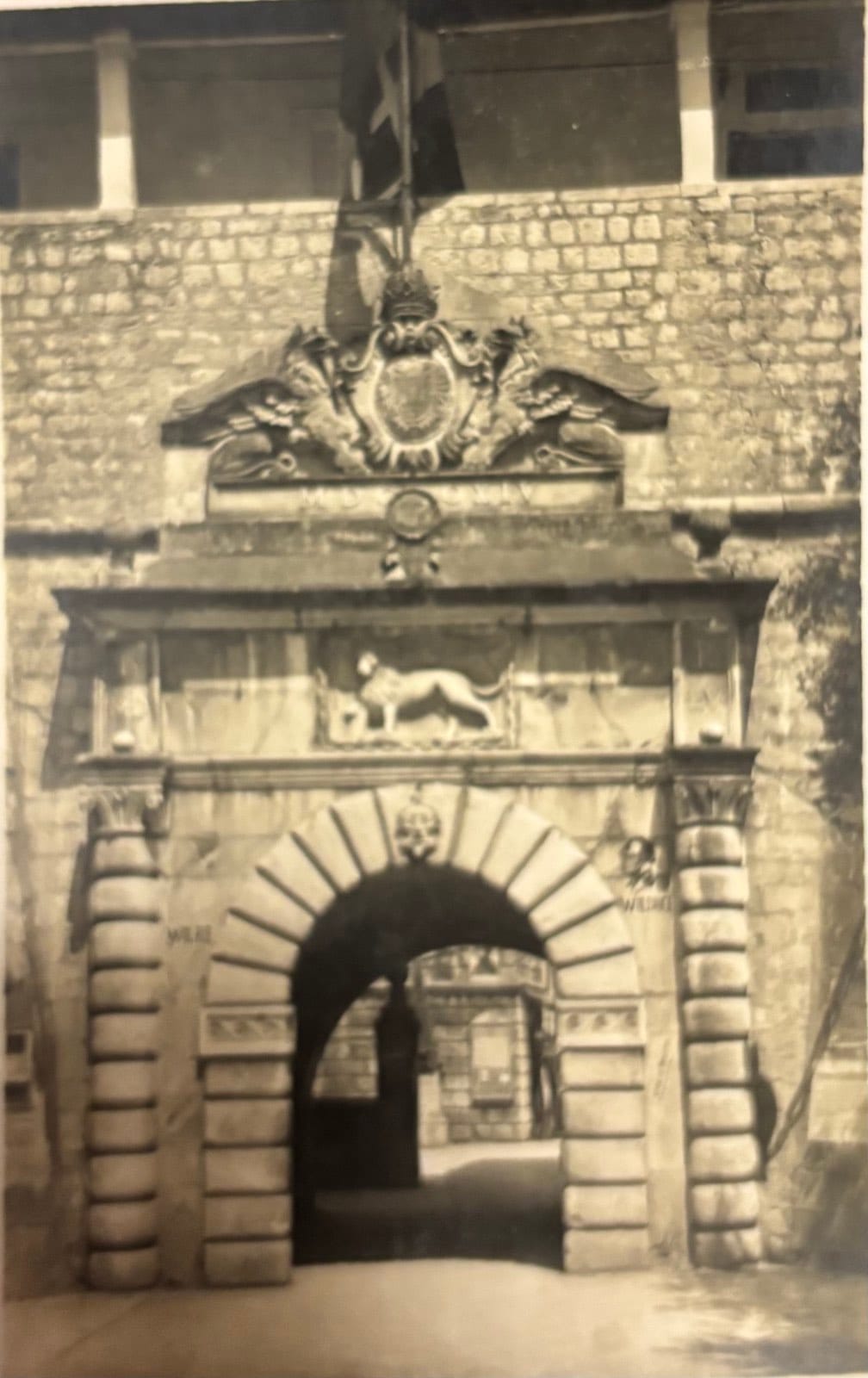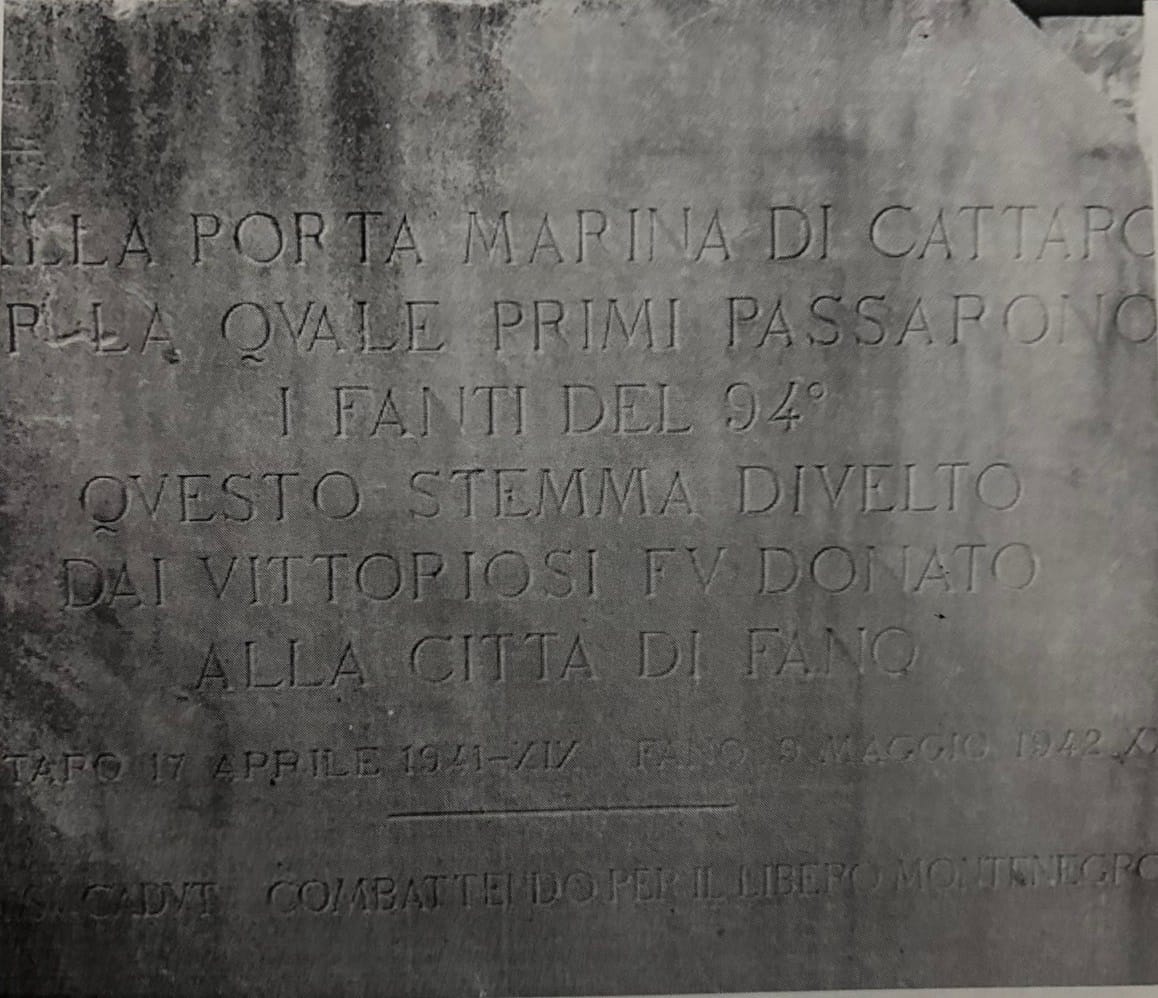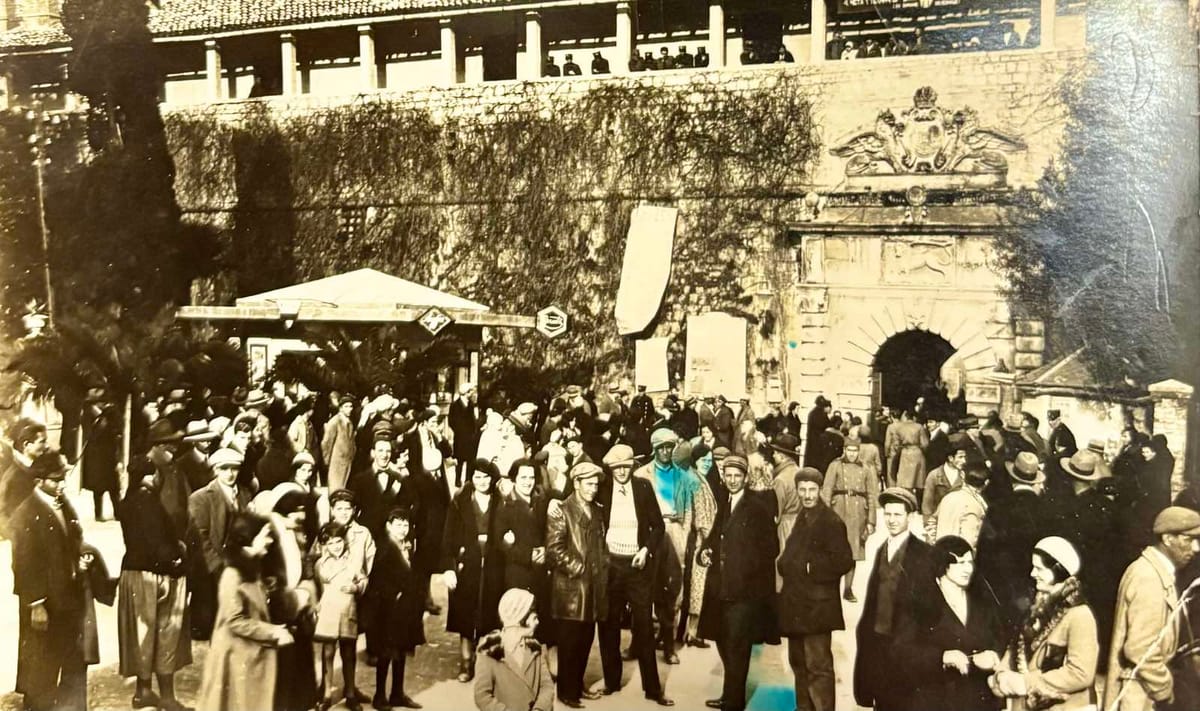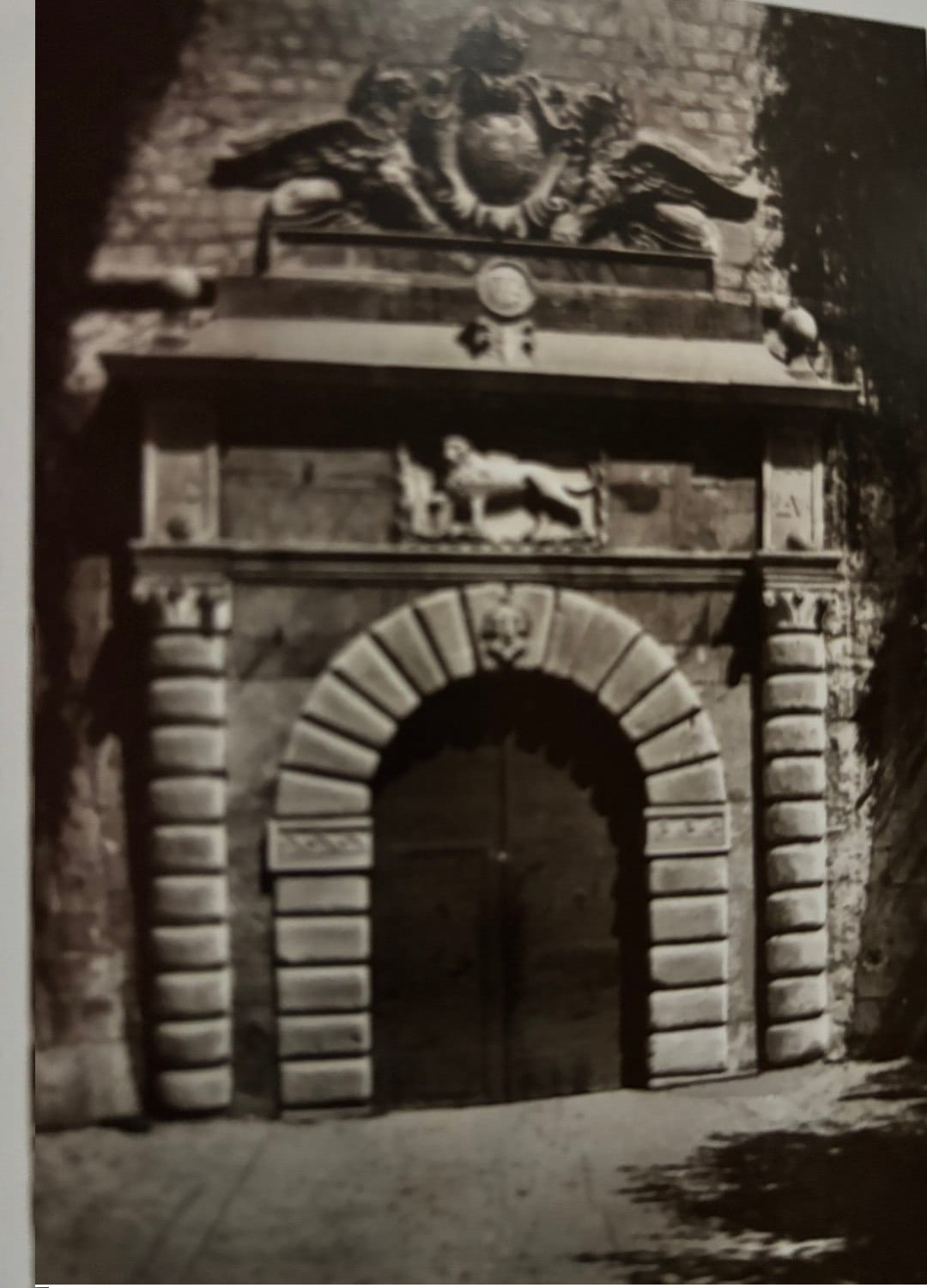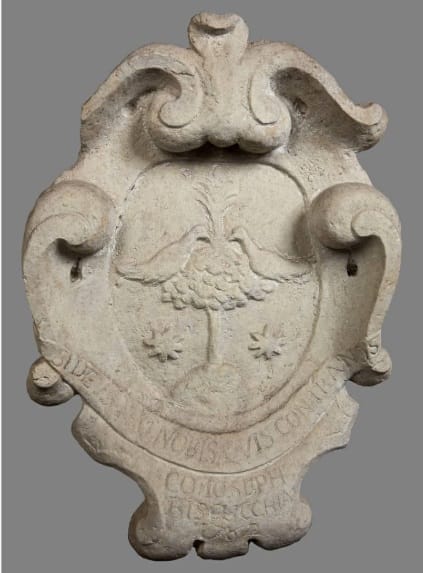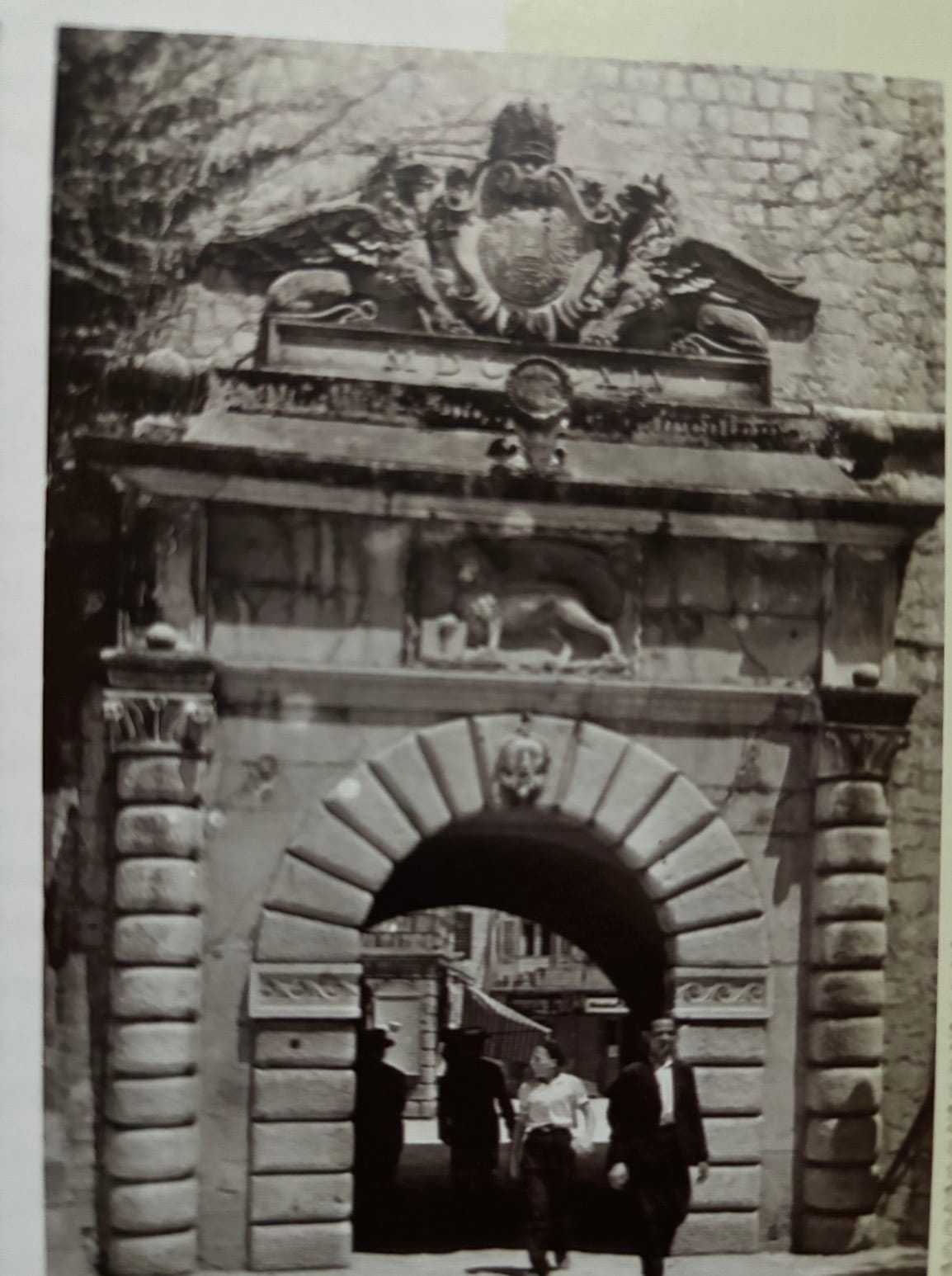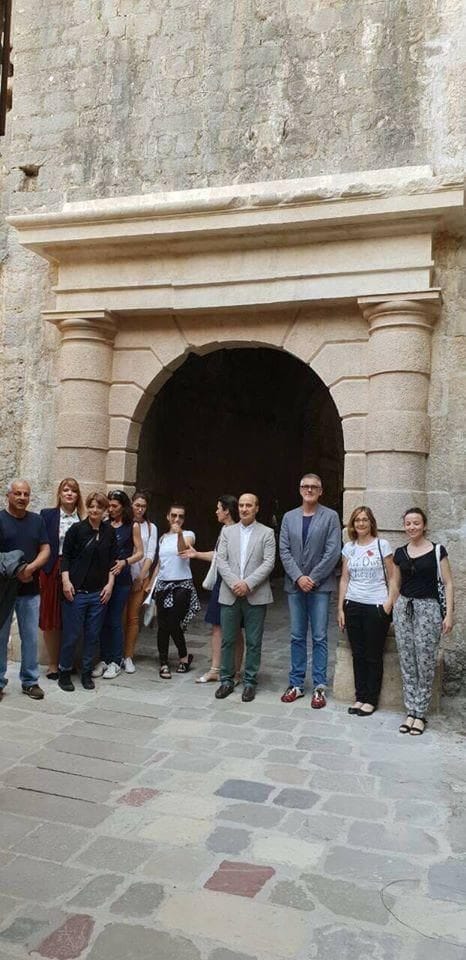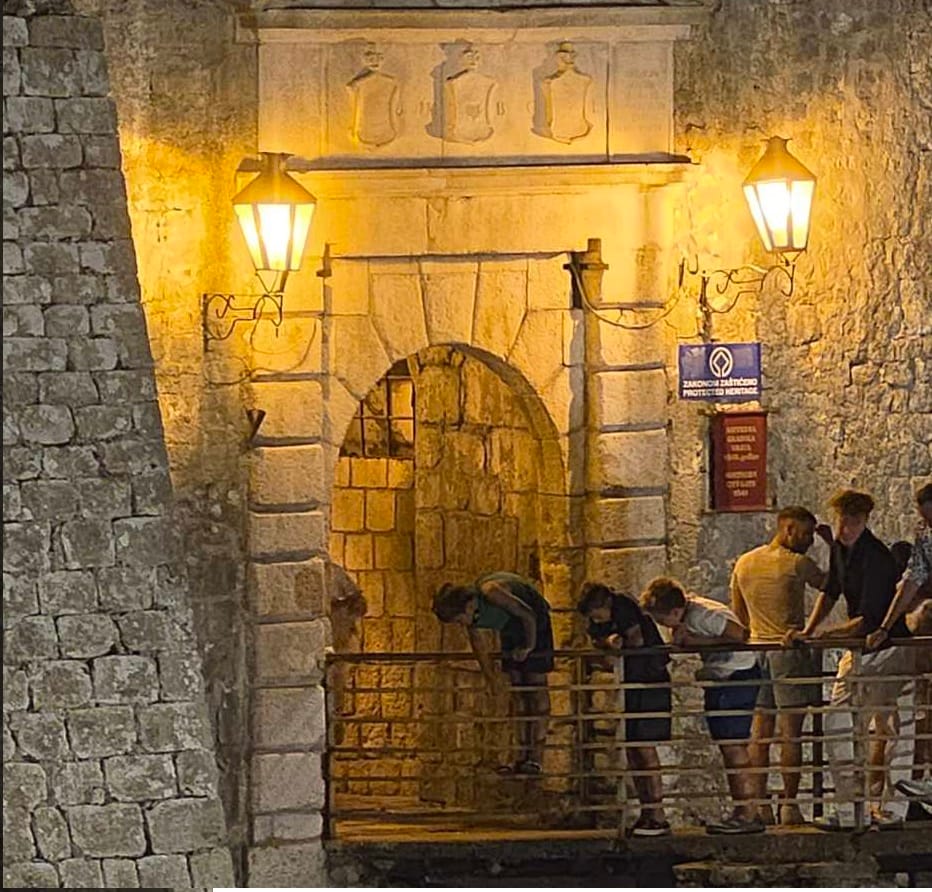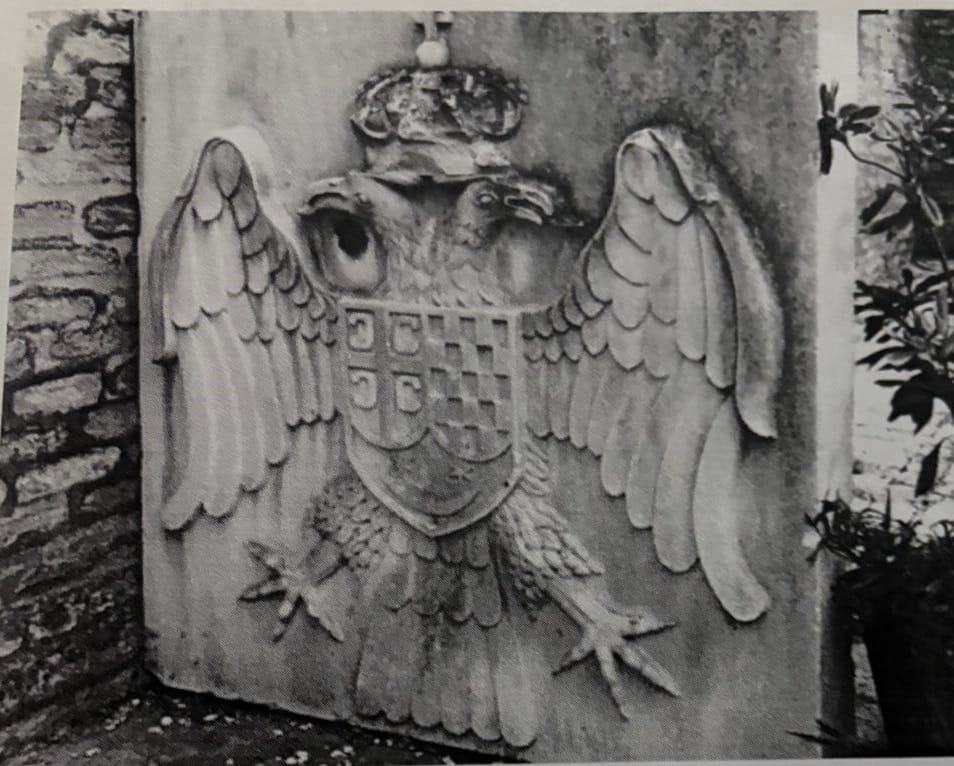
However, in the period between the two world wars, the authorities of the day placed a carved coat of arms of the Kingdom of Serbs, Croats and Slovenes /Yugoslavia/ on the inner side of the Main Town Gate, closer to the Square of Arms; the Italian occupiers /1941-43/ carried it off as a war trophy to the Italian town of Fano, where it has been seen in the lapidarium.
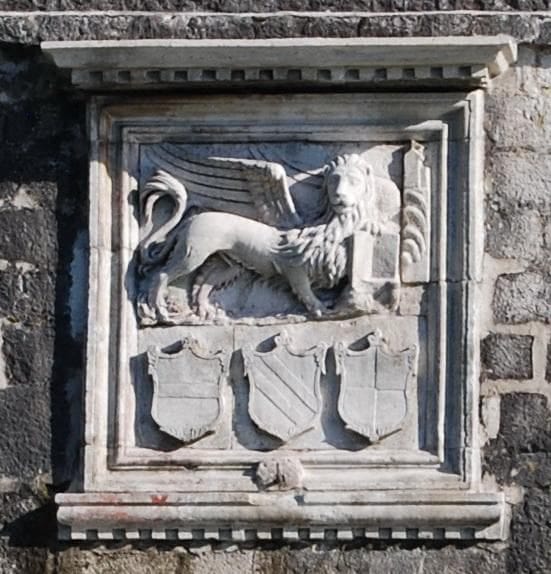
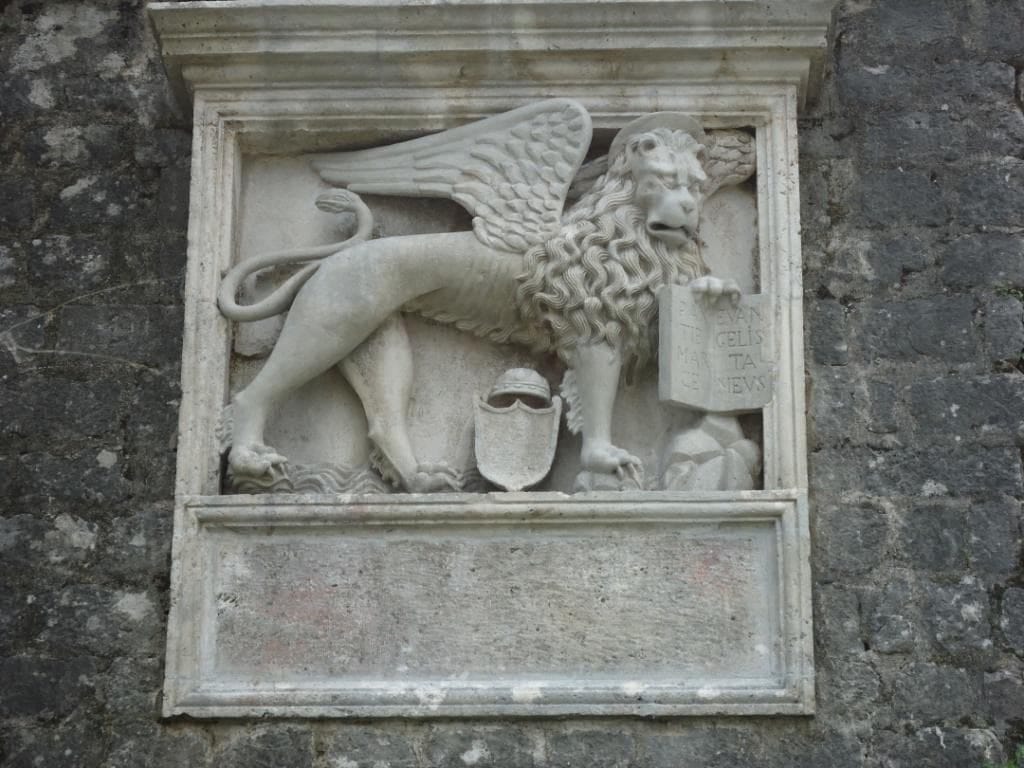
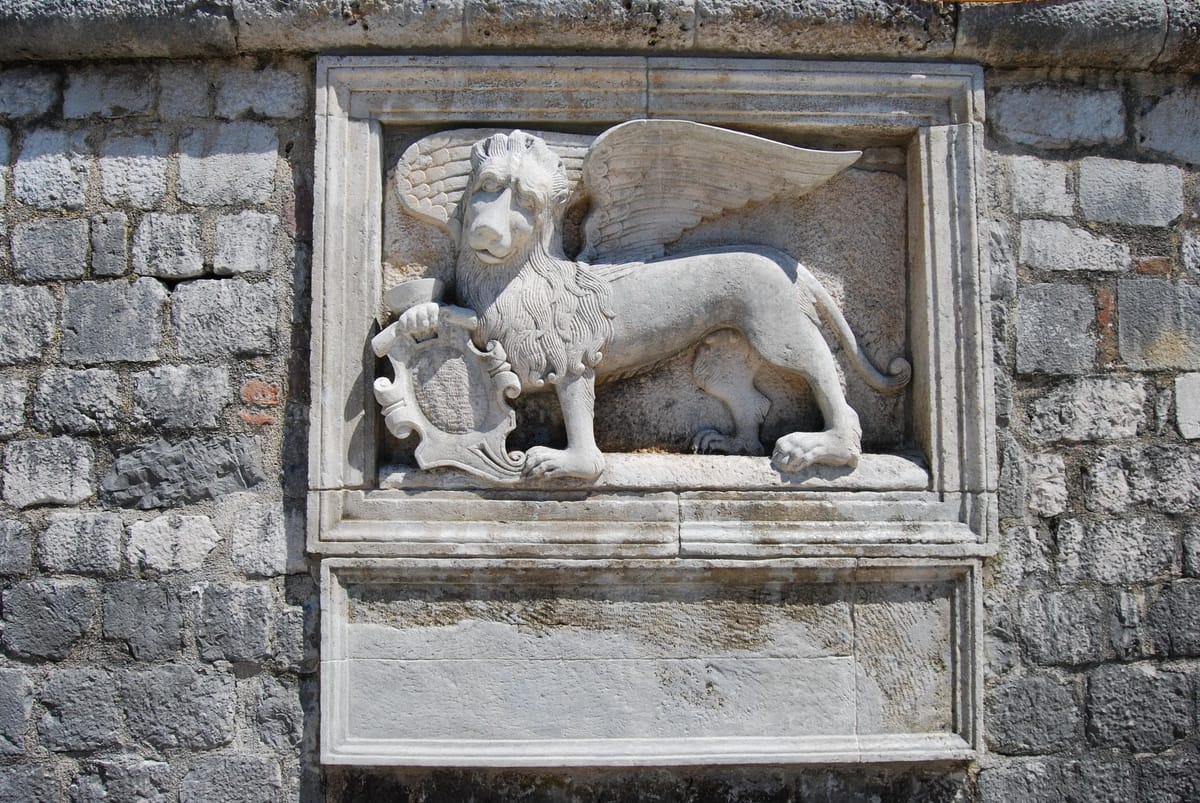
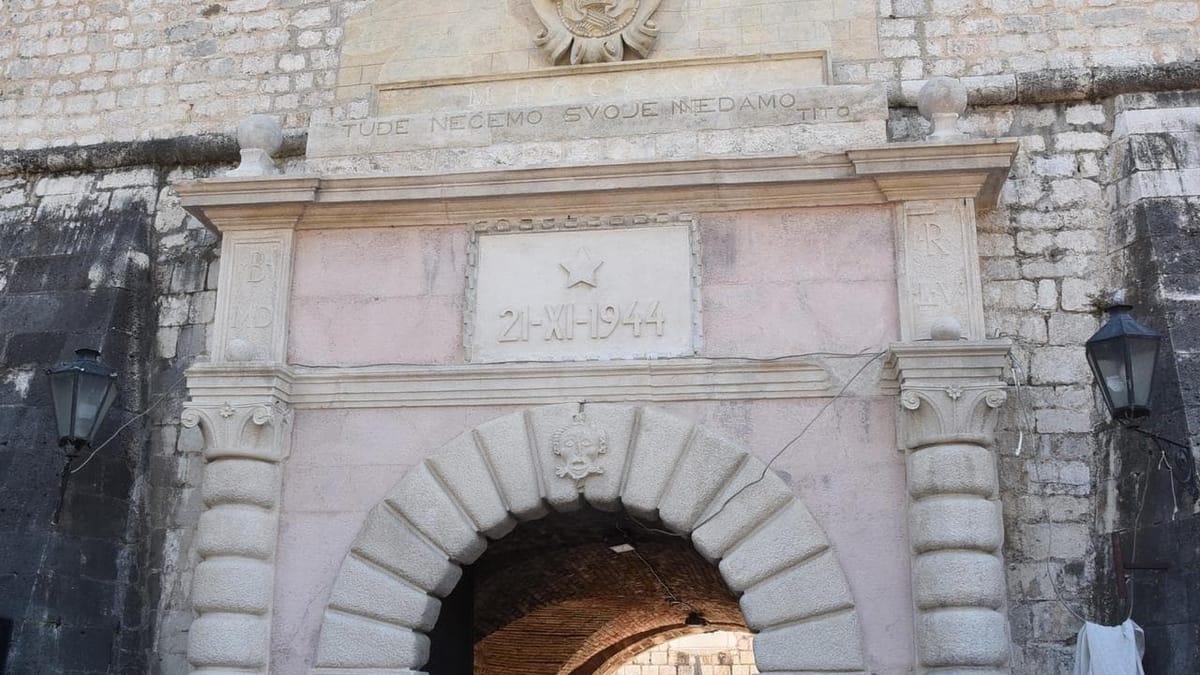
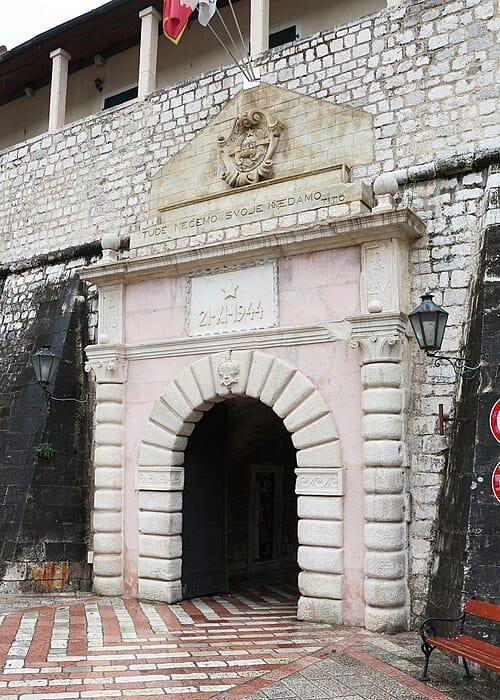
As for the emblems on the Main Town Gate, the Community of Italians of Montenegro has for some time been calling for the removed coat of arms with the Venetian lion to be put back in the place where, after the Second World War, the liberators put up the emblem of the new regime with the words “WE DO NOT WANT WHAT IS OTHERS', WE WILL NOT GIVE UP WHAT IS OURS”. The veterans' organisation has repeatedly and firmly come out in favour of keeping the present emblem.
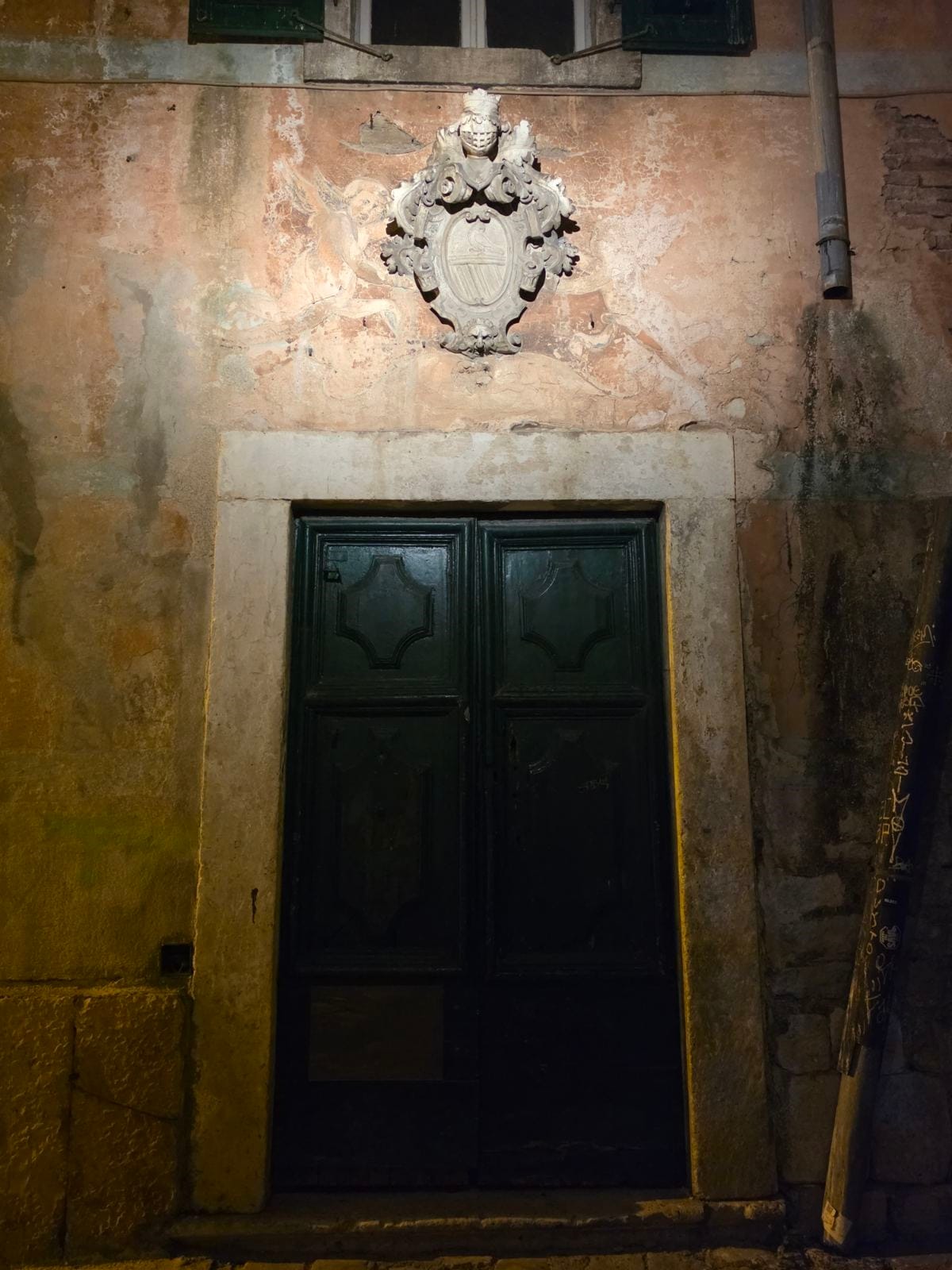
In a world of frequent wars and changes there are similar cases of the traces of earlier generations and regimes being erased, but also of all the coats of arms and other traces being displayed, with nothing torn down, as a kind of historical map and record of the layered past that particular places have lived through. Places like Kotor, with its exceptionally rich and eventful past. Perhaps that principle ought to be applied in Kotor too, so that all the coats of arms get back the places they once had.
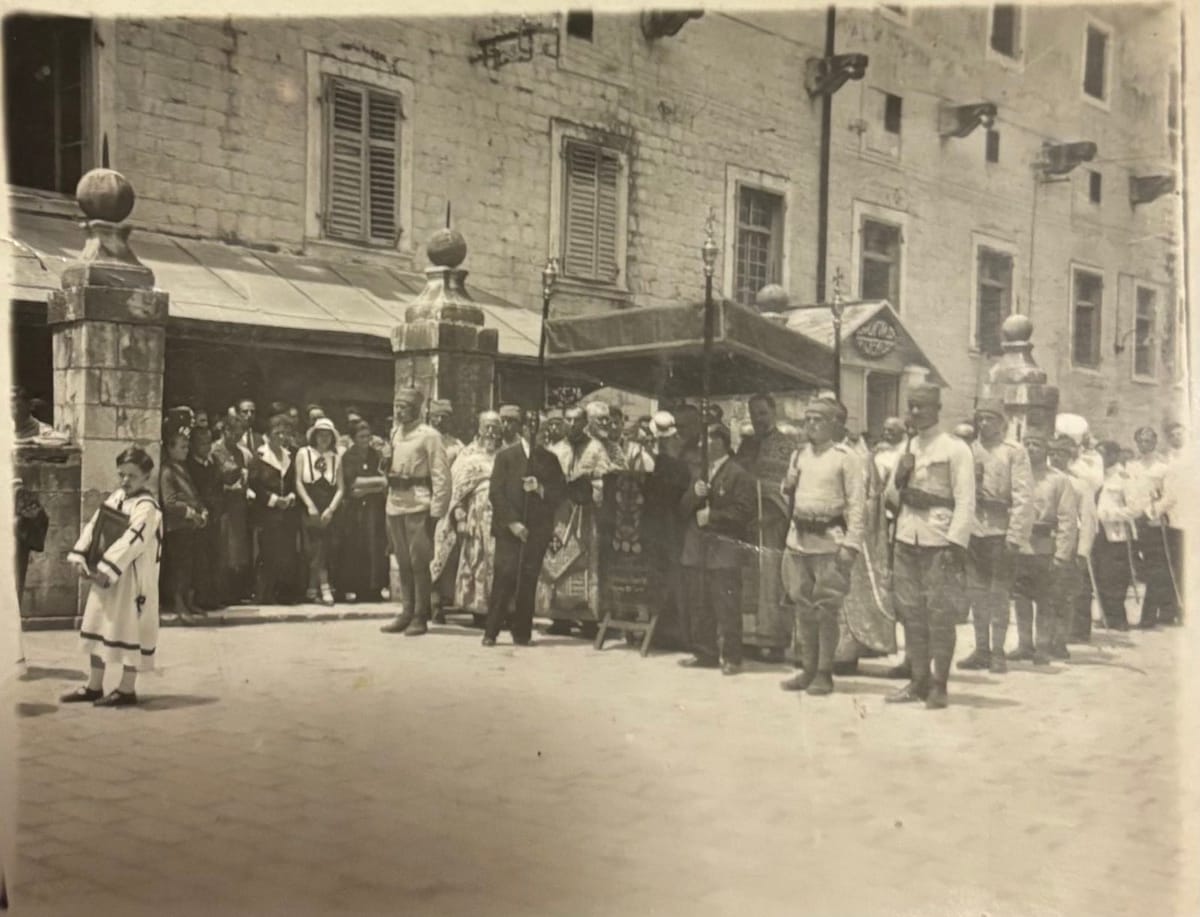
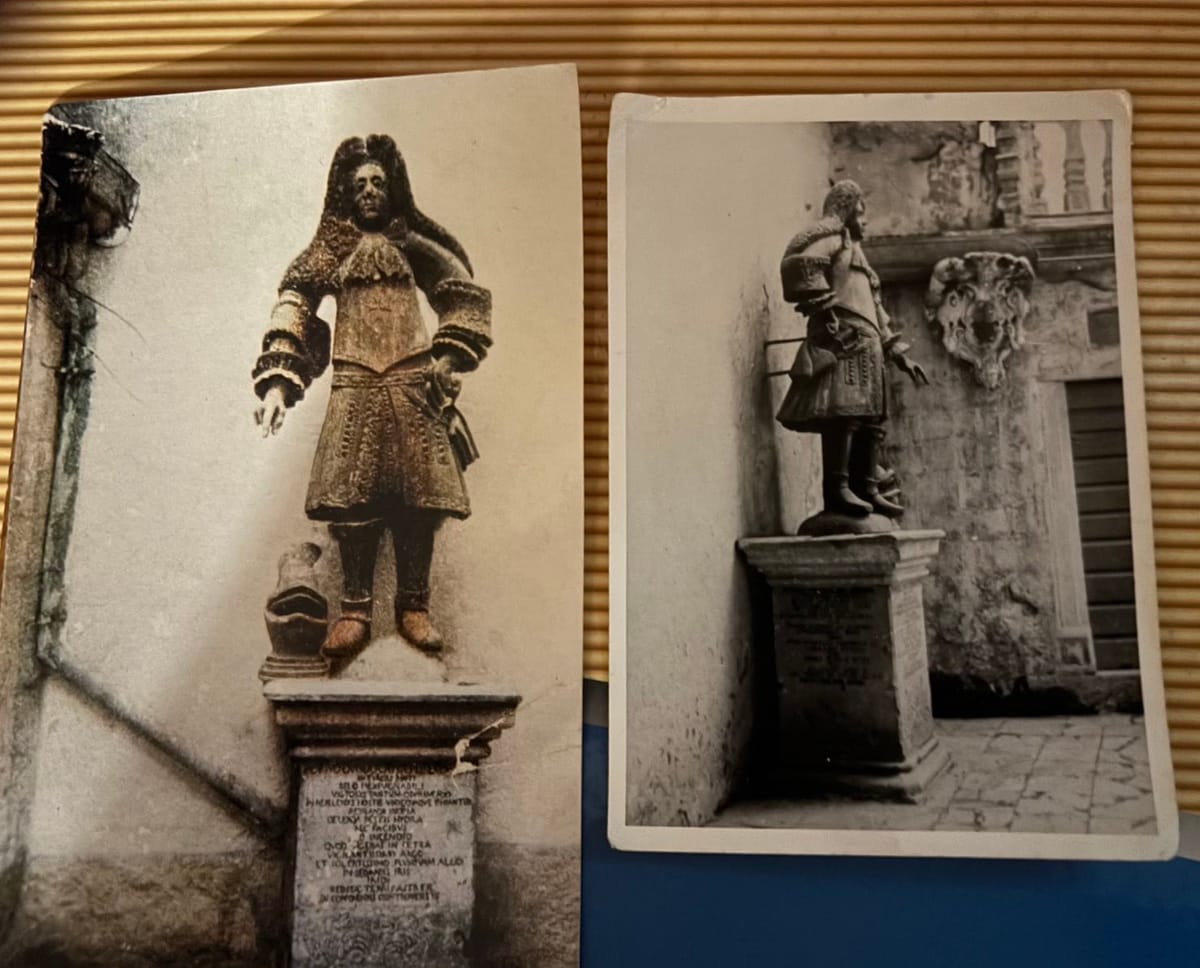
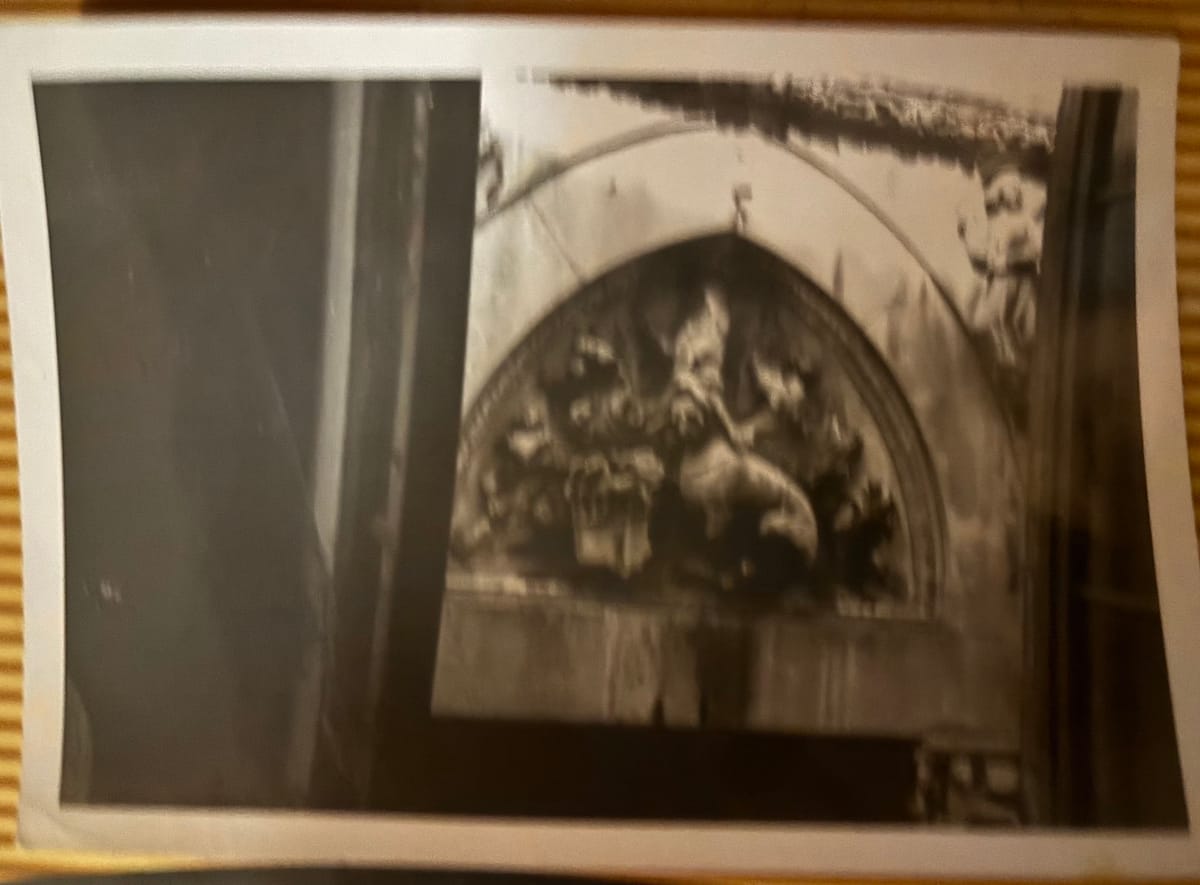
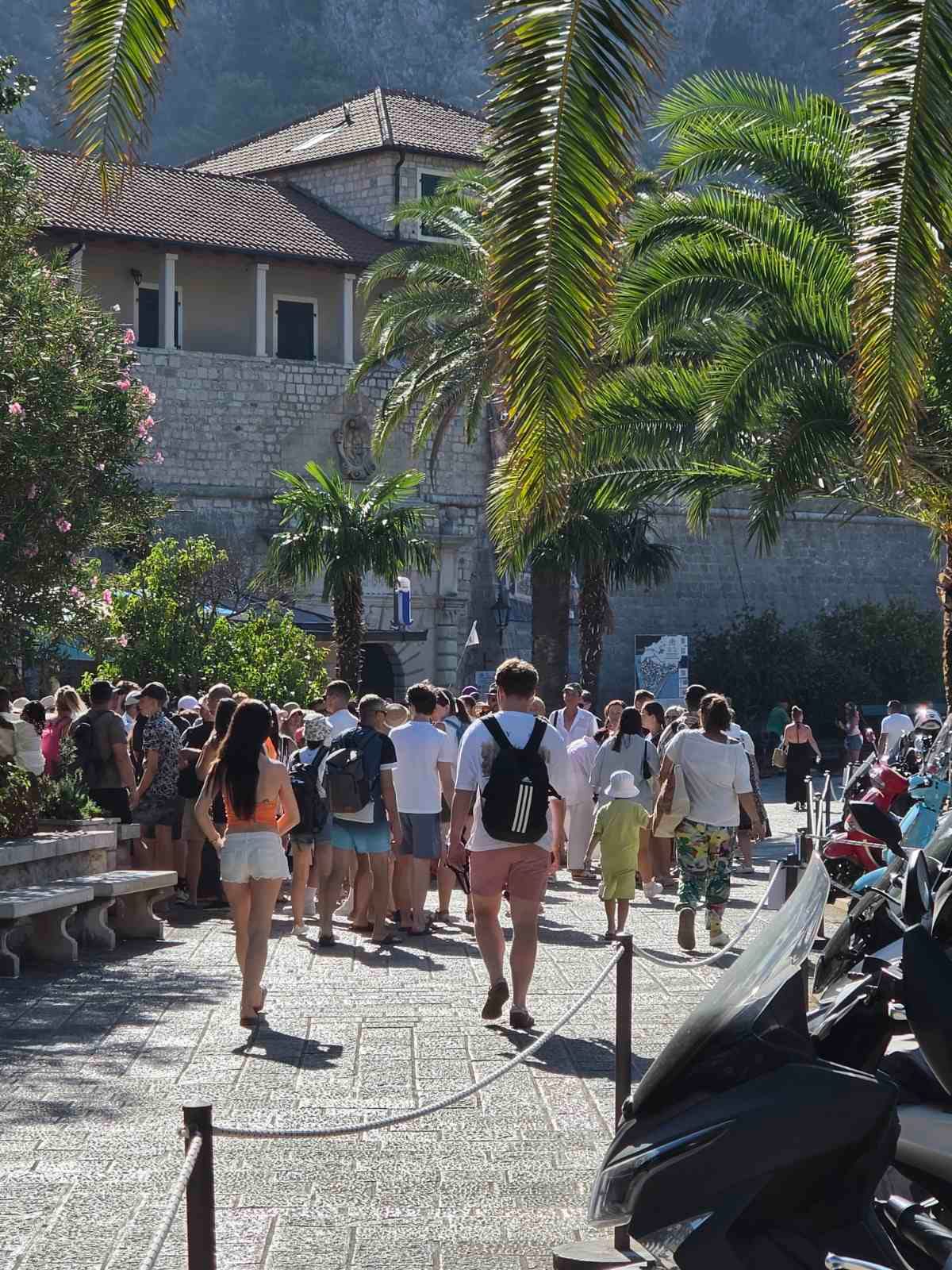
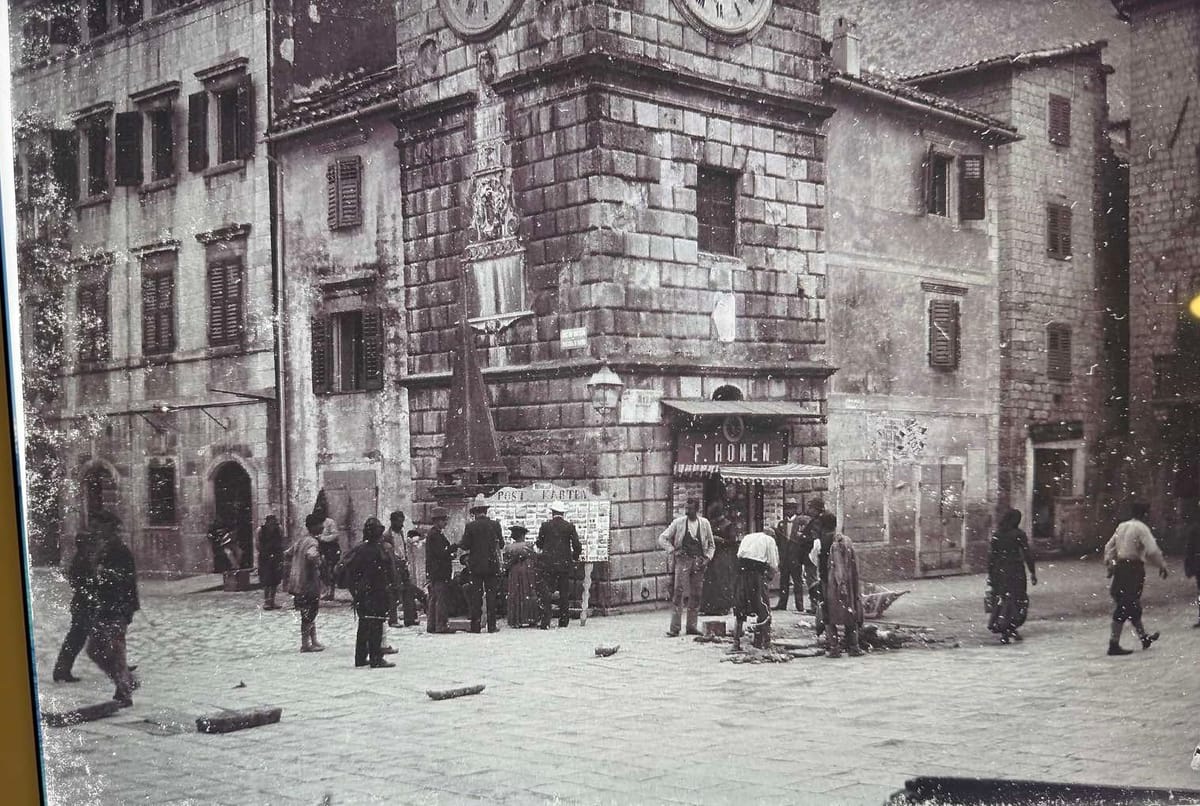
Several Kotor families have kept posters and photographs of the old entrance to the town, and of how the main square and other parts looked at the time. Publishing those photographs on the Radio Kotor website would give younger generations a chance to see the town as it was in times gone by.