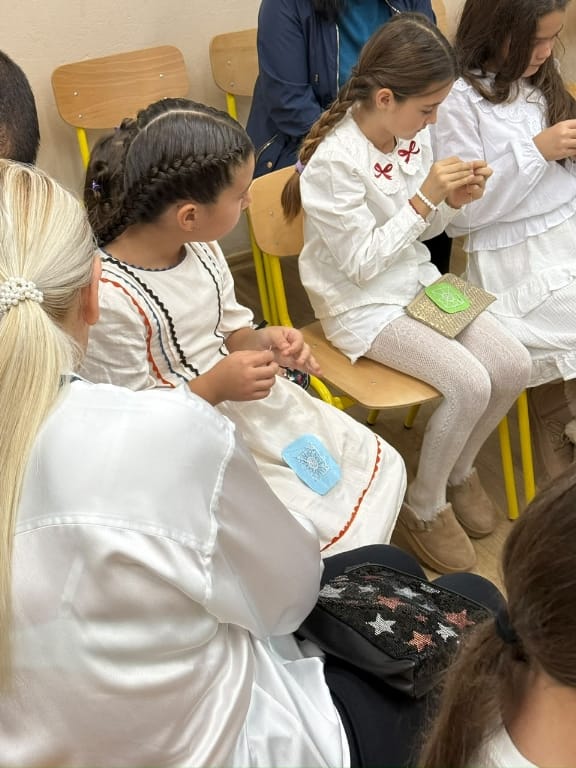
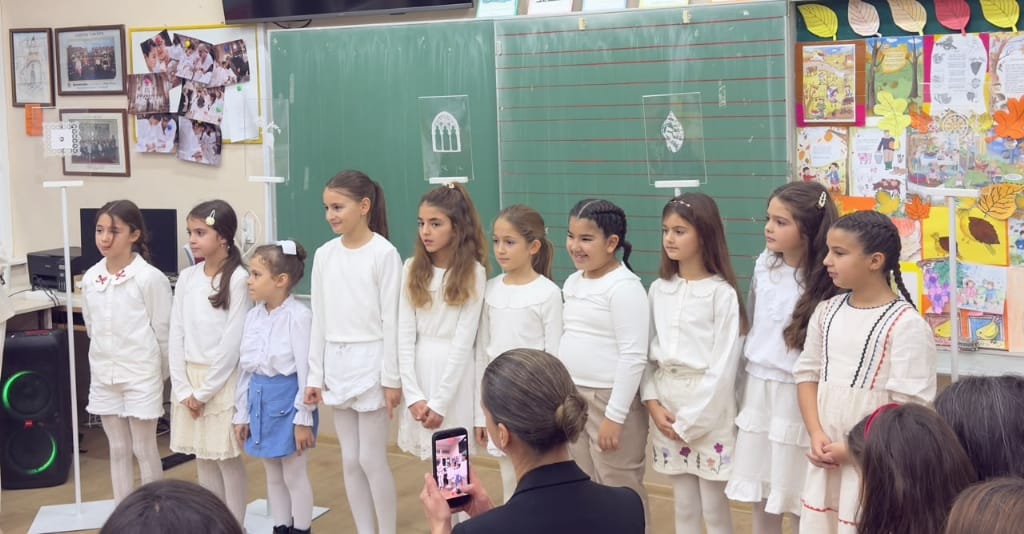
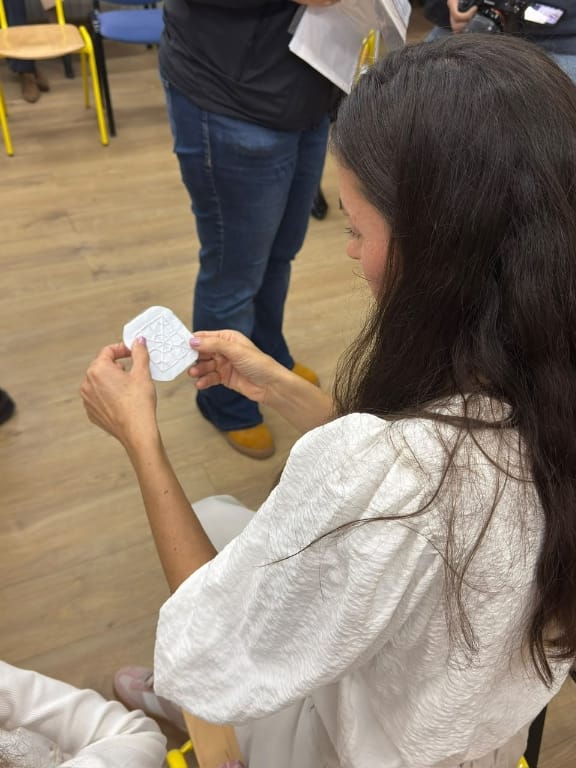
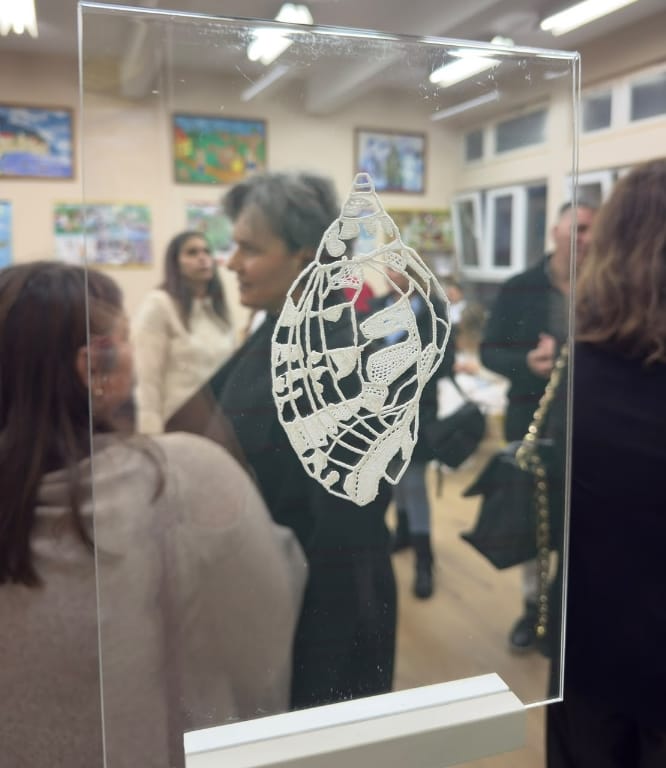
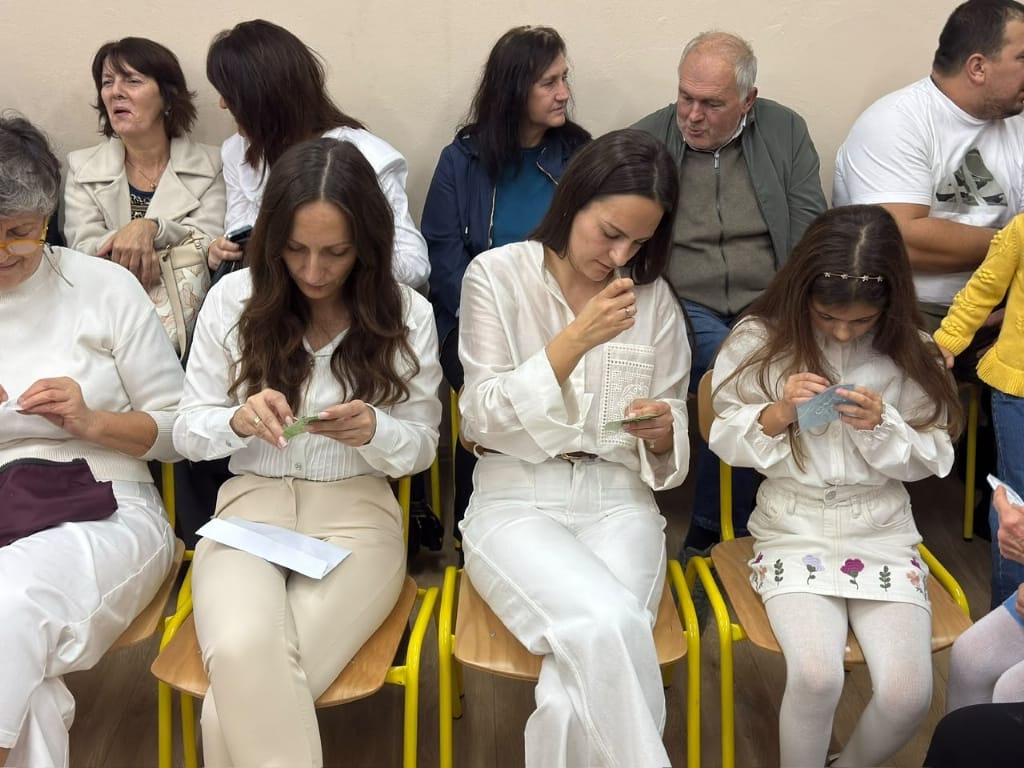
The joint work of the schoolgirls and their mothers showcased the beauty of Dobrota lace and the importance of preserving the cultural heritage of the Bay of Kotor.
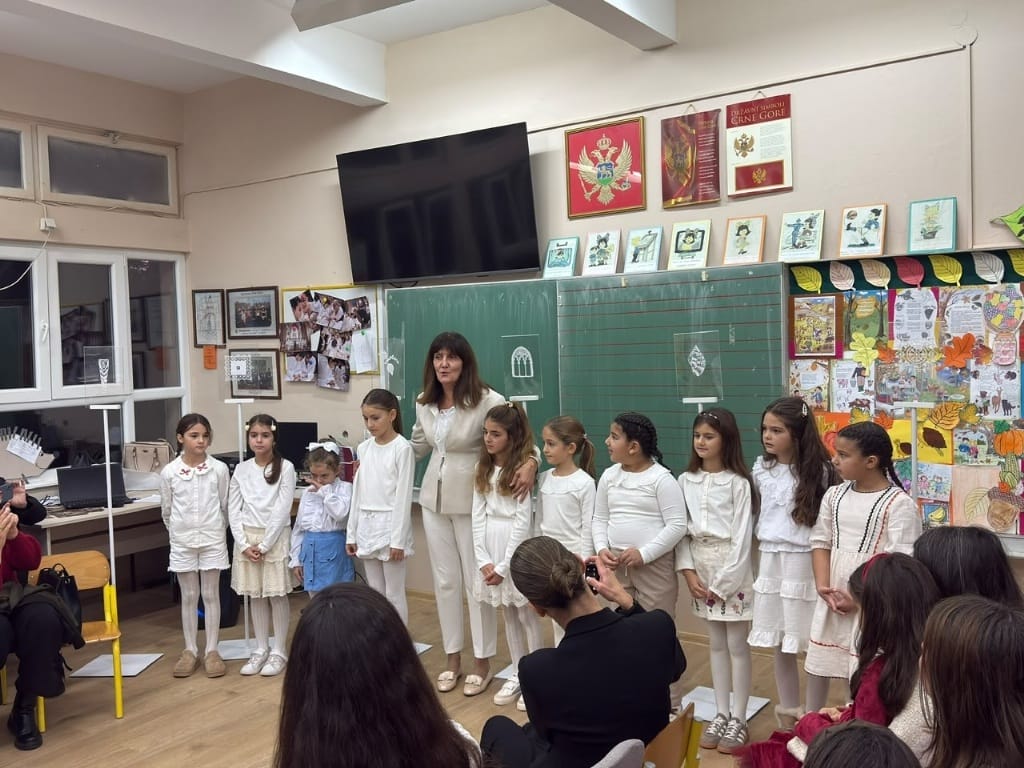
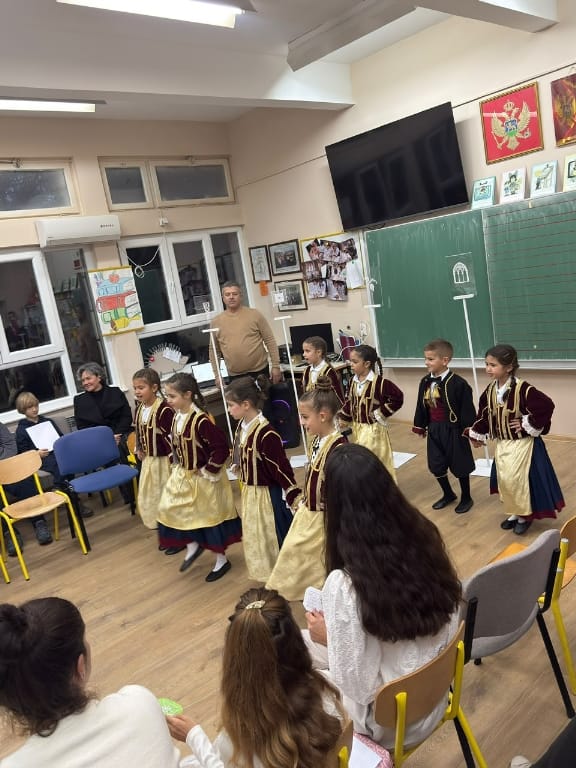
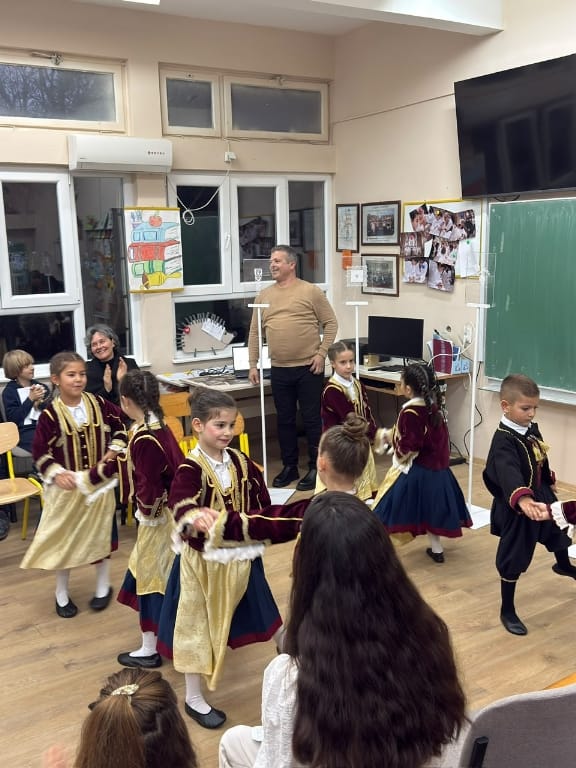
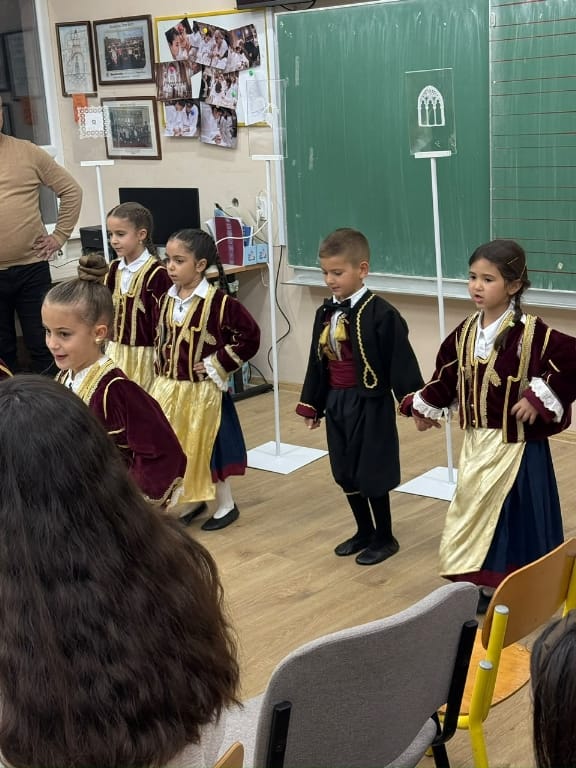
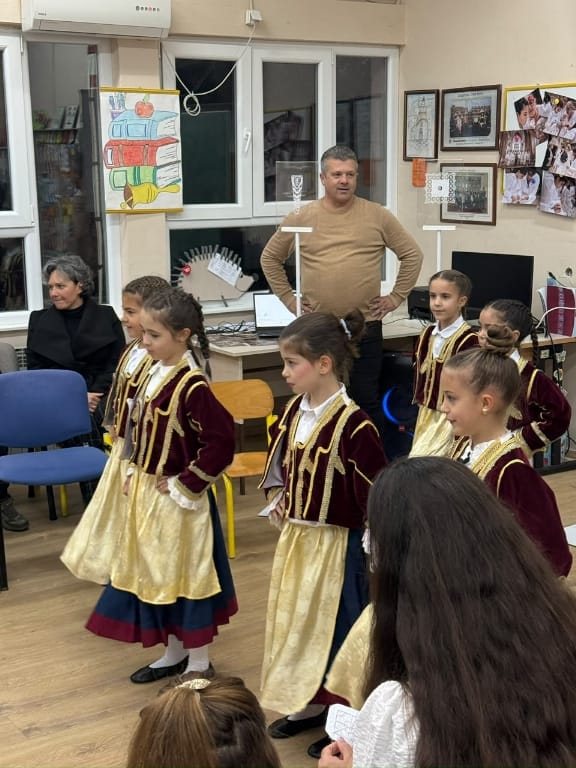
The programme opened with a performance by the youngest members of the “Nikola Đurković” Folklore Ensemble from Kotor, who performed several folk dances, with the emphasis on the Boka kolo.
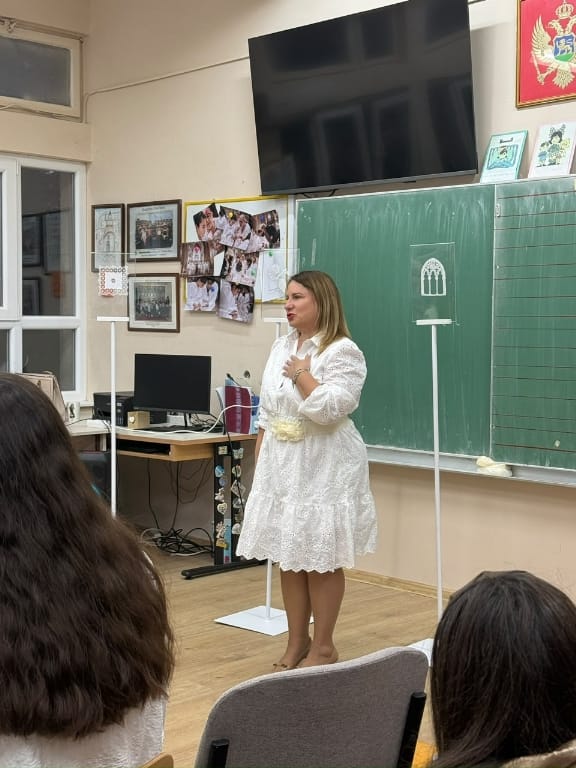
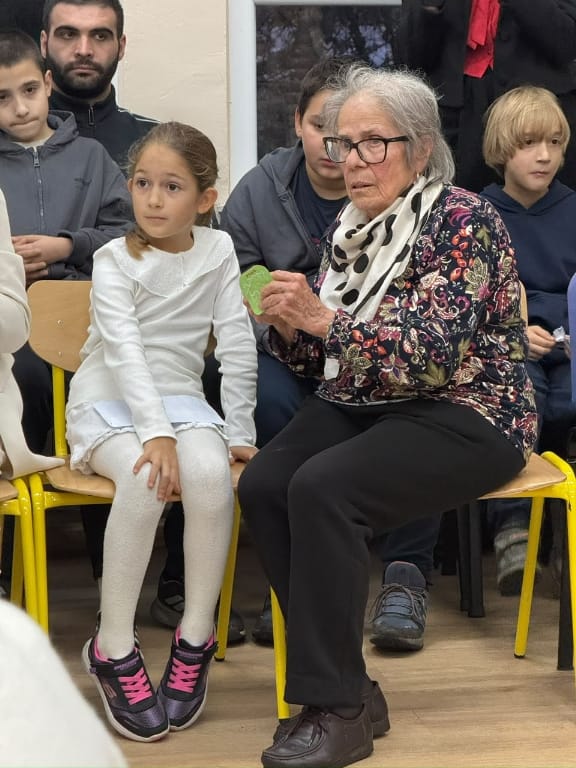
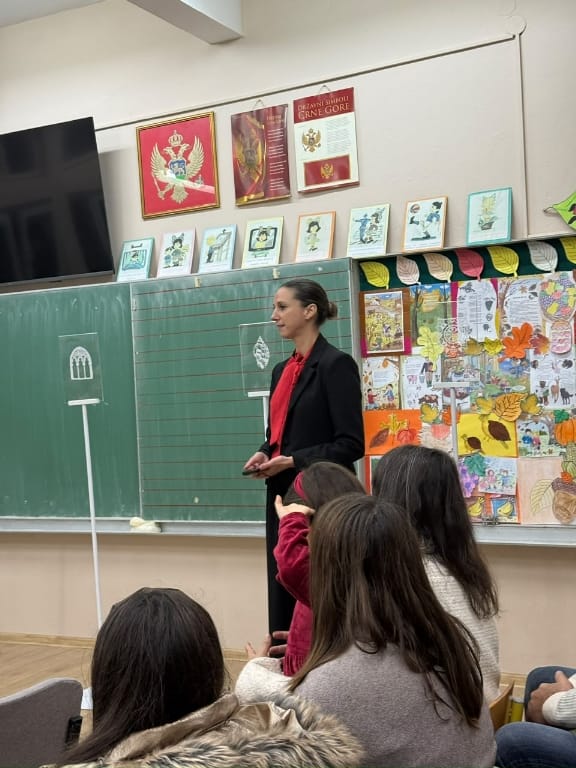
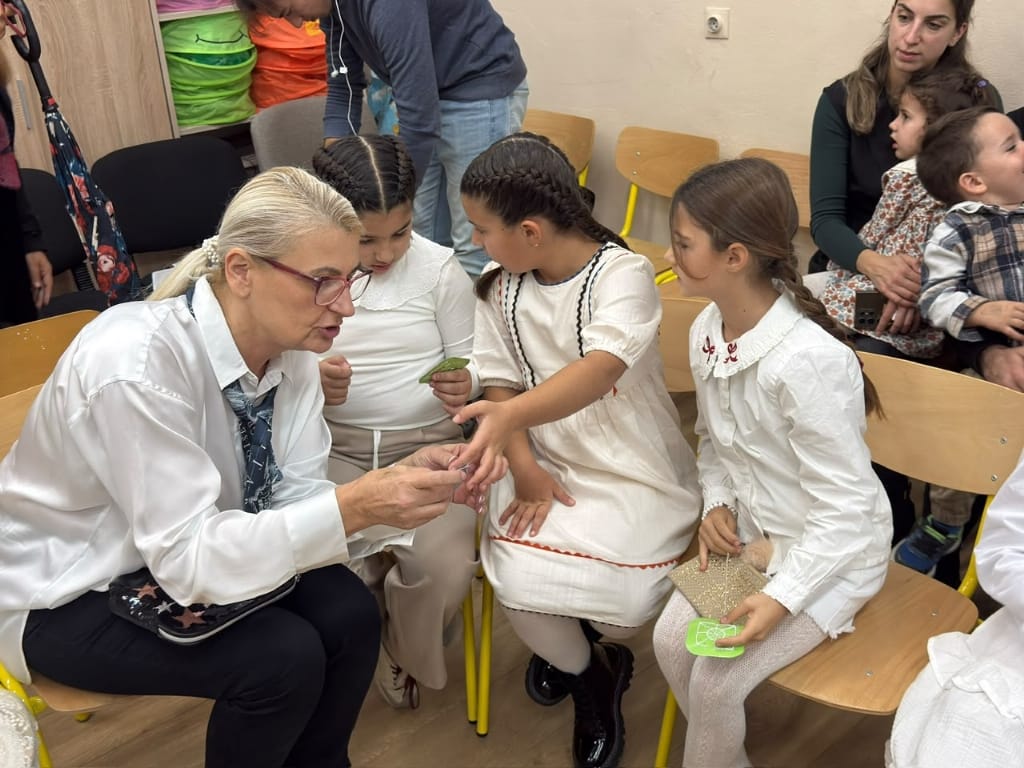
The programme was also attended by Nadežda Nada Radović, a teacher by profession and the craft's oldest keeper and instructor, and the exhibition was formally opened by the school's acting head teacher, Zorana Cuca, who welcomed those present and stressed the importance of nurturing tradition and passing cultural heritage on to younger generations.
“Dobrota lace and the Boka kolo are part of a tradition that we have kept in our hearts since time immemorial and passed on from hand to hand. I am proud of the mums and girls who are learning and making lace, and of our wonderful cooperation with Kotor Museums, which is helping to preserve our tradition,” Cuca said.
Those present were also addressed by the director of Kotor Museums, Dr Dušica Ivetić, who spoke about the history and tradition of Dobrota lace as one of the distinctive symbols of the cultural heritage of the Bay of Kotor.
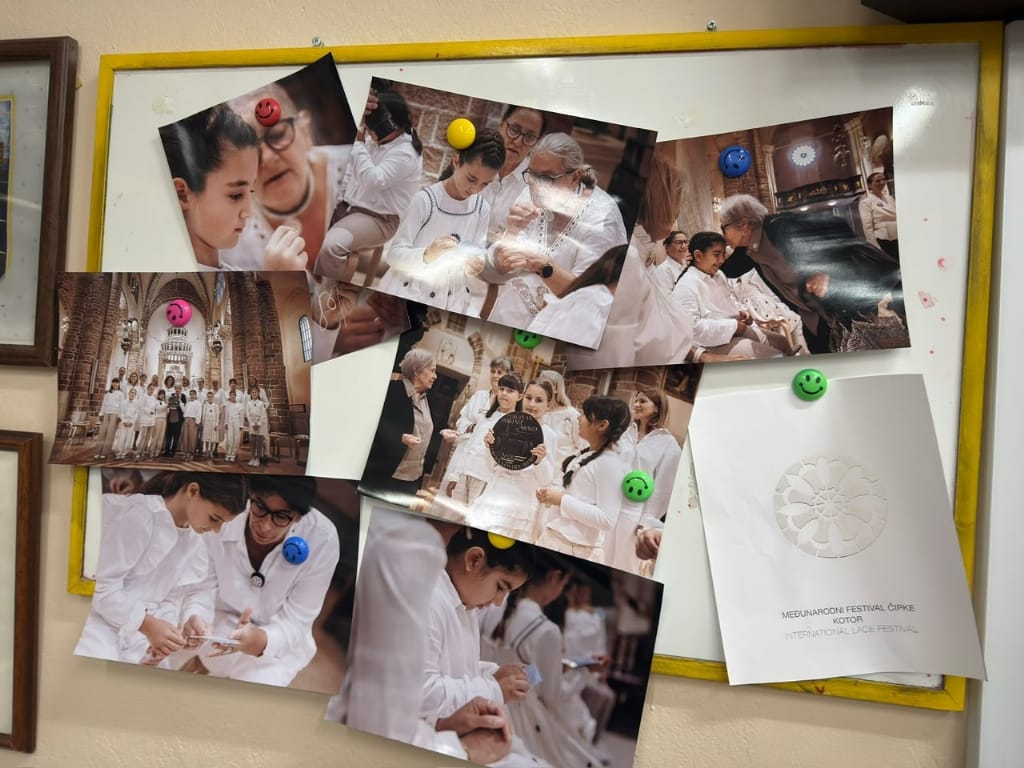
“Dobrota lace, which appeared in the 15th century as part of a wider Mediterranean tradition and reached Dobrota via Venice and Croatia, has for centuries been preserved and enriched with the local stamp of the women who passed it on. More than 60 women have been through the workshops in recent years, and it is particularly significant that this year we have also been joined by girls, and that training has been launched within a school for the first time. It is precisely through work like this that we contribute to the sustainability and transmission of Dobrota lace, and that is the very essence of any intangible skill,” Ivetić stressed.
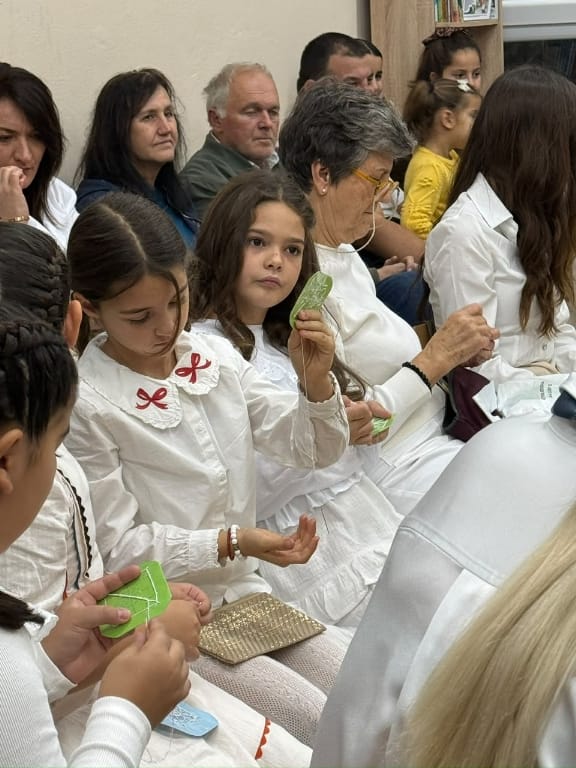
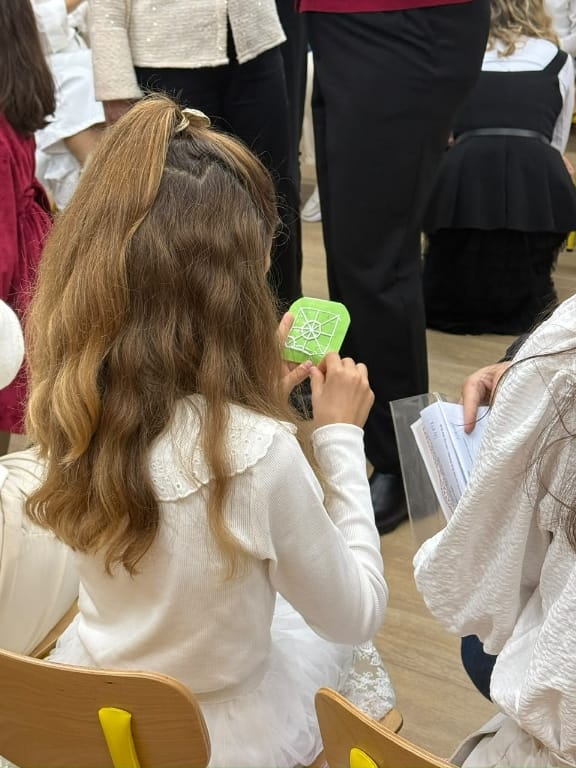
A special part of the programme was dedicated to the youngest keepers of the tradition – schoolgirls who, with the support of their mothers, are learning the craft of making Dobrota lace and in this way helping to preserve this valuable skill.
They introduced themselves to those present with a text prepared for the occasion, in which they highlighted the importance of the threads that connect the past and the future, as well as the generations who together preserve the heritage of their ancestors.
“Welcome to our exhibition and workshop. Today we want to tell you the story of a special treasure of our region, Dobrota lace,” said pupil Dejana Ivetić.
“Needle lace is a special decoration made with a needle and thread. Making it takes a lot of patience and dexterity, so it was once as valuable as the most beautiful jewellery,” added Una Jevremović.
“This craft set out from Italy long ago, travelled via coastal towns and islands and reached us here in the Bay of Kotor,” said Isidora Darmanović.
“Here, hard-working women preserved it for centuries, passed it down from generation to generation and created our Dobrota lace,” said Anja Pejović.
“Making lace takes a lot of pacijenca. Pacijenca means patience, which is why Kotor Museums gave that name to the project to revive this craft. The ‘Pacijenca’ project won the prestigious European EUROPA NOSTRA award for the preservation of cultural heritage,” explained Helena Batinić.
“It is called Dobrota lace after Dobrota. It is a beautiful coastal settlement near Kotor. Dobrota was home to famous captains and seafarers who sailed all over the world,” added Lana Ilić.
“Long ago, the women there made this kind of lace more beautifully than anyone. They preserved the skill for centuries and passed it on to their daughters and granddaughters, which is how the lace came to be named after their home,” said Tara Krstičević.
“This tradition was kept alive by Mrs Nada Radović. She is a retired teacher and a keeper of the tradition of making Dobrota lace,” were the words spoken by Doris Kordić.
“She generously passes on her rich skill to new generations as well. Thanks to her, this rare craft is still alive today,” added Anja Furtula.
“Every thread in this lace tells of the past, but also of us today. Thank you for coming so that we can create and preserve our pacijenca together. Enjoy the work of our hard-working hands. The exhibition is open!” – Tijana Magud said in conclusion.
At the end of the official part of the programme, those present were addressed by teacher Slobodanka Mrvaljević MA.
“I have the great honour of teaching these wonderful girls; they are my pupils, so today they are the main speakers. They are my thought, my word, my great pride,” said Mrvaljević.
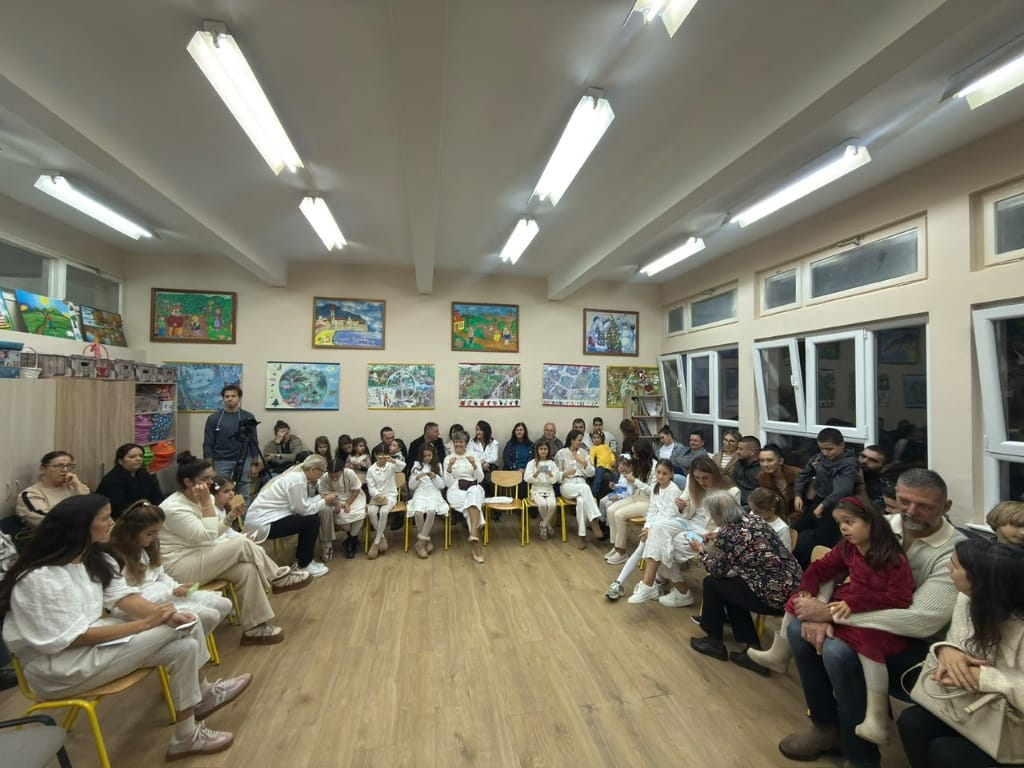
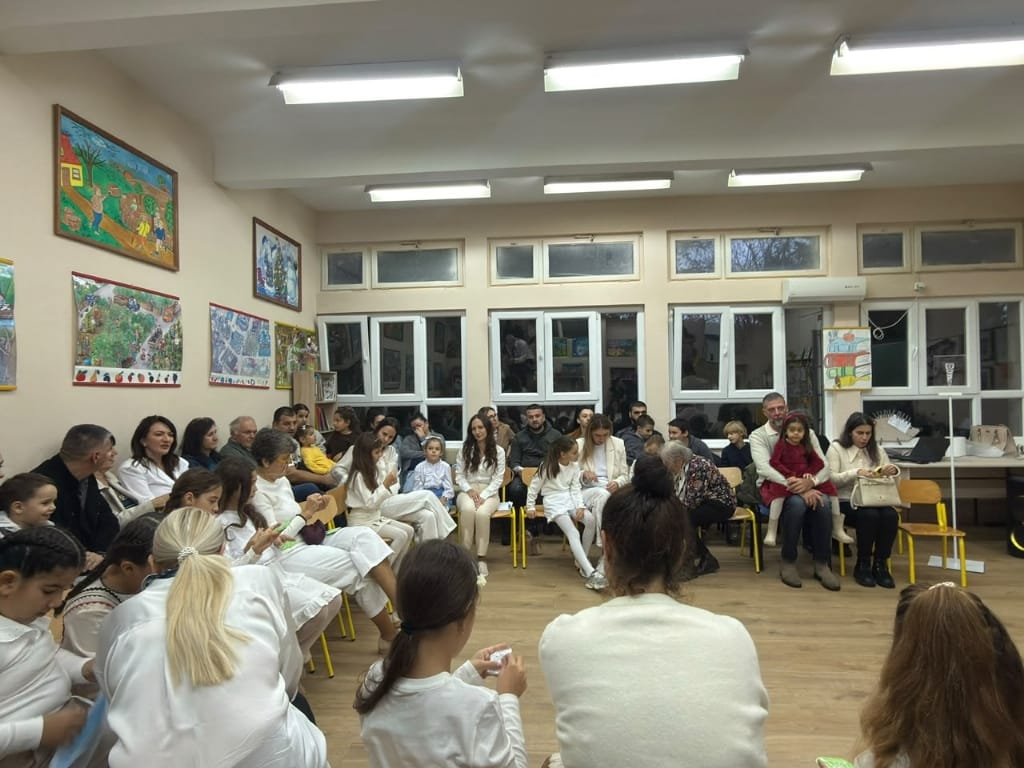
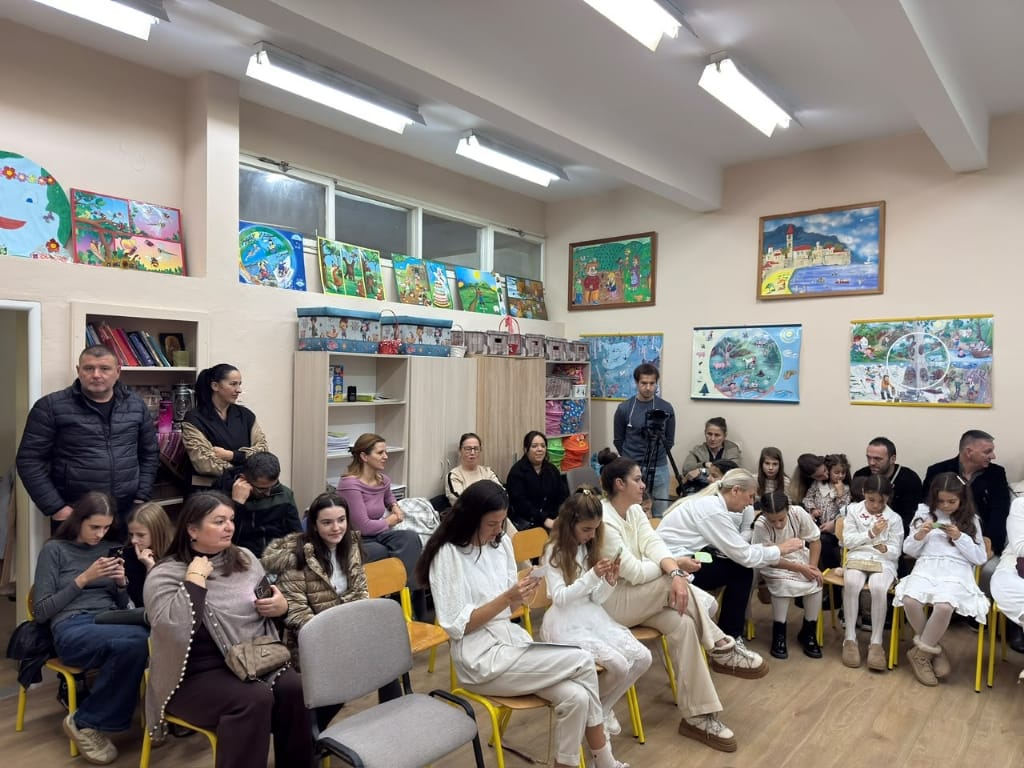
The official part of the programme was followed by a tour of the exhibition, during which visitors had the opportunity to see the works on display and also to watch Dobrota lace being made.
The gathering continued over refreshments, rounding off an event dedicated to preserving tradition, togetherness and passing on a valuable cultural heritage to younger generations.