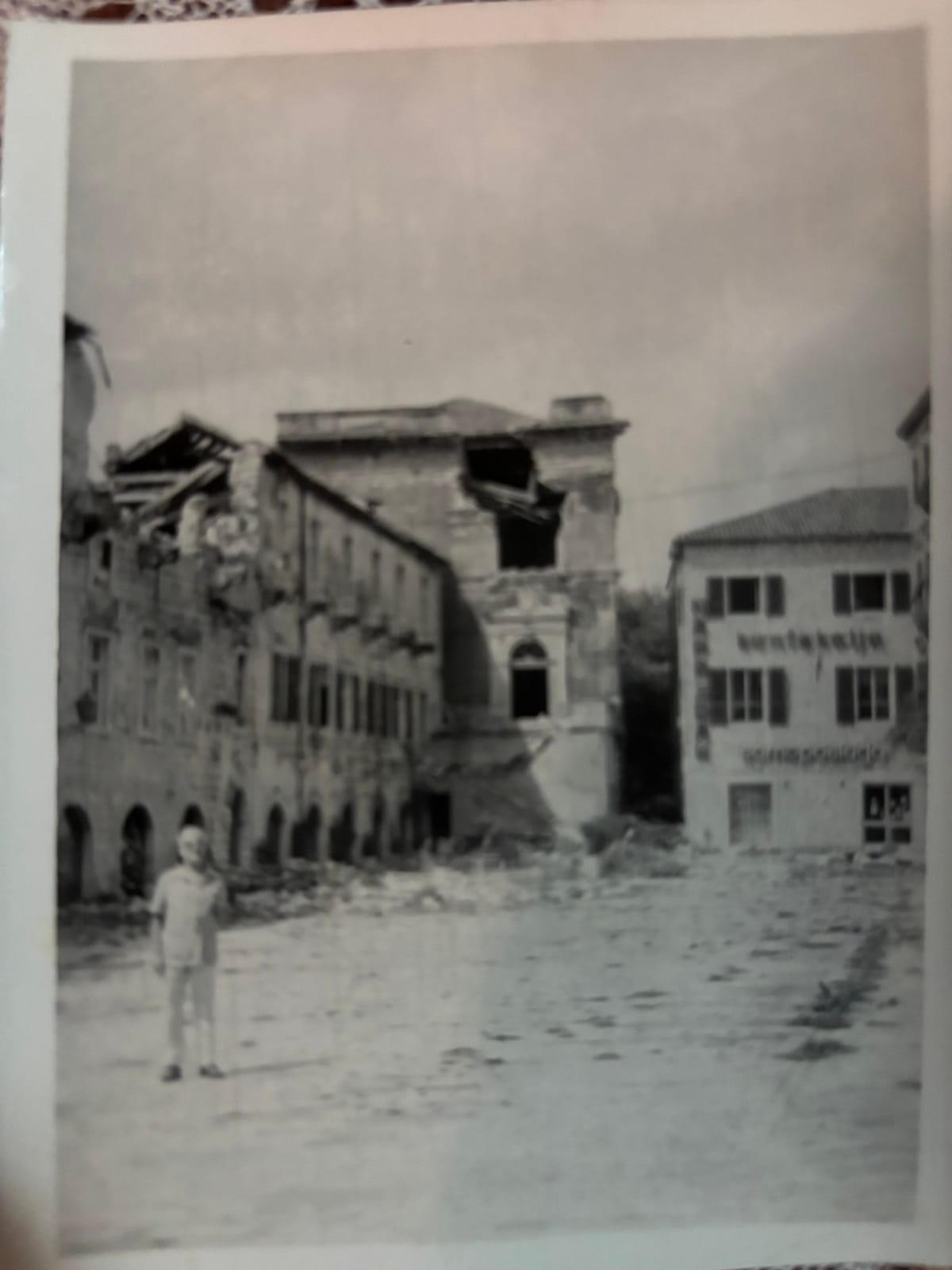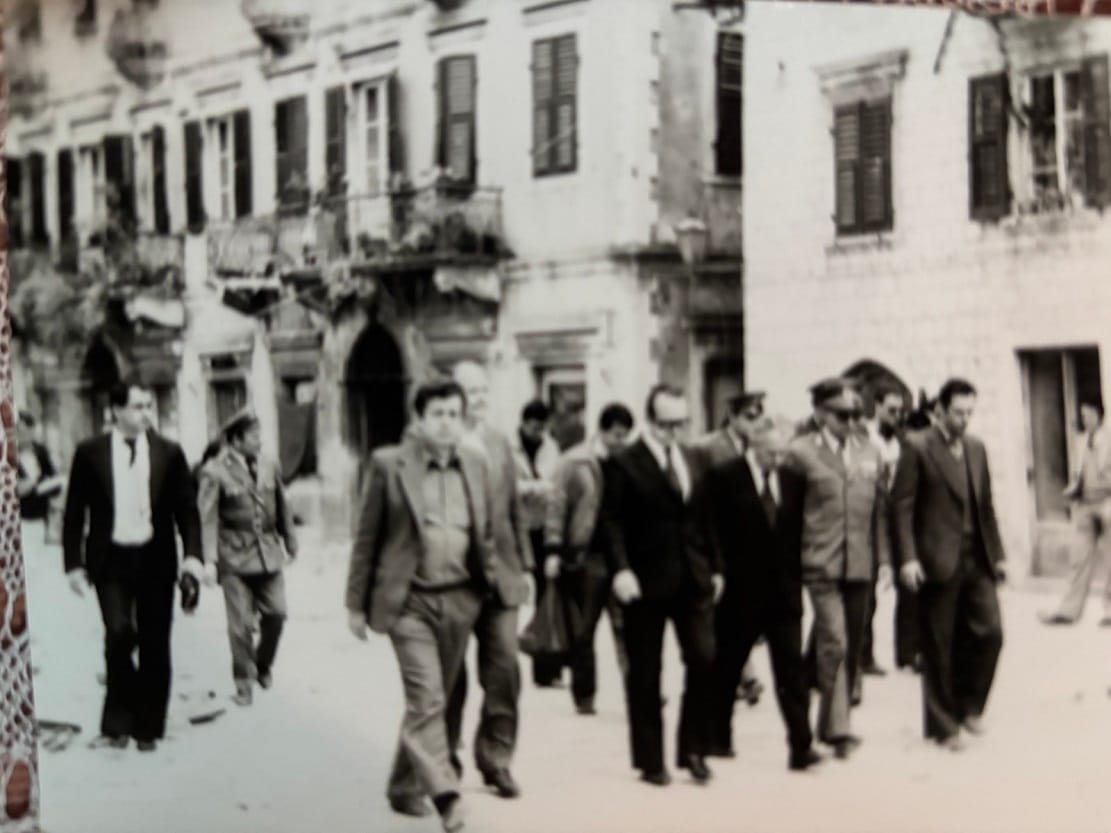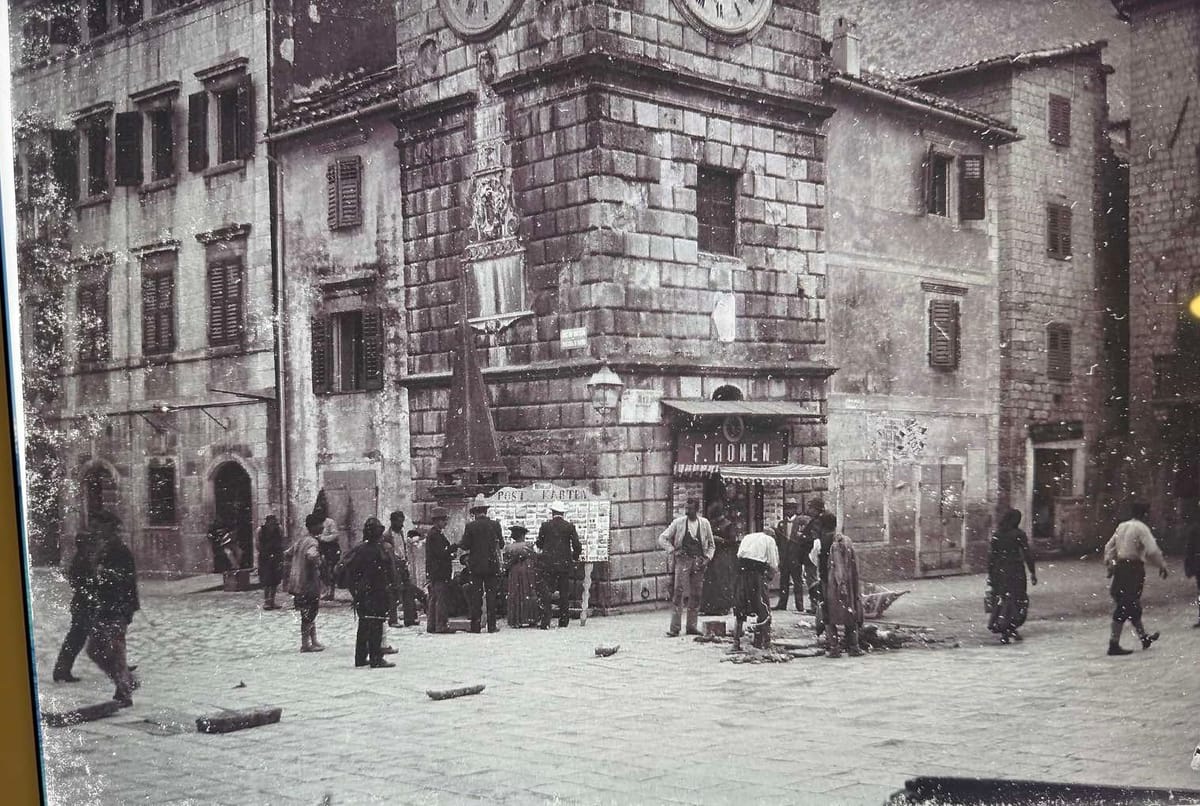
From then until today UNESCO has often been mentioned in Kotor and beyond, because the ambitions of investors from various quarters have often been at odds with the norms that must be respected to preserve World Heritage status. Only recently, too, there were initiatives from high up in the Government of Montenegro for a referendum on Kotor's status on the UNESCO list, but the experts, presumably, managed to defend the position of a town that has good reason to stay there. After all, how much the decision to put Kotor on the World Heritage List spurred an expert, high-quality restoration is shown by the fact that as early as 1980 the Municipal Institute for the Protection of Monuments was founded, which in 1992 was transformed into the Regional Institute for the Protection of Monuments (Kotor, Herceg Novi and Tivat). But in the series of relocations of public institutions from Kotor in 2011, that institute was moved out of Kotor, where there is now only a department, and the training of stone carvers and stonecutters came to an end.
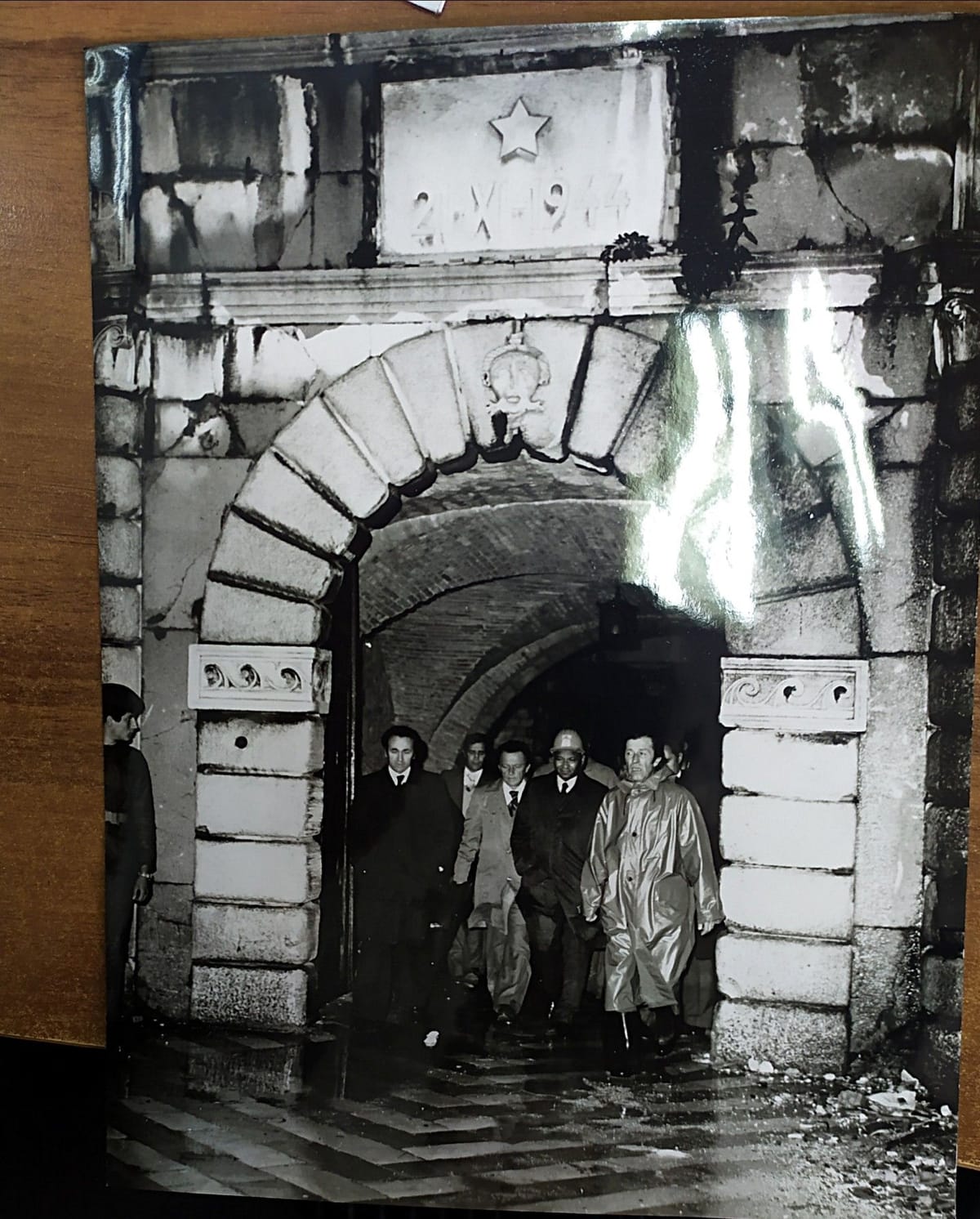
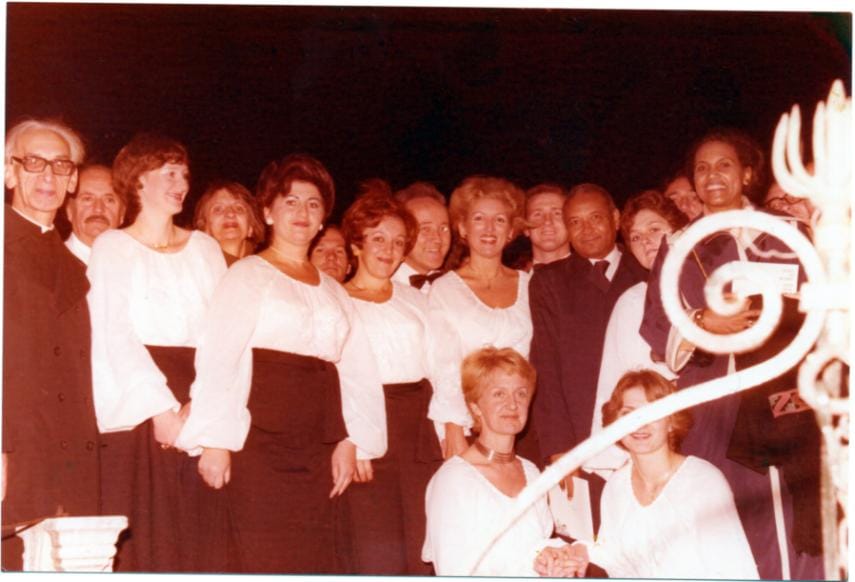
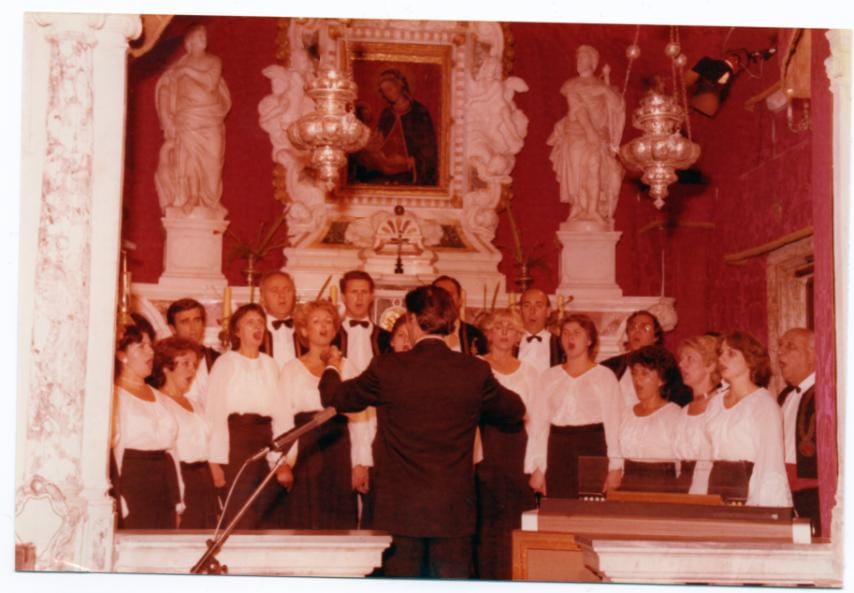
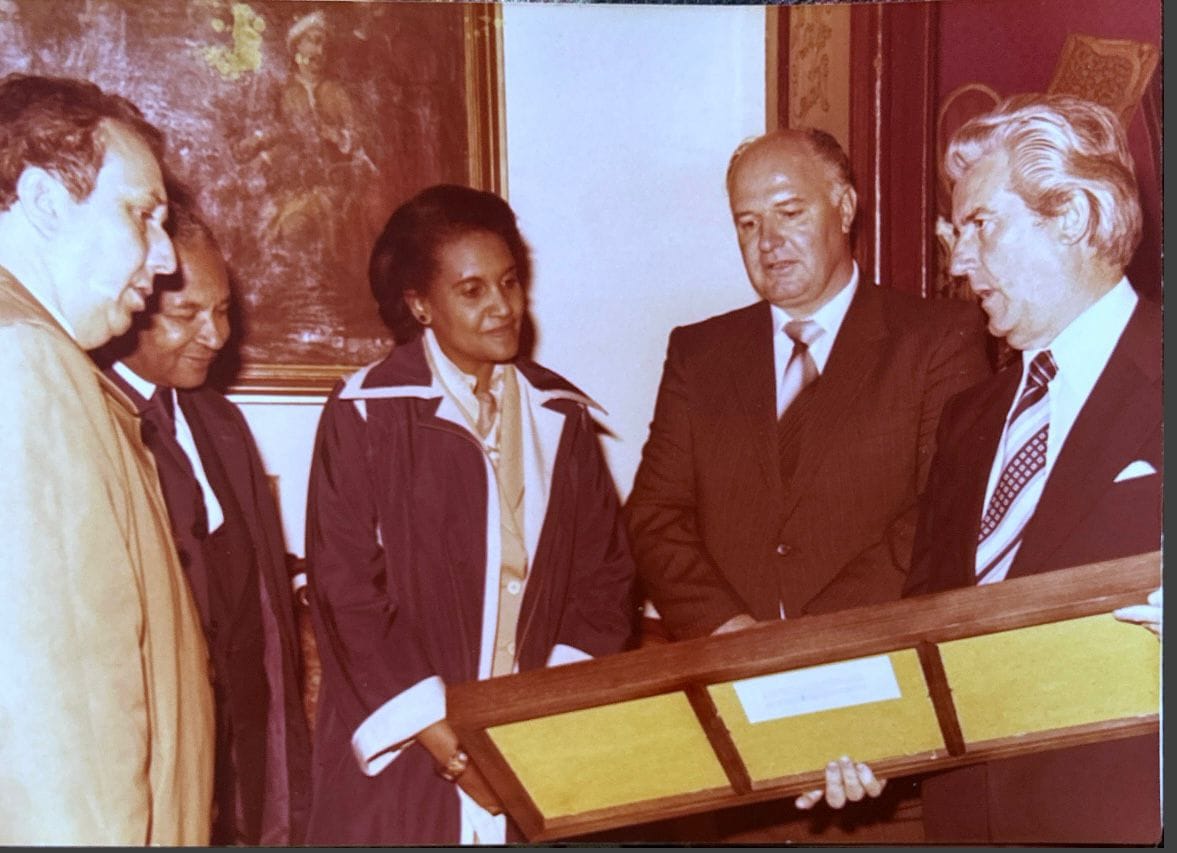
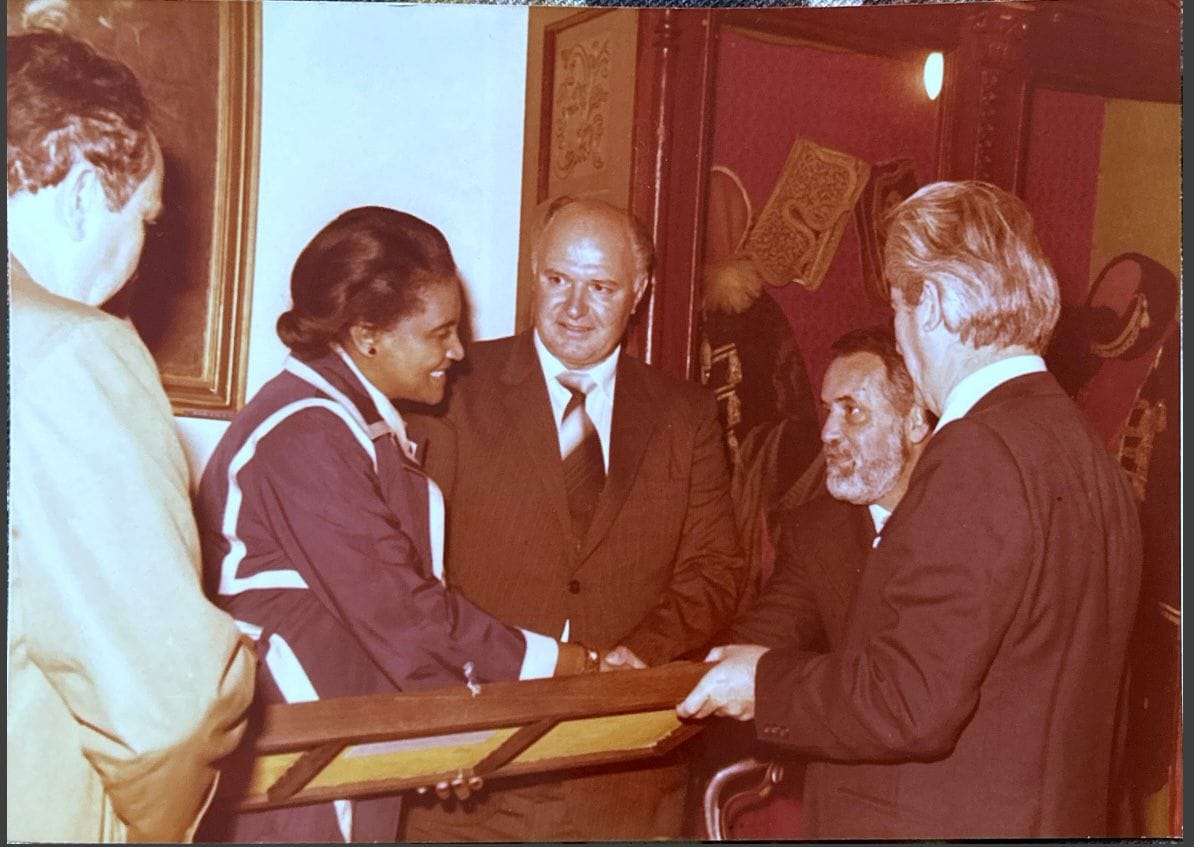
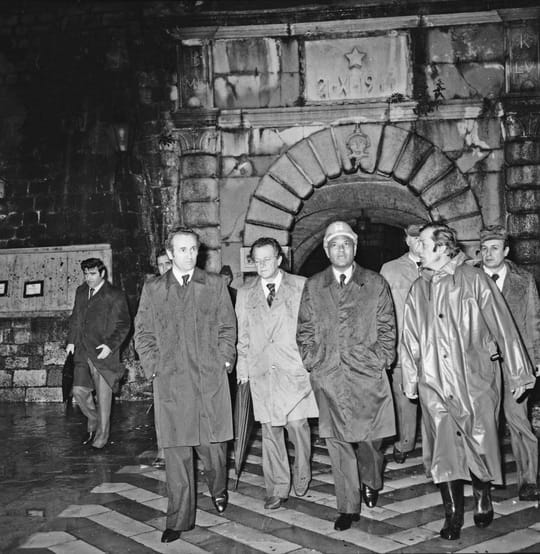
Recalling the efforts to prepare Kotor's launch onto the List, it is worth remembering that as early as 26 April 1979, just 11 days after the quake, the then Director-General of UNESCO, Amadou-Mahtar M'Bow, arrived in our town with his associates and officials from Montenegro, although senior officials of the then Yugoslavia and the Republic of Montenegro had been touring the stricken area since the first hours after the quake. During his tour of the deserted town that rainy afternoon, M'Bow, with expert explanations from Jovan Martinović, visited all the most important churches and other buildings within the town walls and gave a statement to the media in which he signalled UNESCO's support for a competent, high-quality preparation of the restoration. During his stay among us, M'Bow visited Prčanj, where a reception was held for him, and in Perast, after a rest with tea and Perast cake at the Perast Town Museum, he attended a concert in his honour on the island of Our Lady of the Rocks. We remember the joint performance of the Kotor klapa groups Bisernice Boke and Bokelji under the baton of Nikša Čučić. That visit by UNESCO's Director-General and the contact with our experts and officials were certainly very important for the further procedure, and Kotor quickly made it onto the World Heritage List.
As Montenegro prepares to join the EU, Kotor's status on the UNESCO list is a quality which confirms that this town, like the area of its wider surroundings, stepped long ago, in this way too, into the Europe towards which the whole country is now hurrying.