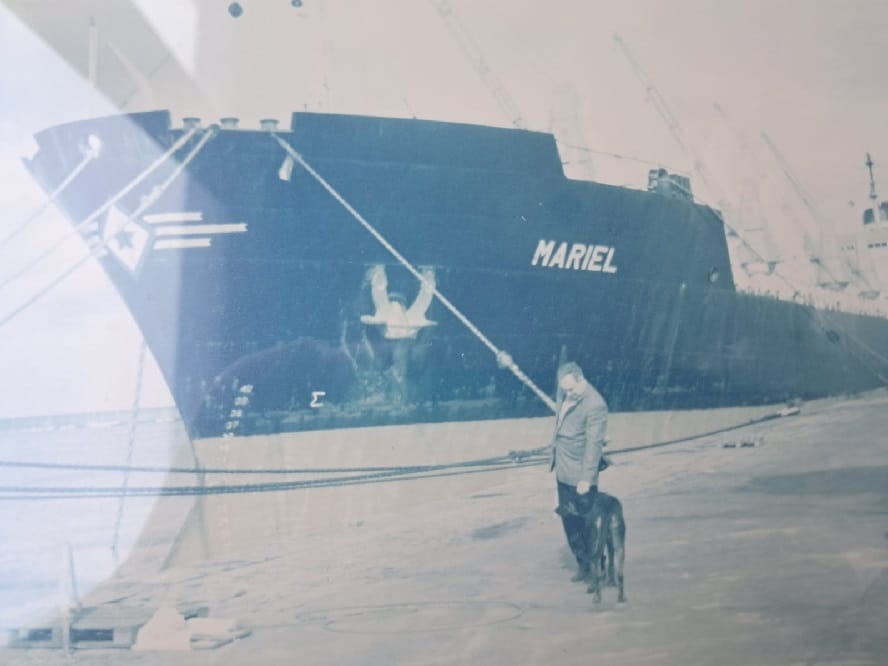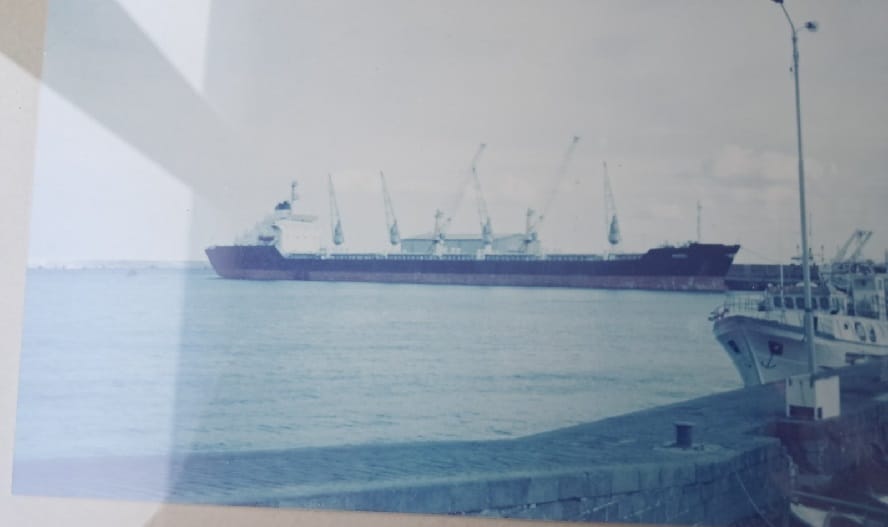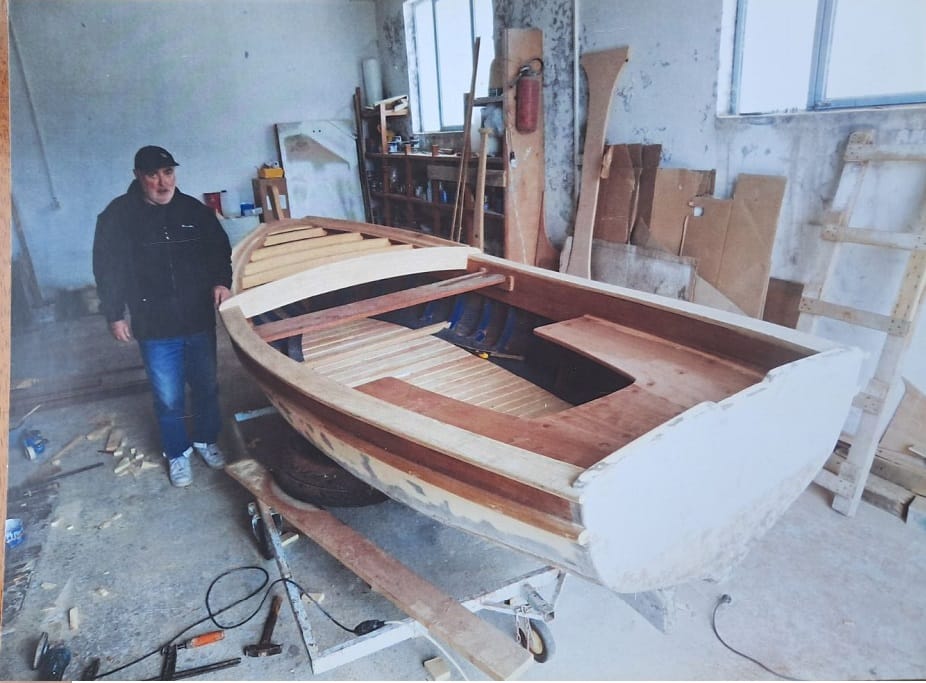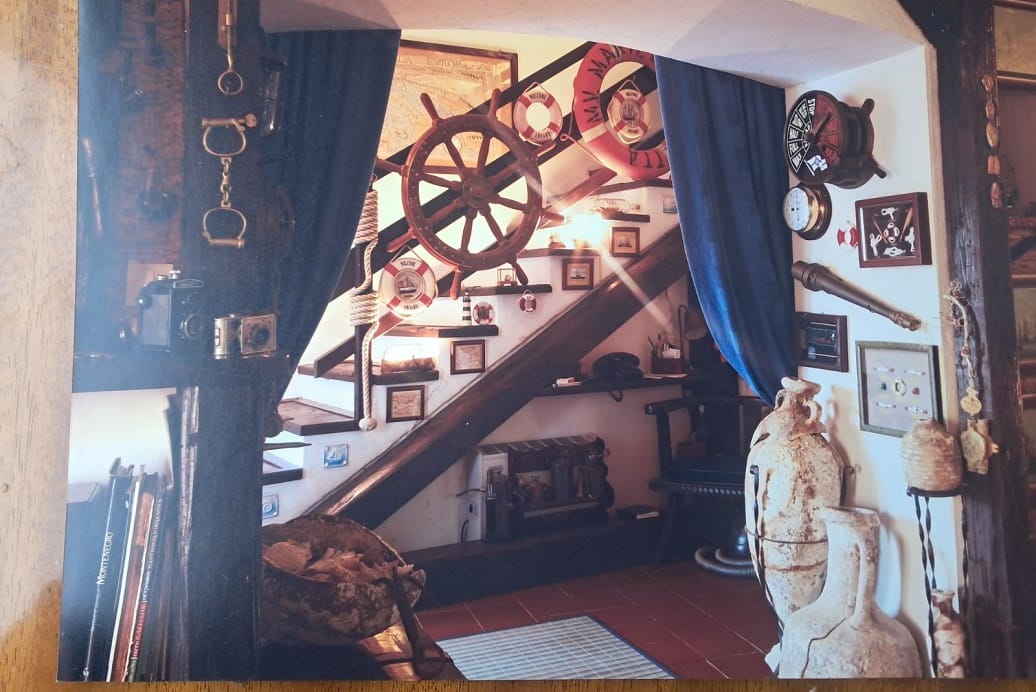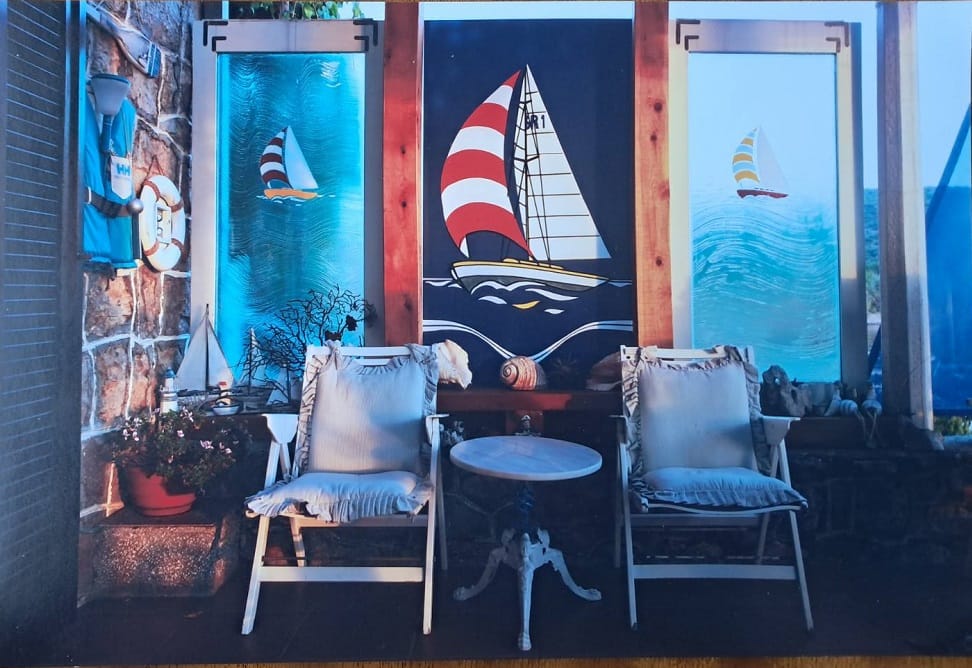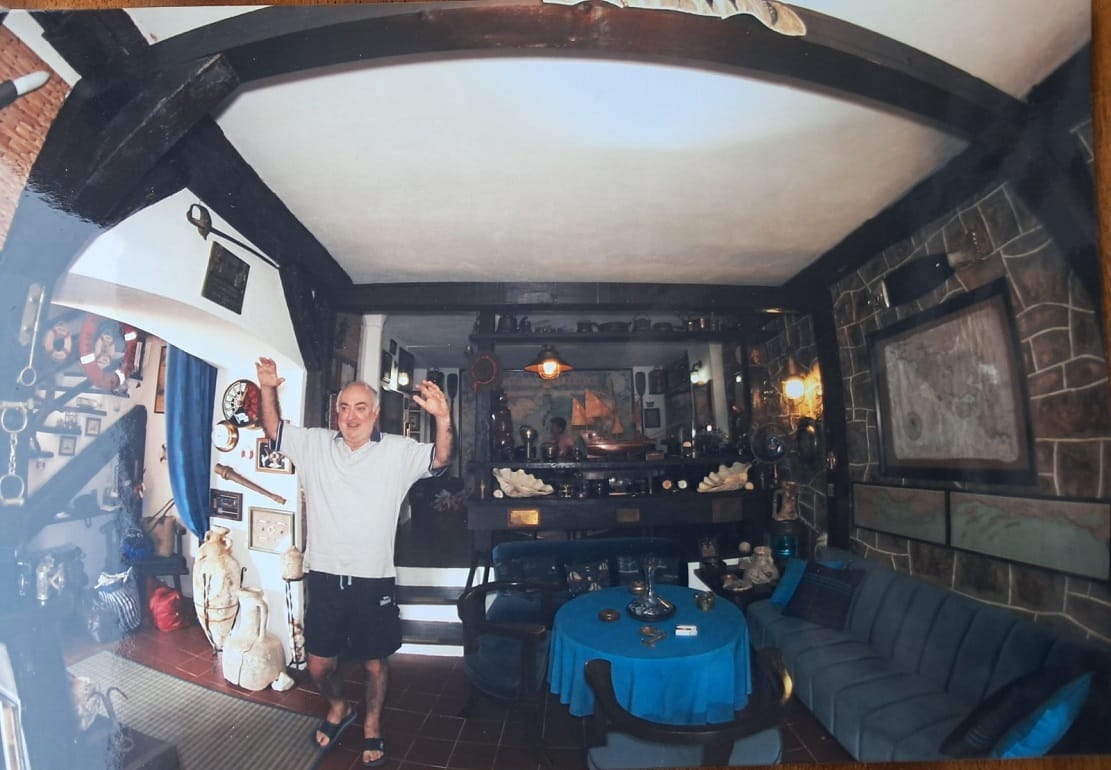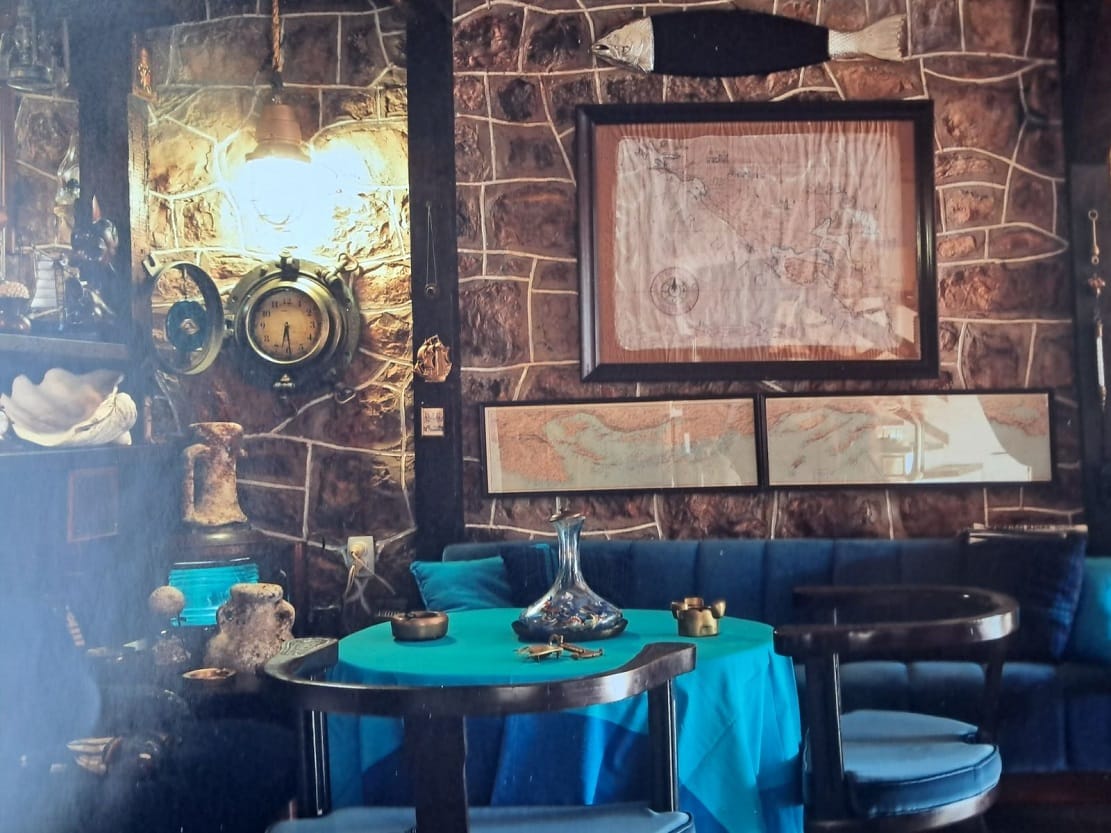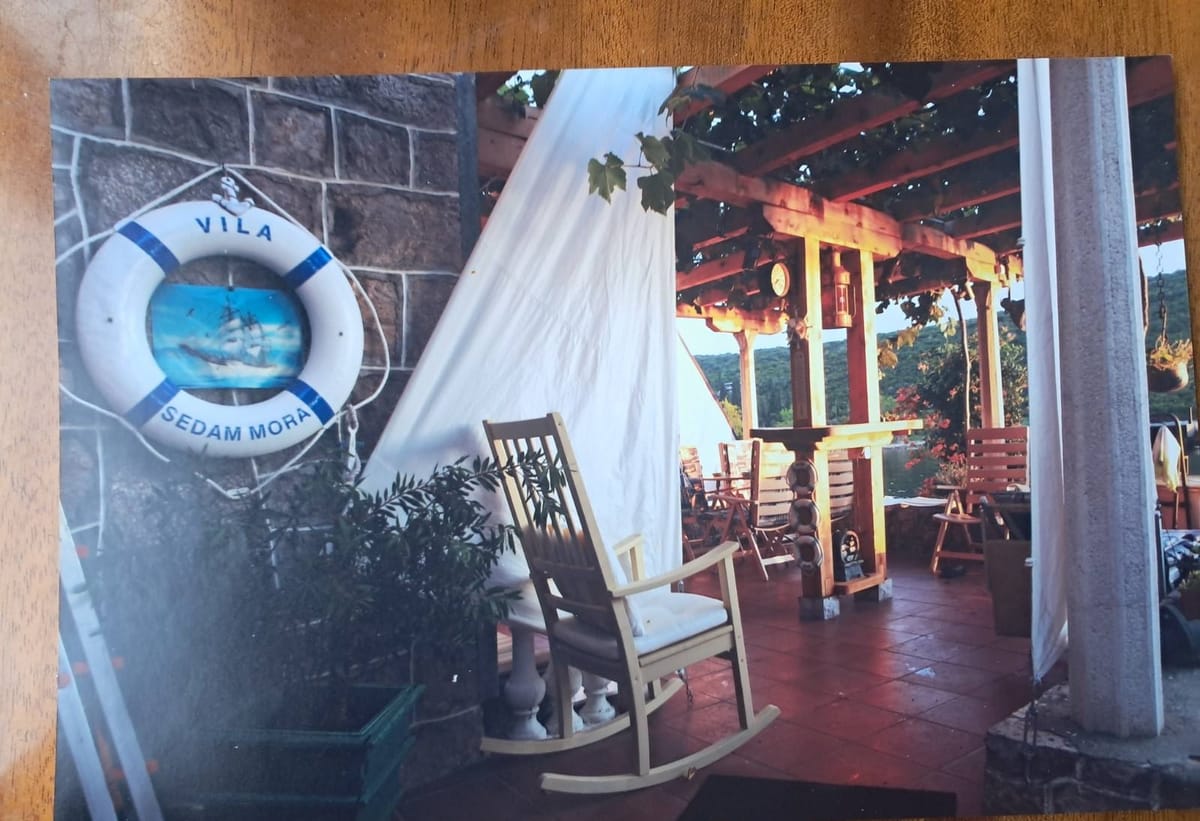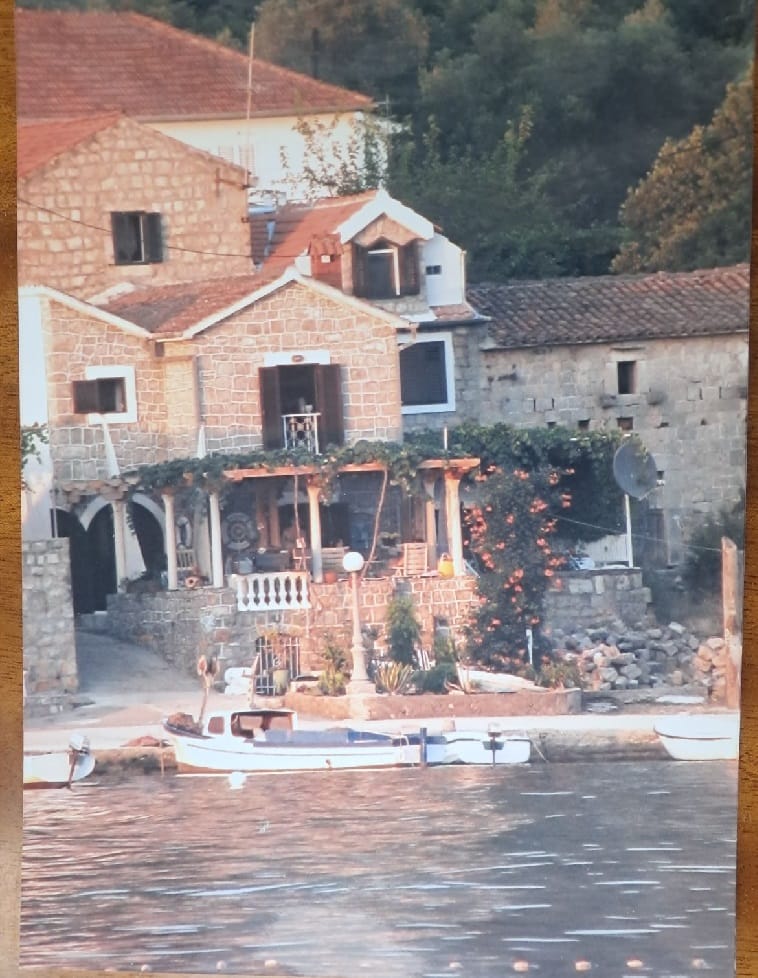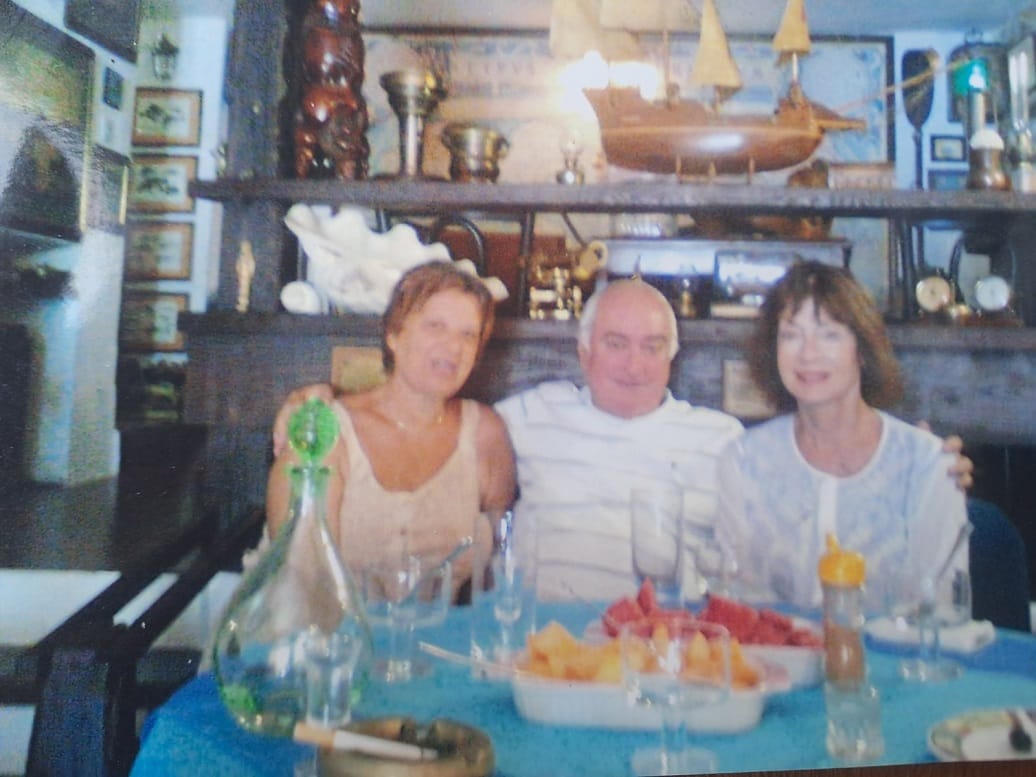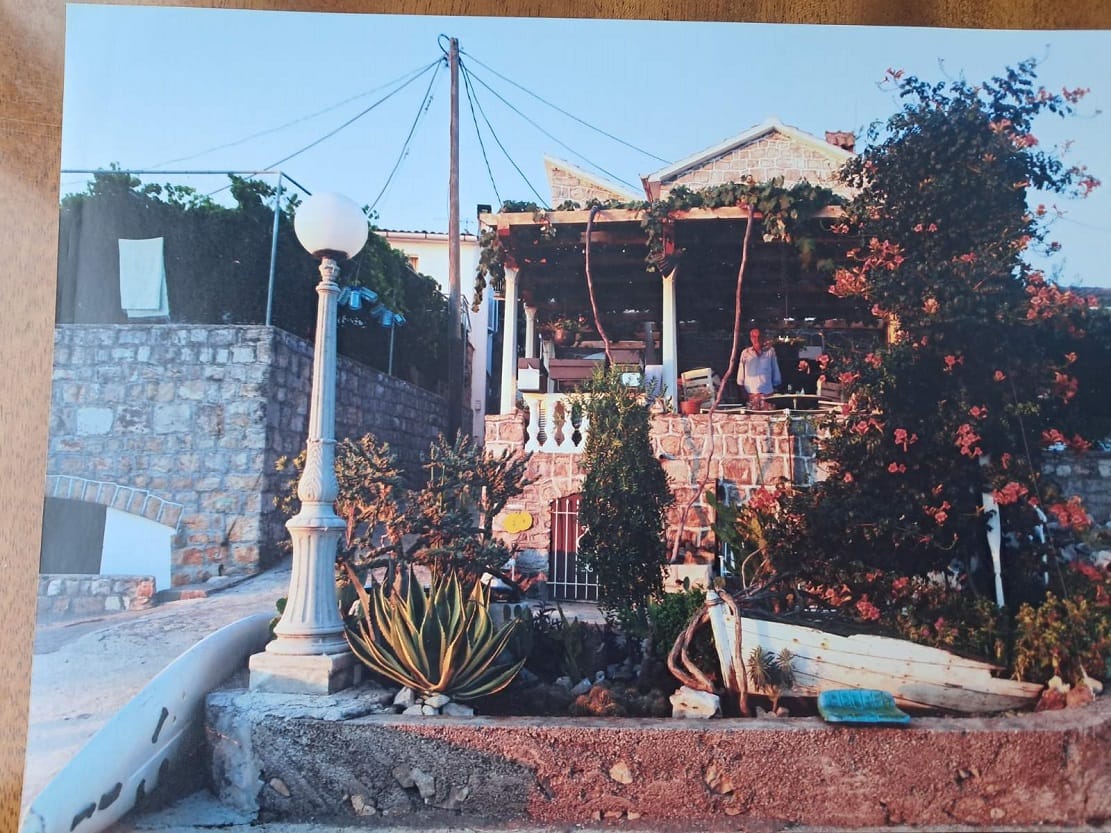
He began work on it as early as 1971, but adapting the old house took a long time. Work would start, and then, whenever Milan went back to sea, it would stop for months. So the restoration went on for years, but Chief Milan reached the goal he had set himself. The house is practical, yet everything in it is given over to the seafaring calling. So much of it is reminiscent of a ship, and it is dominated by objects that are mementoes of his voyages, so that it is now a small maritime museum in Bigova. When they hear about the house-museum, many passers-by come to visit. Numerous artists, public figures, Princess Jelisaveta Karađorđević and many friends have visited Milan and his life's work. Milan Radulović spends most of the year in Bigova, in the small house he named SEVEN SEAS, and the rest in his flat in Podgorica.
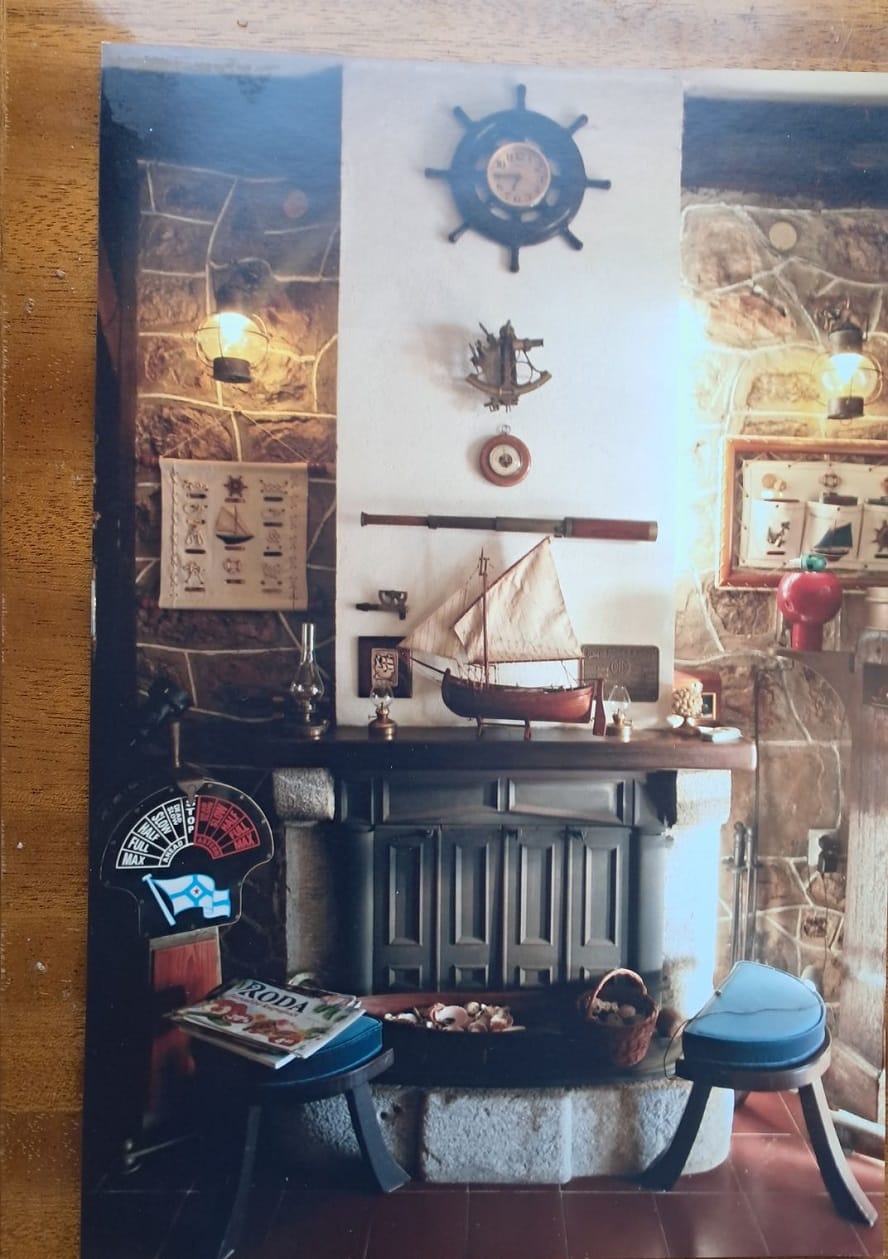
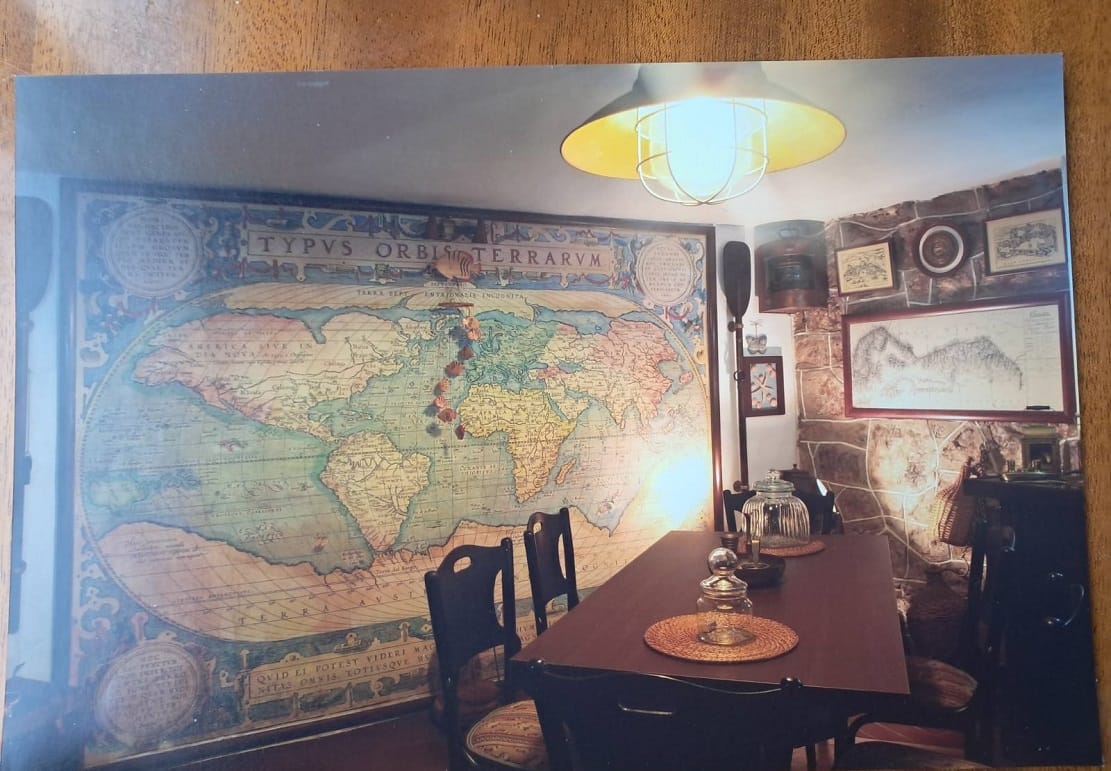
The house, which already from the terrace announces an encounter with memories of voyages, is fitted out with a ship's wheel, a compass, a sextant, a barometer, a ship's bell, nautical charts, a ship's telegraph and clock, a globe, a ship's table, a lantern, a lifebelt, models of sailing ships and steamships, amphorae, shells from the Philippines, a stone from China, black dolls from Africa, straw hats from Asia… And, of course, an icon of St Nicholas, patron saint of seafarers and also the family patron saint of all the native inhabitants of Bigova - all of them Lazarevićs.
And Milan Radulović has long been part of Bigova and a true representative of the sea and of seafarers. That is why he says: “When I'm in the house, summer or winter, surrounded by these objects, the ship's instruments and the souvenirs I brought back from all over the world, I feel as if I'm on board ship again.”
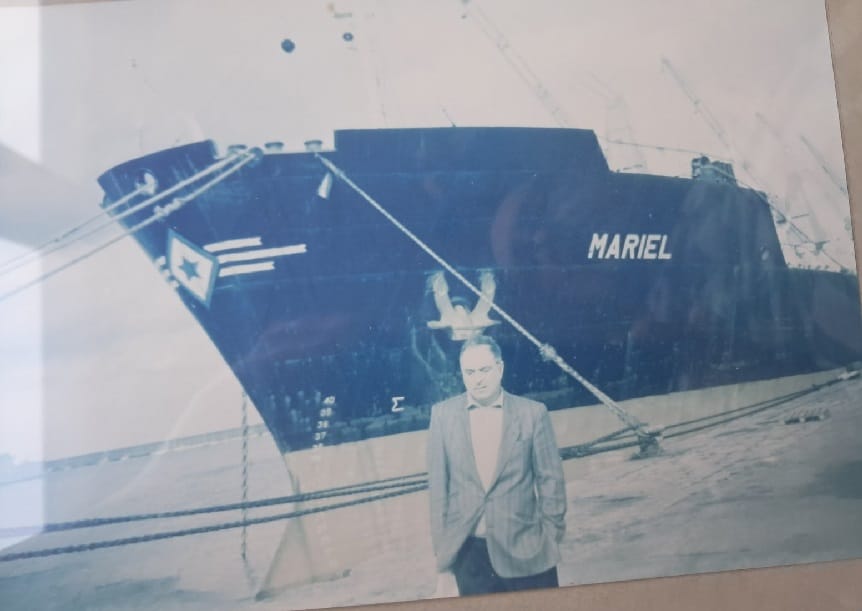
“Memories of the days spent at sea cannot be forgotten, and only the seafaring calling gives you that, the calling that kept me on ships from 1968 to 2000,” says Chief Milan Radulović, proudly enjoying the museum that holds the life of a seafarer who dropped anchor in Bigova.