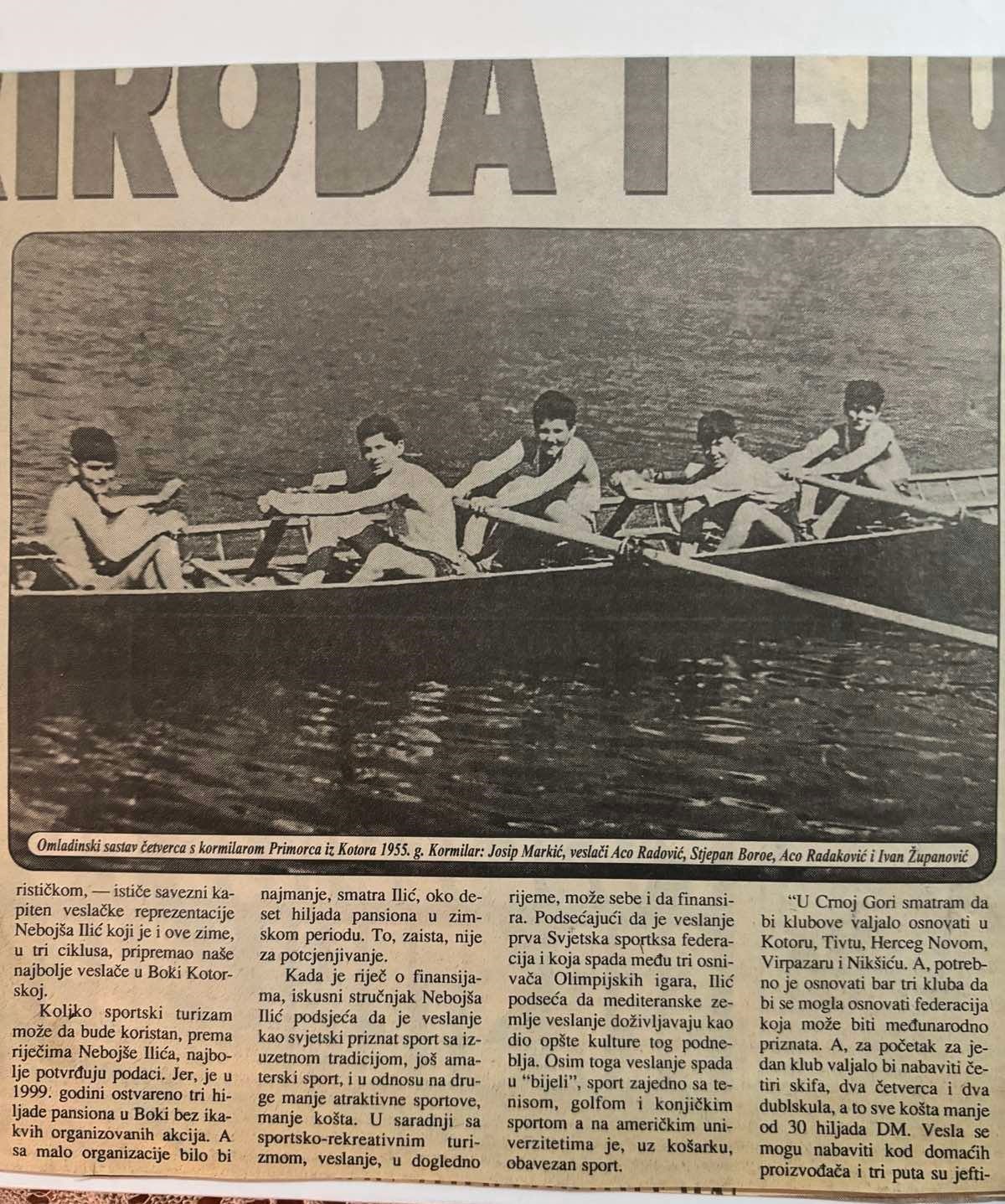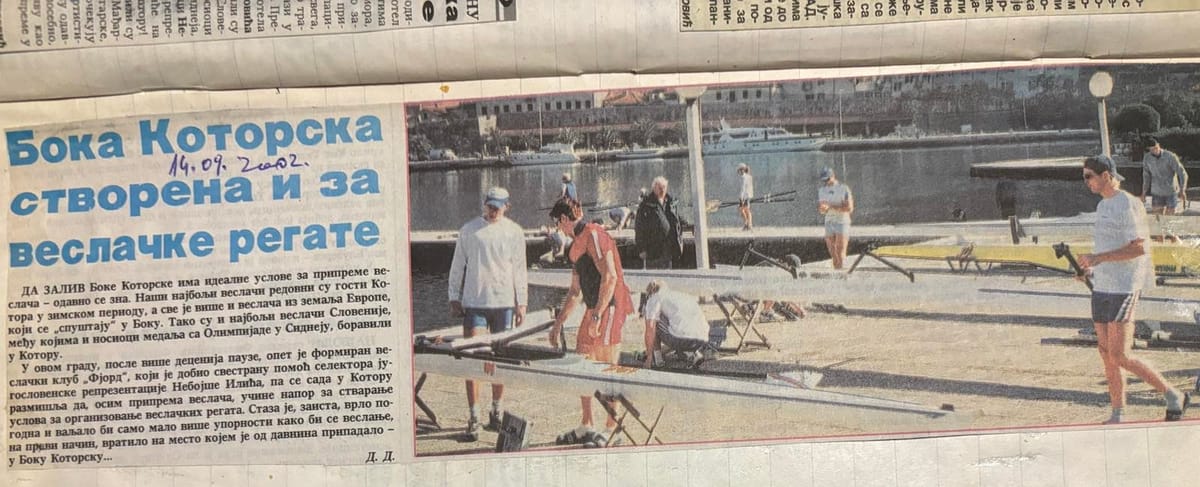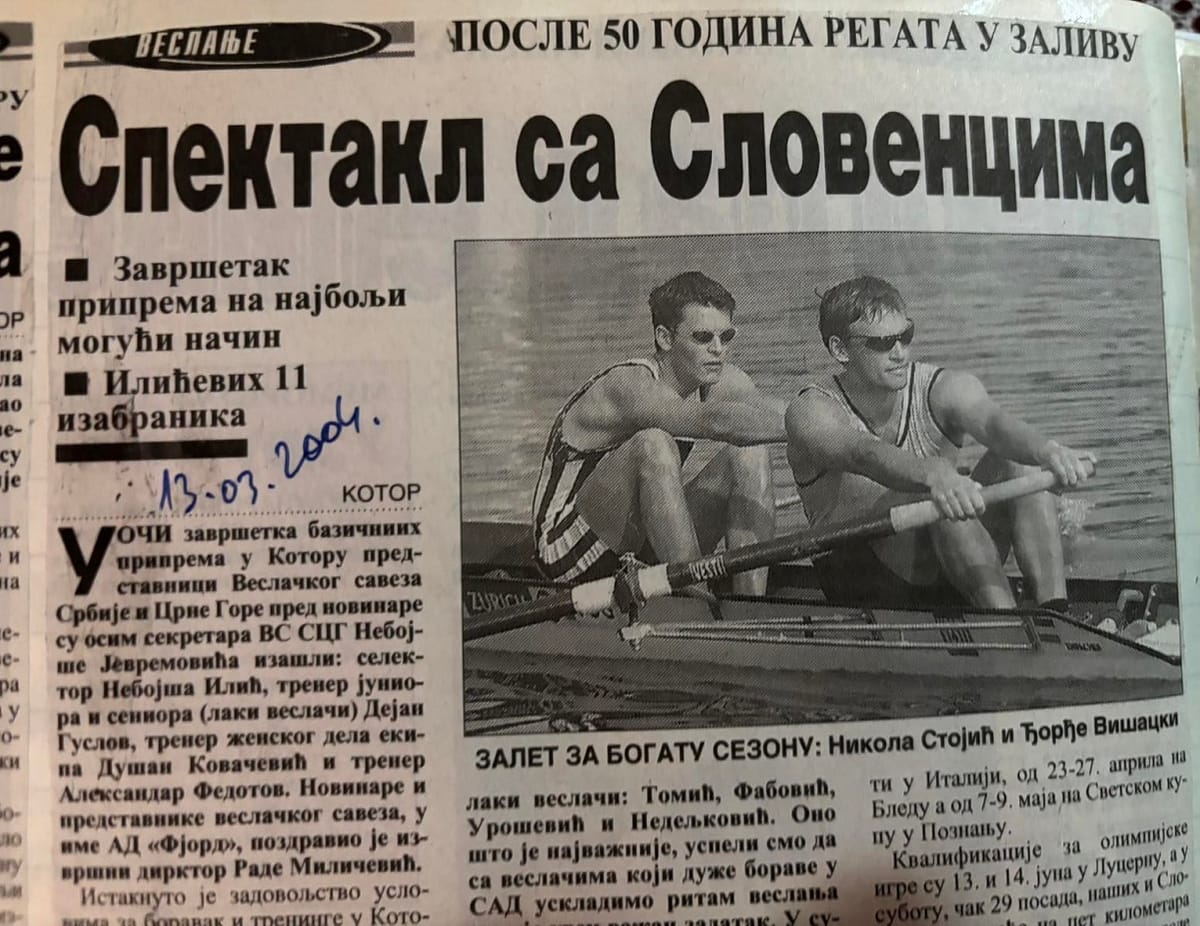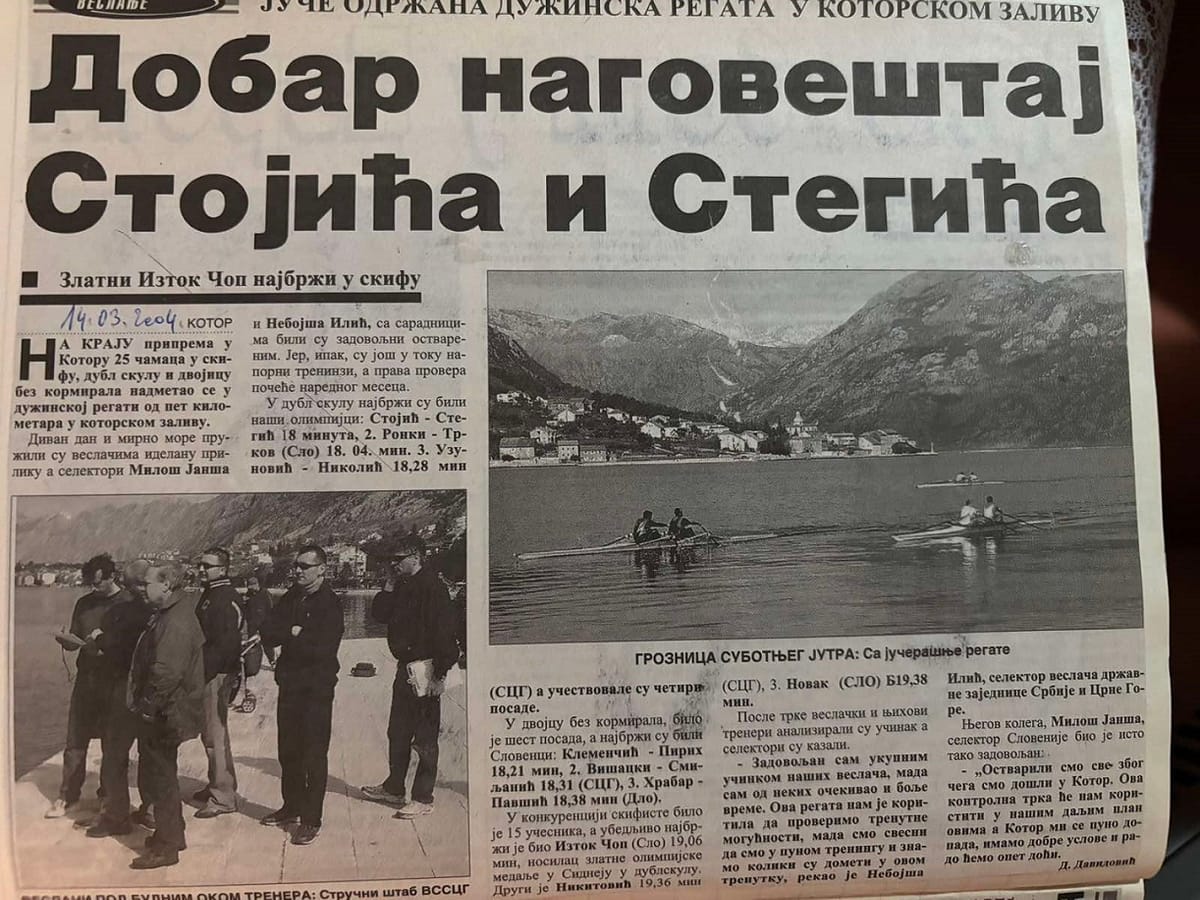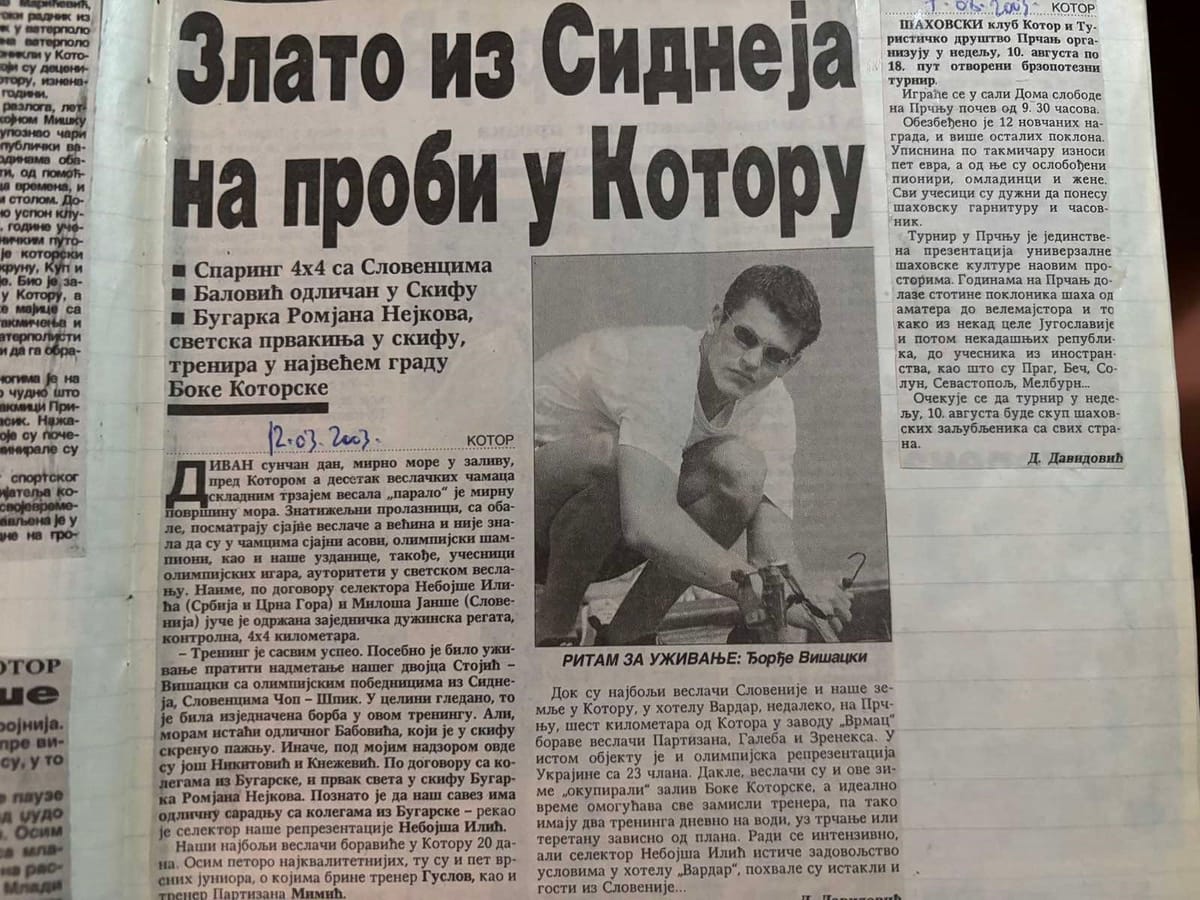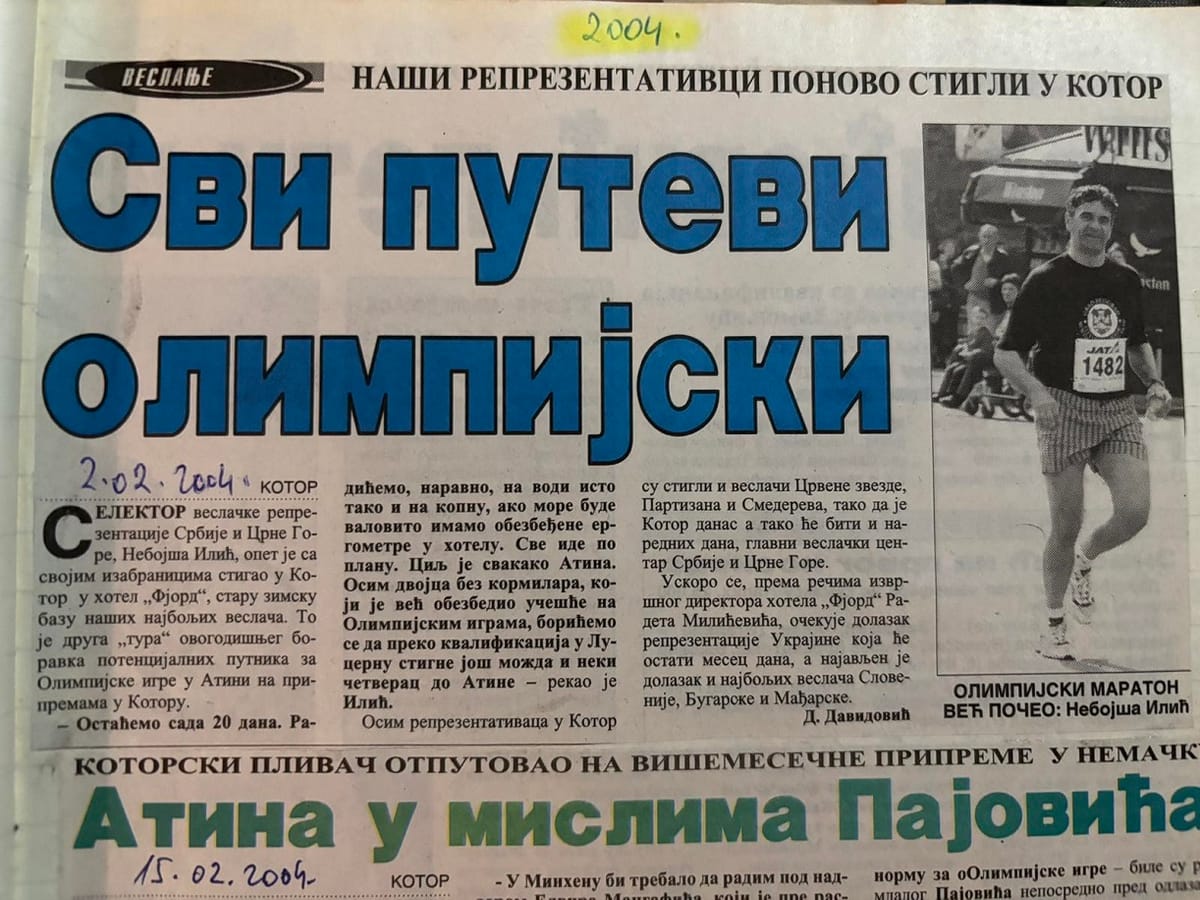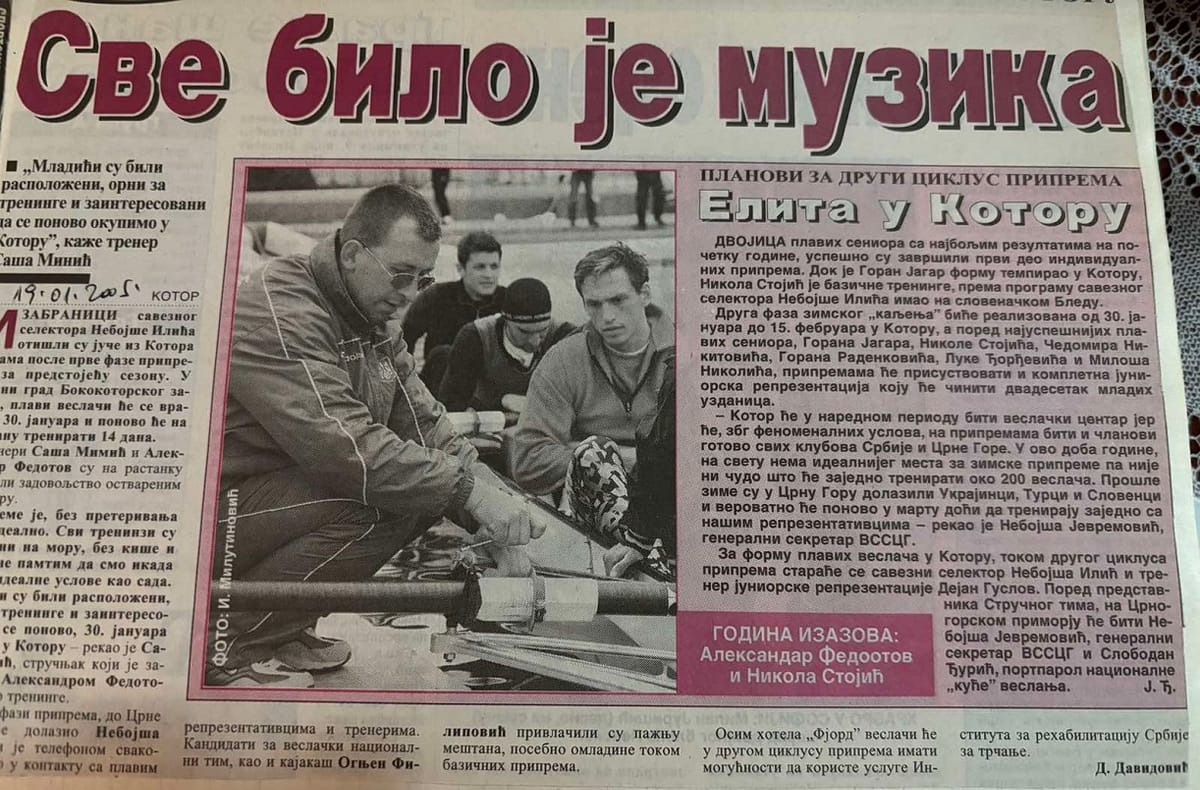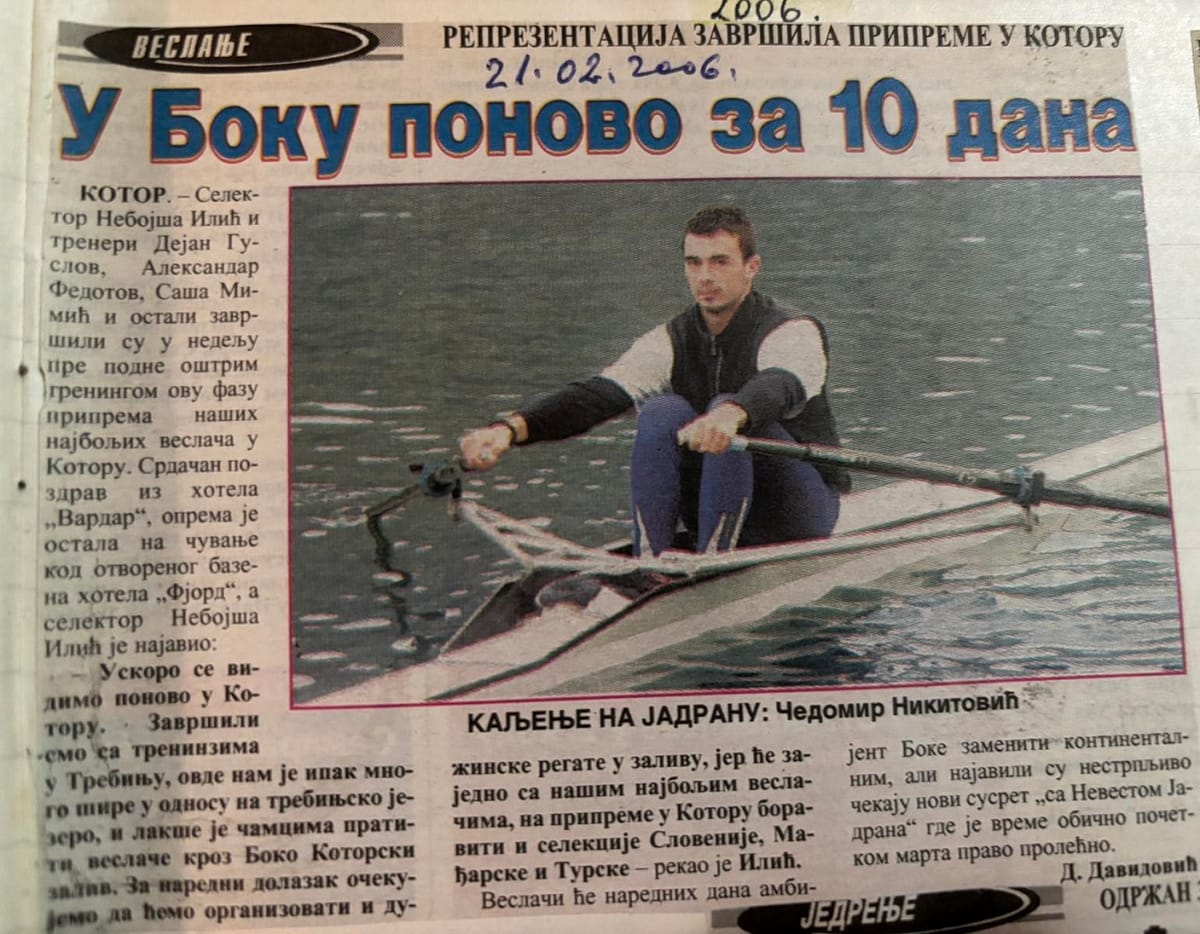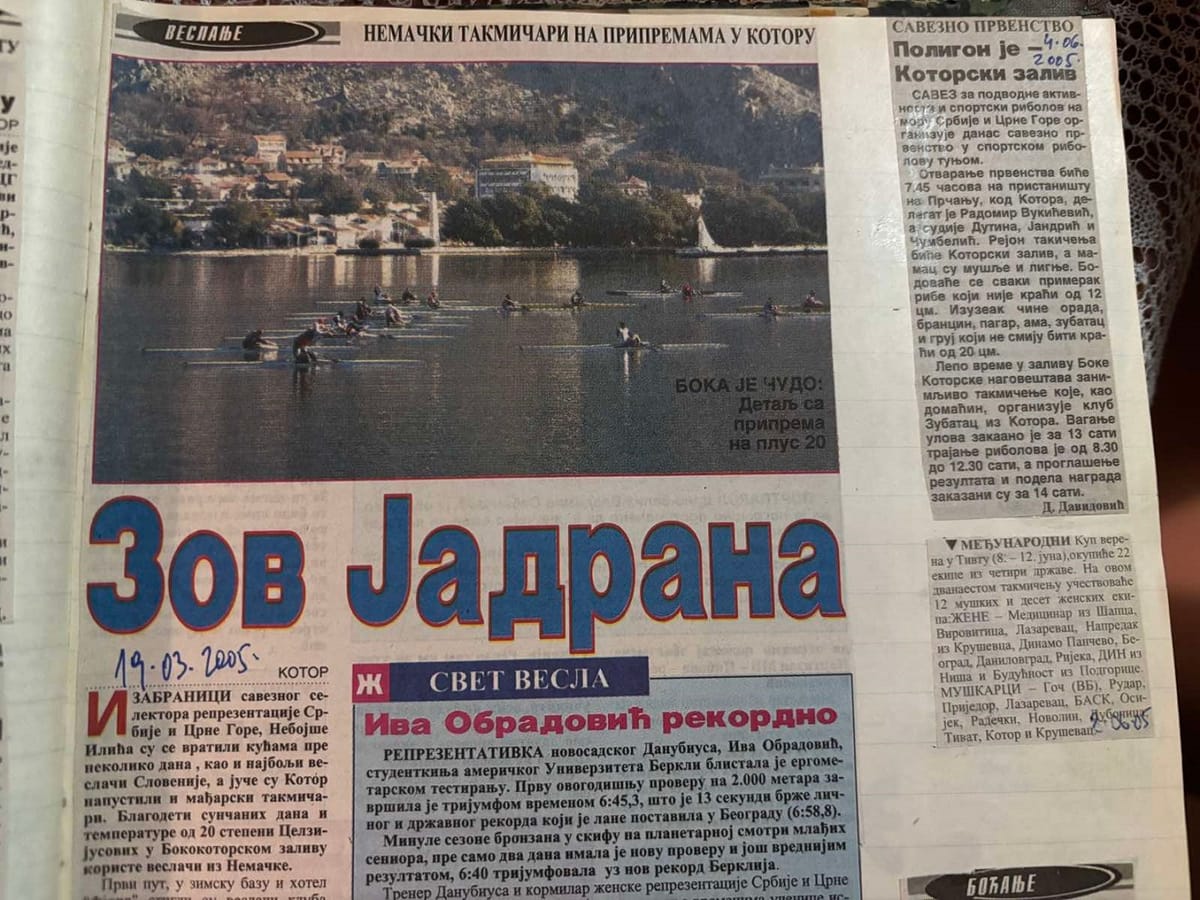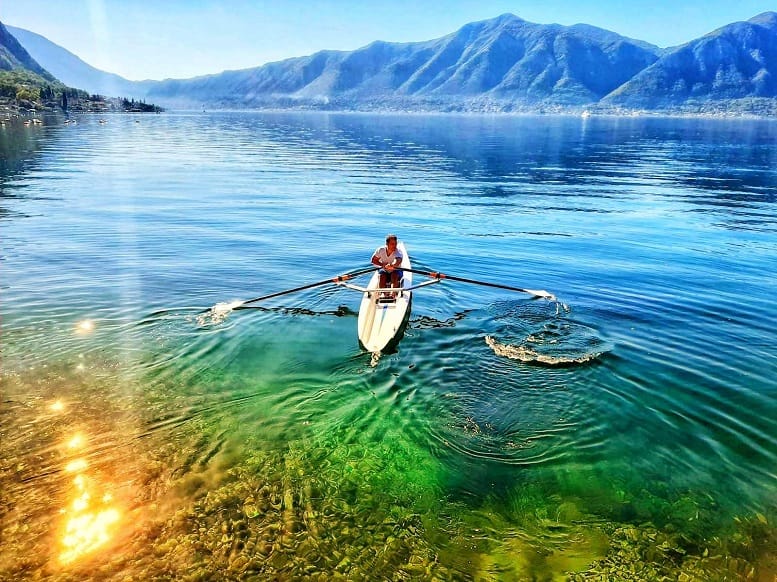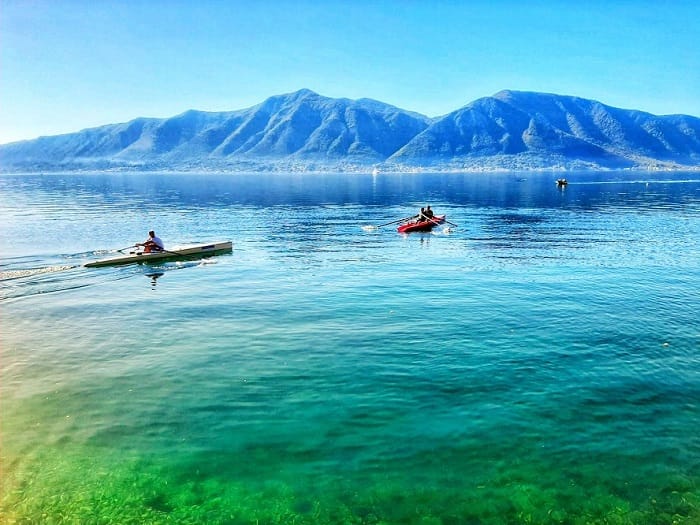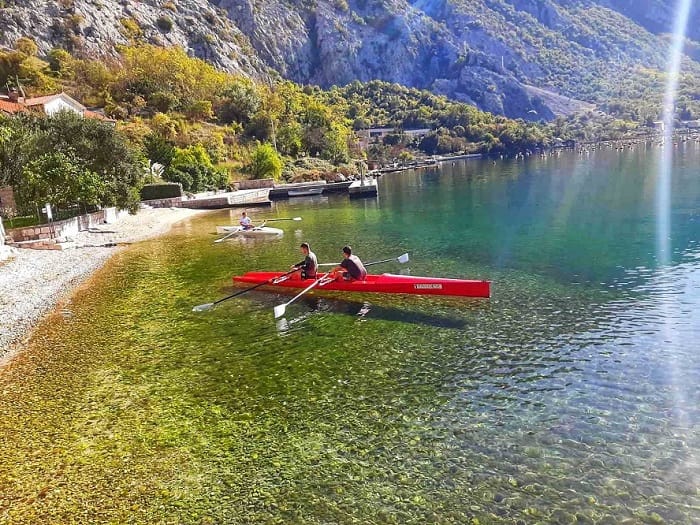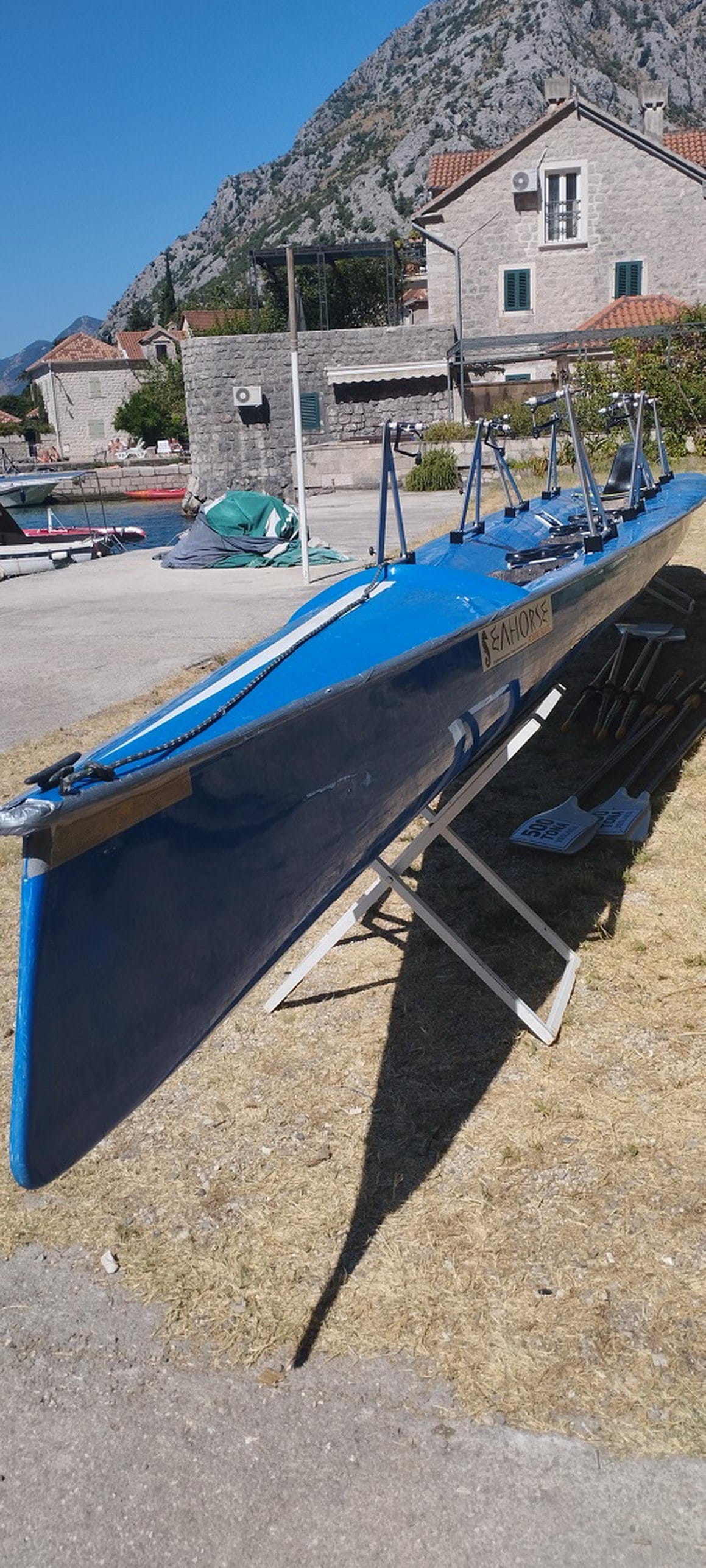
And while there was no response in the Bay of Kotor, every year rowers, and then canoeists too, came to our bay from Germany, Norway, Austria, Sweden, Russia, Czechoslovakia, Ukraine, and later Slovenia, Hungary and Bulgaria. They still come, and have even looked for a partner to mark out a rowing course from Bajova kula to the site of the second Hotel Fjord. To show how useful so-called sports tourism can be, I would point to the figures of Nebojša Ilić, former national coach of the Yugoslav Rowing Federation (VSJ): in 1999 the many rowers and the coaches accompanying them accounted for three thousand full-board stays in hotels in the Bay of Kotor.
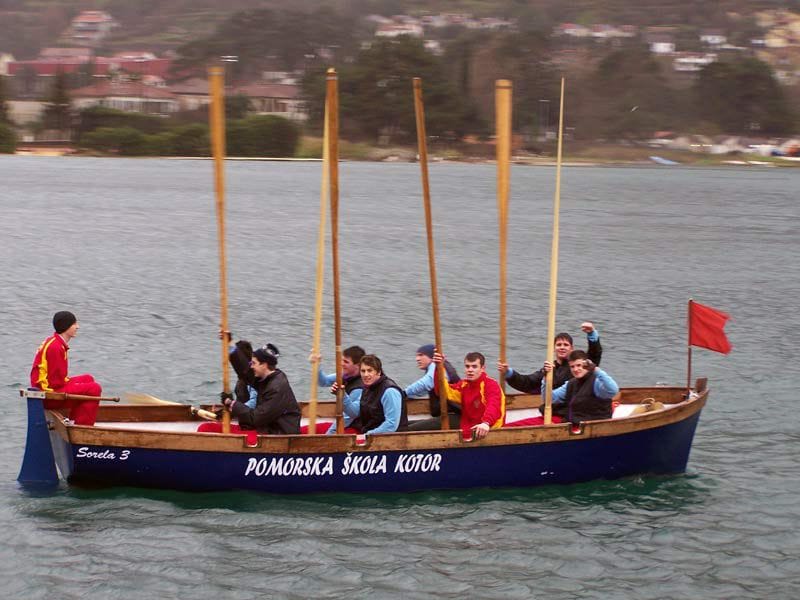
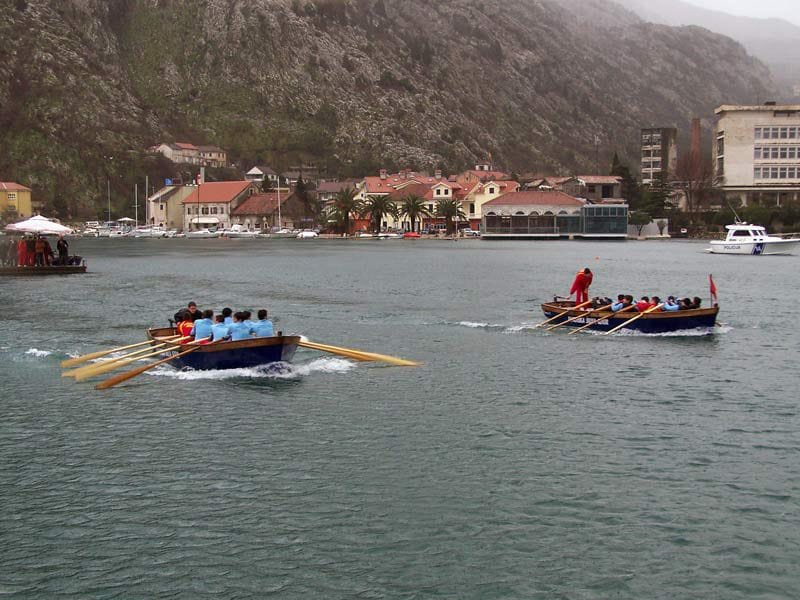
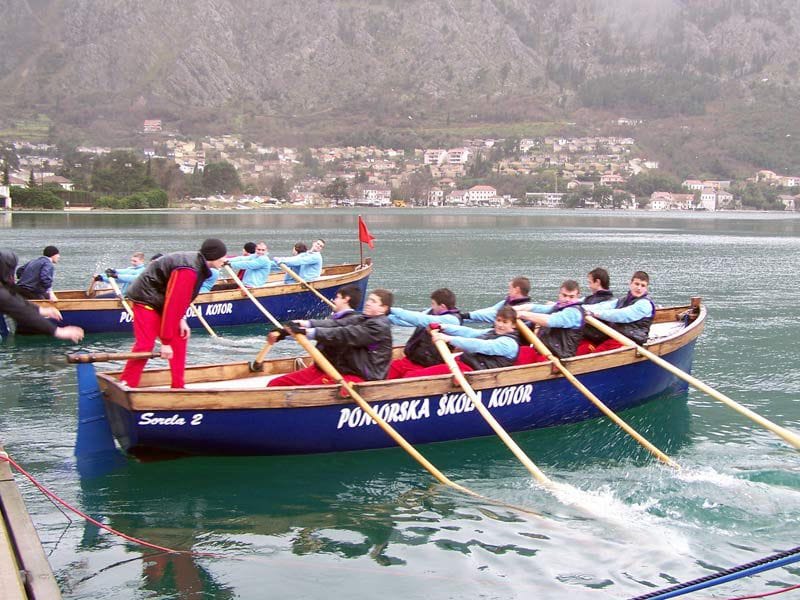
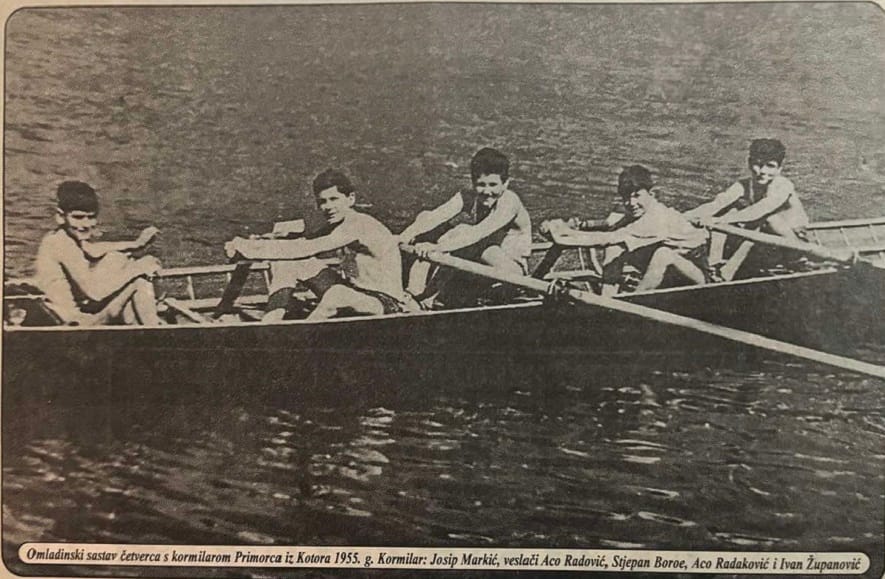
Rowing in Kotor, and in the Bay of Kotor generally, is by no means without roots. As far back as 1922, in the founding charter of the Primorac Sports Society, rowing was one of the sports in which they competed more than 100 years ago.
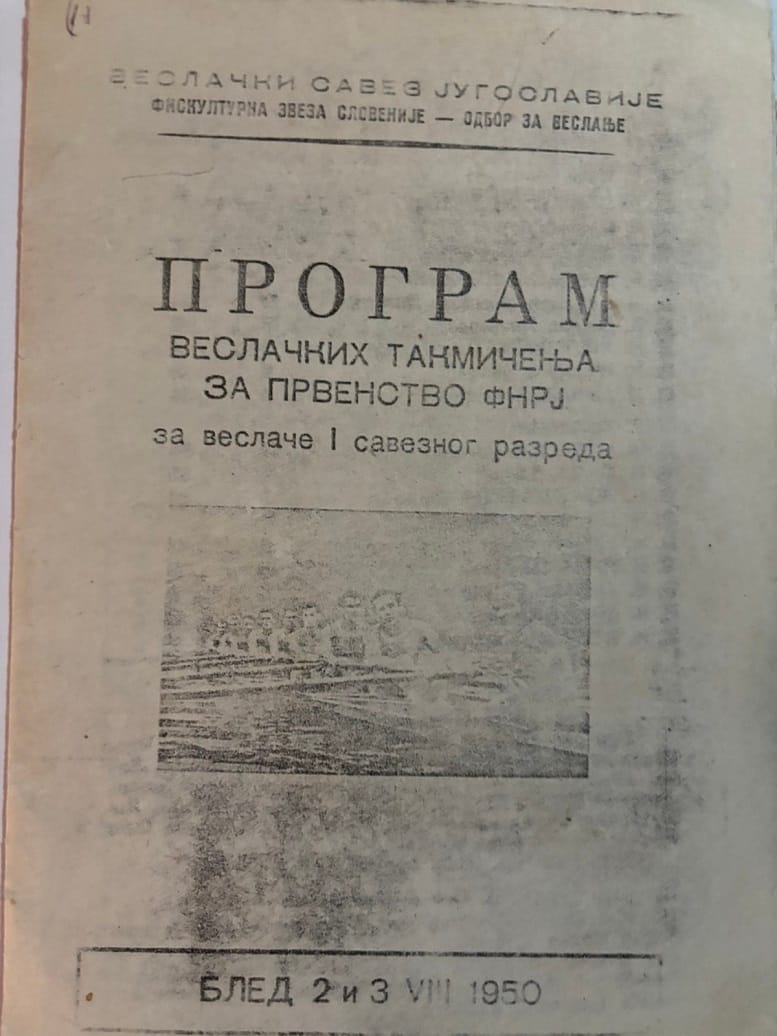
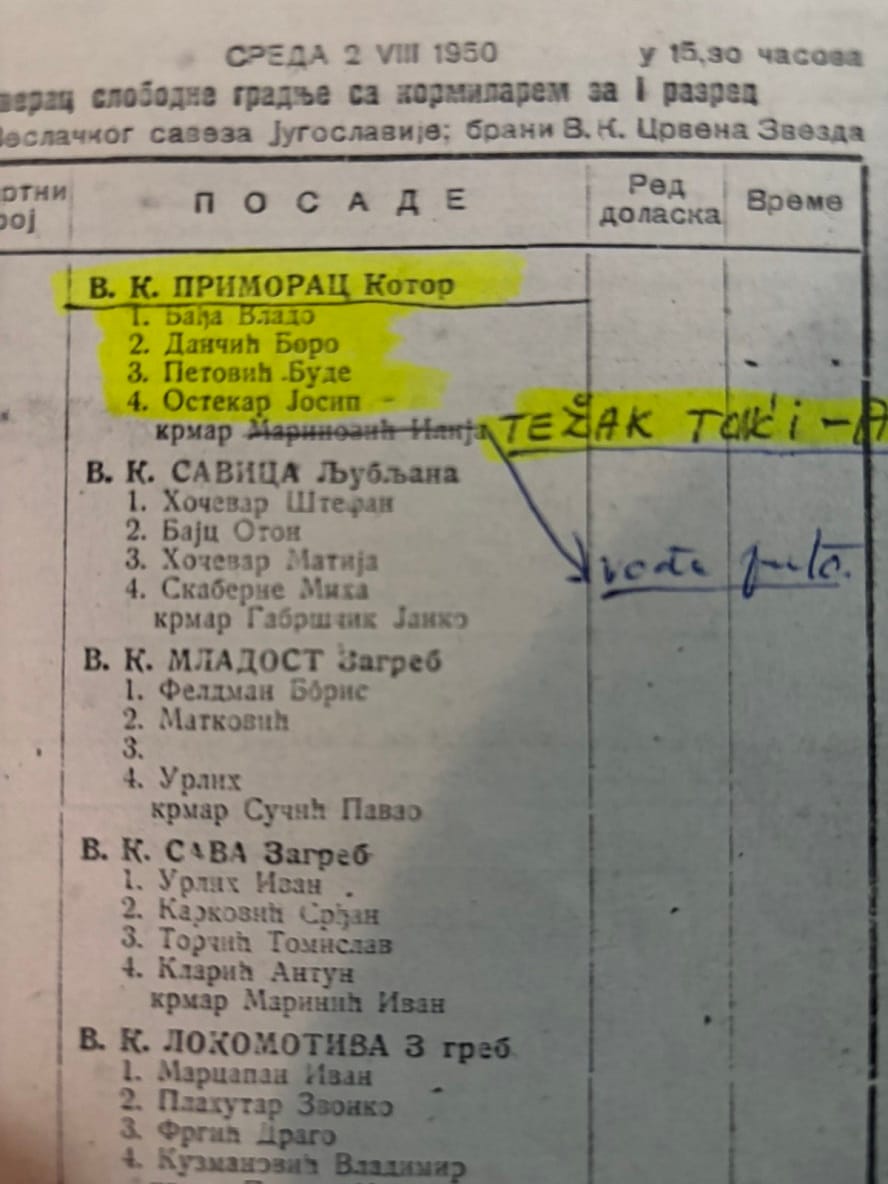
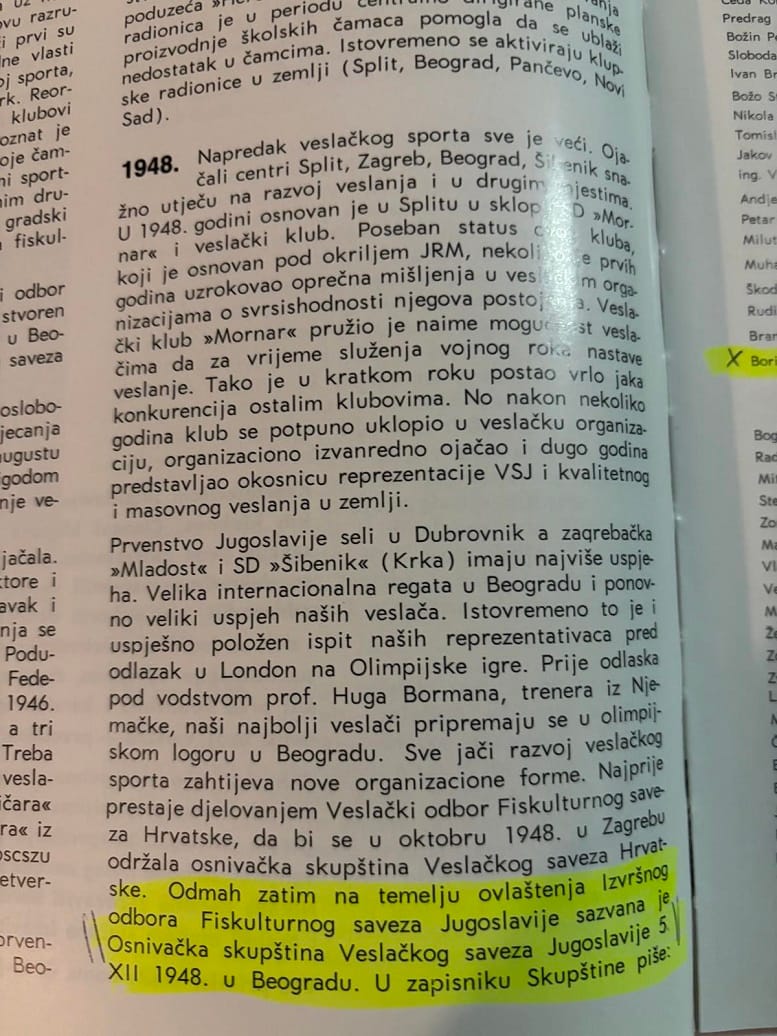
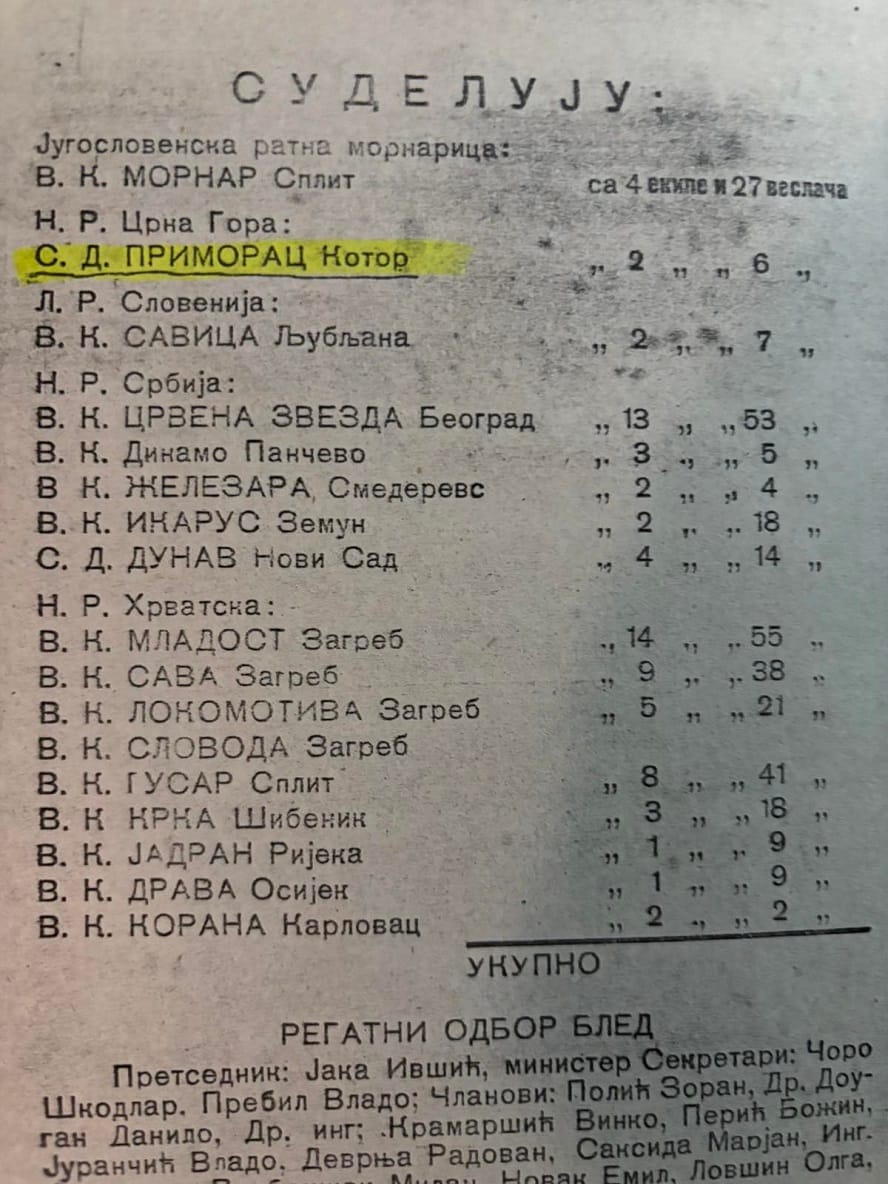
After the Second World War, too, the “Primorac” Rowing Club carried on its activities, and at the founding assembly of the VSJ in Belgrade on 5 December 1948, the delegate on behalf of the Physical Culture Federation of Montenegro was Boris Dončić from Kotor. At the Yugoslav championship on Lake Bled on 2 and 3 August 1950, “Primorac” competed with two crews - a coxed four made up of Vlado Badža, Boro Dončić, Budi Petović and Josip Osretkar. The cox was Antun-Tonči Težak, while the team leader was Ilija Marinović. Mladen Bijelić rowed in the single sculls.