Tuesday, 13 October 2026 Kotor 21° 95.3 MHz | 99.0 MHz | 107.3 MHz
Radio Kotor, home page

SocietyFrom the memories of journalist Dušan DavidovićPhoto

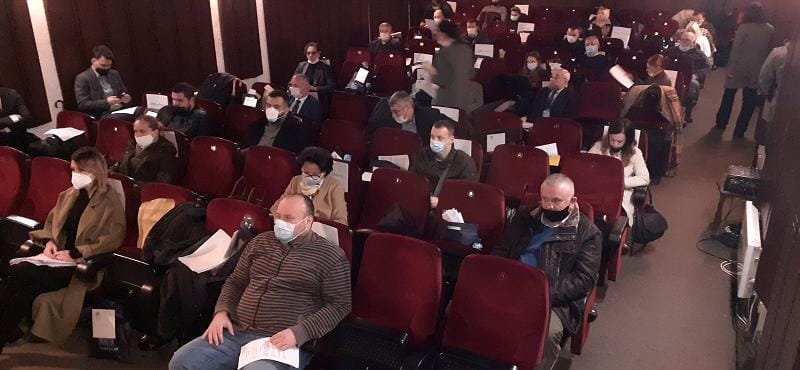
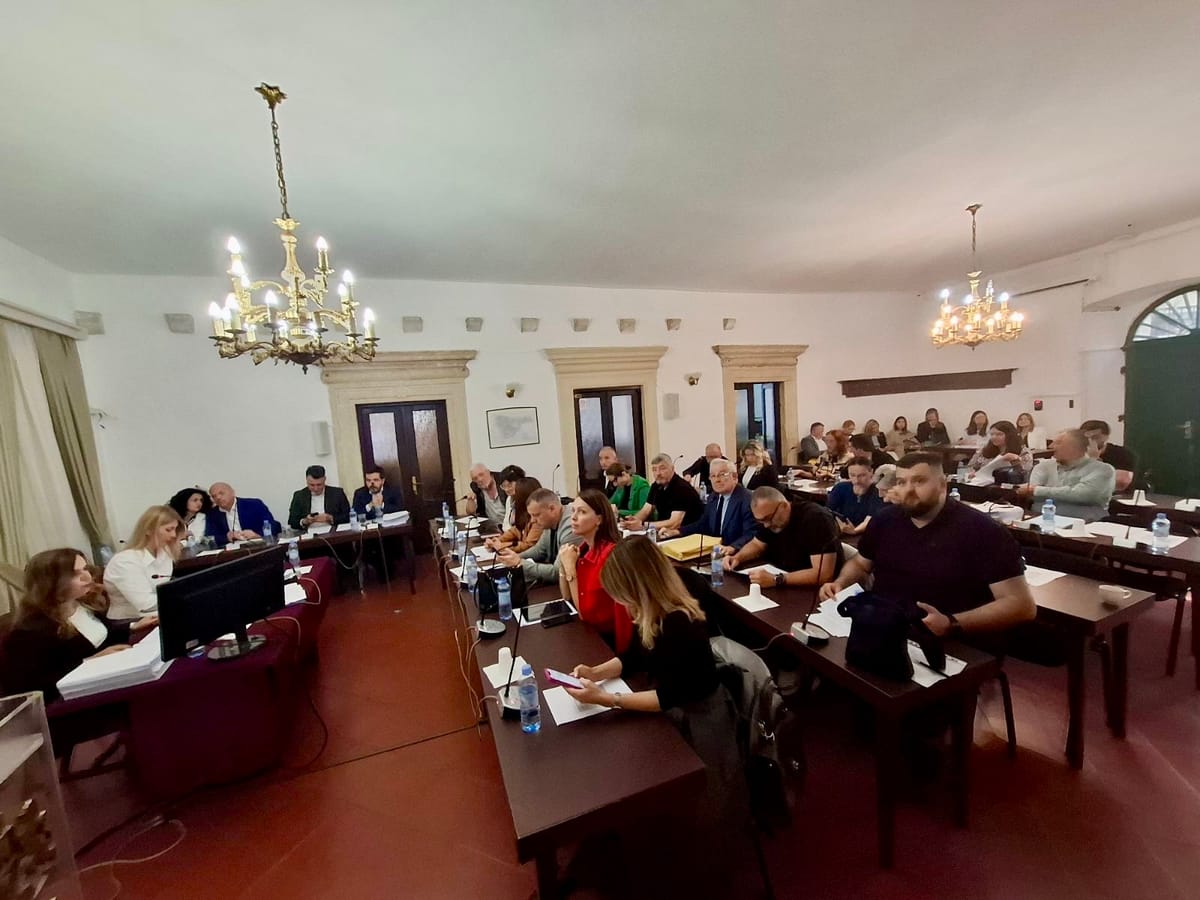
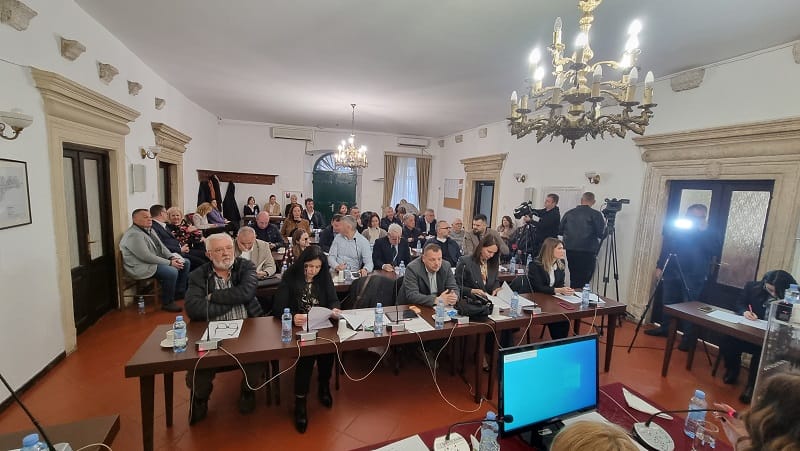
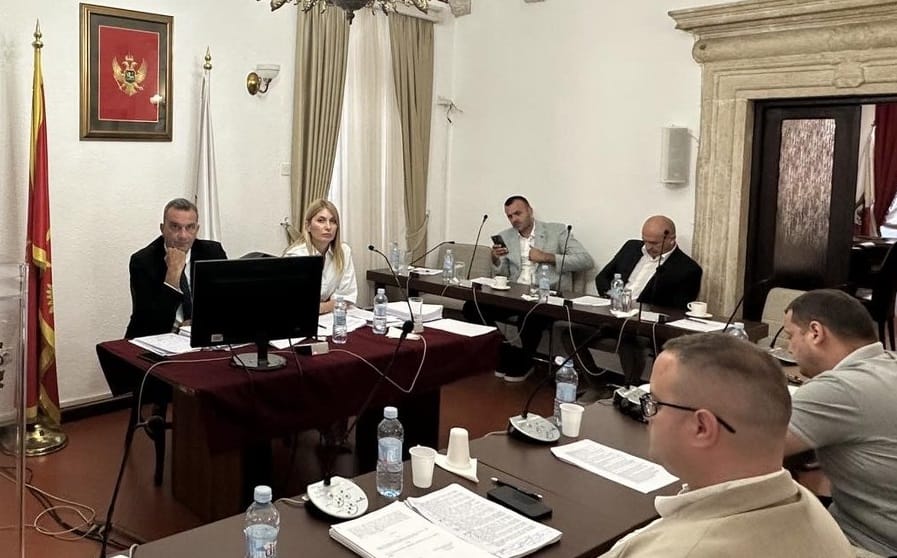
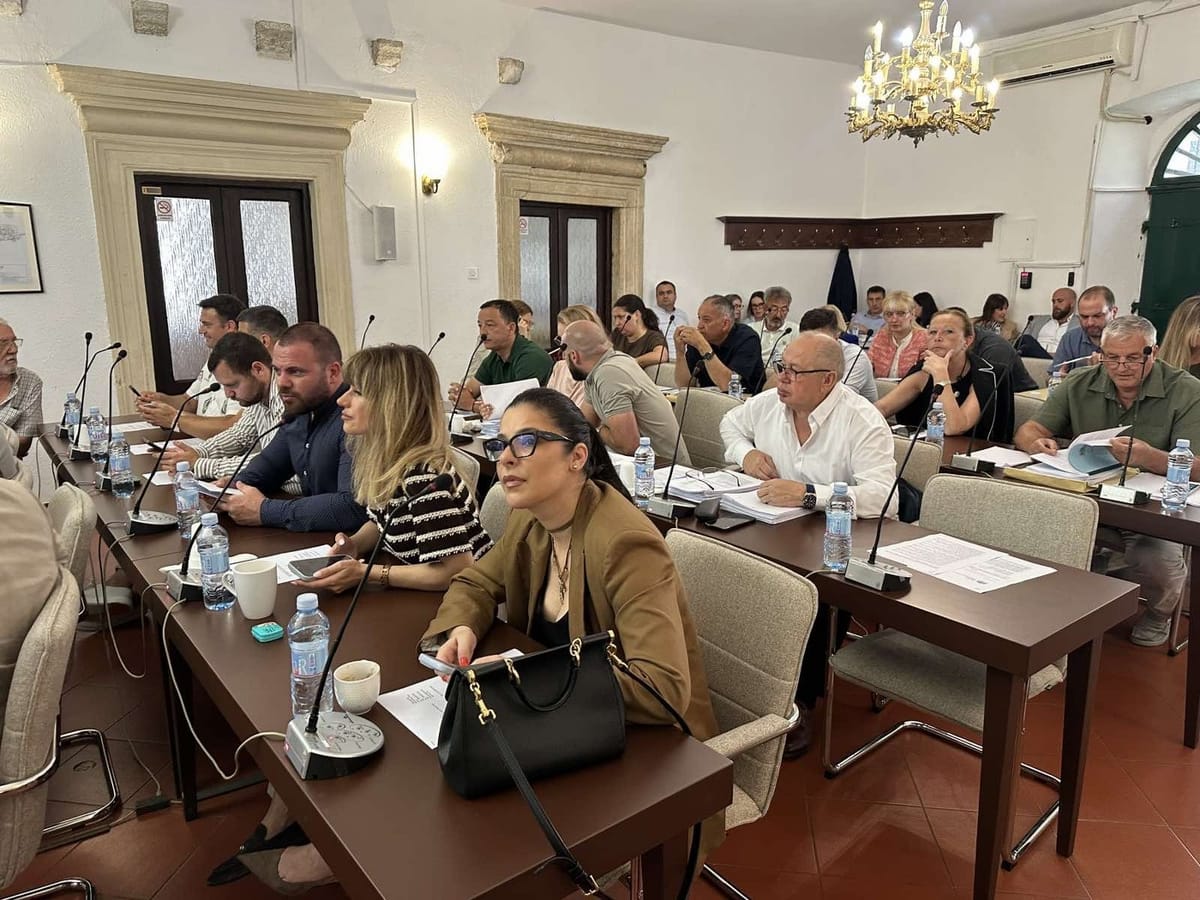
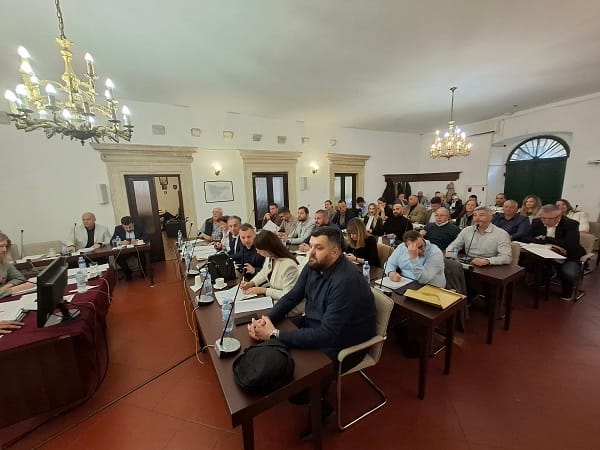
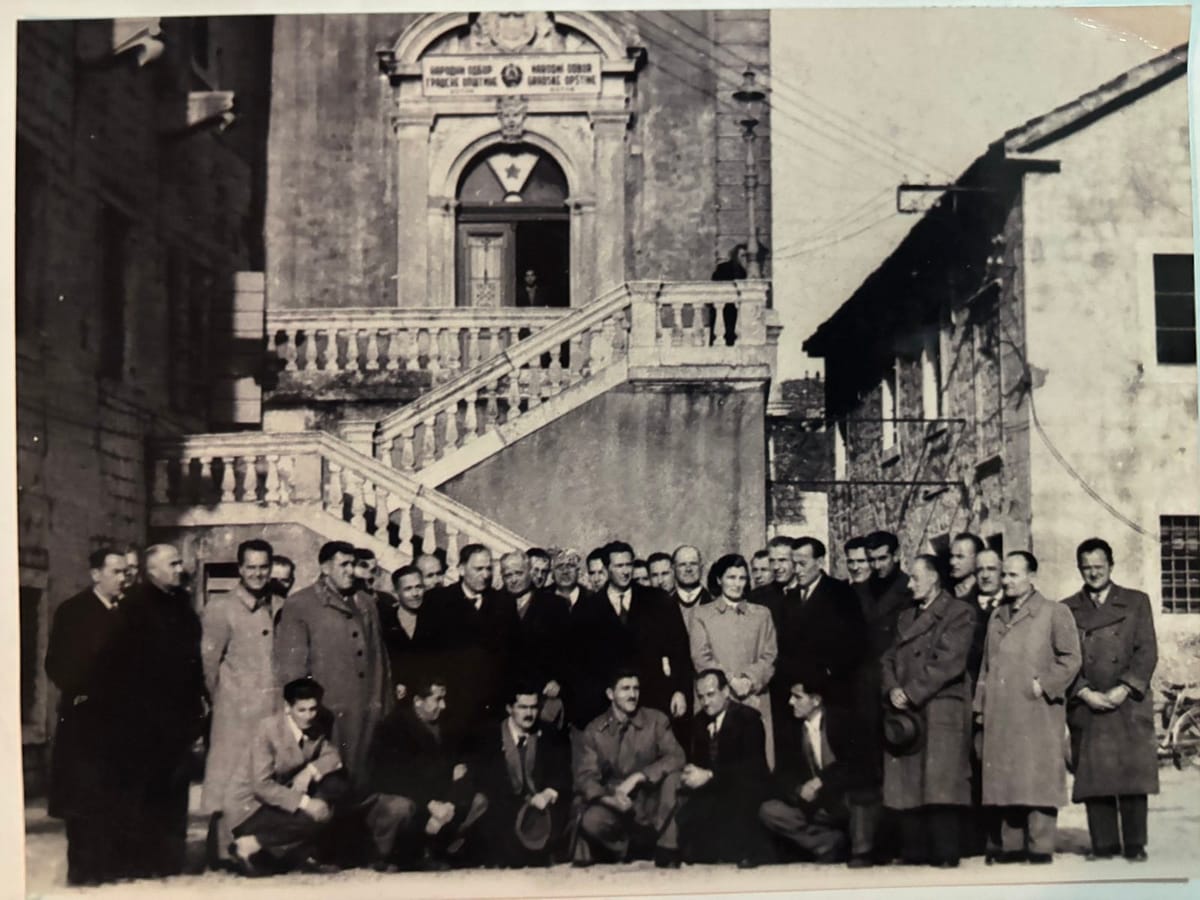
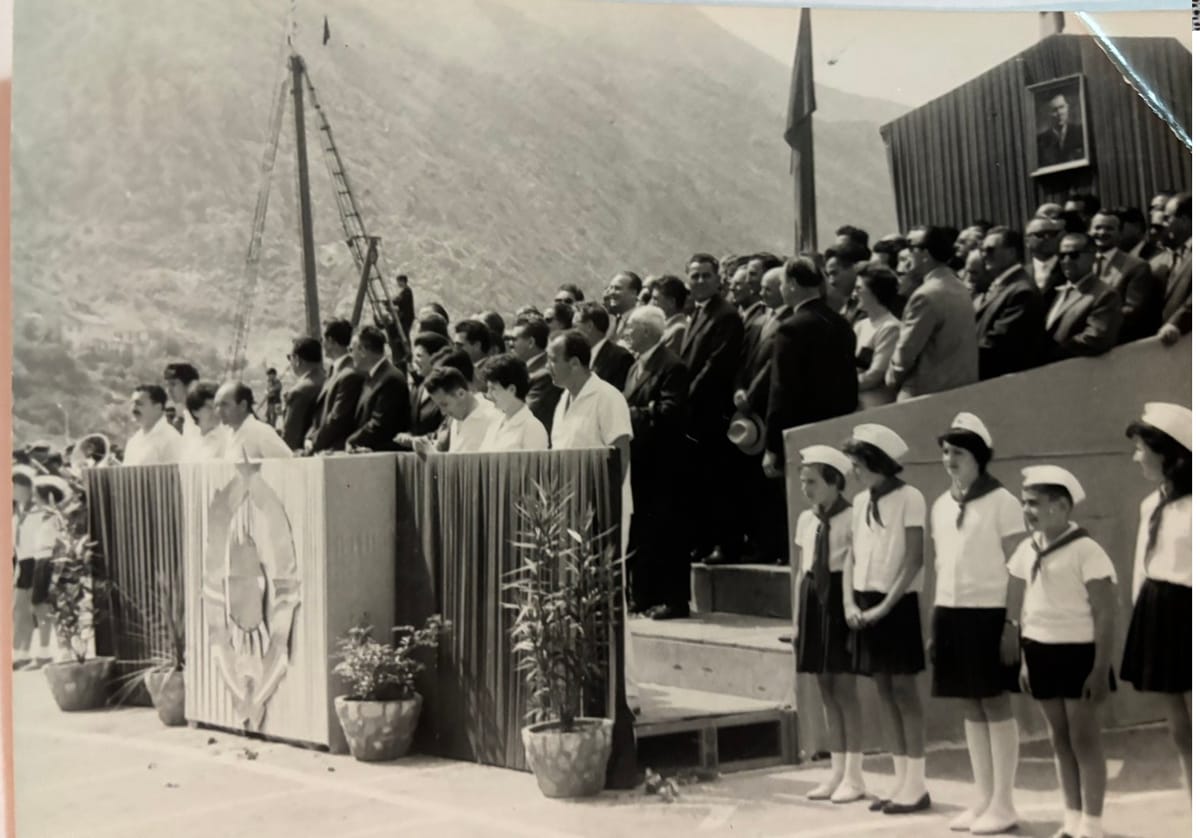
Councillors then and now

Water supply has been a pressing issue these days, and in that connection a wish has been voiced to hold a special session of the Kotor Municipal Assembly. That will happen in a few days' time. Councillors have always cared about the issues of the day, and so it was in the times when we lived under a one-party system /KPJ — Communist Party of Yugoslavia, then SKJ — League of Communists of Yugoslavia/. As there was no opposition, decisions were mostly taken quickly and easily, even though not all councillors were party members. From that era we remember a similar crisis in the water supply, when, to solve the problem, a project by the engineer Boris Pavlin was commissioned and funded to build a concrete curtain at the source of the river Škurda at Tabačina. Boris Pavlin was even given Kotor Municipality's November Award in 1971. But the problems with water and the local springs did not stop.

Photo: D.D. Radio Kotor, Vijesti

From 1946, the development of local self-government in Yugoslavia after the Second World War was marked by the establishment of people's committees, whose councillors represented the interests of every part of the municipality. The 1963 Constitution of the SFRY introduced municipal assemblies with three councils (the Socio-Political Council, the Council of Associated Labour and the Council of Local Communities) in place of the people's committees, and so it remained until December 1990, when the first elections were held under the multi-party system that is still in place today.

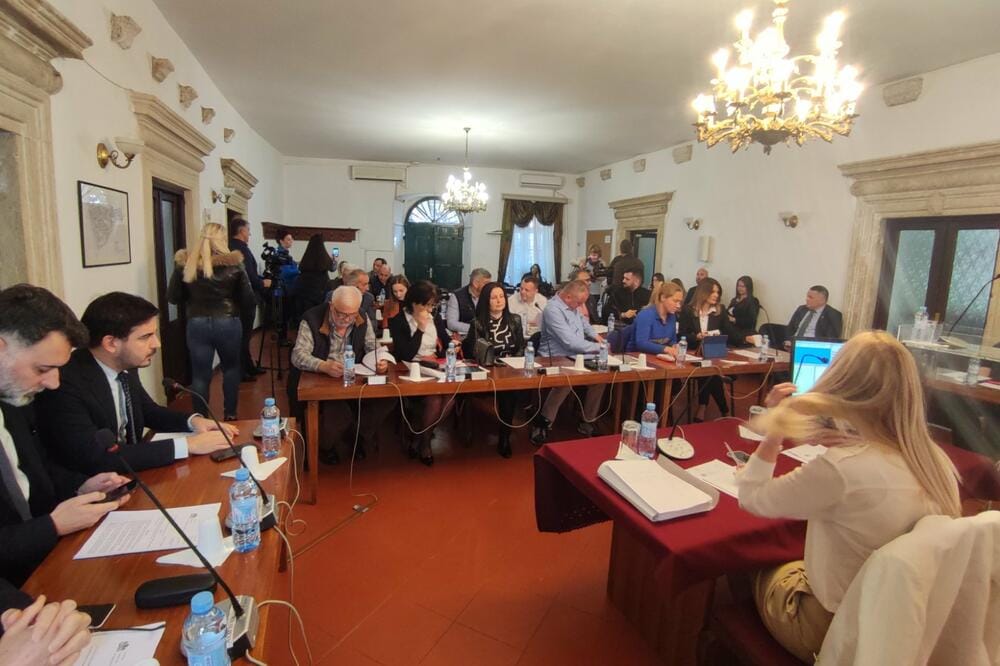
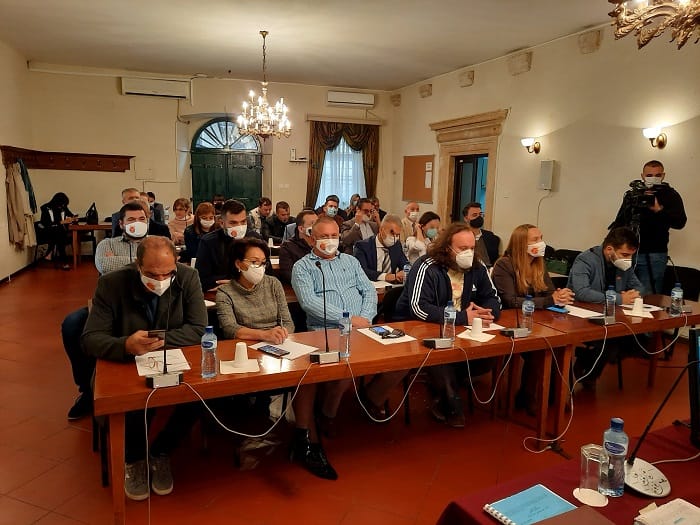
In some places people are still getting used to the opposition's reactions, but these are achievements of democratic societies that have been accepted in most countries. Kotor's Municipal Assembly, for example, has 33 councillors, who took their seats from as many as eight electoral lists, and it is clear that agreeing on various plans, and especially on appointments, often takes a little longer.

In the period after the Second World War, the People's Committee long held its sessions in the building on the Square of Arms that was once the French theatre. Today it is the Hotel Cattaro.
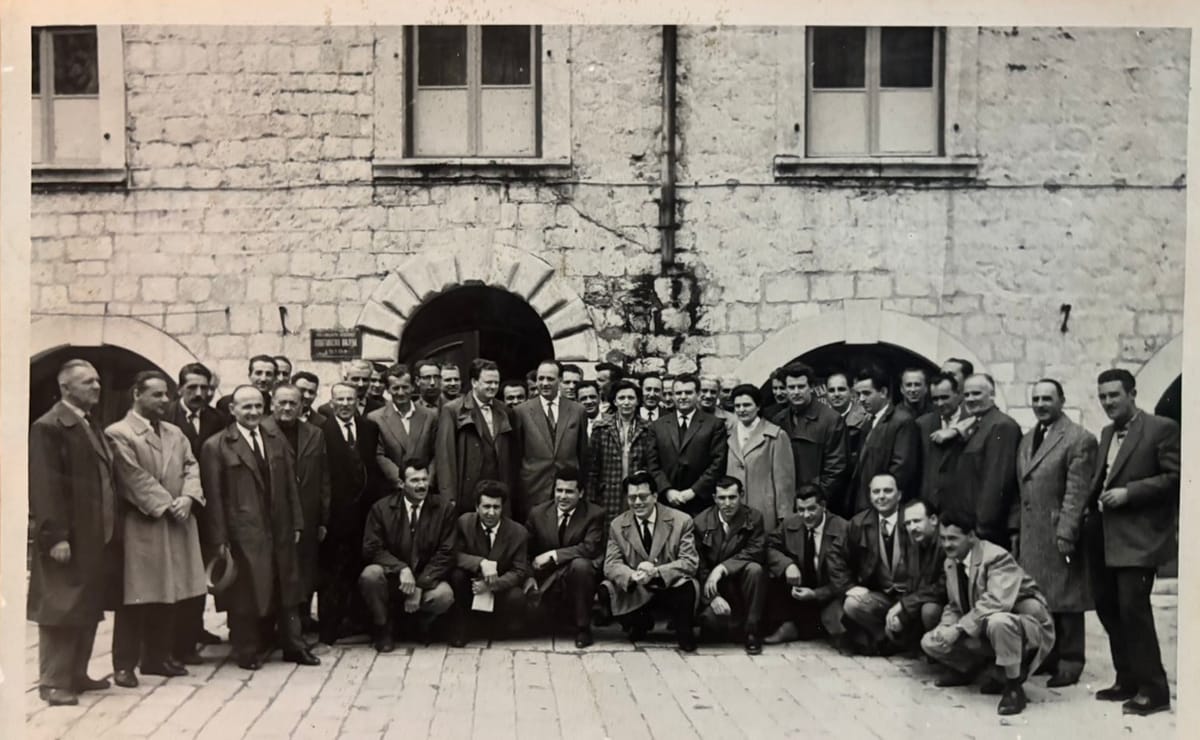
Later, the hall of the Trade Union House was used for the sessions of the People's Committee. That part, too, now belongs to the Hotel Cattaro. After the devastating earthquake of 15 April 1979, the Municipal Assembly met mostly in the Jugopetrol office building, and then in the building that now houses the Faculty of Tourism and Hospitality.

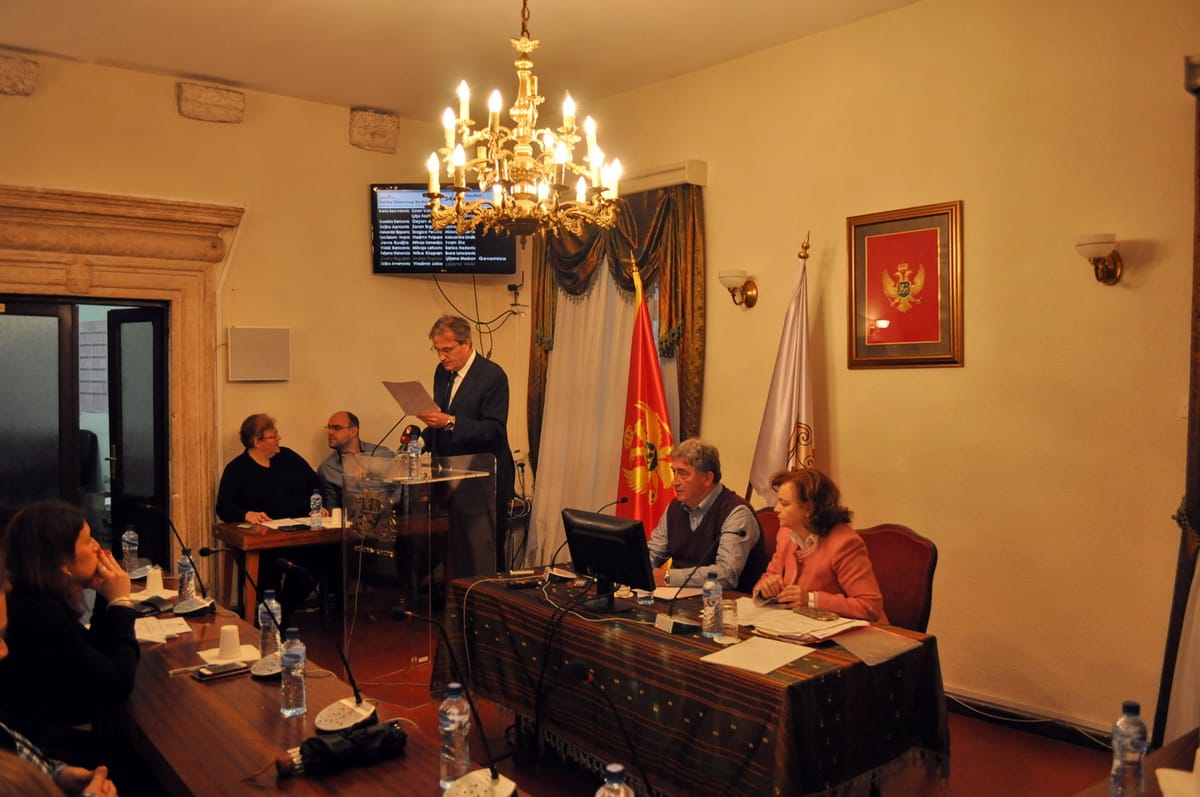
Today the Kotor Municipal Assembly meets in the Bizanti Palace, once the seat of the Venetian provveditore. Until the earthquake the palace contained flats; then, once it had been restored, its first floor was allocated to the Municipal Assembly.

In recent times the sessions of the Municipal Assembly have been available to all listeners through Radio Kotor's live broadcasts. The public can follow everything that happens in the assembly chamber, and on the Radio Kotor website as well. Naturally, the daily newspapers also report on the assembly's sessions, as do some news sites on the ever more popular social networks.

Live— Radio Kotor live
Listening RoomRadio Kotor

Price list

Marketing on Radio Kotor

Your message in a programme heard on 95.3 MHz, 99.0 MHz and 107.3 MHz and online — from a private ad to sponsoring a show.

Each ad is broadcast 4 times a day.

Prices for personal and business ads
DurationPersonal adindividualsBusiness adlegal entities
1 day€2€5
7 days€12€30
10 days€15€50
15 days€25€60
30 days€45€80

All prices include 21% VAT.

Add to calendar

Radio Kotor show

Google Calendar