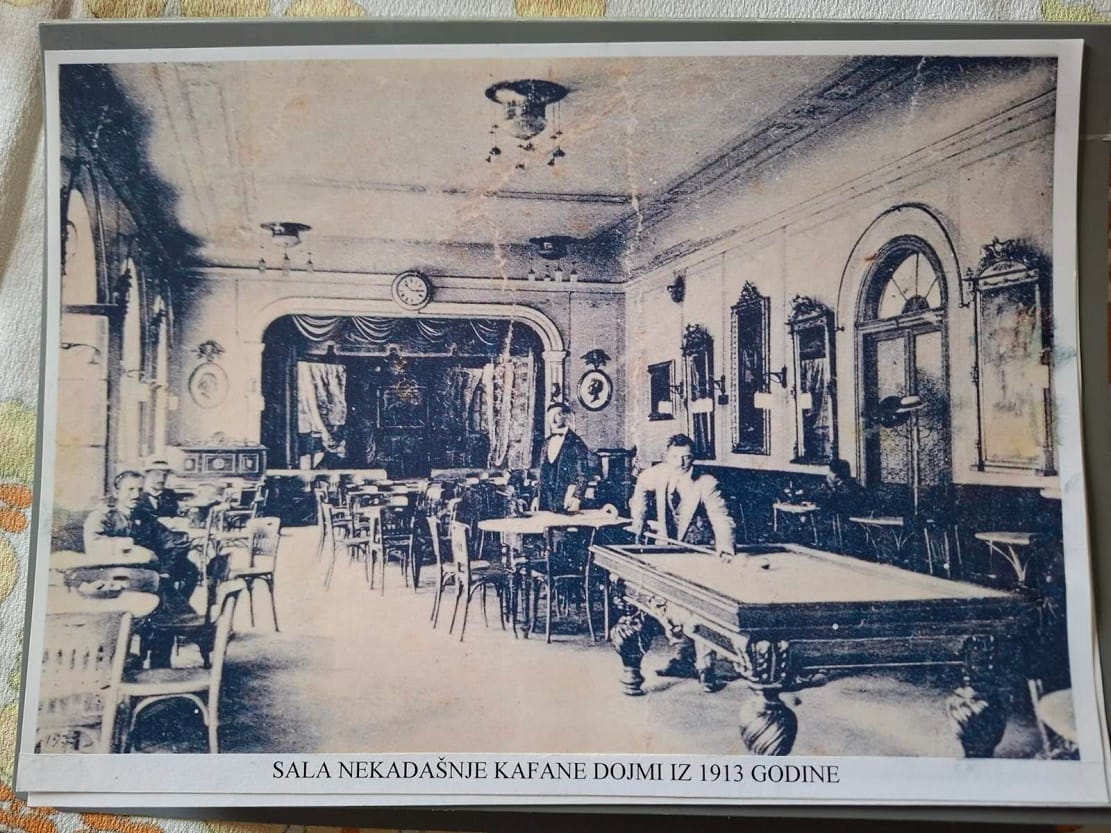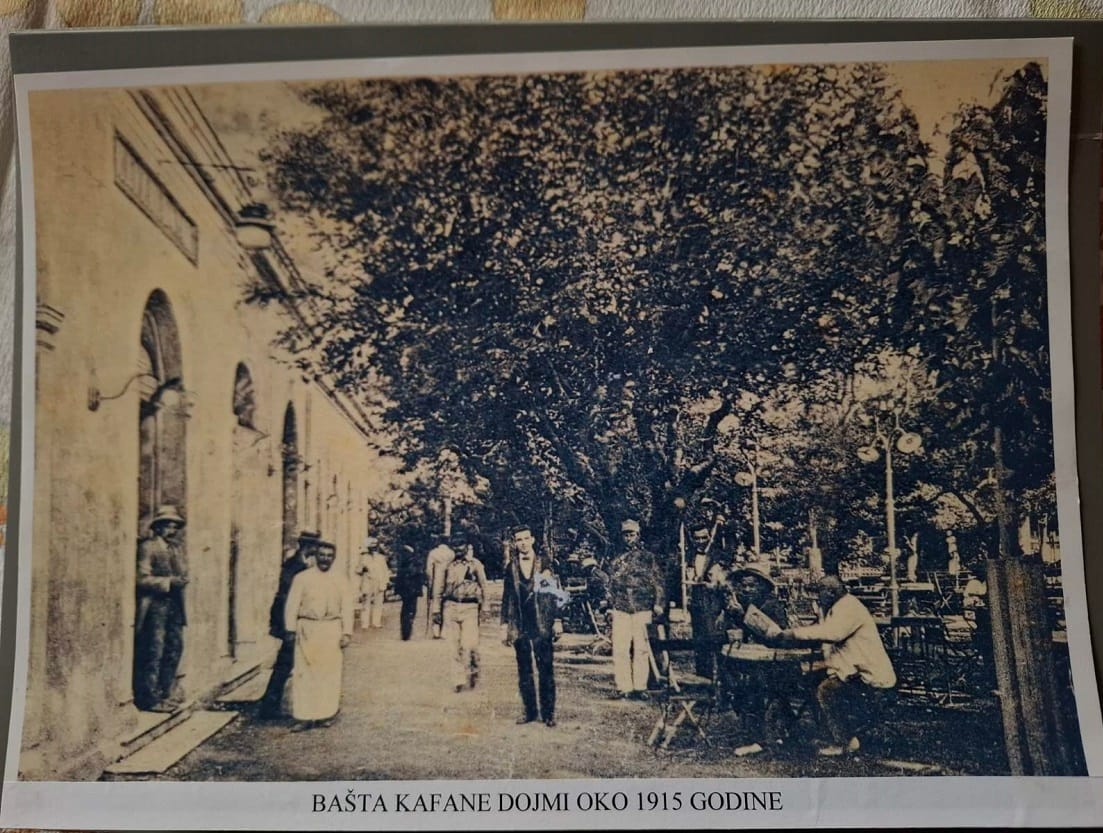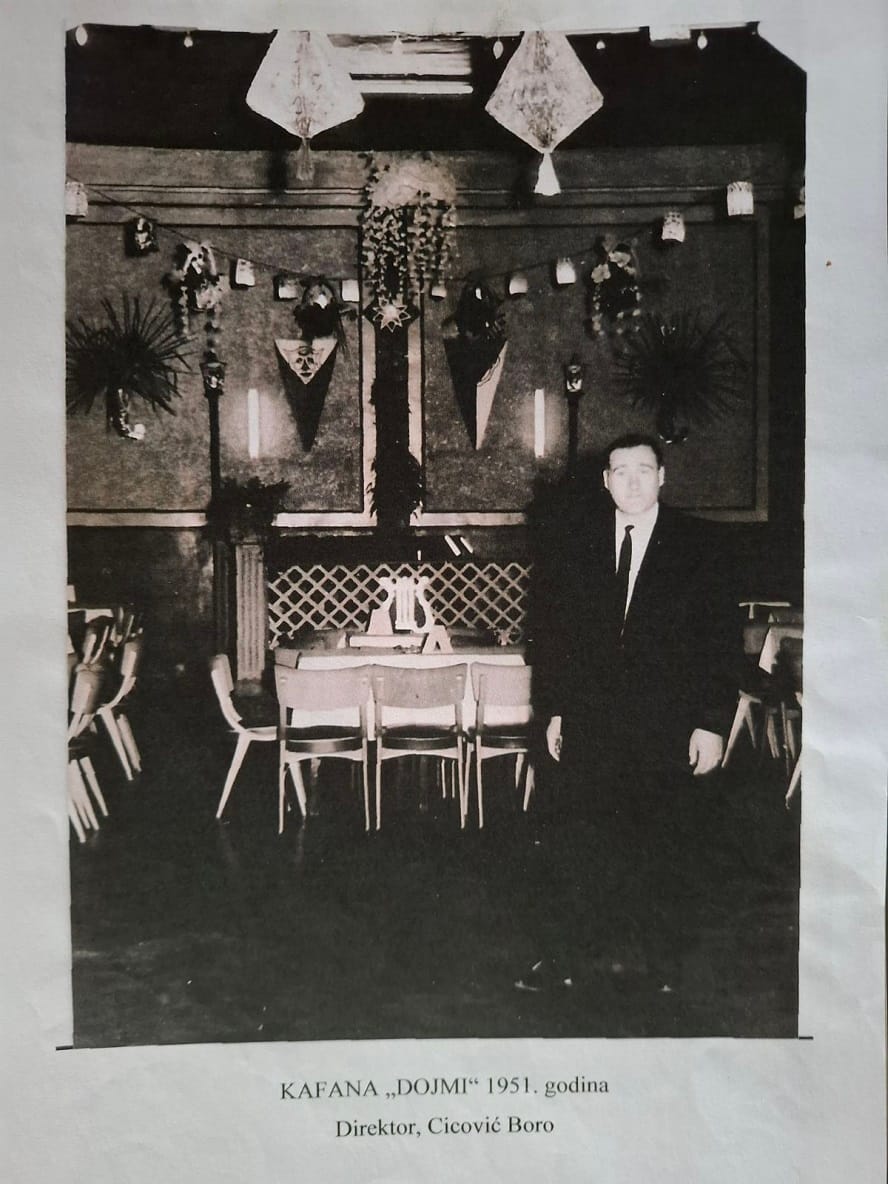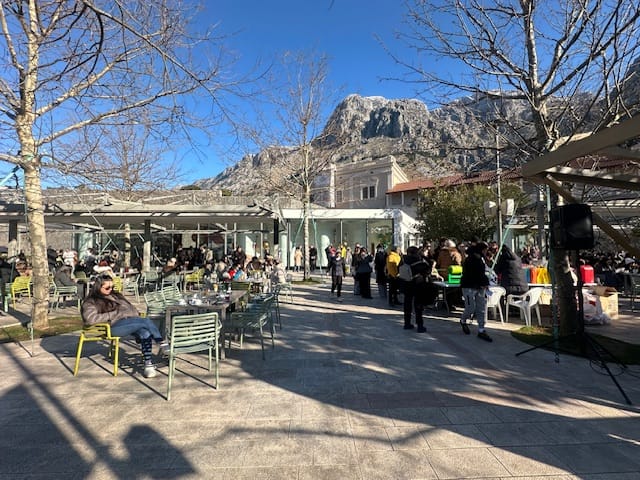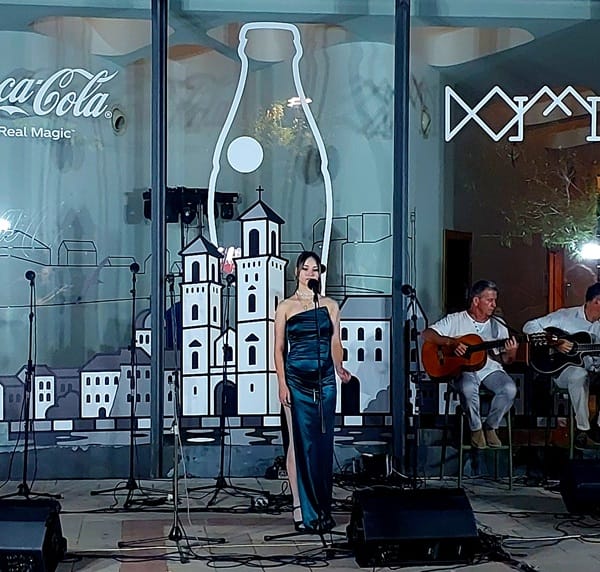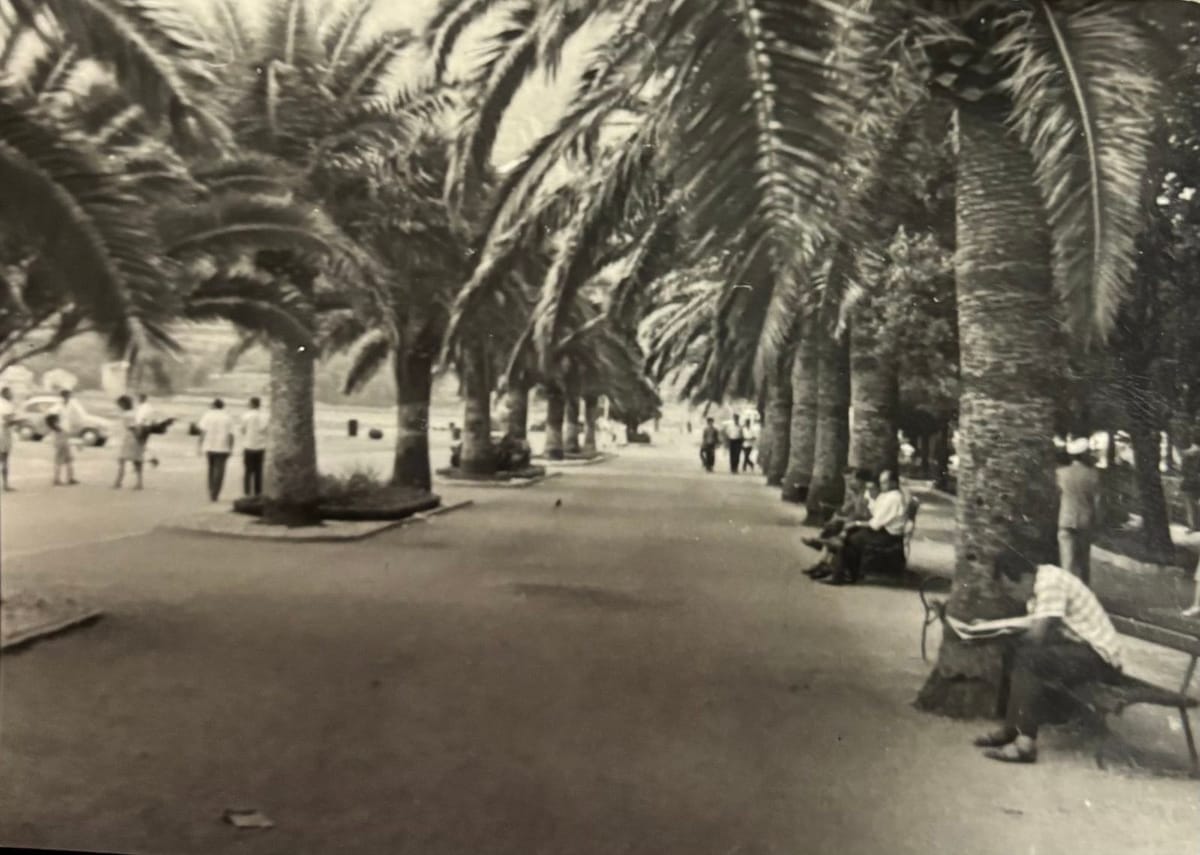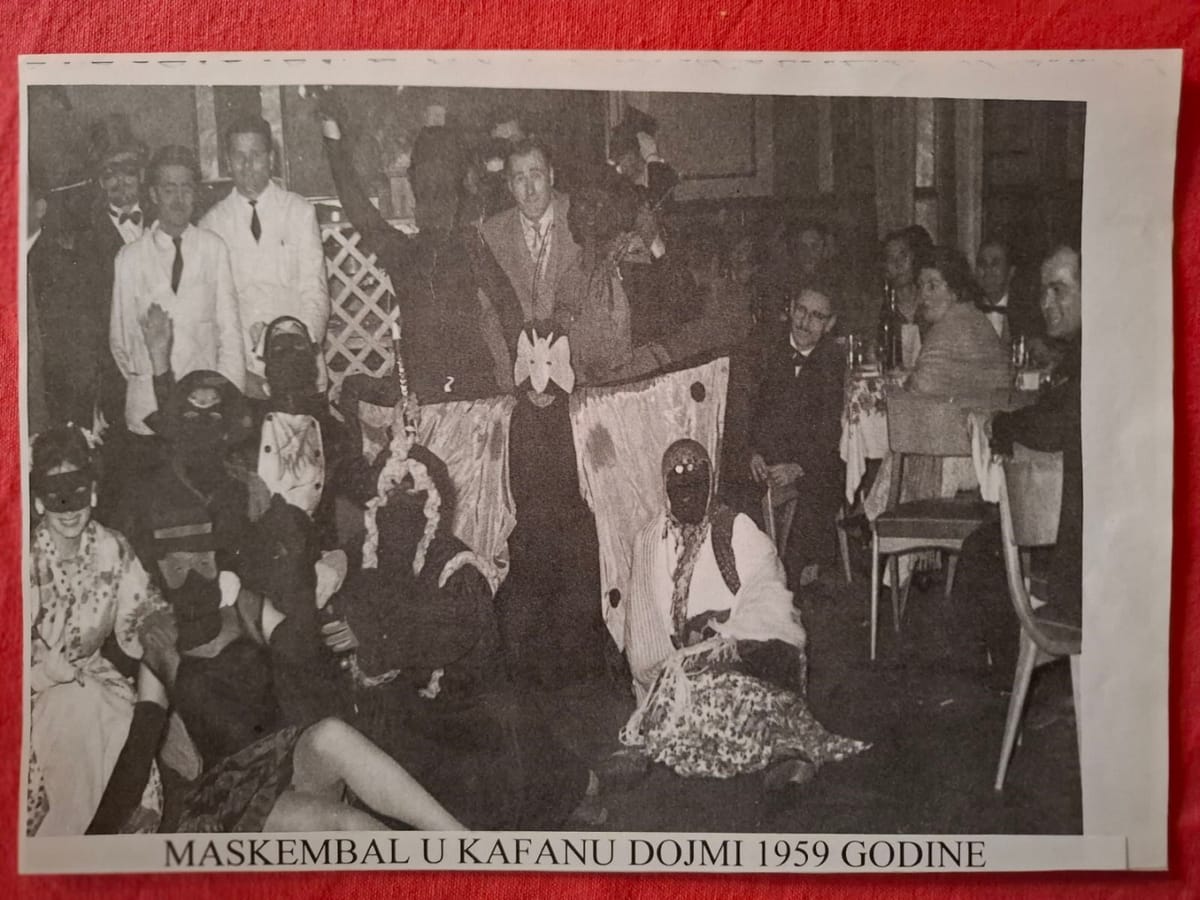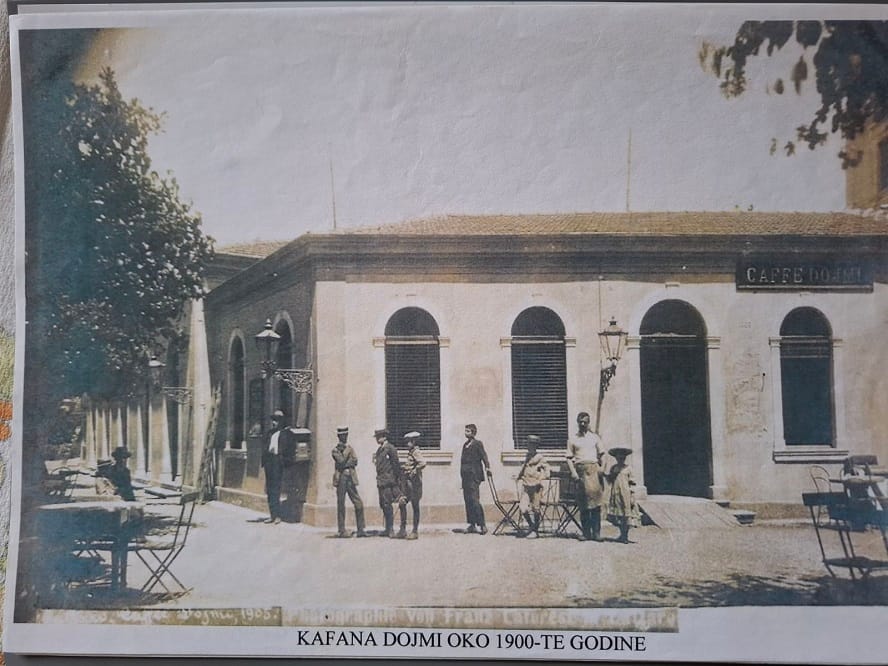
It had three halls for different purposes, a varied menu of food and drink and a fine team of cooks and waiters, and many of those who stayed in Kotor in past decades, or were merely passing through, left interesting written impressions of the Dojmi café.
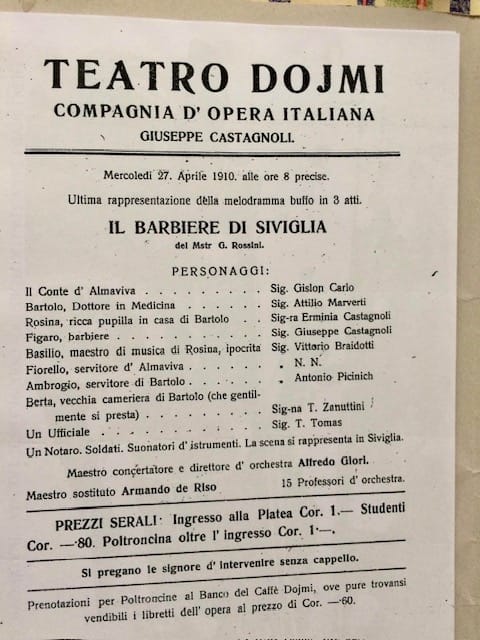
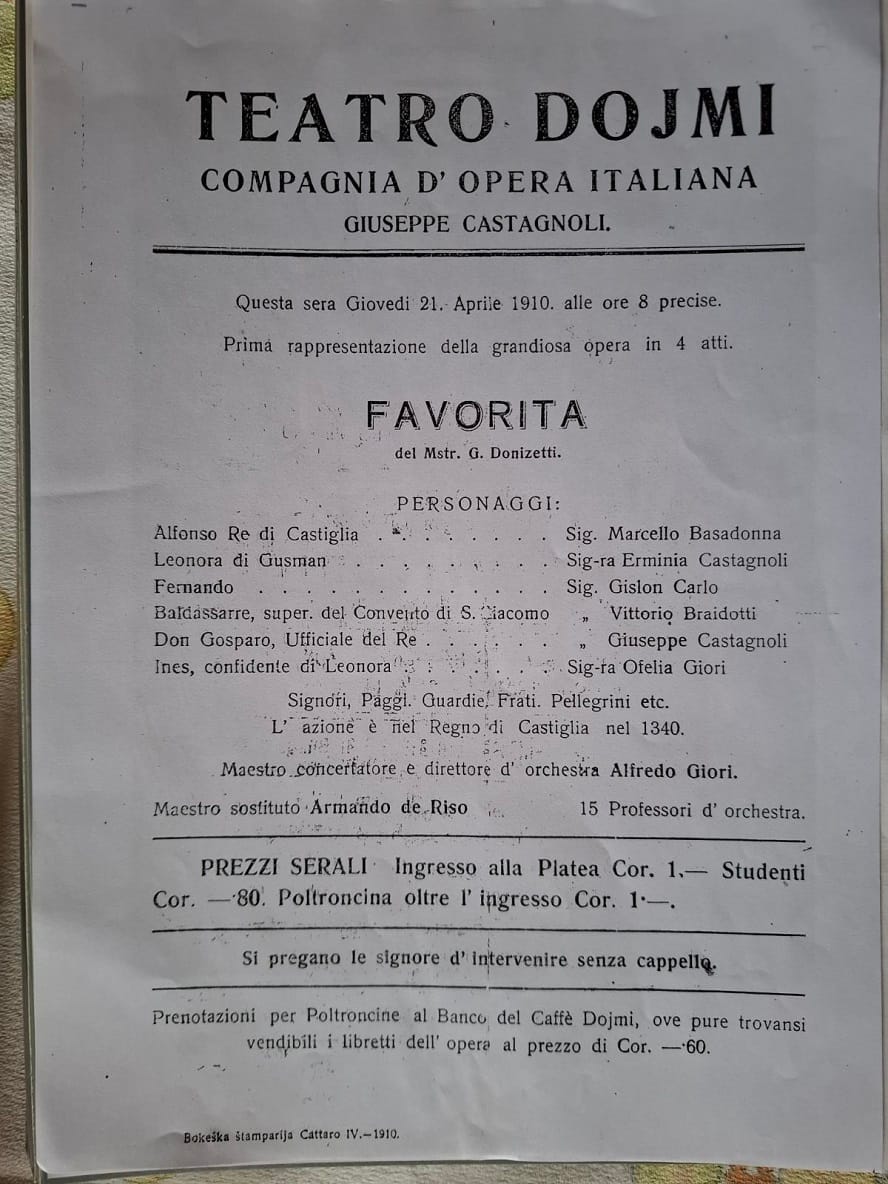
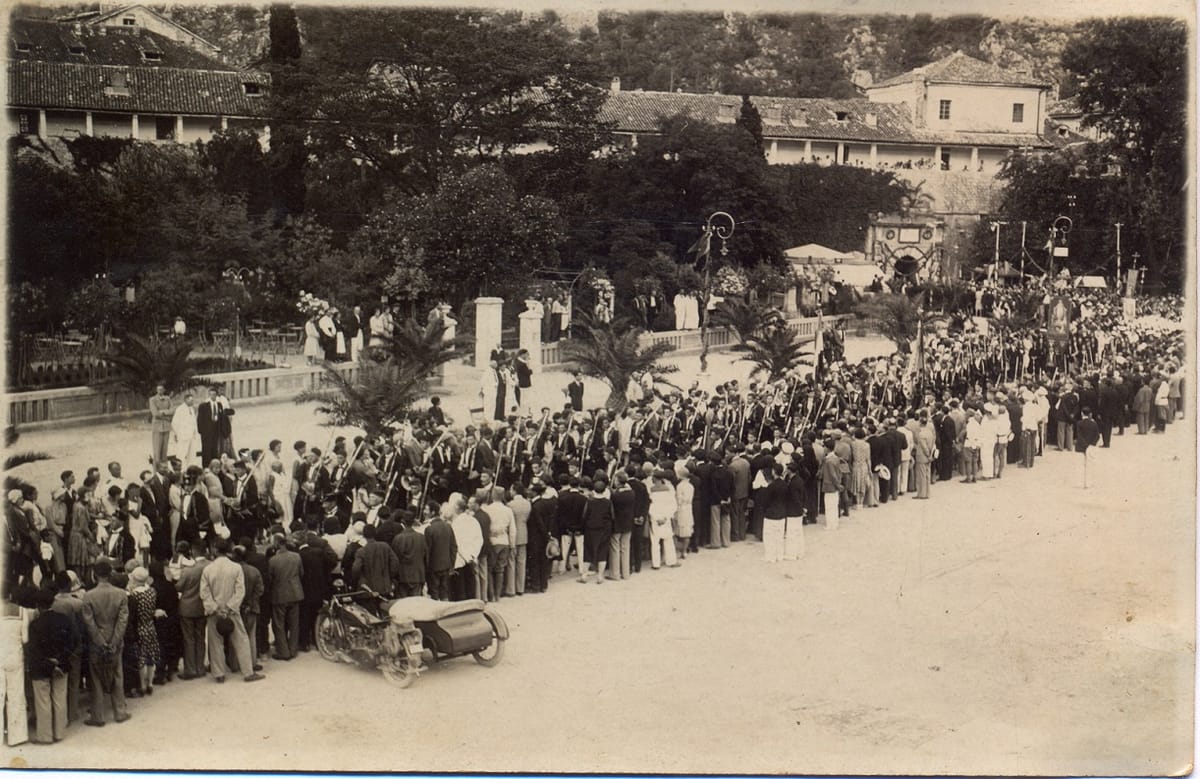
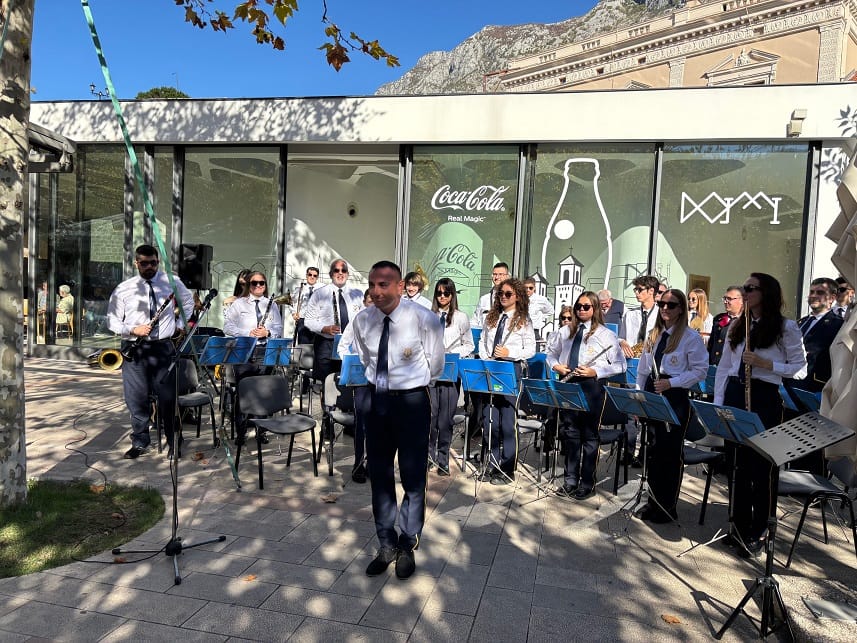
The people of Kotor spent many pleasant moments in Dojmi’s halls – from everyday chats to the various games of the day, and on to unforgettable balls and other entertainments. But, as few in the younger generations know, Dojmi also had a stage where theatre performances, and even operas, were put on. A poster survives from the 1910 guest appearance of an opera company from Trieste and of various theatre groups, and generations have talked about the balls held in the hall or, in summer, in the garden. People danced the waltz, the tango, the polka and other dances, and fine orchestras, or “music bands” as they used to be called, came to play.
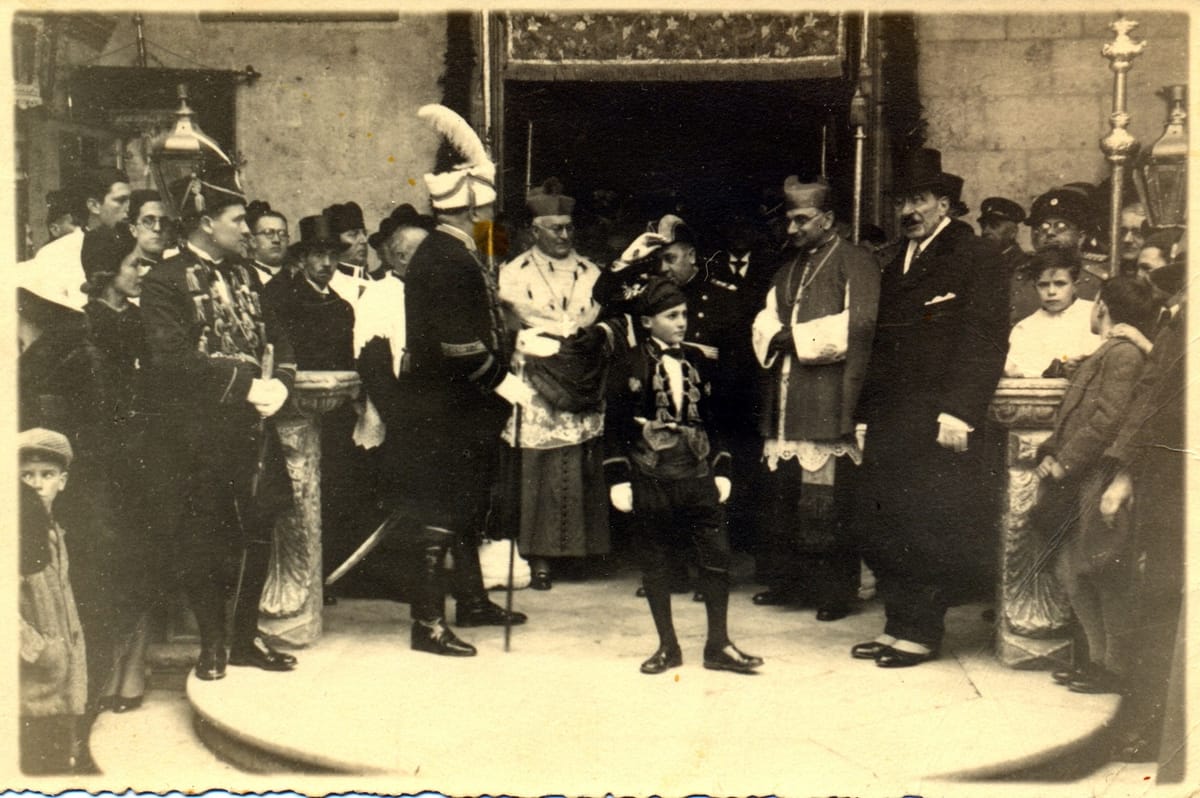
Sunday mornings were set aside for special outings by the people of Kotor, and it is remembered that between the two world wars, every Sunday, after the liturgy and Mass, the Orthodox Bishop of Boka Kotorska and Dubrovnik, Kiril Mitrović, and the Catholic Bishop of Kotor, Frano Ućelini Tice, would come together for coffee. It was a time when civic life in Kotor was of a very high standard.