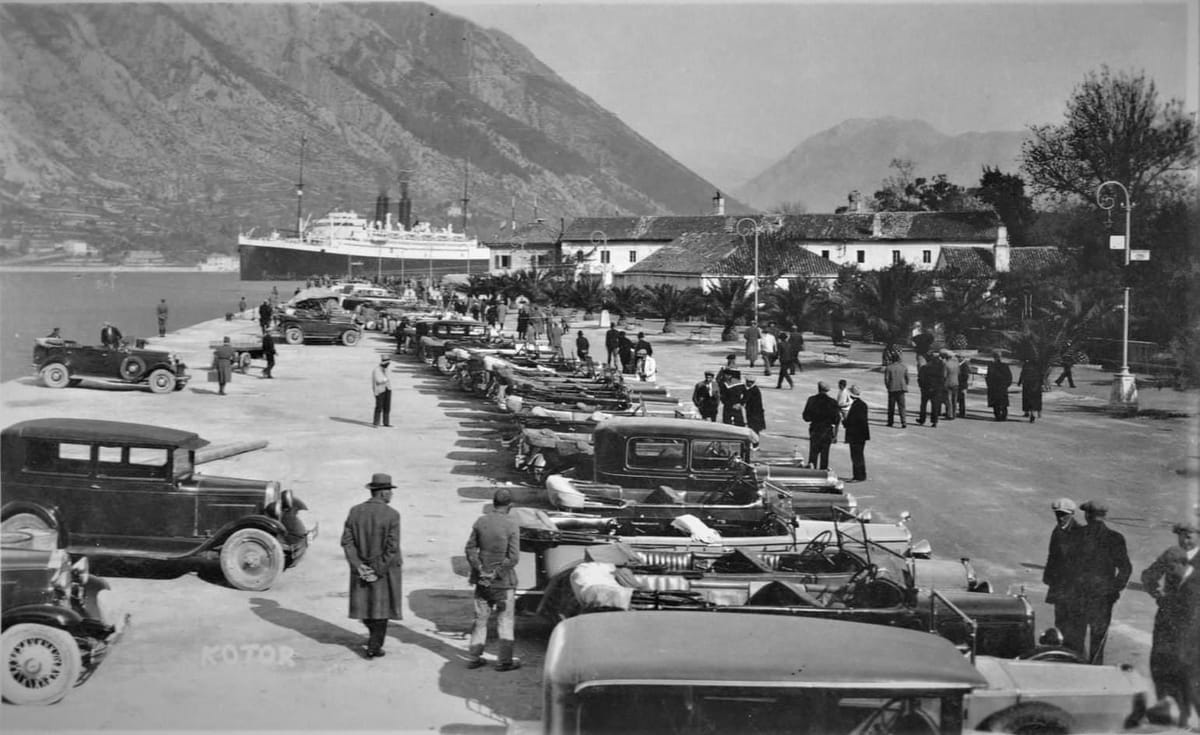
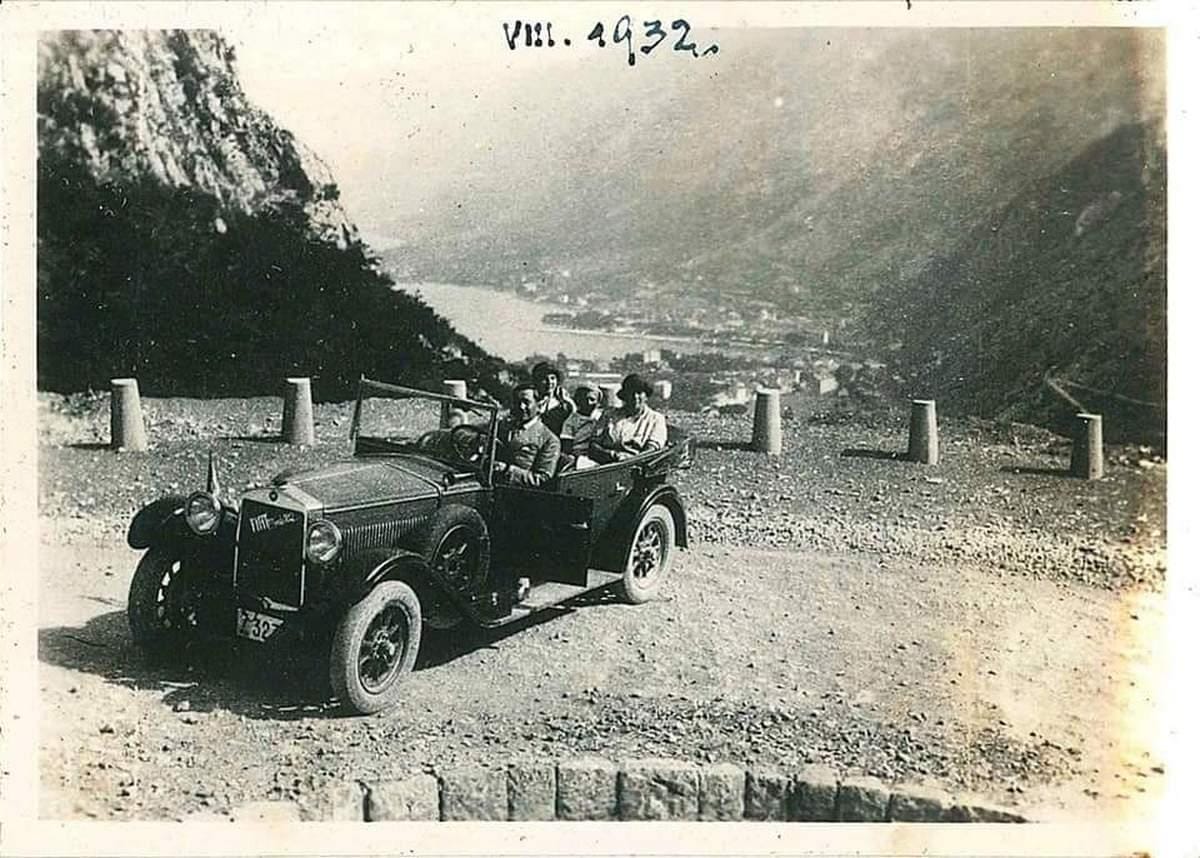
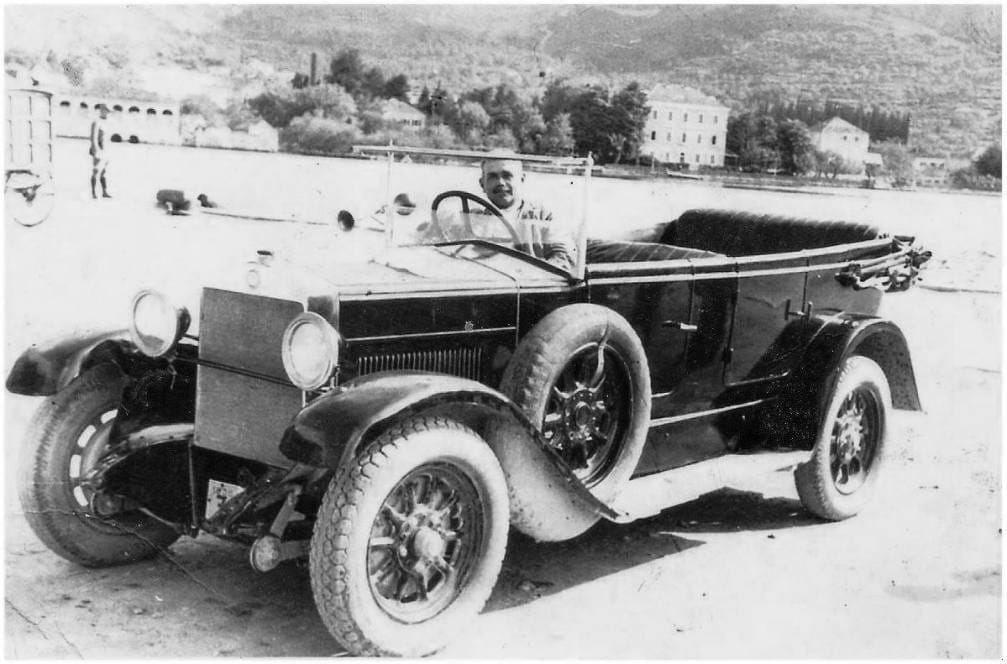
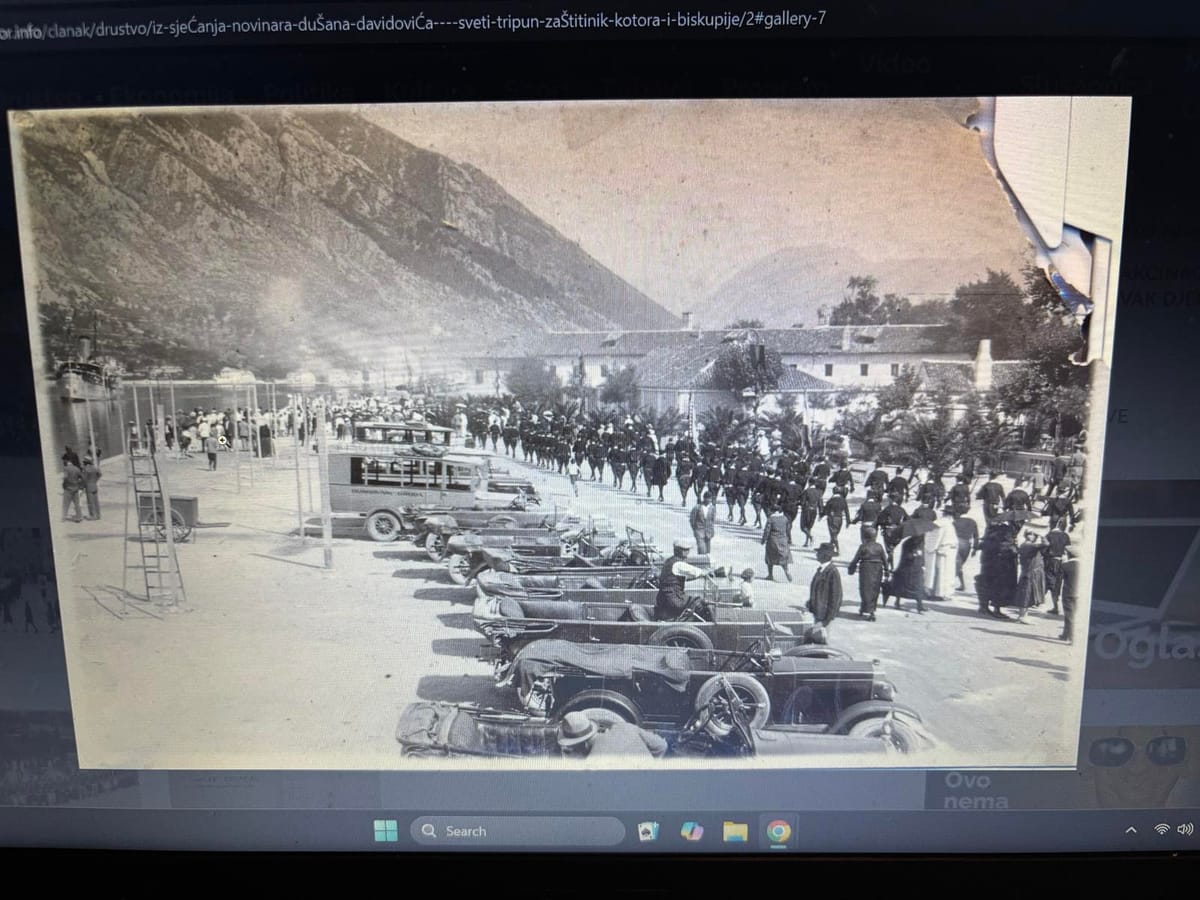
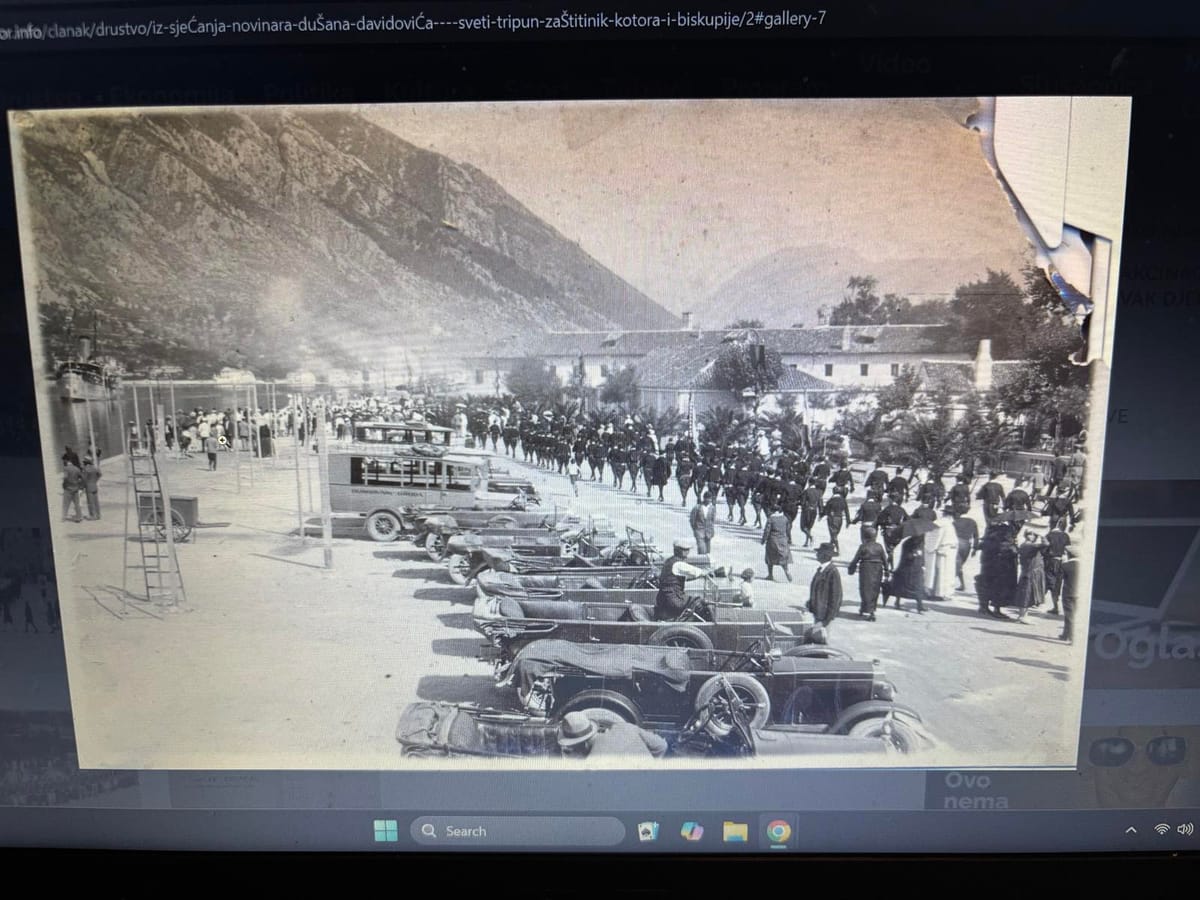
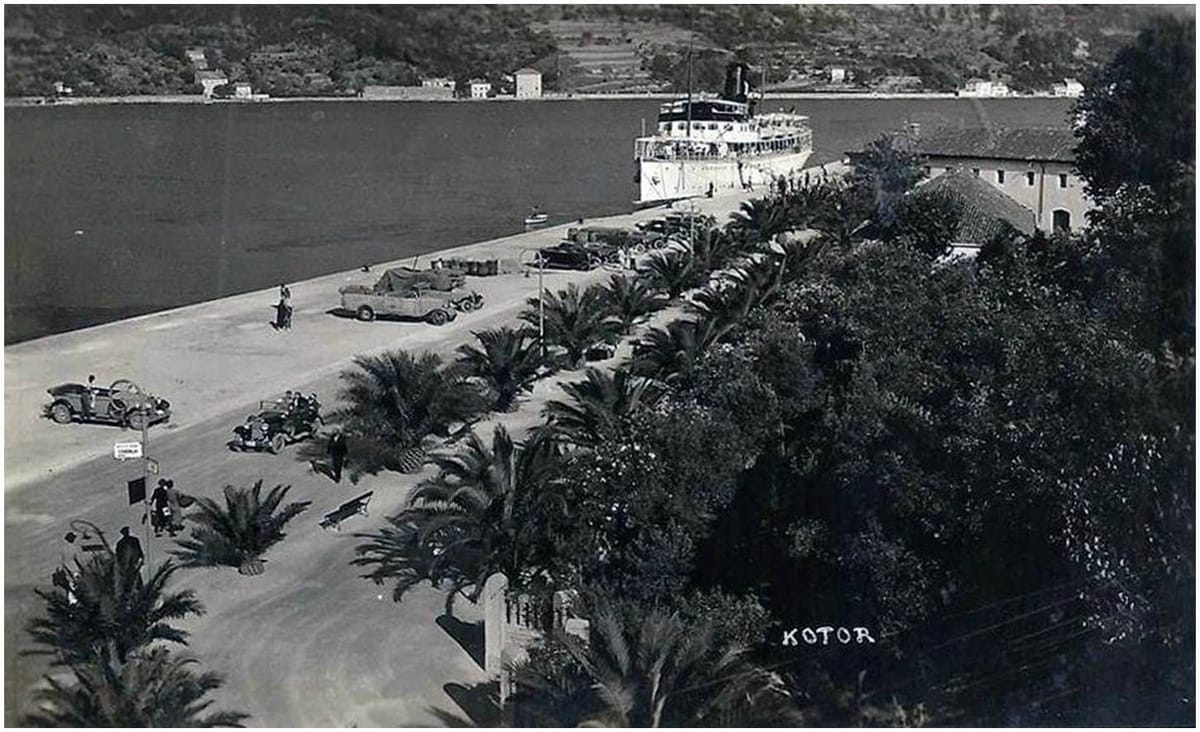
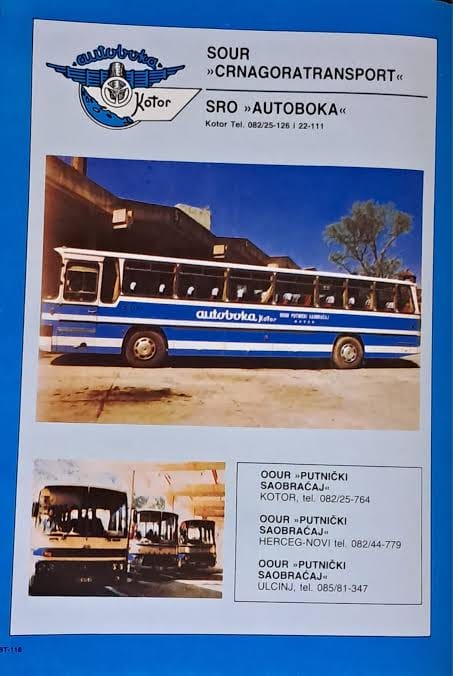
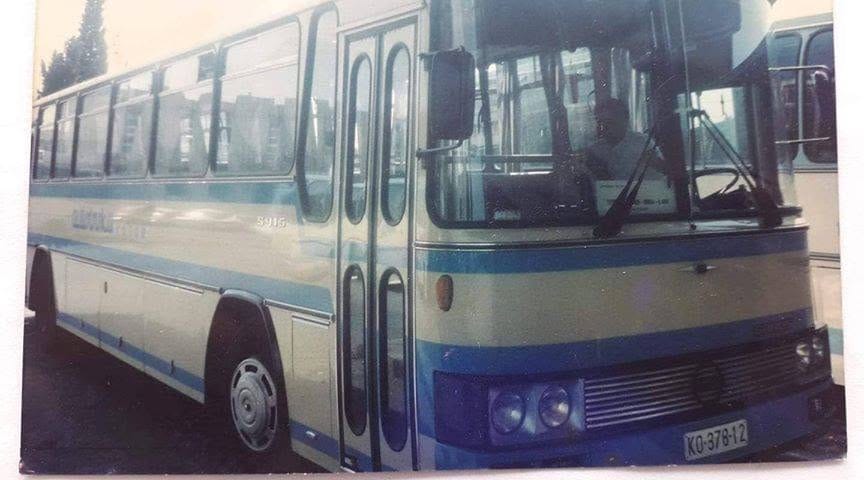
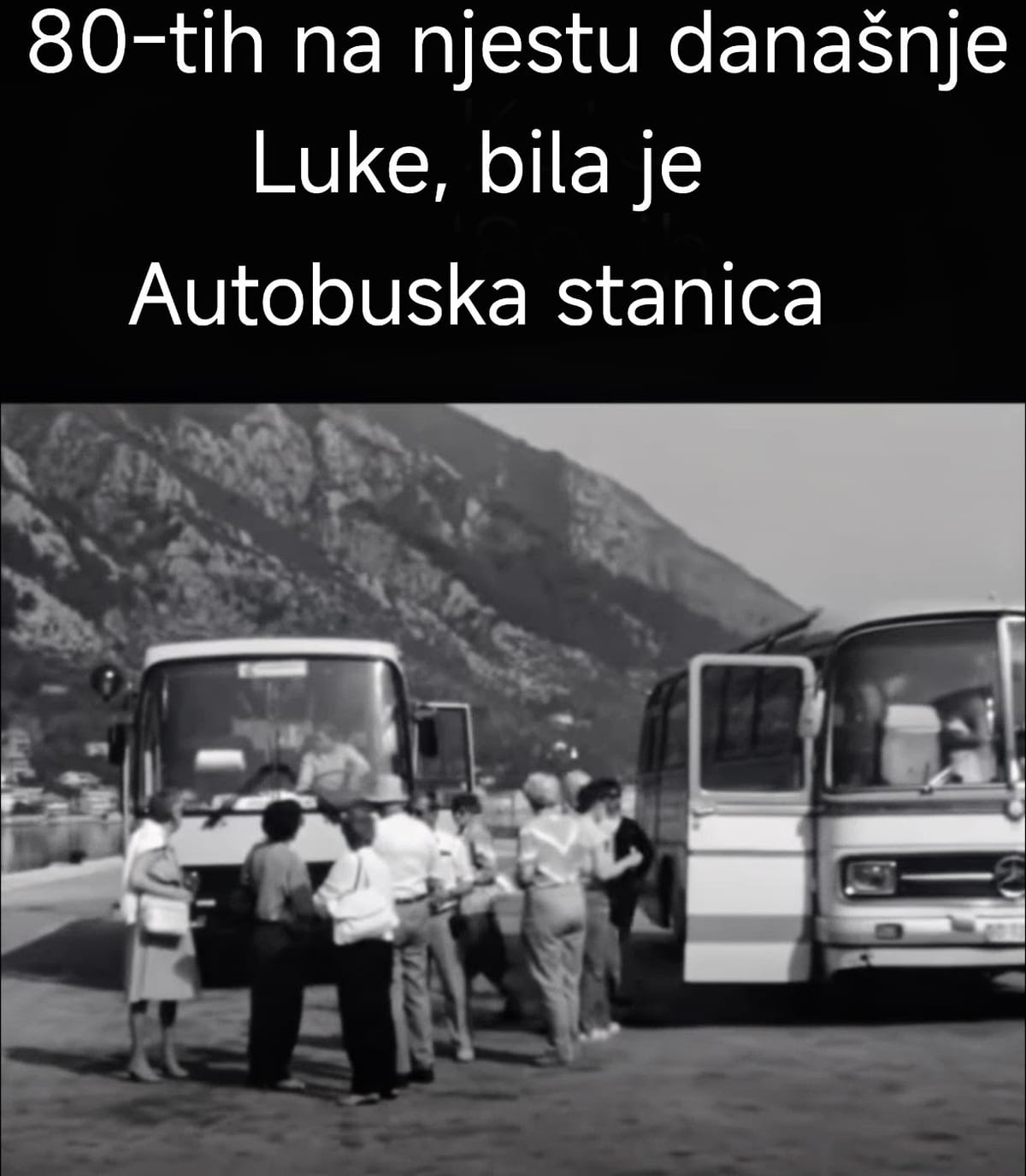
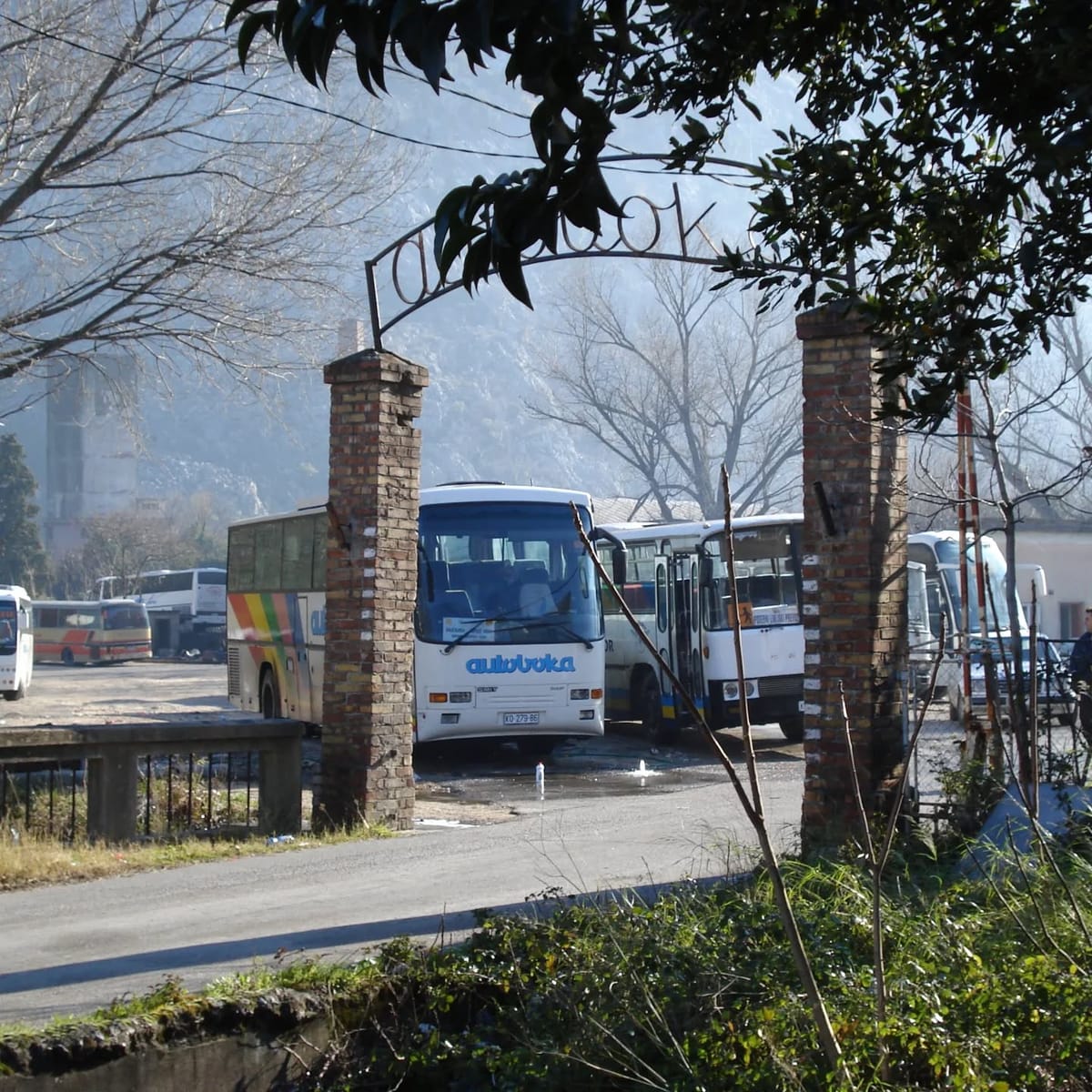
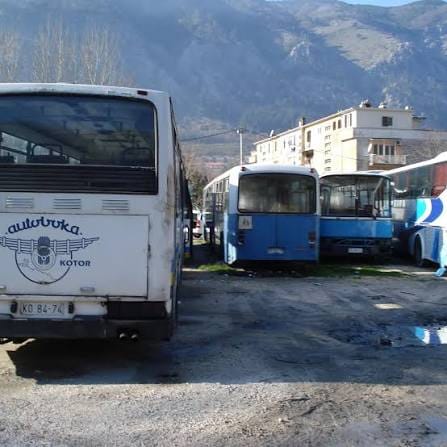
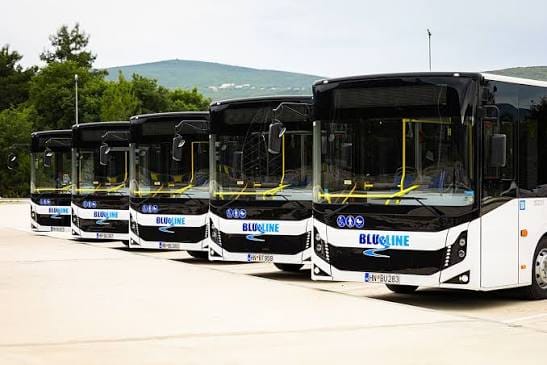
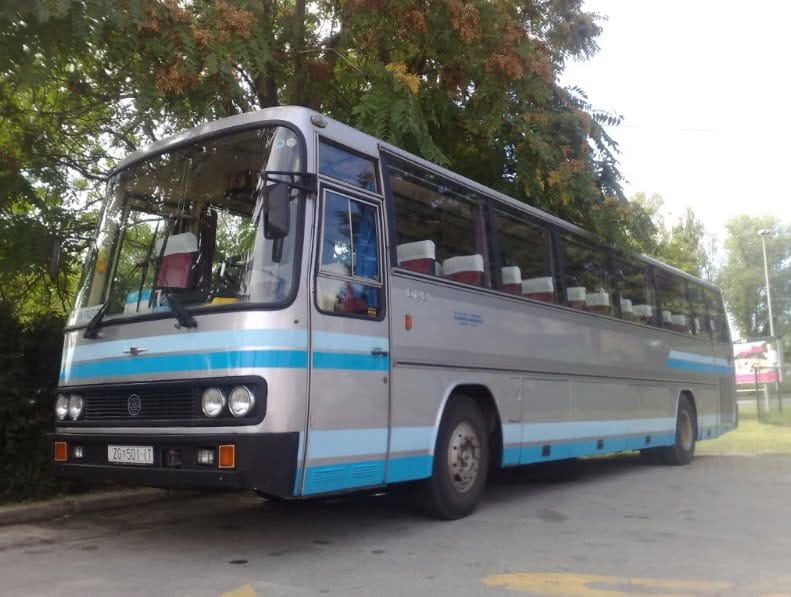
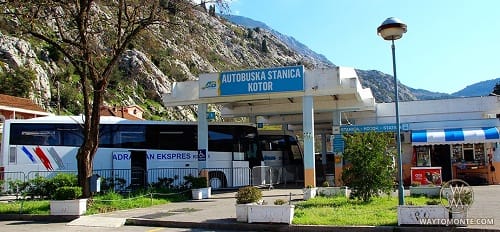
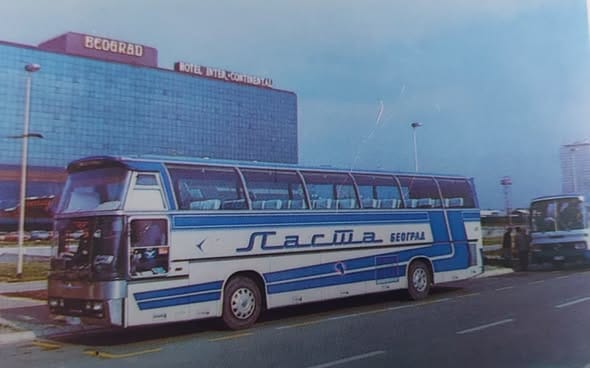
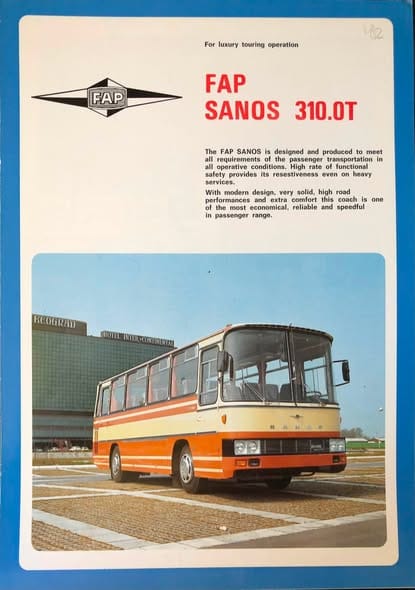
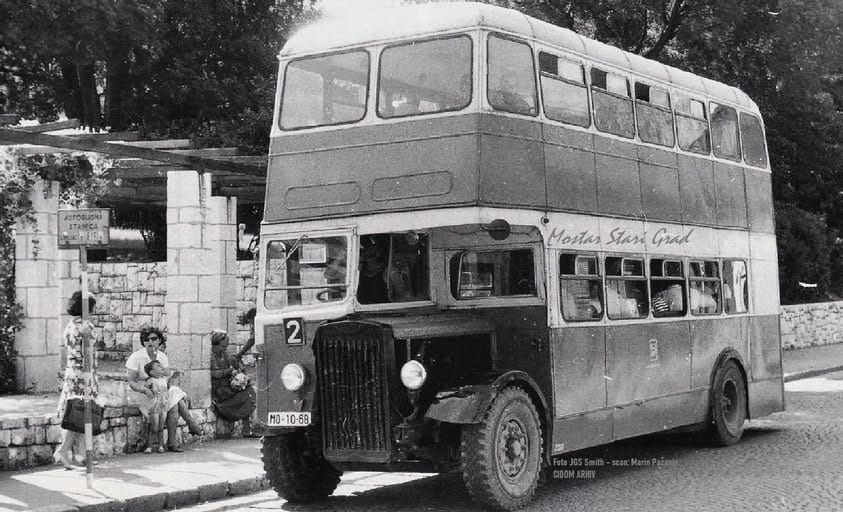
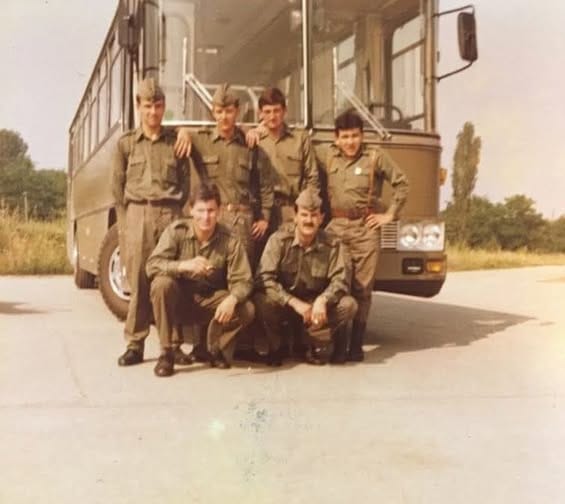
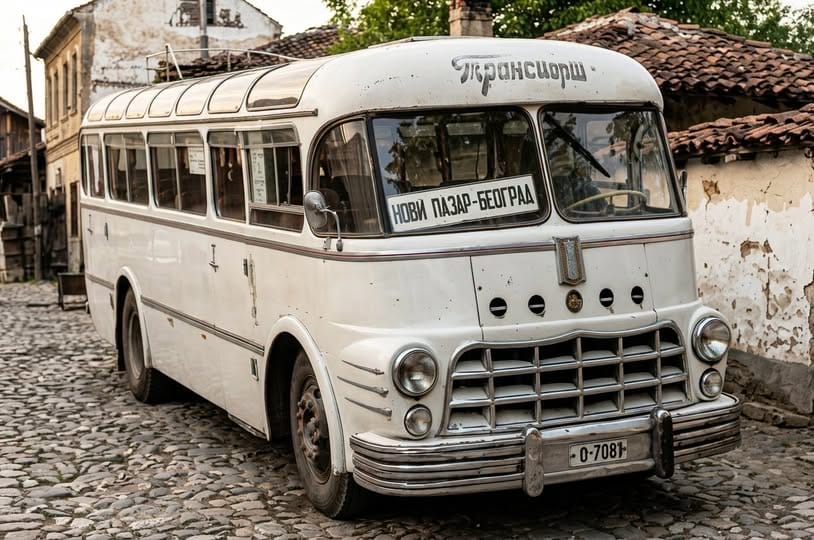
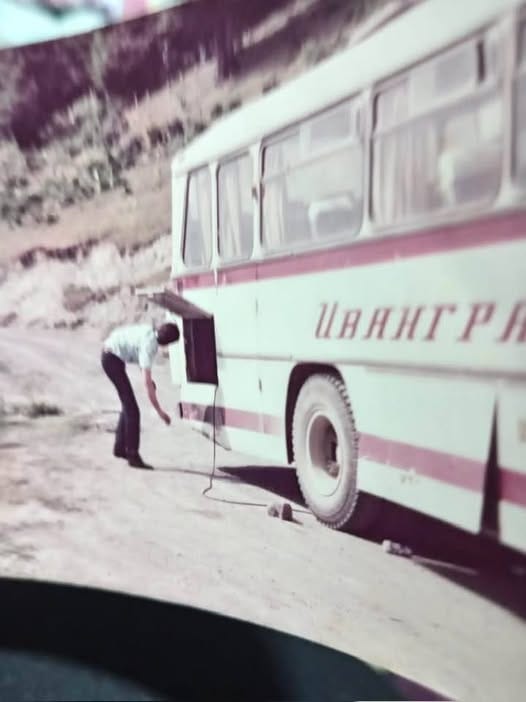
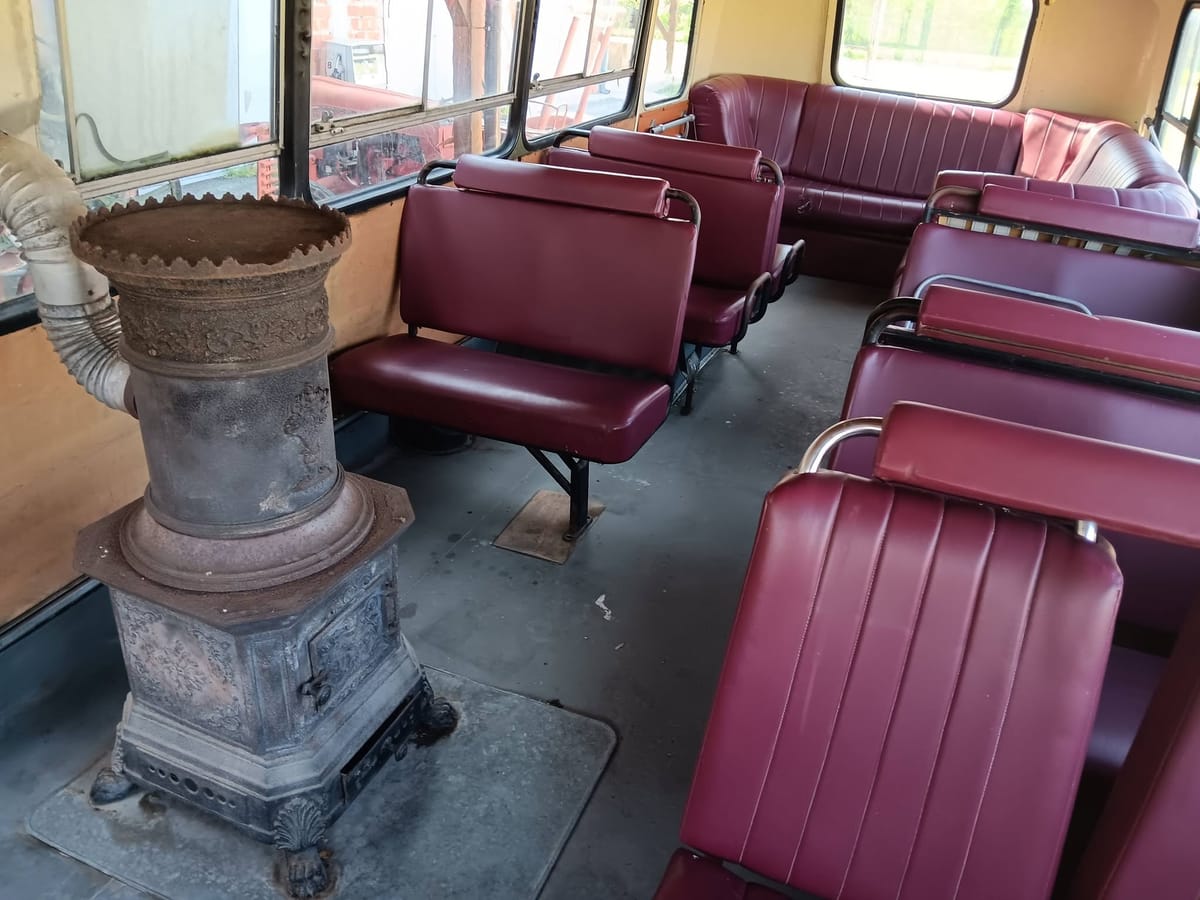
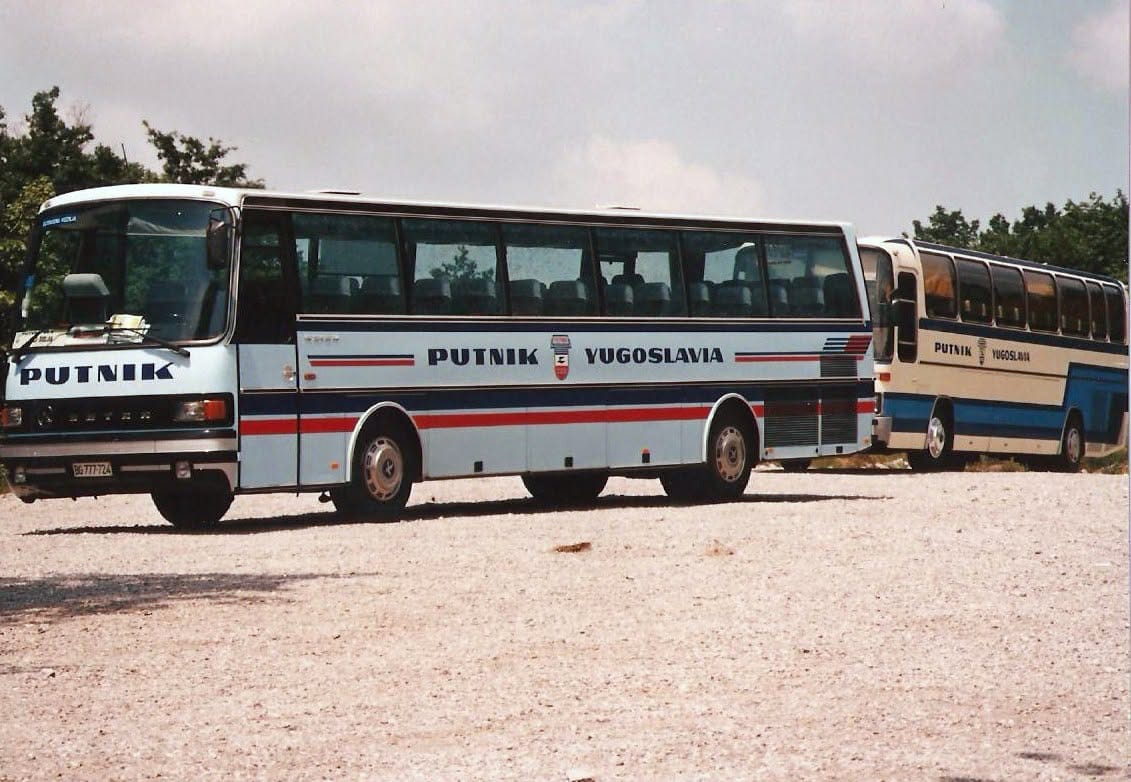
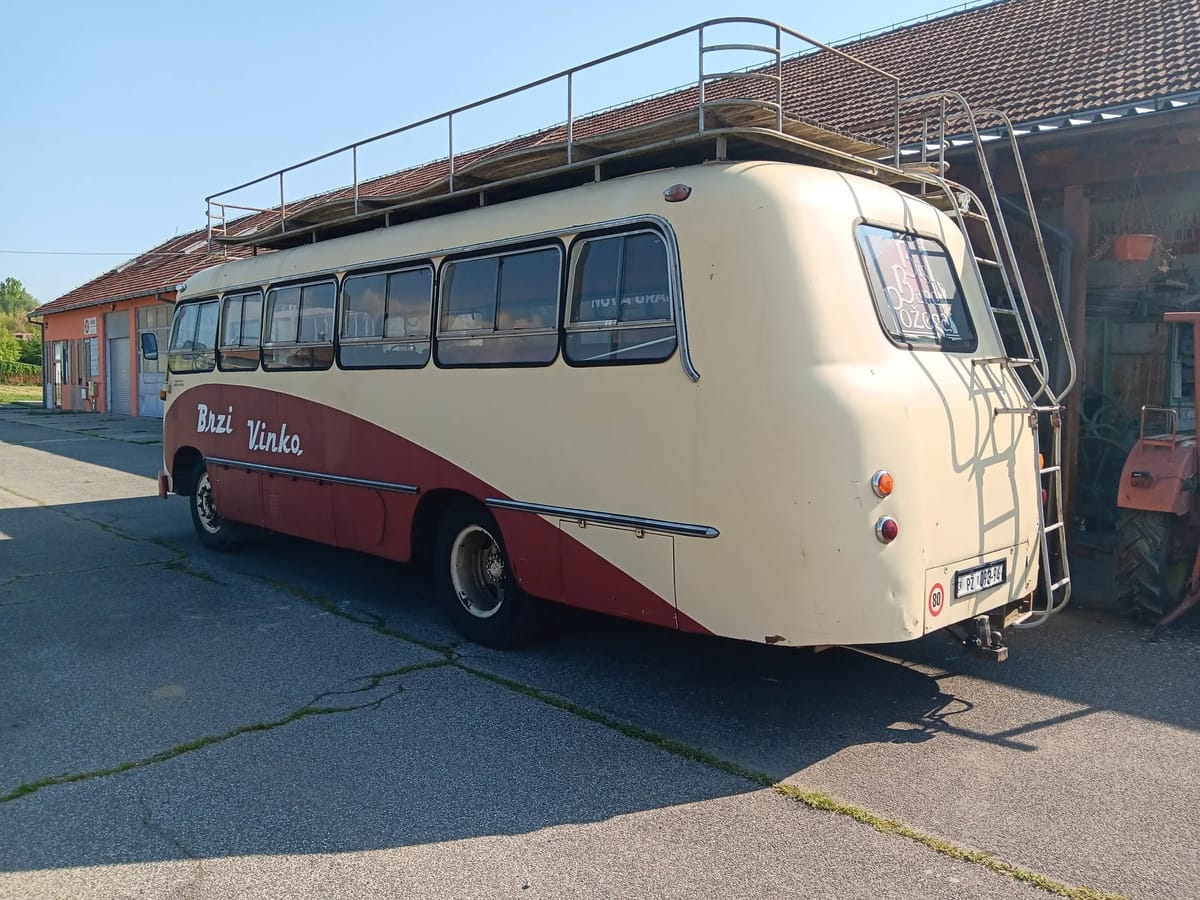
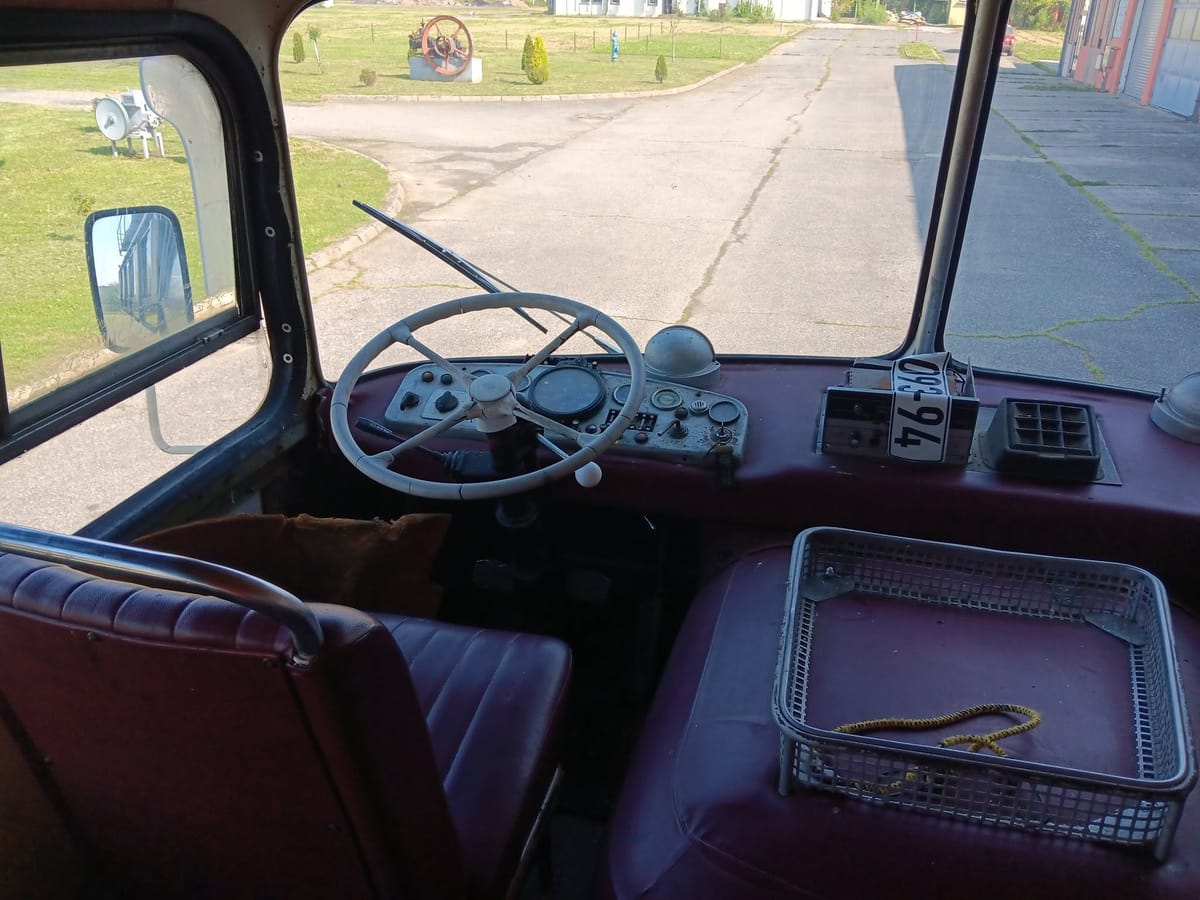
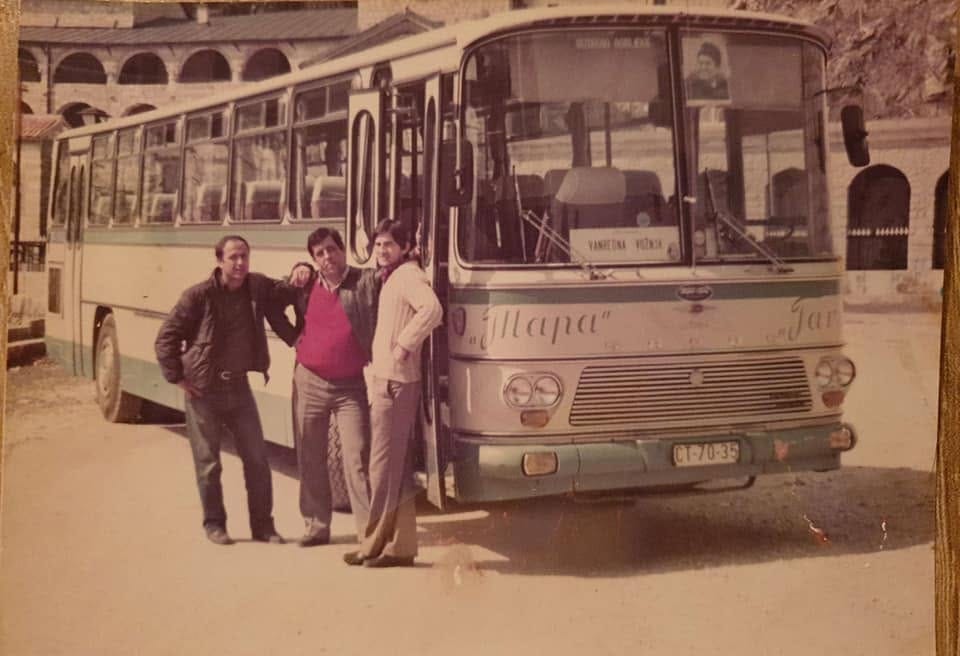
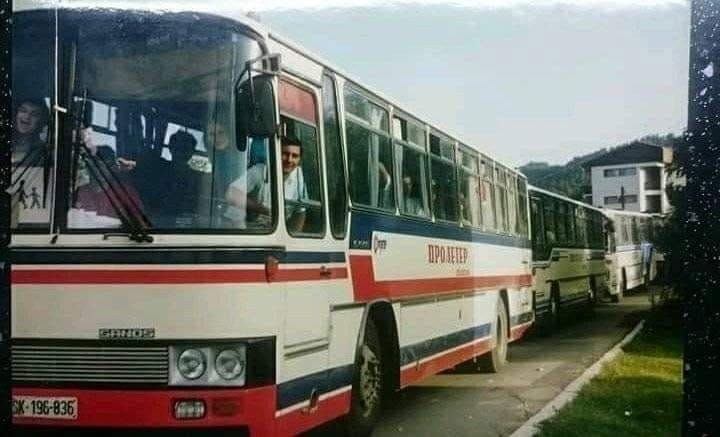
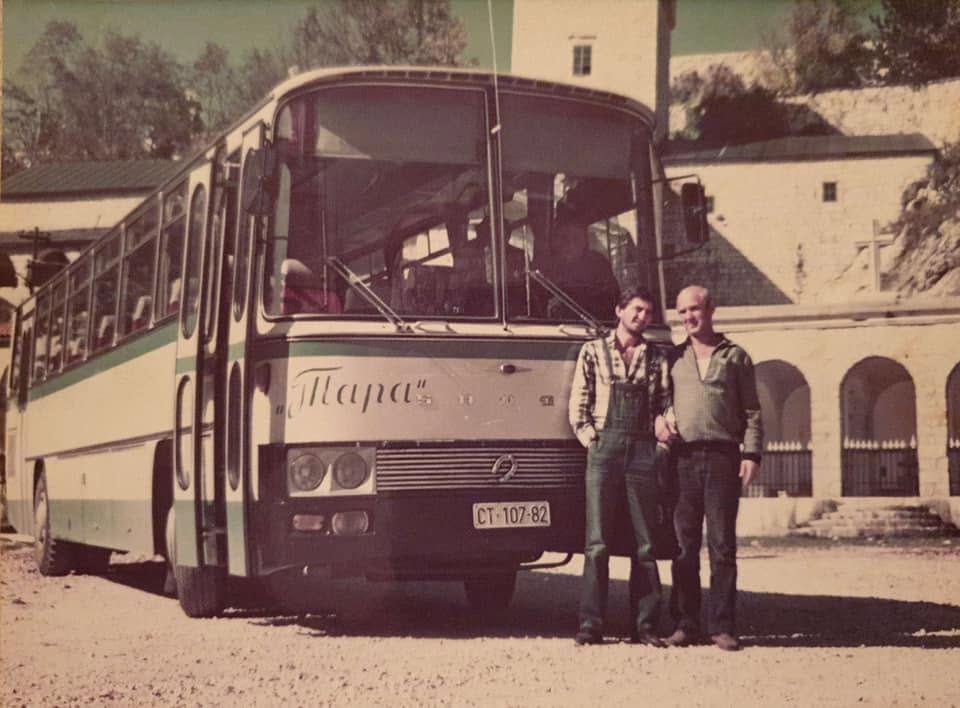
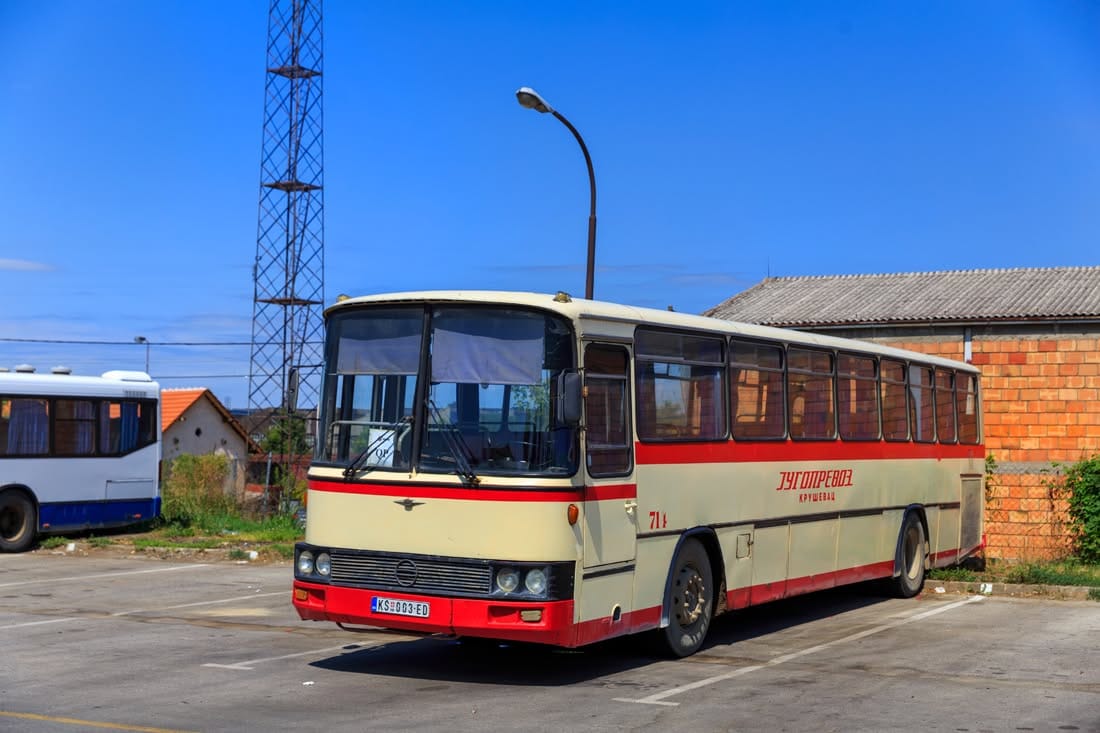
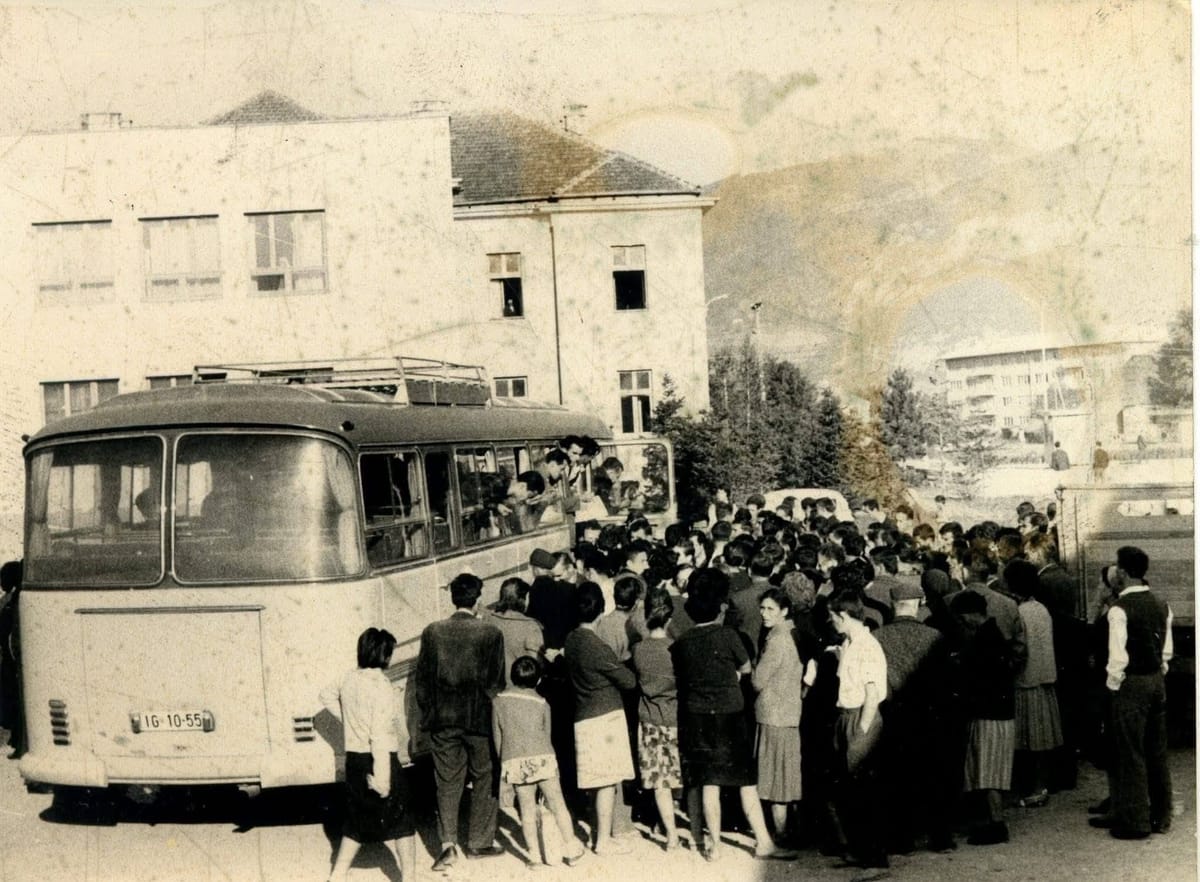
Yet Kotor has a long tradition in this kind of transport. As early as 1931 there was a company called Autobusi Boka, while in the post-war period, in 1947, the Autoboka company was founded. For decades it dominated the area from Igalo to Ulcinj, as well as the routes towards Podgorica and Dubrovnik, and later Belgrade, Sarajevo and Banja Luka. In 1980 Autosaobraćaj was founded in Herceg Novi, and since 2007 Blue Line has been operating, making its name in local, intercity, international and tourist transport.
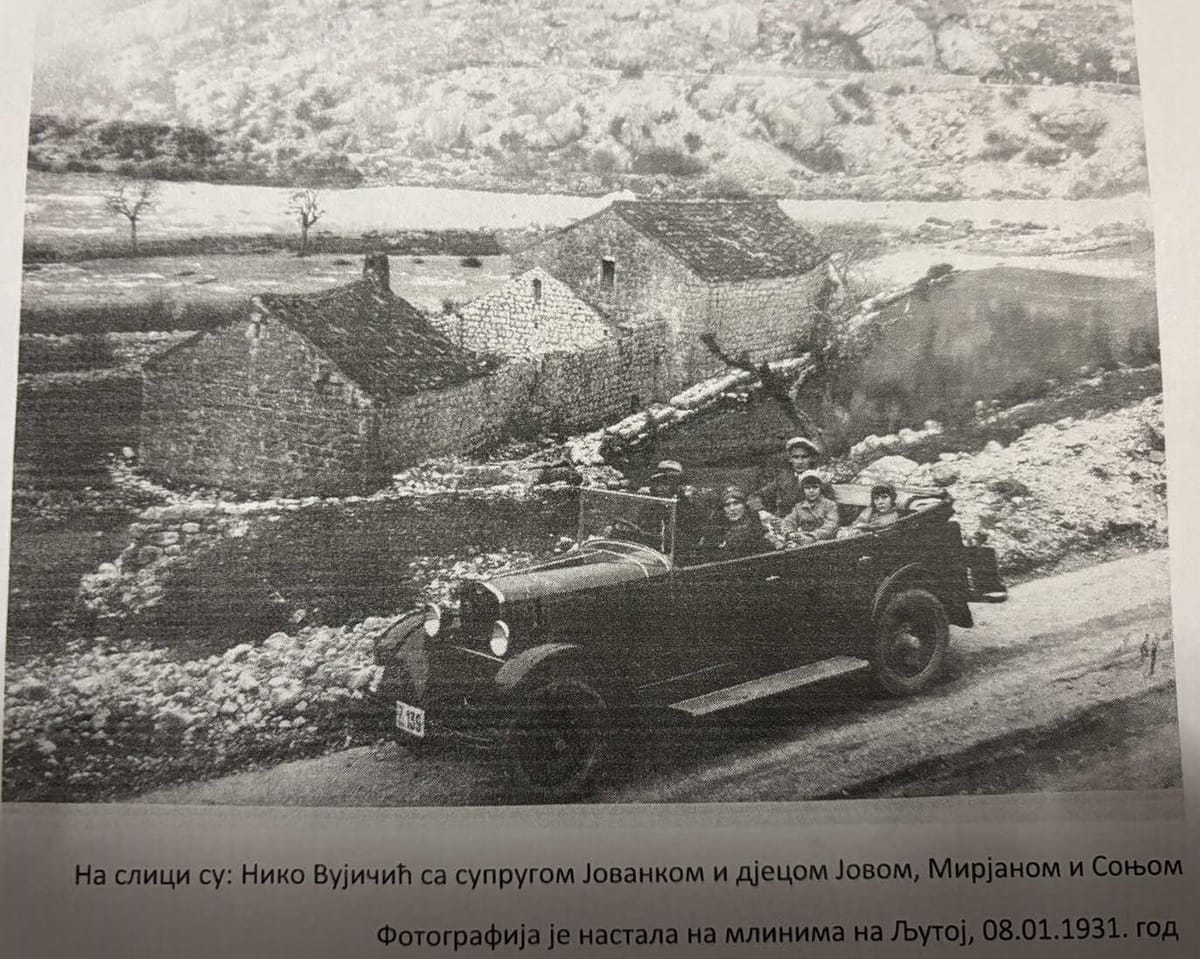
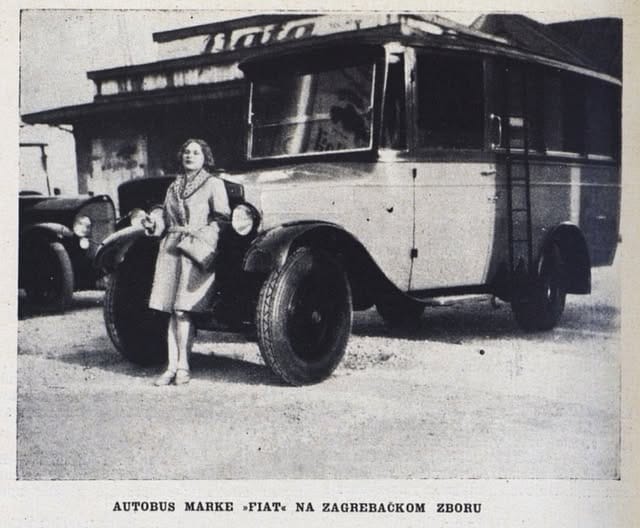
After the Great War, however, an exceptionally important firm was the forwarding, commission and agency business owned by Niko Vujičić and Pavo Vičević. Its business focused in particular on carrying goods and passengers to Cetinje and Podgorica in newer types of vehicles, although in winter it was not easy to get to Cetinje.
The path of the Vujičić family is particularly interesting. In Ottoman times they moved west from Grahovo and settled in Lika. At the end of the 19th century Jovo Vujičić arrived in Kotor with horses and carts, which marked the start of the family's rise, an account of which his great-grandson Jakša Nikezić left in the family record.
As a town on the border with Montenegro, Kotor offered plenty of work carrying goods towards Cetinje and Podgorica. Experience of working with horses in the bora winds and snows of Velebit served them well on the hairpin bends of Lovćen and in the snows of Cetinje too. Besides freight, the Vujičićs also acquired luxury carriages for carrying passengers. The Vujičić descendants remember that members of Montenegro's ruling Petrović family hired their luxury carriage every time they came to Kotor, for drives through the town and its surroundings. For those occasions the Vujičićs would put the Montenegrin coat of arms on the carriage doors, so that people would know that a member of the ruling dynasty was inside. One of the treasures from that time, still kept by the Nikezić family today, is a gold watch on a chain — a gift from Prince Nikola to Jovo Vujičić.
During the Great War, Austria-Hungary requisitioned the Vujičićs' carts and horses for the needs of the war. After the war, however, everything that had been taken was fairly paid for in the form of war reparations. With that money the Vujičićs bought the motor lorries of the day and, with their partners the Vičevićs, organised transport to Cetinje and further across Montenegro.
The Second World War put an end to the joint Vujičić–Vičević firm — the lorries were taken over first by the Italians and then by the Germans. Whatever was left of the tools and spare parts after the liberation was taken over by the new authorities, and on 30 May 1947 the owners received a decision of the People's Committee of the Kotor District closing the Vujičić–Vičević firm, on the grounds that the heirs had no legal basis to carry on the business (with the obligatory salute “Death to fascism — freedom to the people!”). Later, Niko Vujičić was informed by the office of the Chancellor of the Federal Republic of Germany, Konrad Adenauer, that the German state had paid the full war reparations to the Federal People's Republic of Yugoslavia, but the Vujičićs still never managed to recover their losses.
Today these recollections seem almost unreal, since both bus and freight transport are in private hands. Yet long and hard was the road of those who played a pioneering role and lived through the wars and the changes of systems and states in our part of the world.