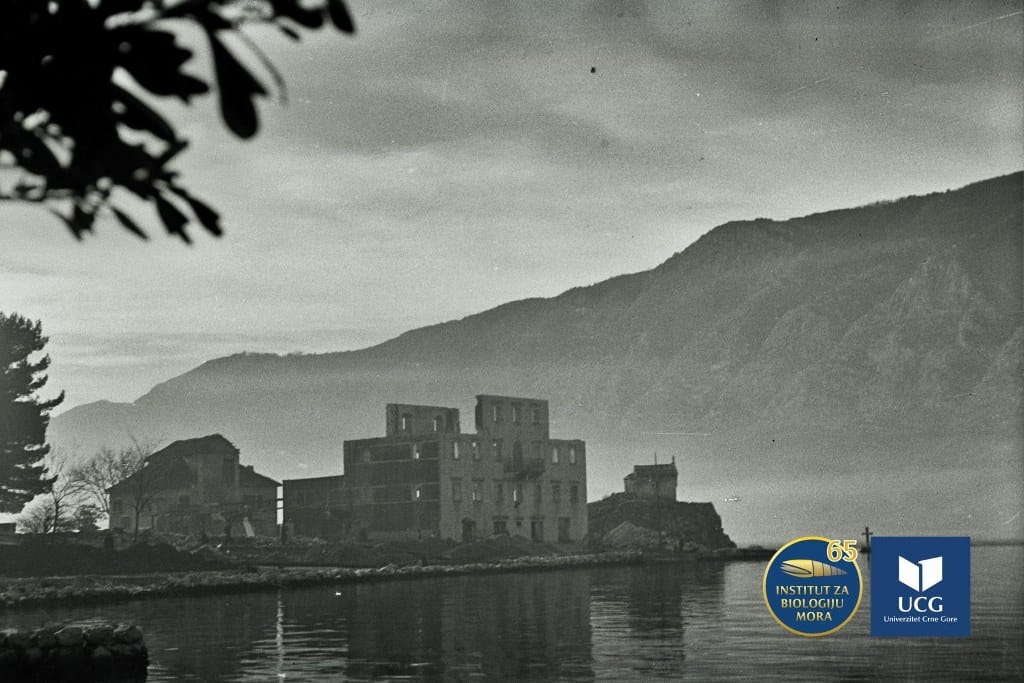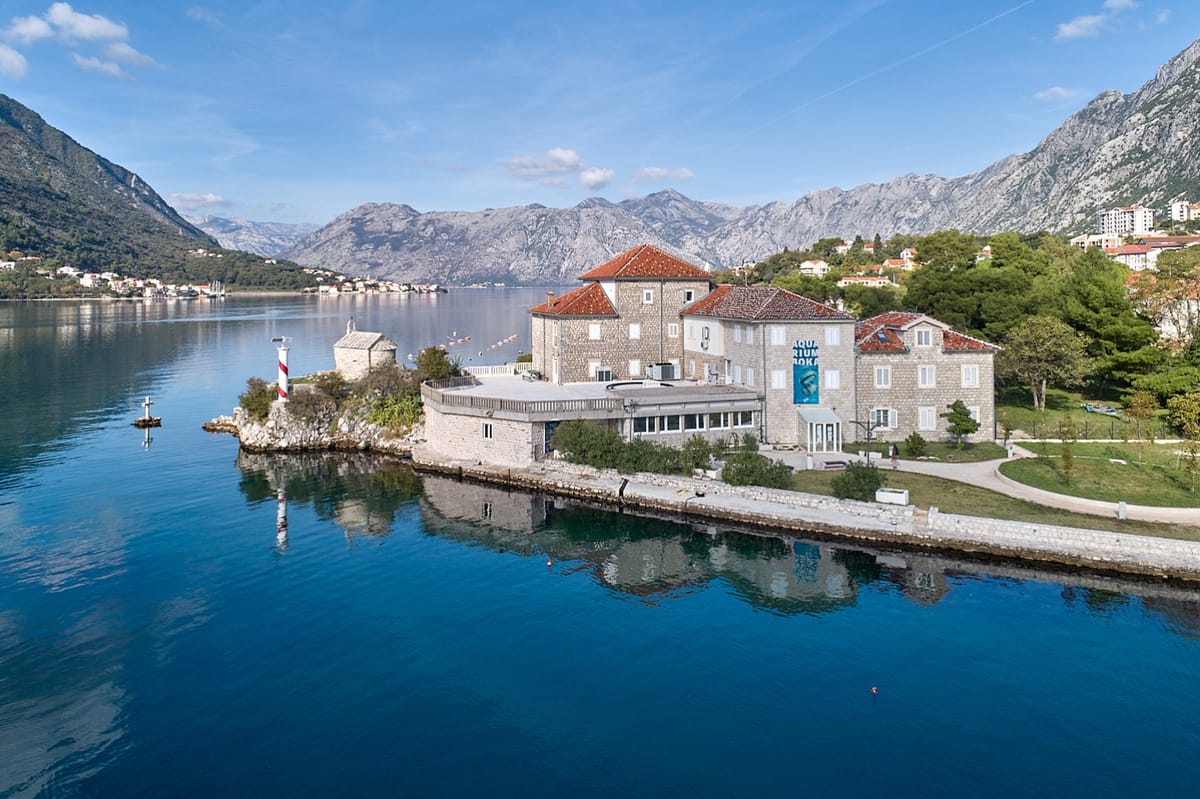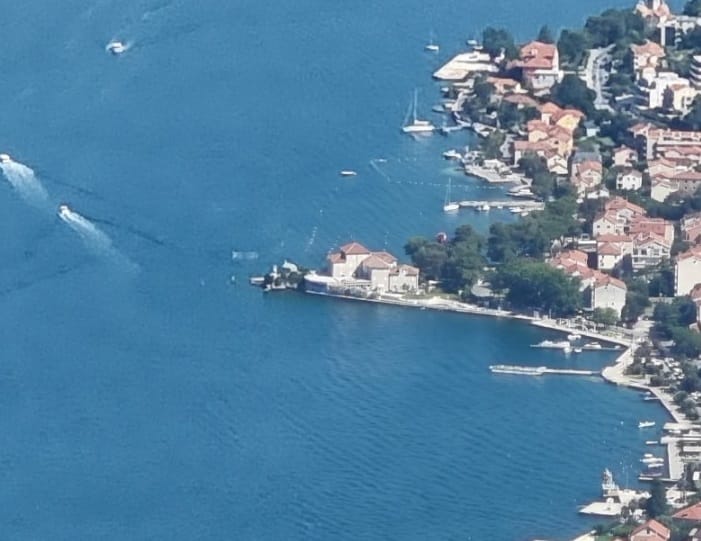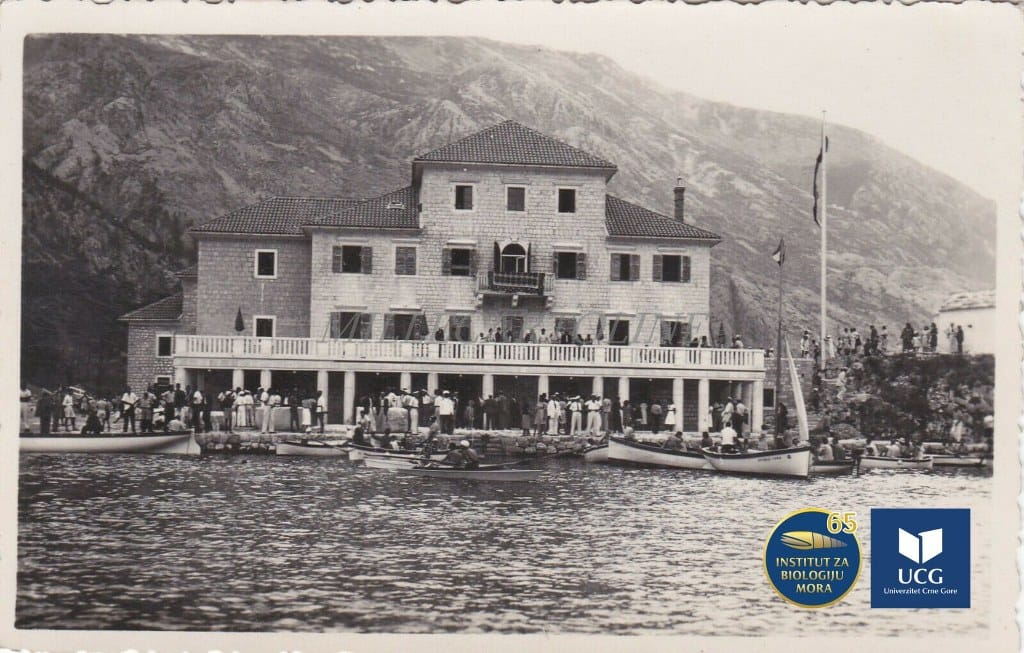
The history of the Radoničić palace, dating from 1808, is interesting too: in 1937 it was bought by the then organisation “Adriatic Guard” (its Regional Committee from Novi Sad) for the needs of young people. During the Second World War it was used mainly by the occupying forces, and after the liberation by students of the Maritime Secondary School, and for a while it also served as a children's home. Since the scientific institution was formed, it has been at the disposal of the Station, that is, of today's Institute. True, in the period after the 1979 earthquake part of the building was used by the Kotor Secretariat of Internal Affairs, and after the army moved out of its facilities in Lepetani there were initiatives — which did not come from Kotor — to move the institution into the former military buildings along the Opatovo–Lepetani stretch. Fortunately, those plans, clearly driven by particular interests, were never carried out.
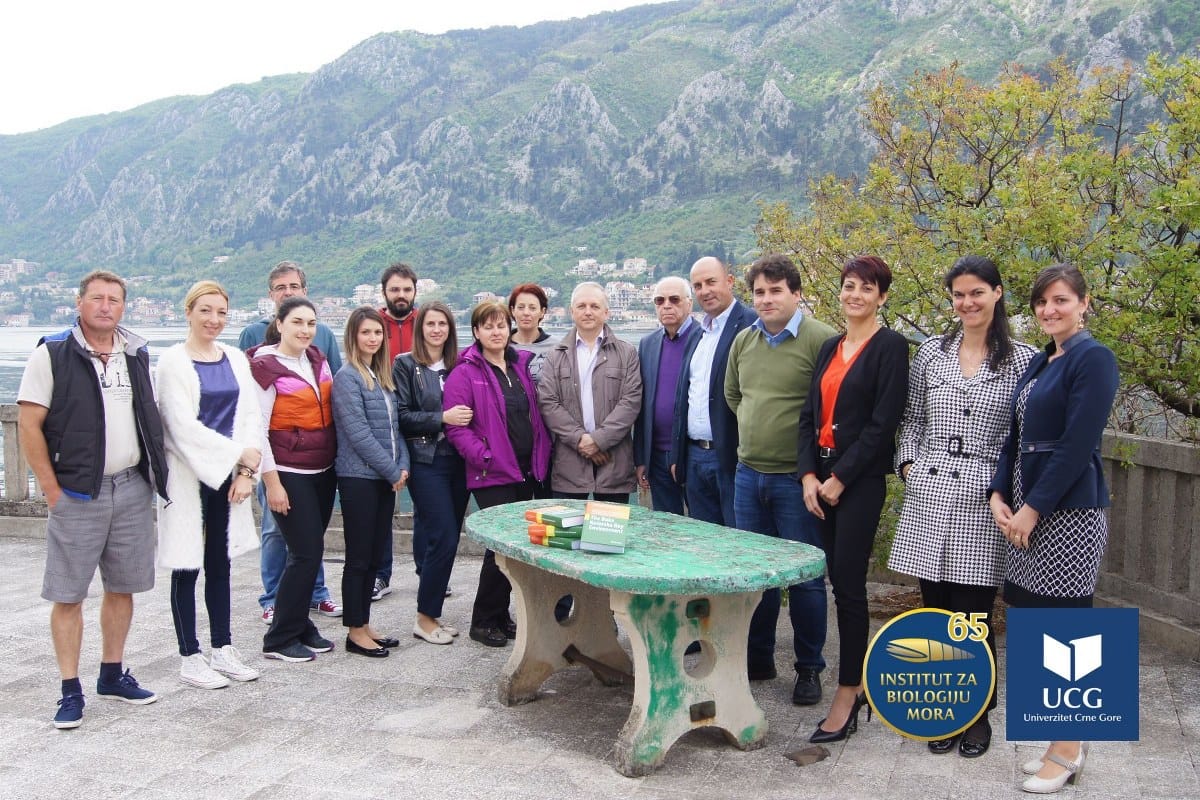
From the first director, Academician Vladimir Lepetić, to the current one, Dr Mirko Đurović, the institution has been headed by distinguished scientists. Over various periods of cooperation with experts from all over the world, numerous professional meetings were organised and laboratories were run, among them one for brain research. With the participation of leading authorities from the former Yugoslavia and the world, the experts of the Station and the Institute also worked with holders of the highest scientific honour — the Nobel Prize. Many true researchers and scientists often came back to the Kotor Institute, devoted to their work and modest, which is why they often went unnoticed by the wider public.
Still, one international collaboration with experts from Norway, on an attempt to farm salmon in the Bay of Kotor, attracted a great deal of media attention in its day, even though the hoped-for results were not achieved. Another event whose significance went beyond science alone was the first meeting of researchers from the USA and Russia, held at the “Splendid” hotel in Prčanj with the Station's technical support, but without the public being informed.
Just these days, experts from Mediterranean countries have gathered as guests of the Institute, with a range of interesting topics. In this way researchers of the newer generations are carrying on along the well-trodden paths and the long-established plan of work laid down by Nikola Kovačević, Sreten Mandić, Zoran Kljajić, Milorad Gojković, Lidija Lazarević, Ljubica Rogač, Dušan Vukanić, Jovan Stjepčević, Aleksandar Josimović, Vesna Mačić and others.
Bearing in mind global climate change, the rise in sea temperature and the appearance of marine organisms and fish that were not previously present in the Adriatic Sea — along with the heavy traffic of ships and speedboats in the narrowest part of the Bay of Kotor — the public and fishermen rightly expect expert comment and guidance from the Institute's specialists on developments that increasingly worry fishermen and the public at large.