Experts at the Institute of Marine Biology in Kotor also point to these figures, considering their American colleagues’ findings alarming. According to scientific data, some six million dolphins roam the seas and oceans worldwide, and in most countries they are protected from fishing by law. Even so, dolphins’ lives are getting ever shorter. The causes are sought in climate change and rising pollution, but also in overfishing, in which dolphins become collateral damage.
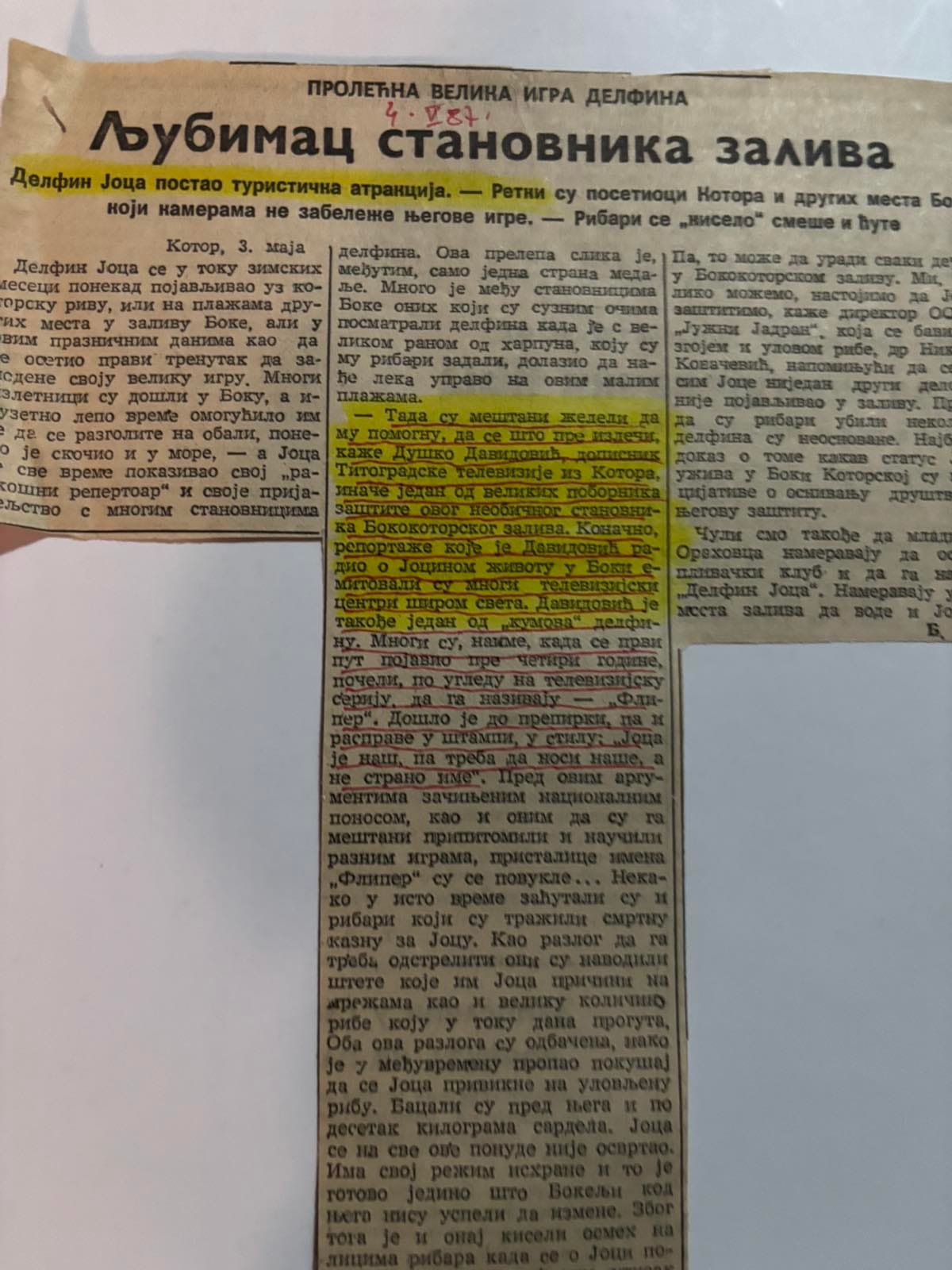
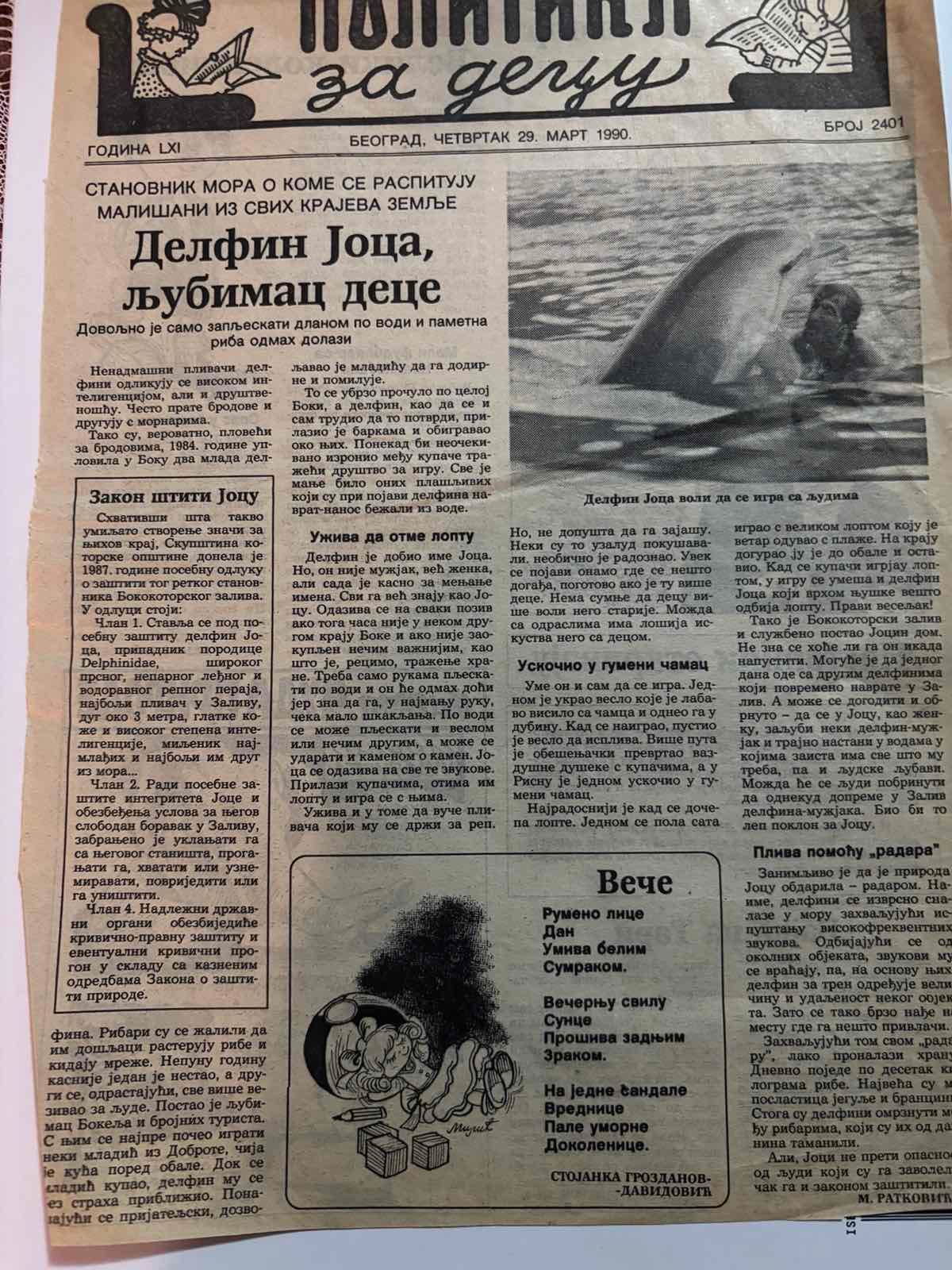
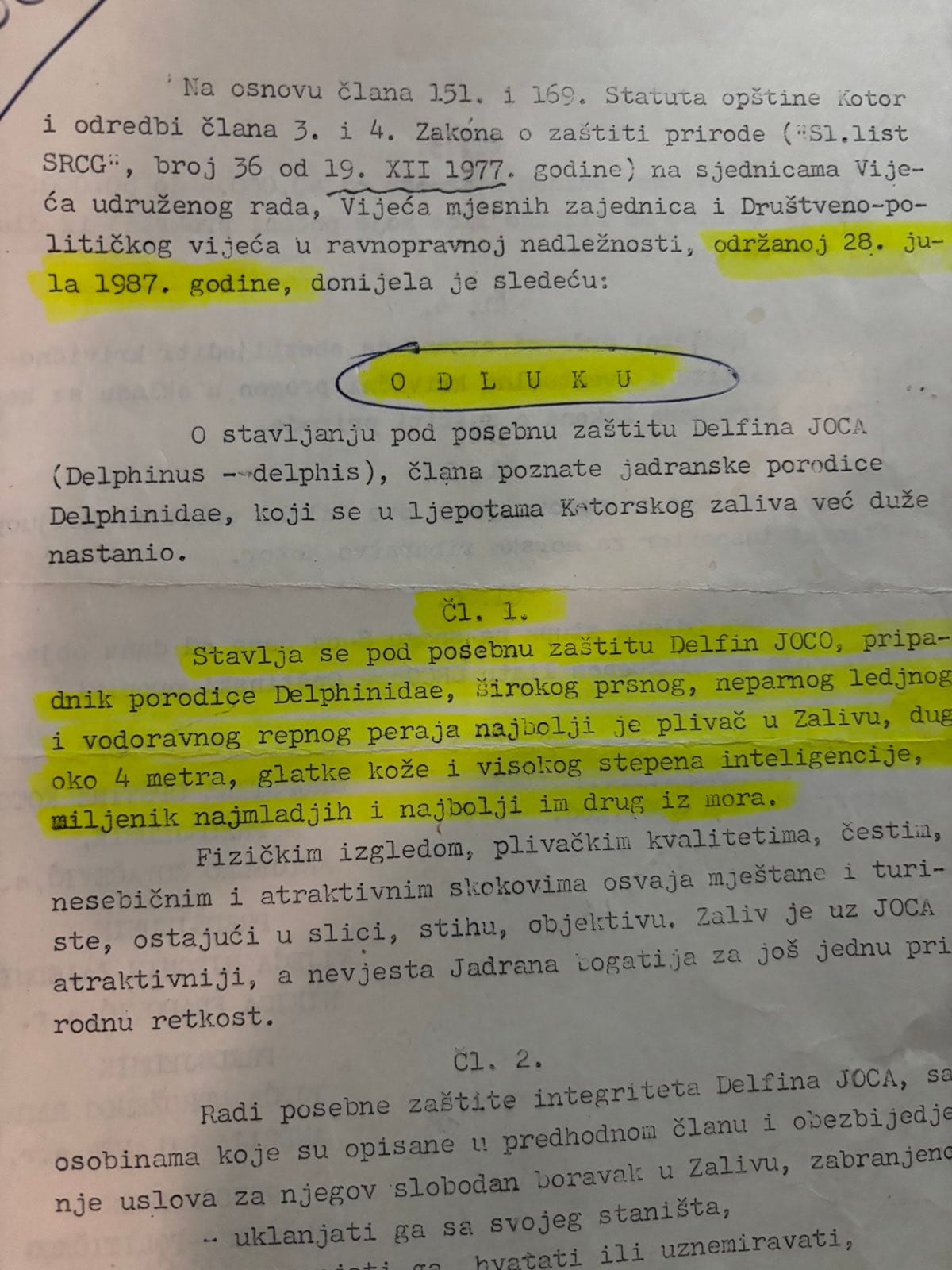
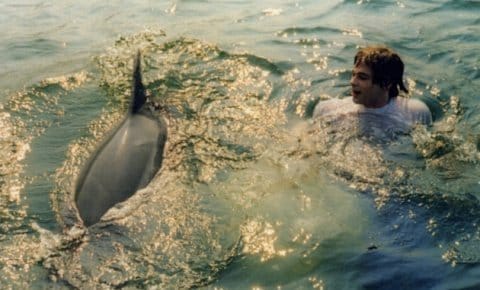
Still, the decision of the Kotor Municipal Assembly of 28 July 1987 placing Joca the dolphin under special protection echoed around the world. Article 1 of the Decision on Placing the Dolphin Joco under Special Protection read: “The dolphin Joco, a member of the Delphinidae family, with broad pectoral, single dorsal and horizontal tail fins, the best swimmer in the bay, about four metres long, with smooth skin and a high degree of intelligence, the darling of the youngest and their best friend from the sea, is hereby placed under special protection”.
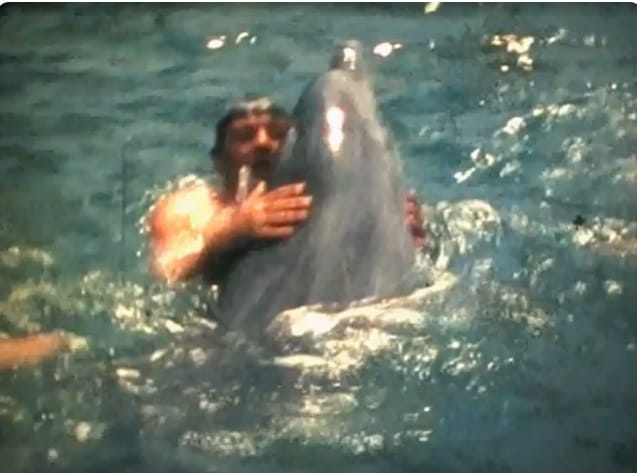
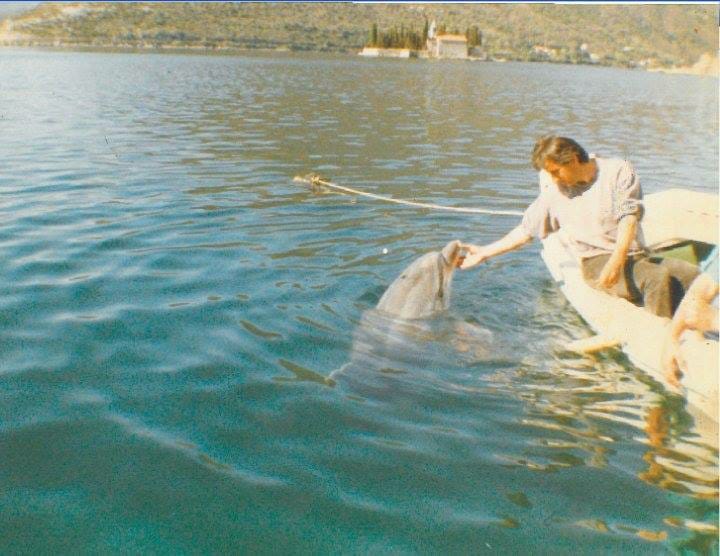
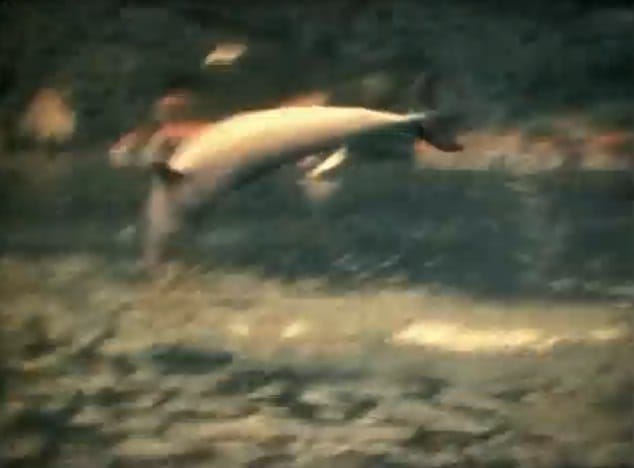
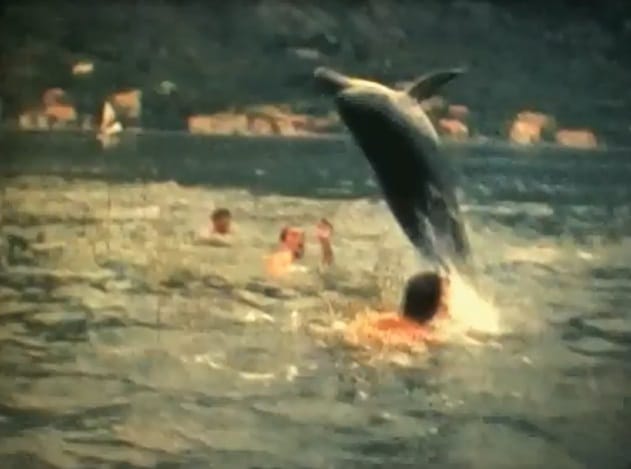
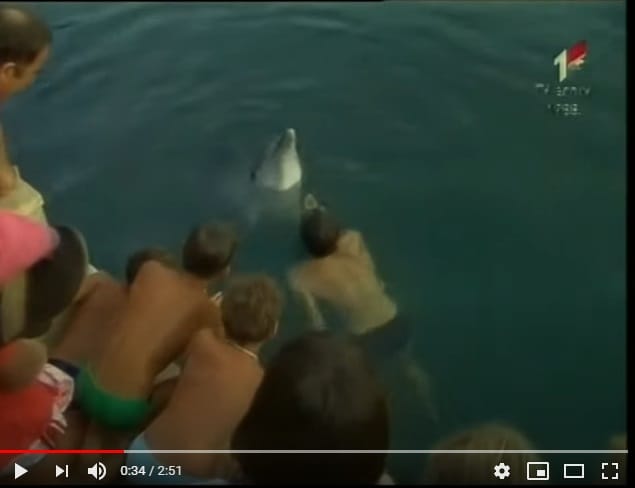
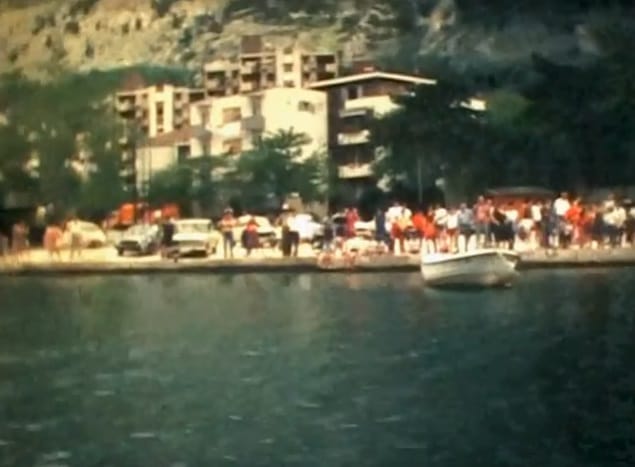
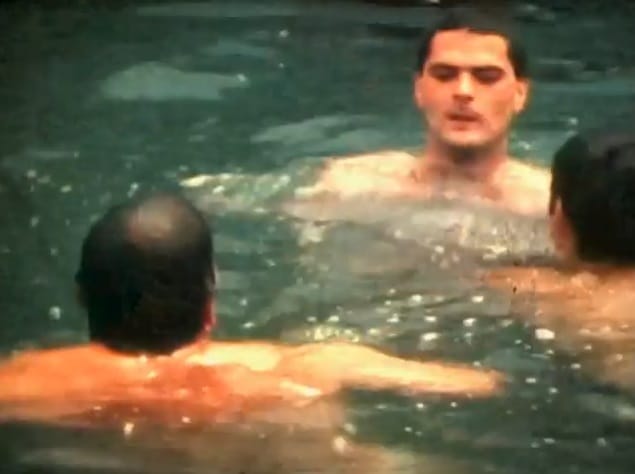
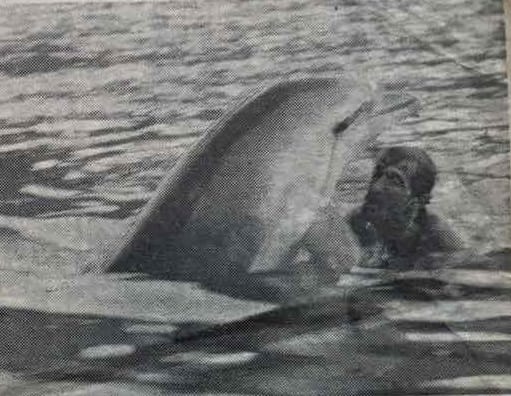
The pleasure of being the first cameraman in the Bay of Kotor to film Joca the dolphin at play fell to Dragan Tomašević, then working at the TV CG bureau in Kotor. “I was on assignment in Tivat, filming something completely different, when a fellow journalist and I noticed a dolphin playing with an older man not far from the pier in Tivat. I switched on the camera, and that footage was broadcast on the TV news the same evening,” Tomašević recalls. Joca later starred in several TV programmes: in 1988, for the entertainment show “Summer Night in Kotor”, co-produced by TV Titograd and TV Ljubljana, Joca was filmed playing with a man from Kotor right next to the pier in Kotor. For TV Titograd’s Weekend Programme, a proper report was broadcast featuring Joca and children at the beach in Orahovac. So Joca was the attraction of Kotor and the whole Bay of Kotor for several seasons, until he disappeared. Why and how was never officially established.