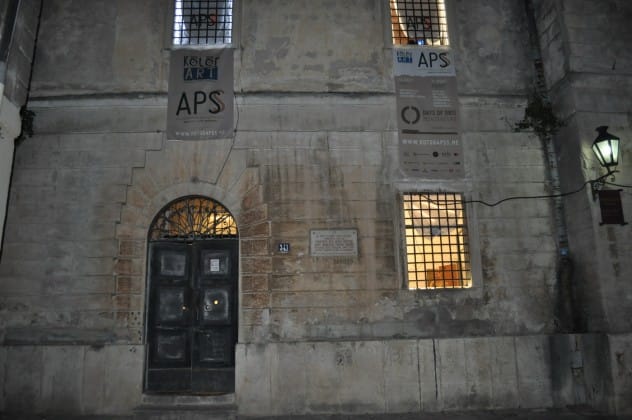
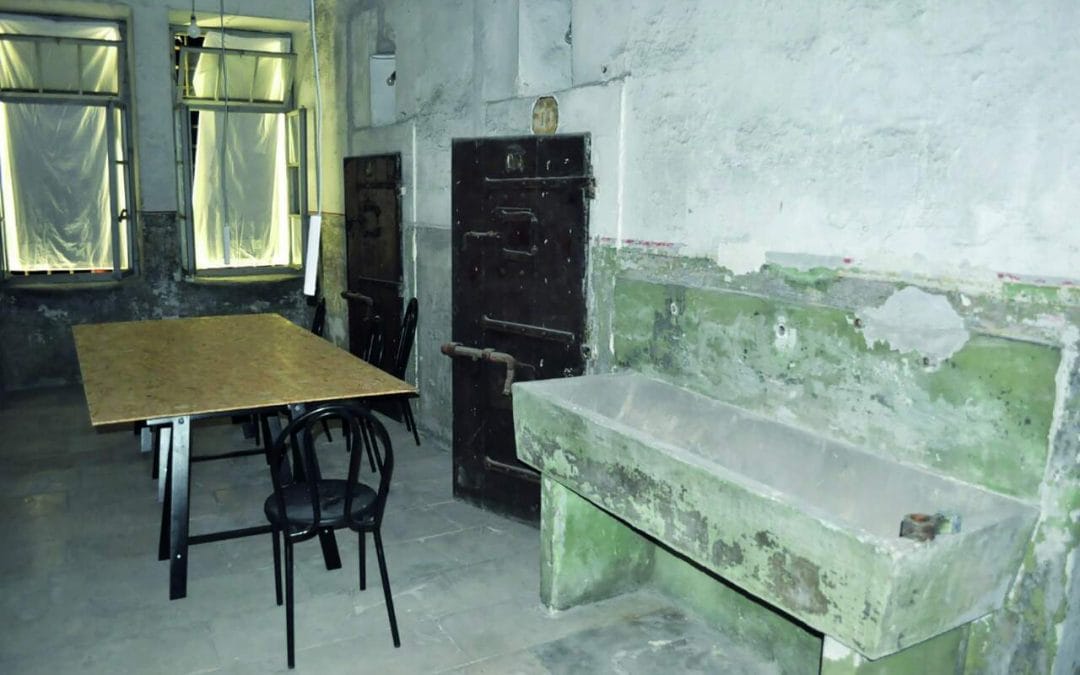
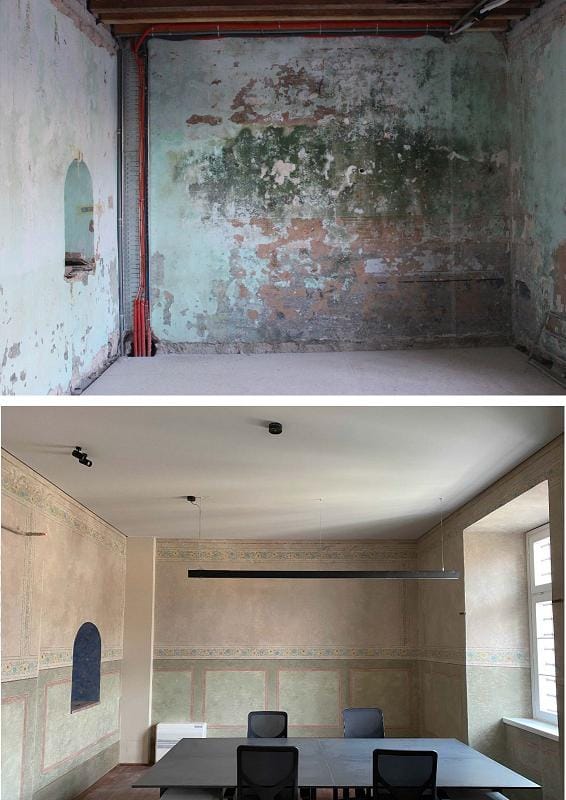
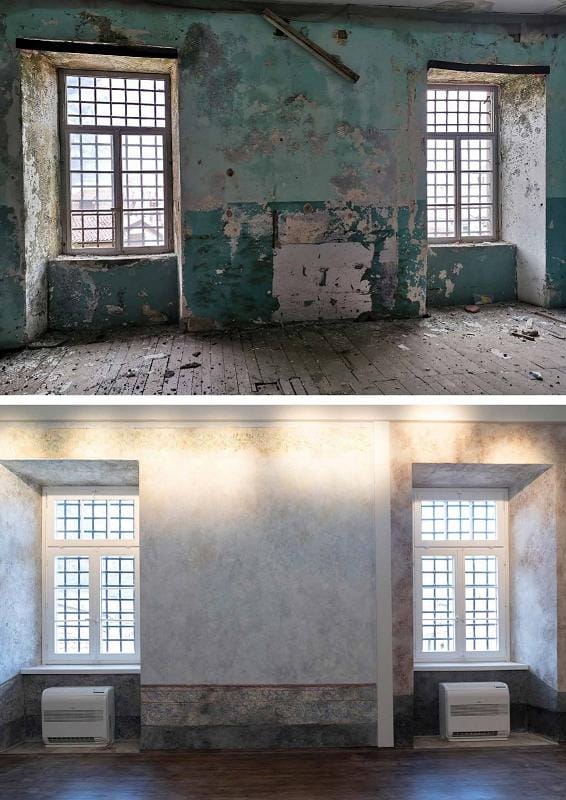
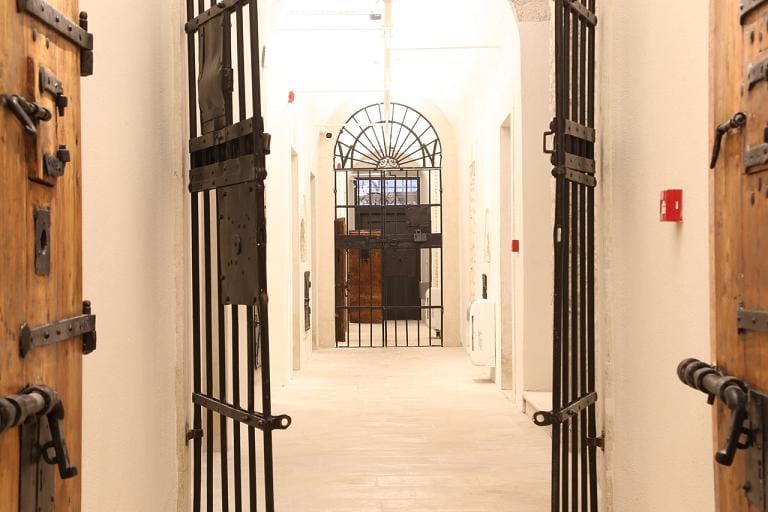
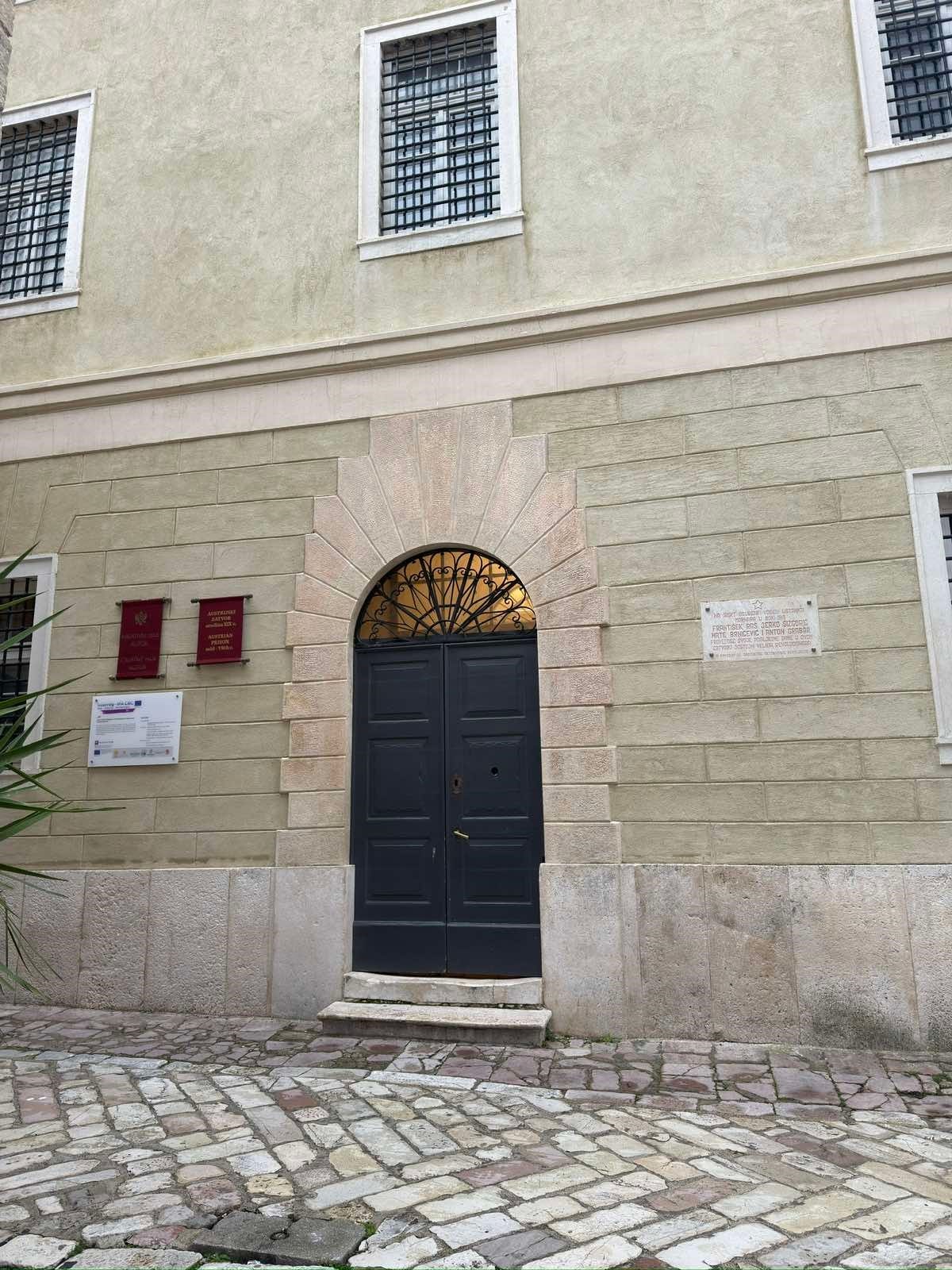
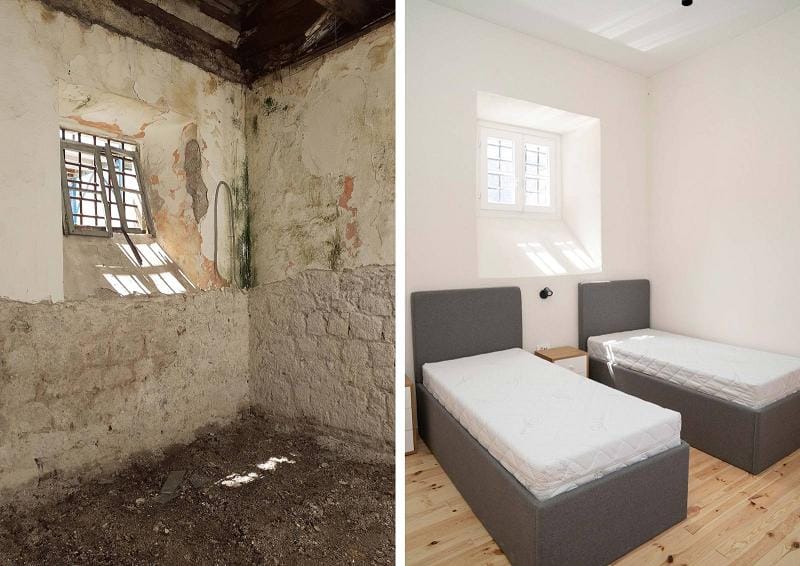
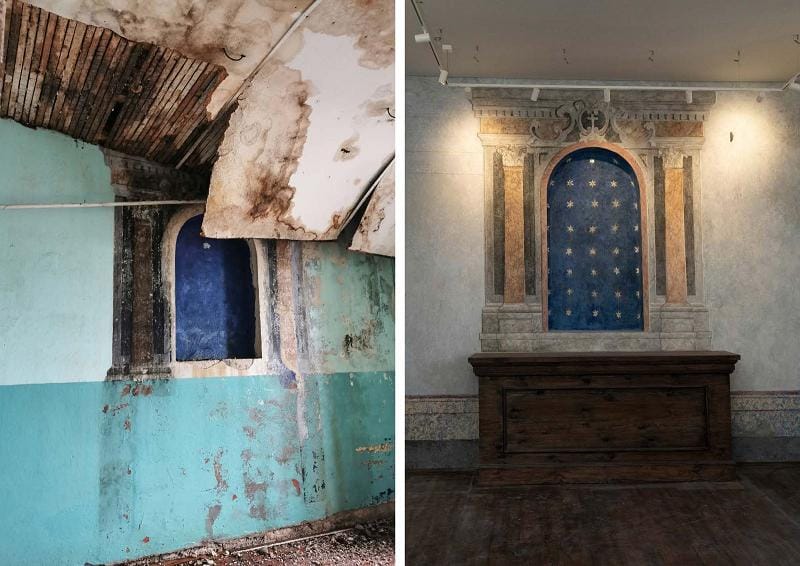
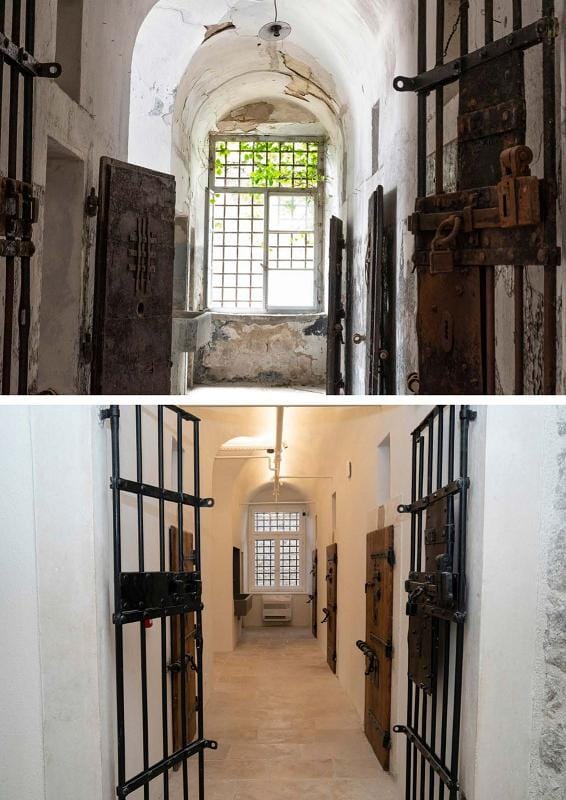
At last, after lengthy negotiations, the prison building was restored: in place of the cells, apartments and halls were fitted out for all kinds of workshops with international participants, so the former dungeon has become a modern classroom of sorts, full of students, especially in the summer months.
There is probably no exact record anywhere of how many convicts passed through Kotor prison, but it is known that soon after it was built it was used to imprison insurgents from Krivošije and Grbalj in the second half of the 19th century, and this, sadly, continued in the 20th century too.
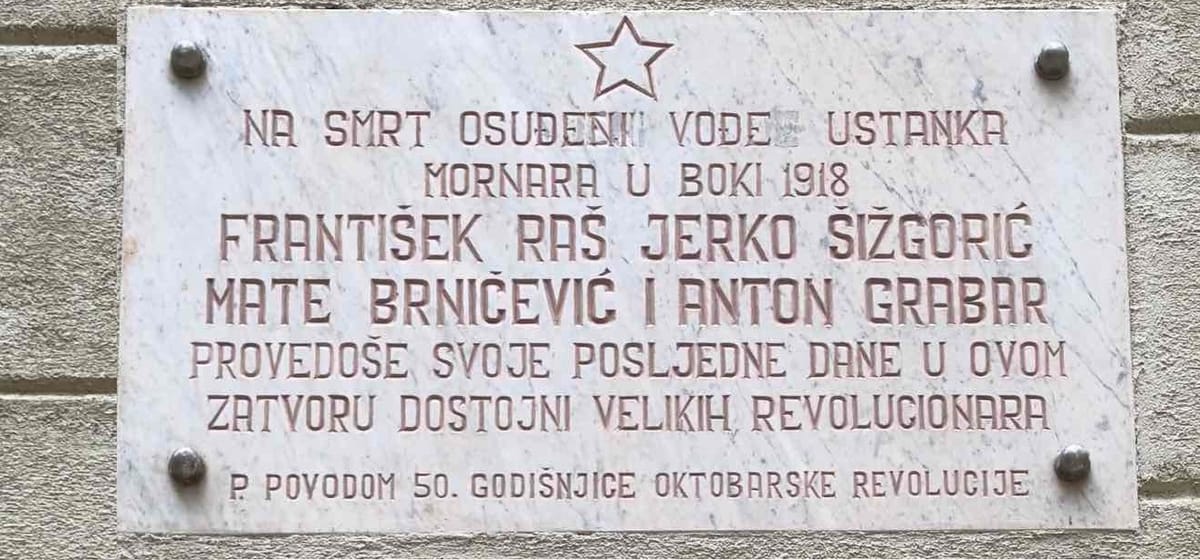
At the start of the Great War, Kotor prison was a collection centre for the internment of the civilian population of the Bay of Kotor in camps, mostly in Hungary, and at the beginning of 1918, participants in the Sailors’ Mutiny on the ships of the Austro-Hungarian fleet stationed in the Bay of Kotor were taken to the prison. The leaders and a larger group of the most active mutineers were held in that very prison, and the four leaders sentenced to death spent their last hours in Kotor prison before being shot in Škaljari, as a memorial plaque on the prison wall also attests.
During the Second World War, the occupiers – first the Italians, then the Germans – again used the prison to hold patriots, whom they transported to camps in Albania and Italy, and in the new Yugoslavia, Kotor prison was the main collection centre during the Cominform period, from 1948, for prisoners from Montenegro on their way to Goli Otok. Of those hard days, Kotor remembers how at night, with the street lights switched off, columns of exhausted prisoners would walk in silence along the street towards Tabačina and down to the shore, to be put aboard ships for what was, for many, a journey of no return.
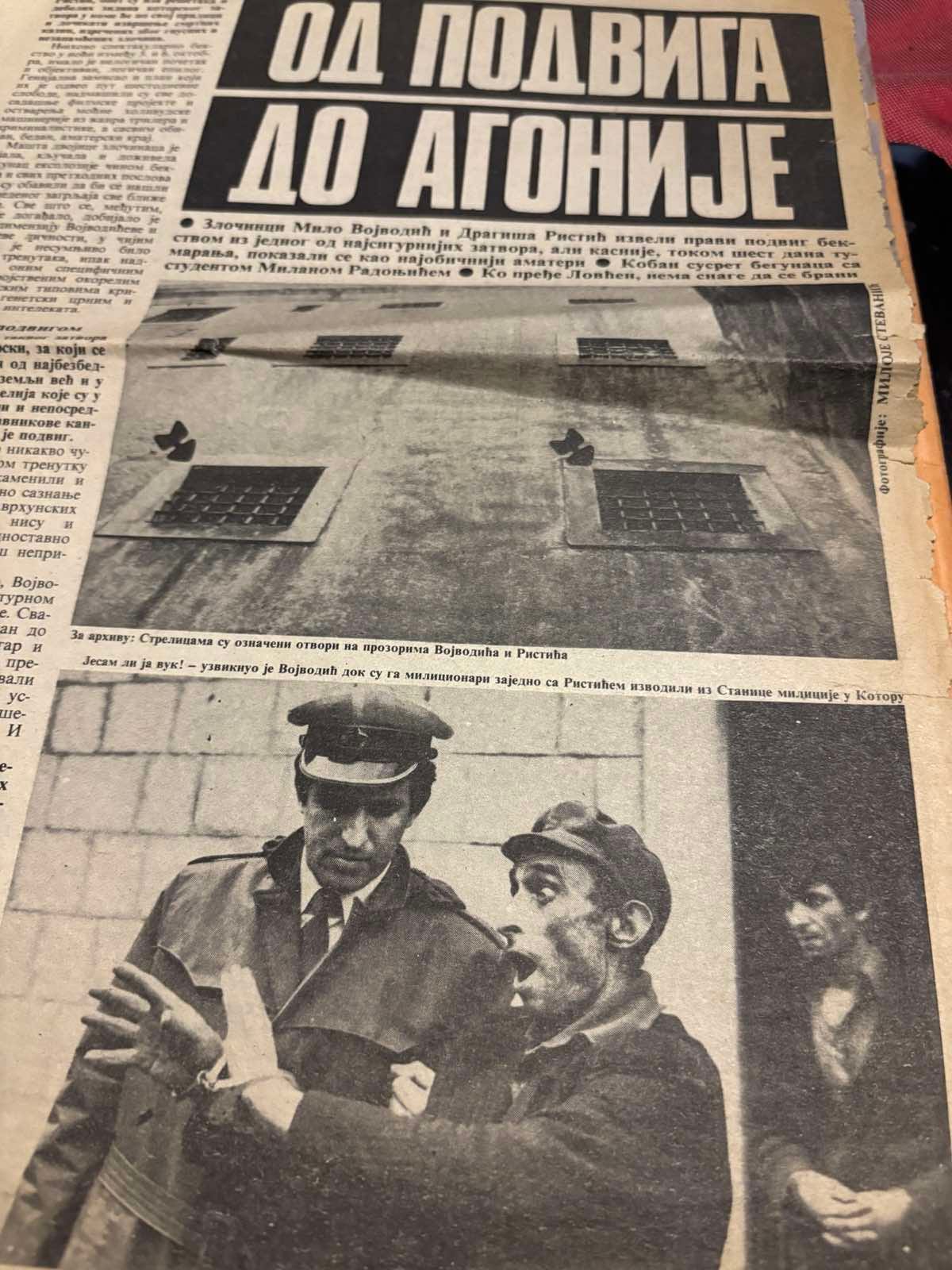
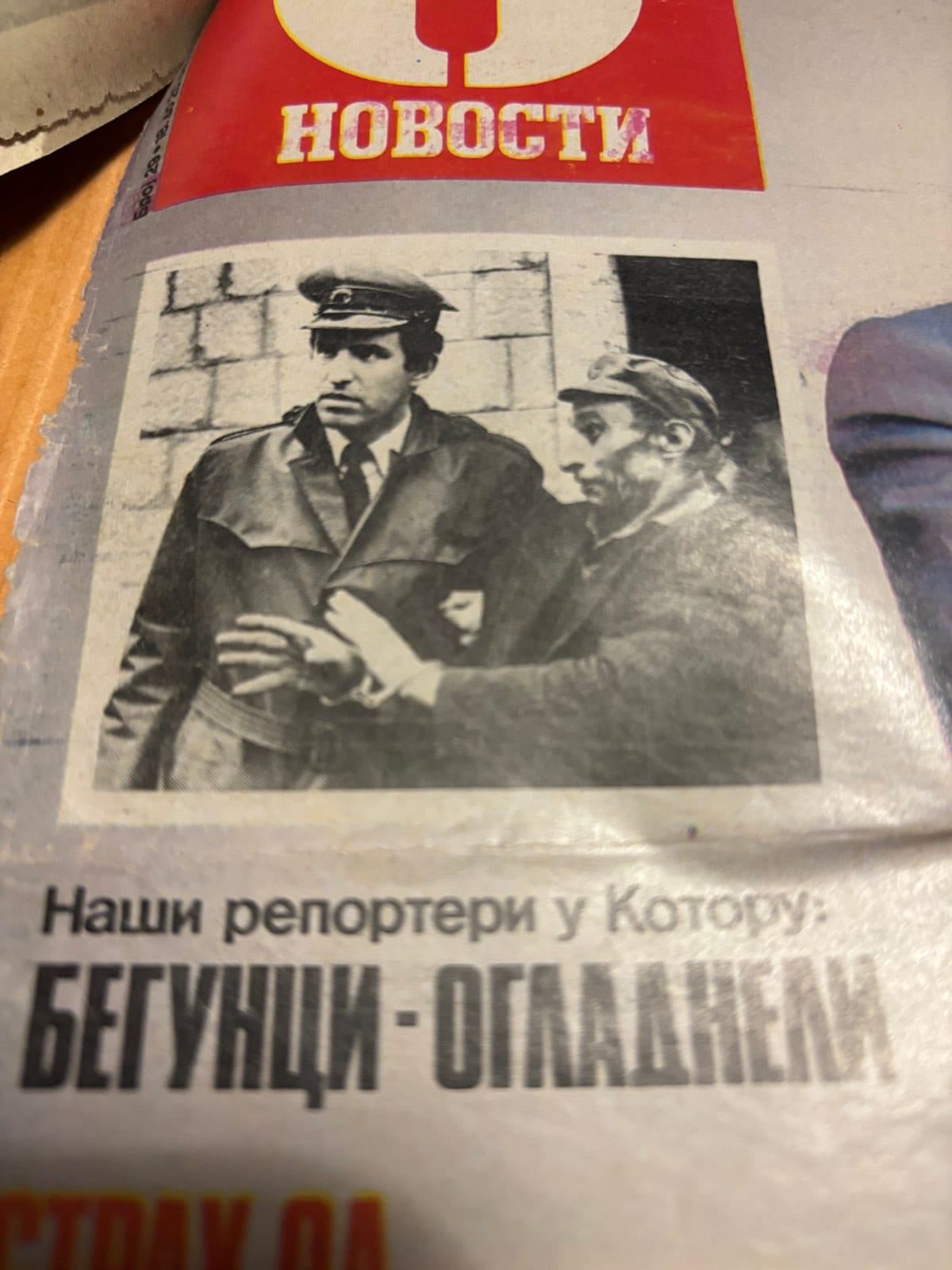
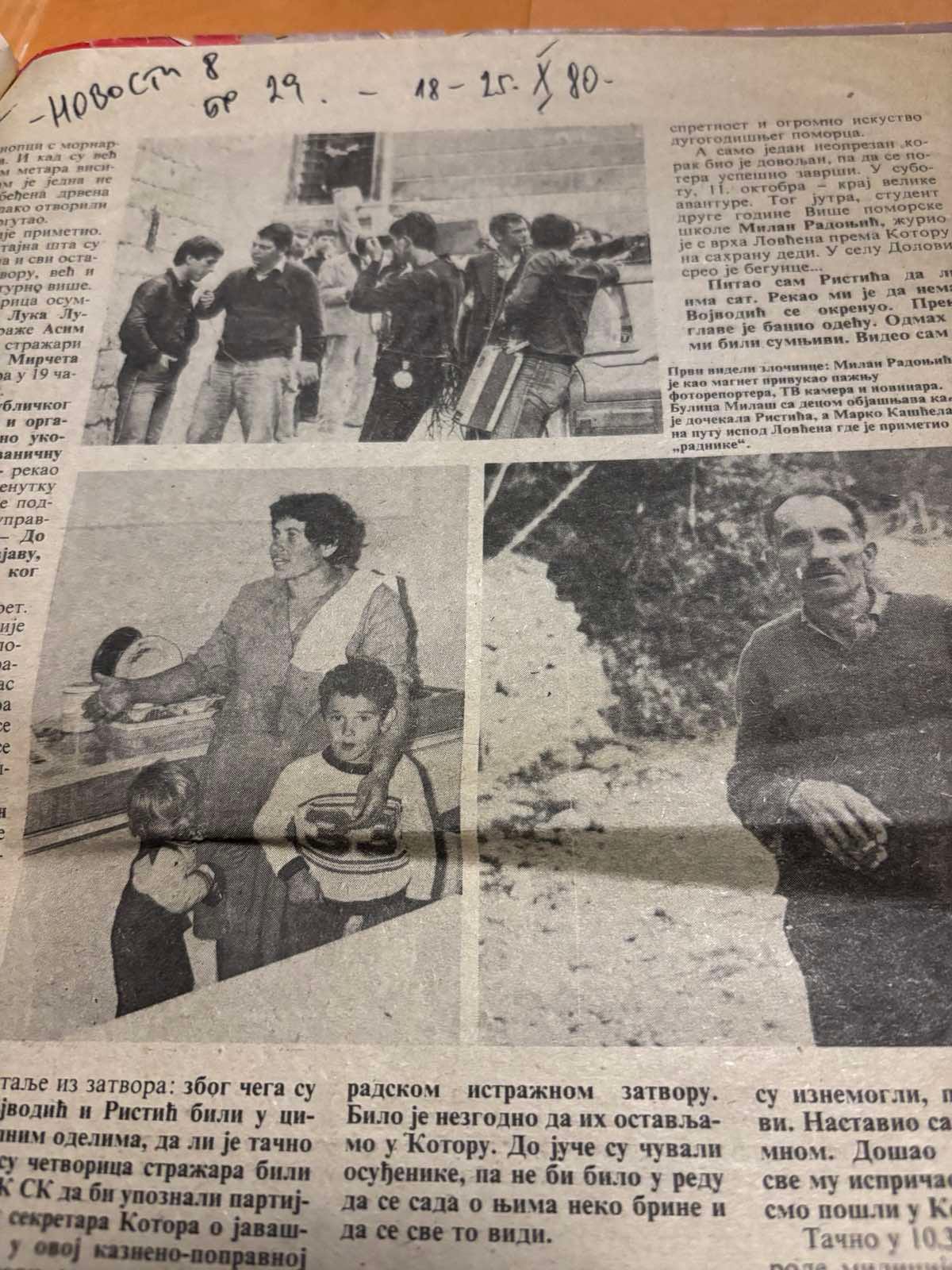
But in that post-war period the prison also served as a penitentiary and a remand prison, so many served long sentences there. At that time it also held notable names from Yugoslavia’s criminal underworld, since Kotor prison was considered the most secure and escape-proof even for the most dangerous criminals. Nevertheless, in October 1980, Milo Vojvodić and Dragiša Ristić, sentenced to death for monstrous murders, escaped from Kotor prison. It was the story of the day across Yugoslavia, and until they were caught six days later, Kotor and much of Montenegro lived in a state of near-panic, while many news crews gathered in Kotor.
Finally, the refurbished building, which brings together young people and experts from various fields with an emphasis on cultural topics, opens up new reasons to come to Marko Bencon’s House and to promote modern and interesting research, while the fact that it was a prison for so long only prompts reflection on how unpredictable paths often are – and so Kotor’s prison has made its way from dungeon to classroom.