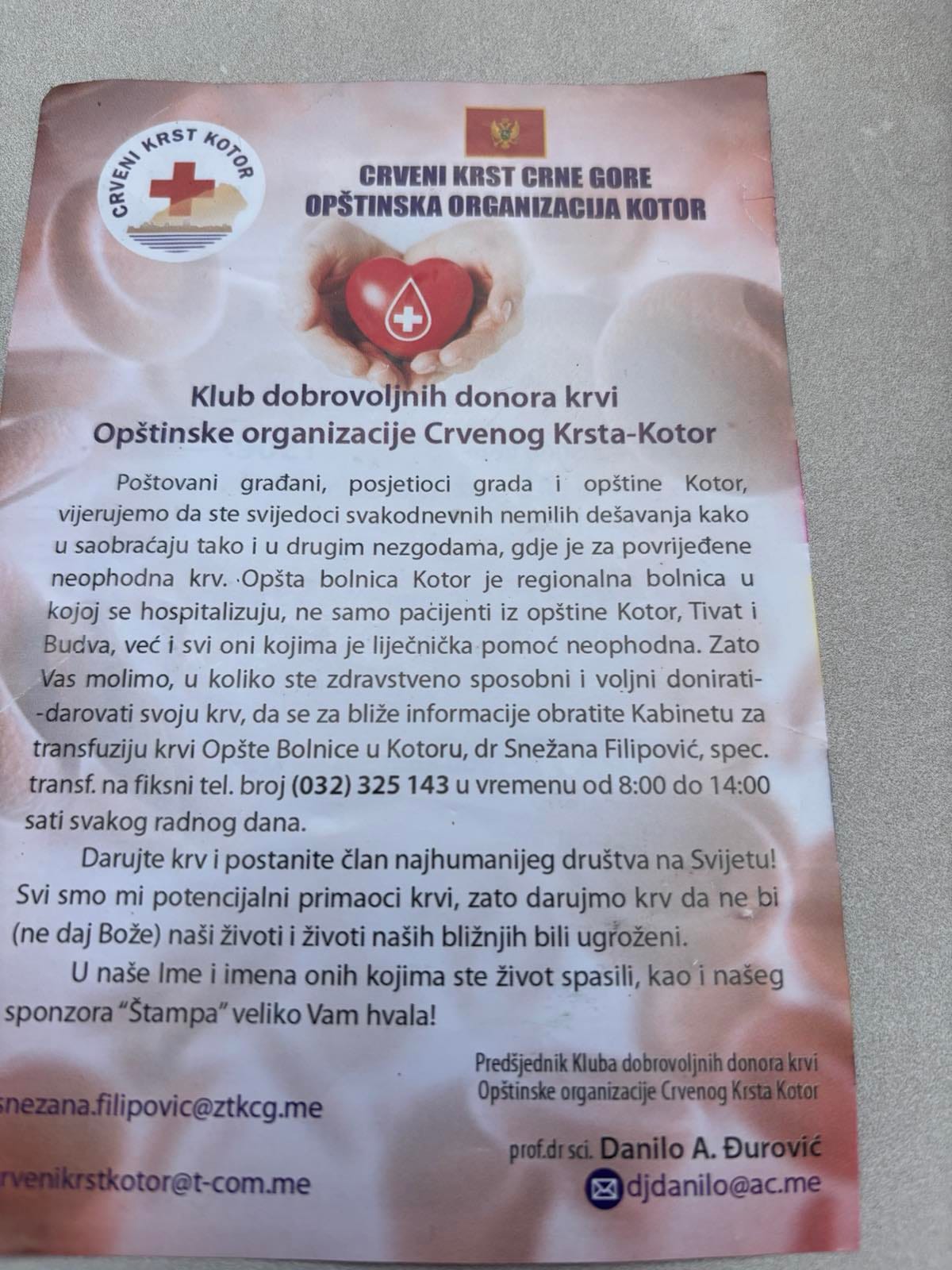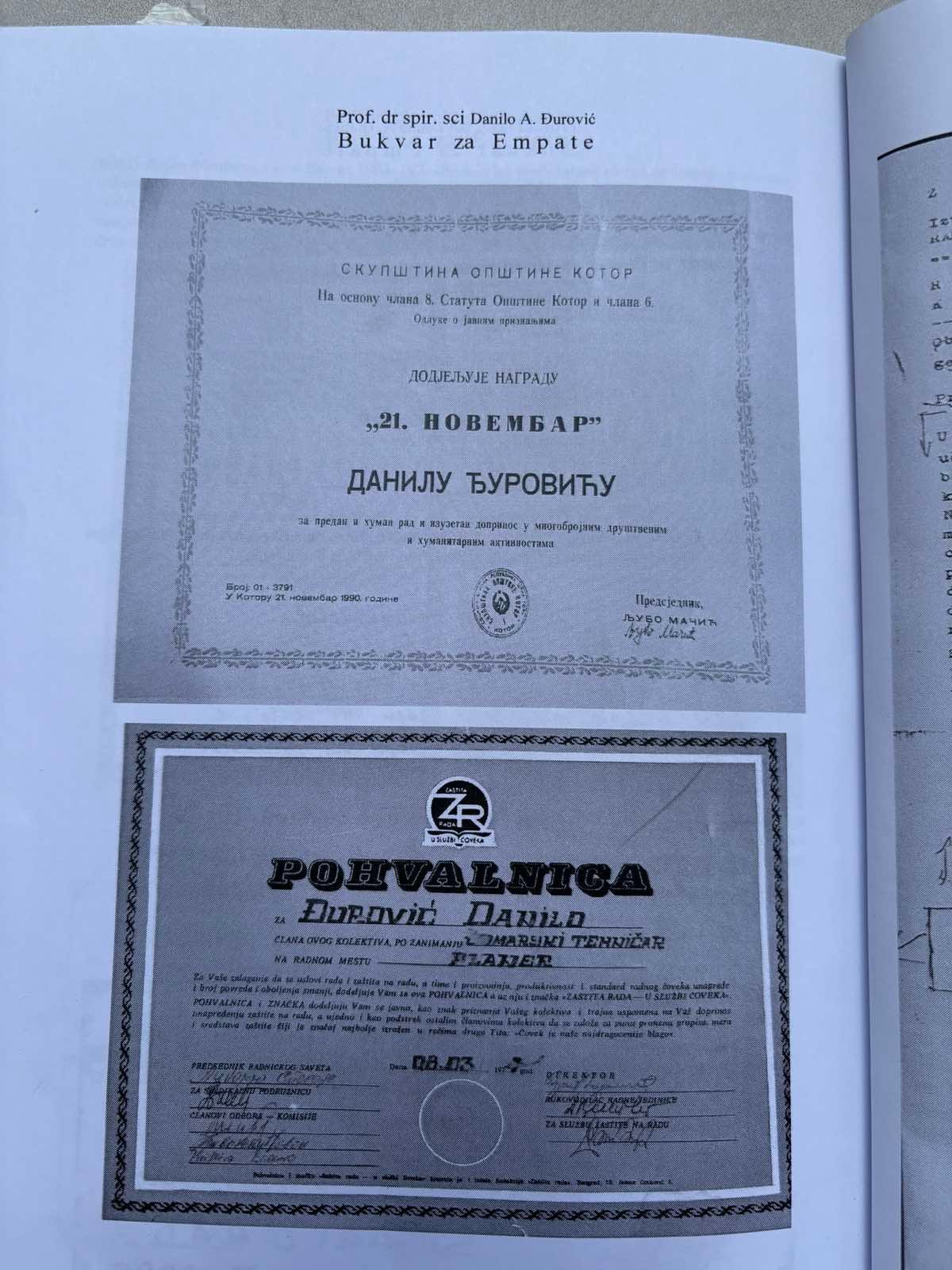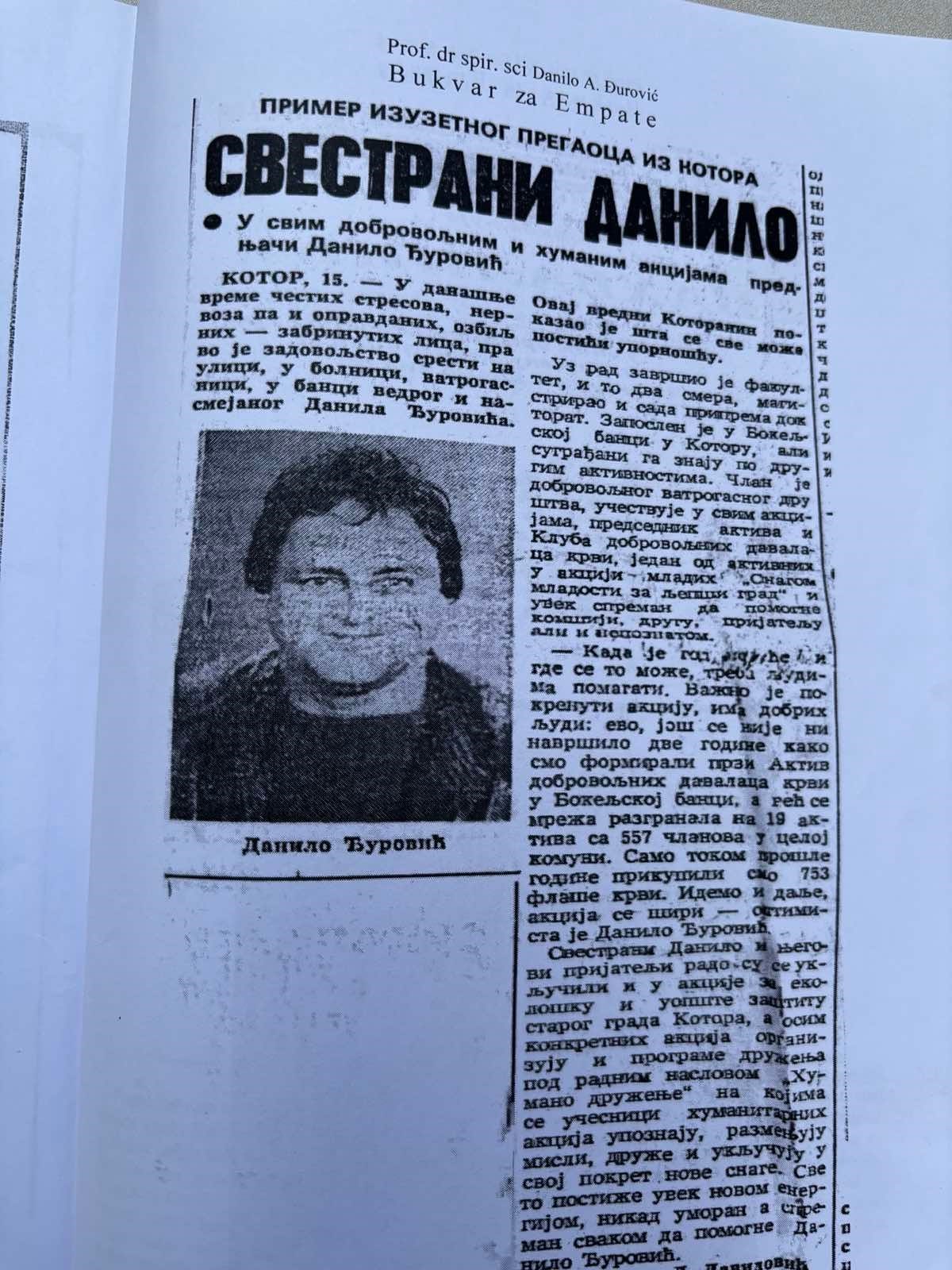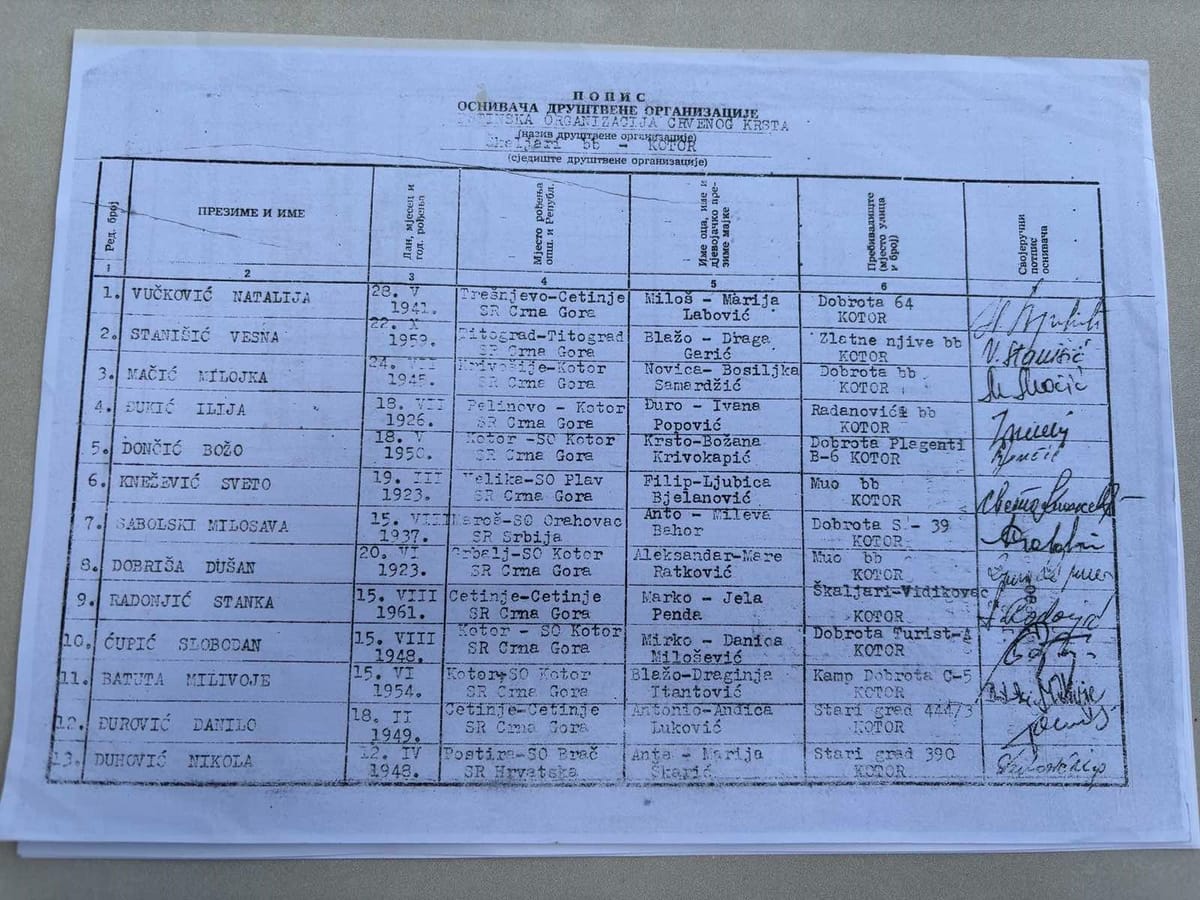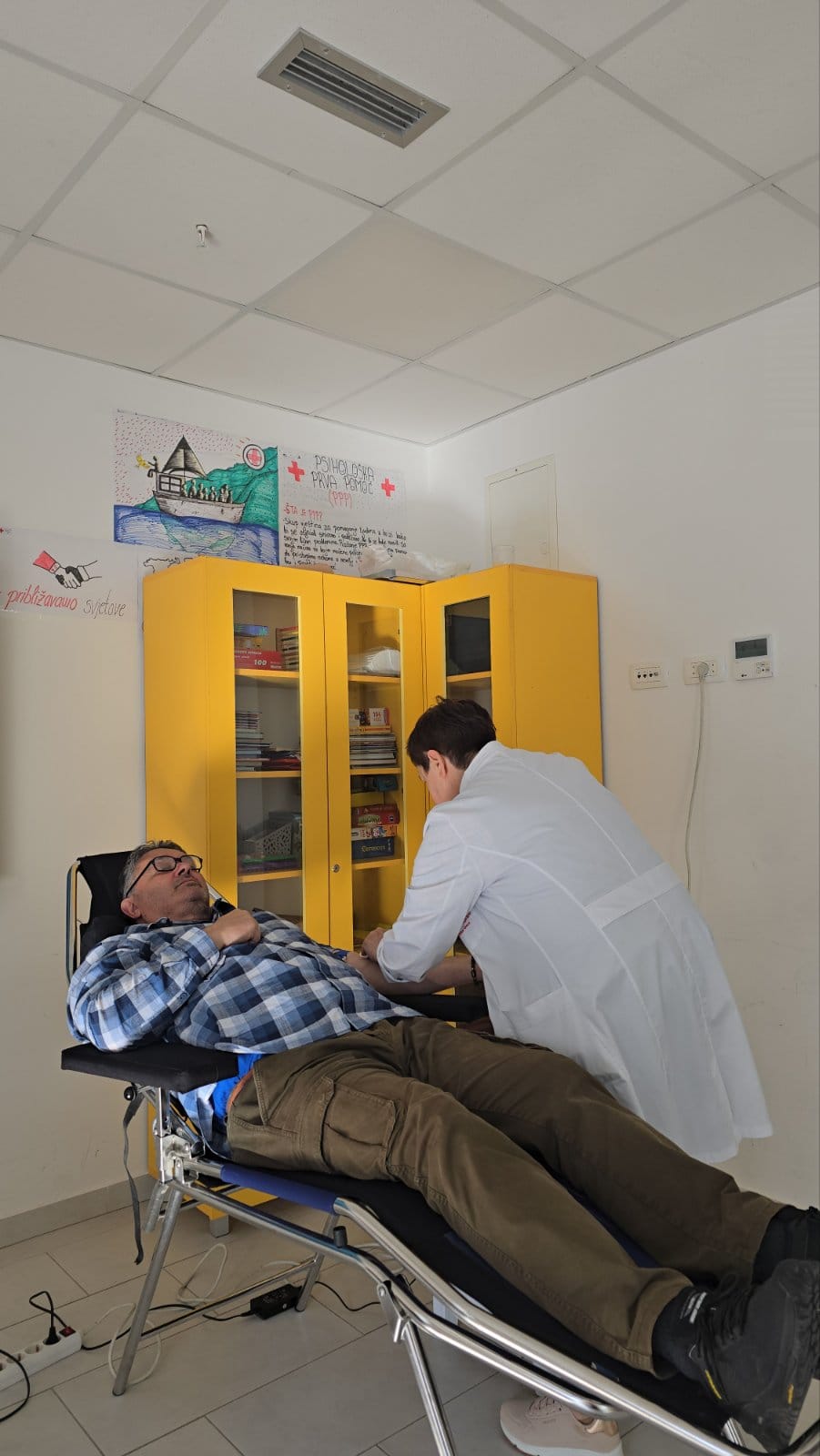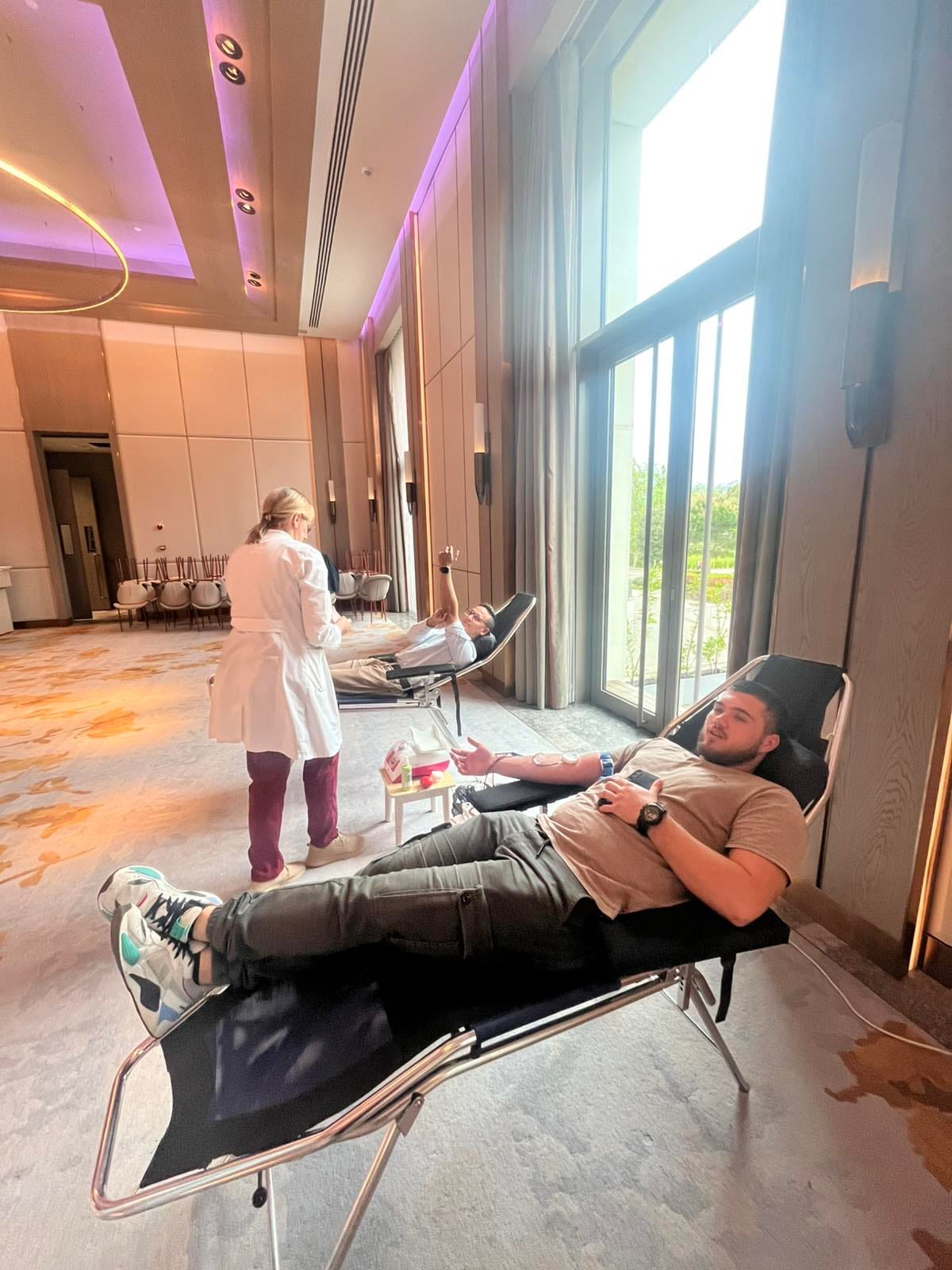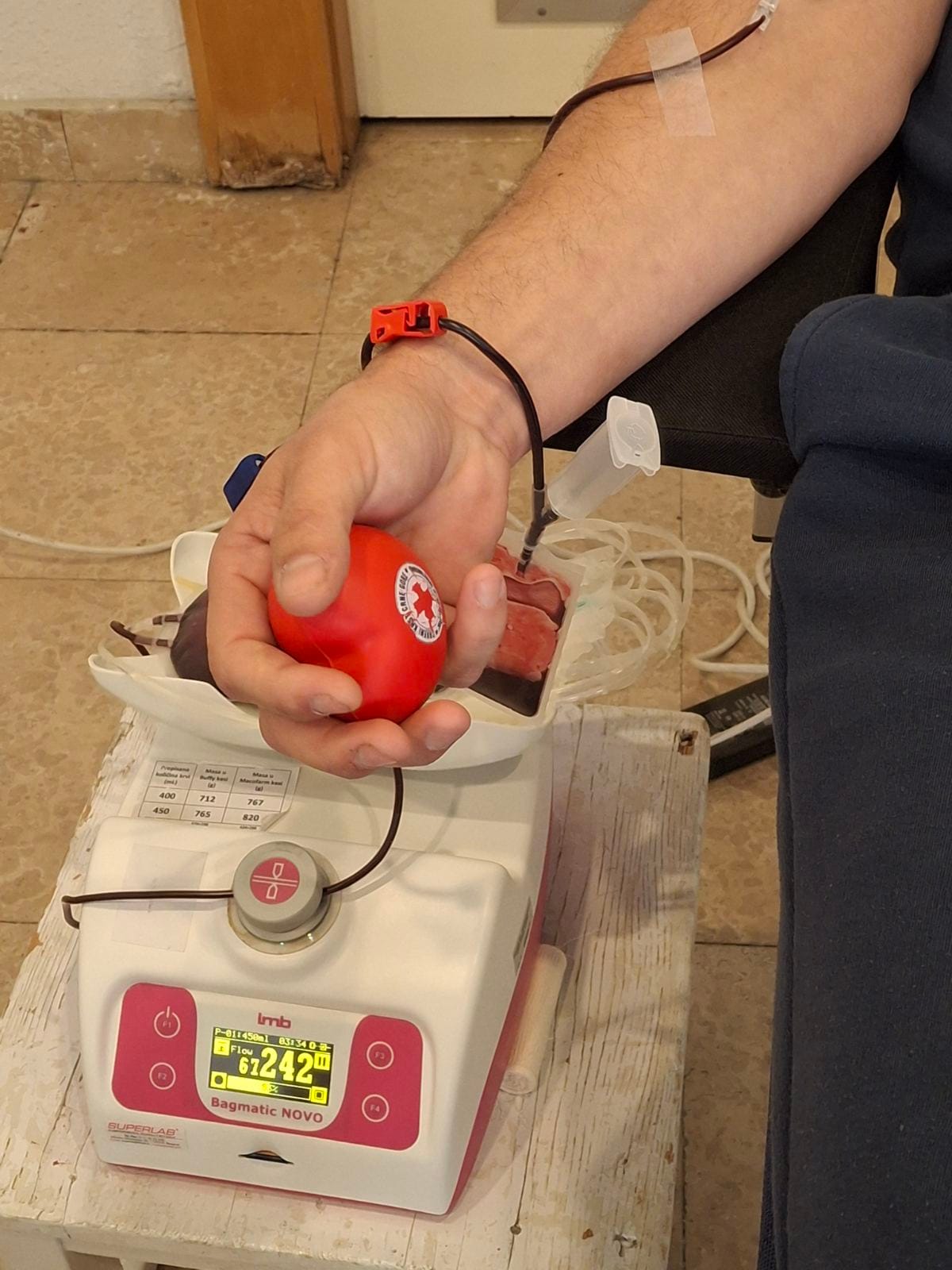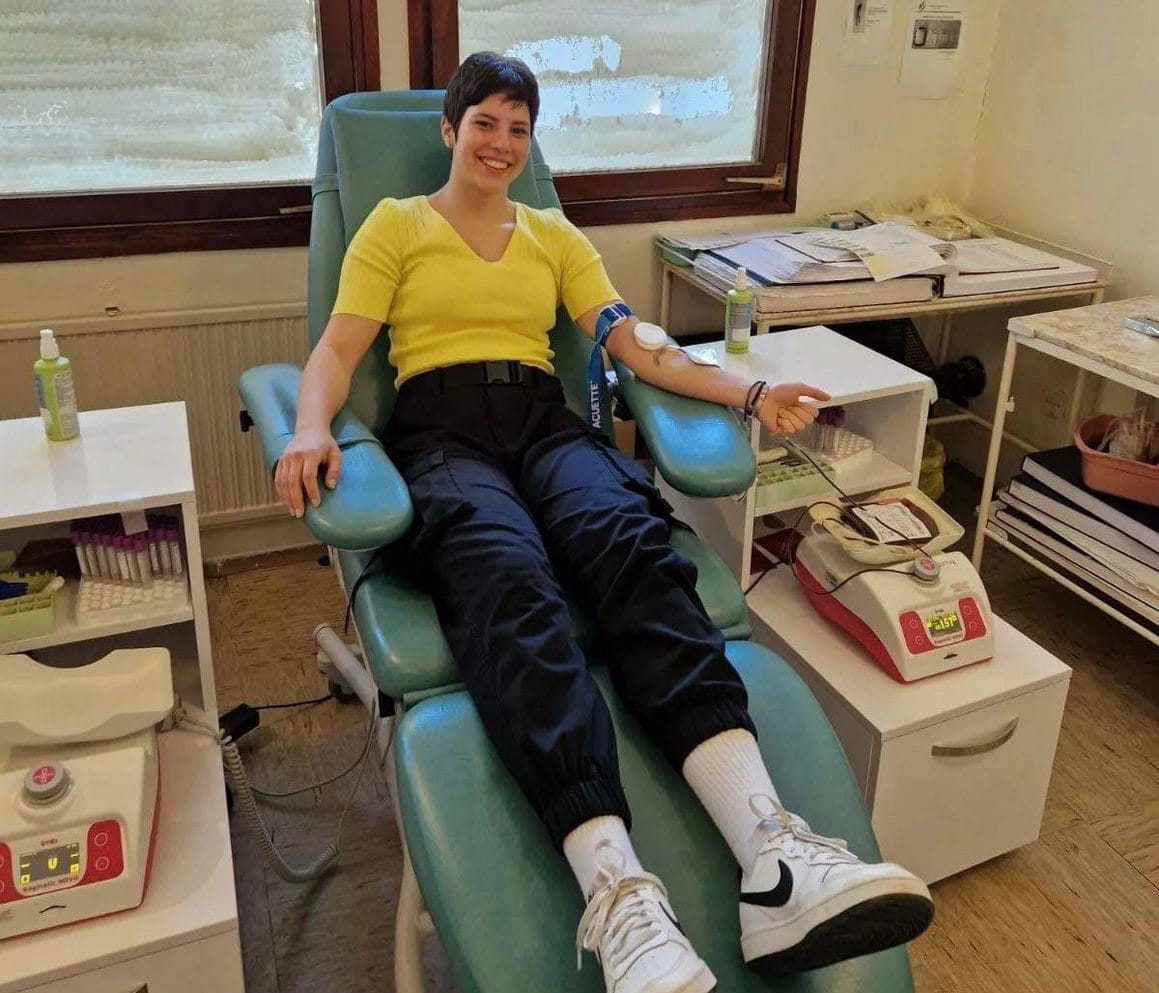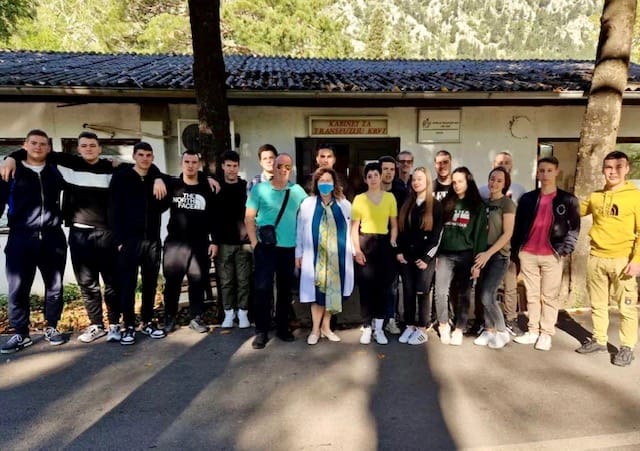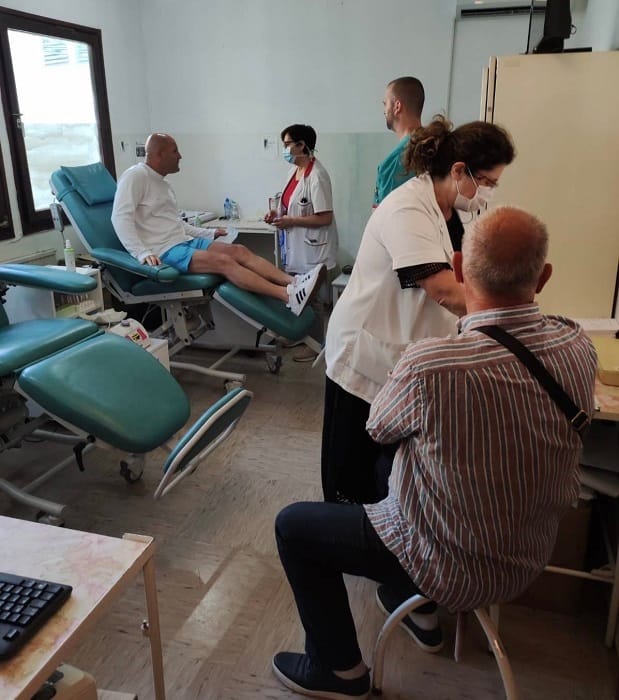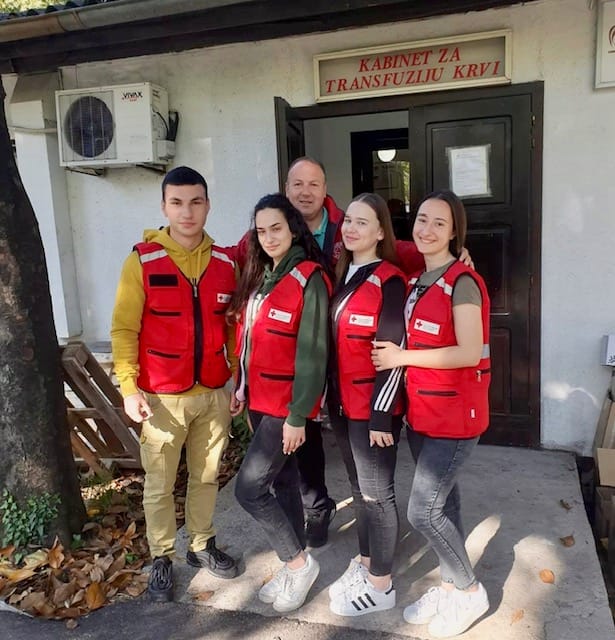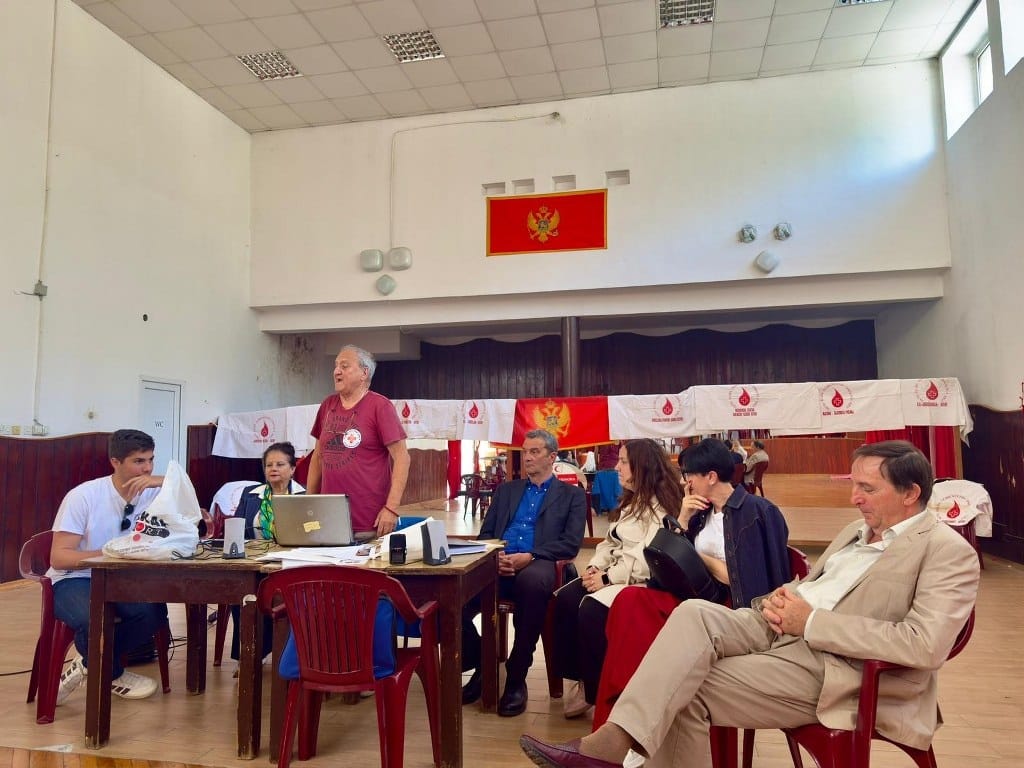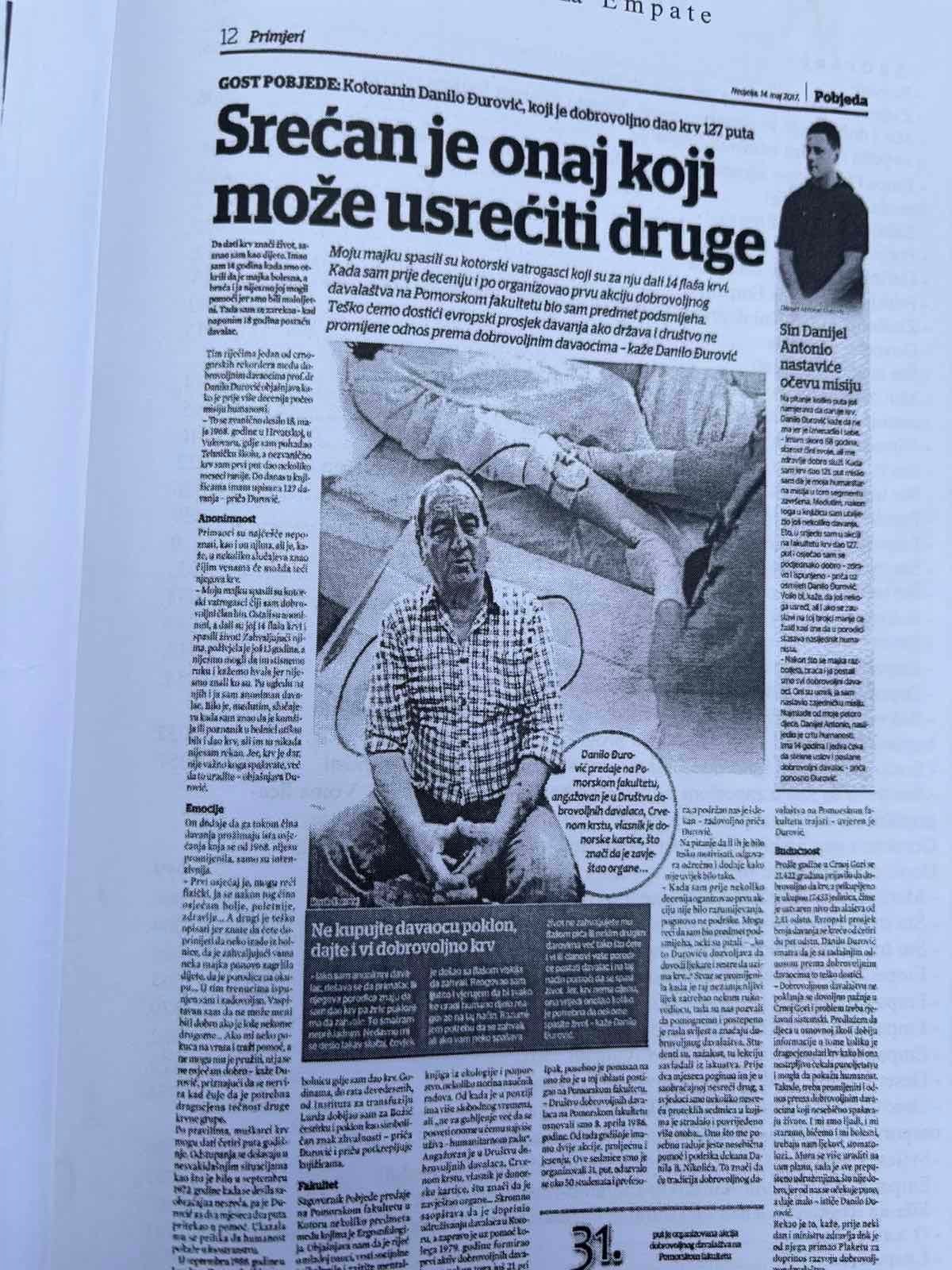
Immediately after the devastating earthquake of 1979, an organised blood donation drive was launched from the Kotor Fire Brigade Society, its driving forces being Đuro Ivanović, Sveto Vujošević, Đuro Dončić, Vlado Badža, Atilio Panjako, Špiro Jovanović, Tonči Mirošević, Đokica Marković and Danilo Đurović — who is still active in the Voluntary Blood Donors' Club today and has given blood no fewer than 149 times.
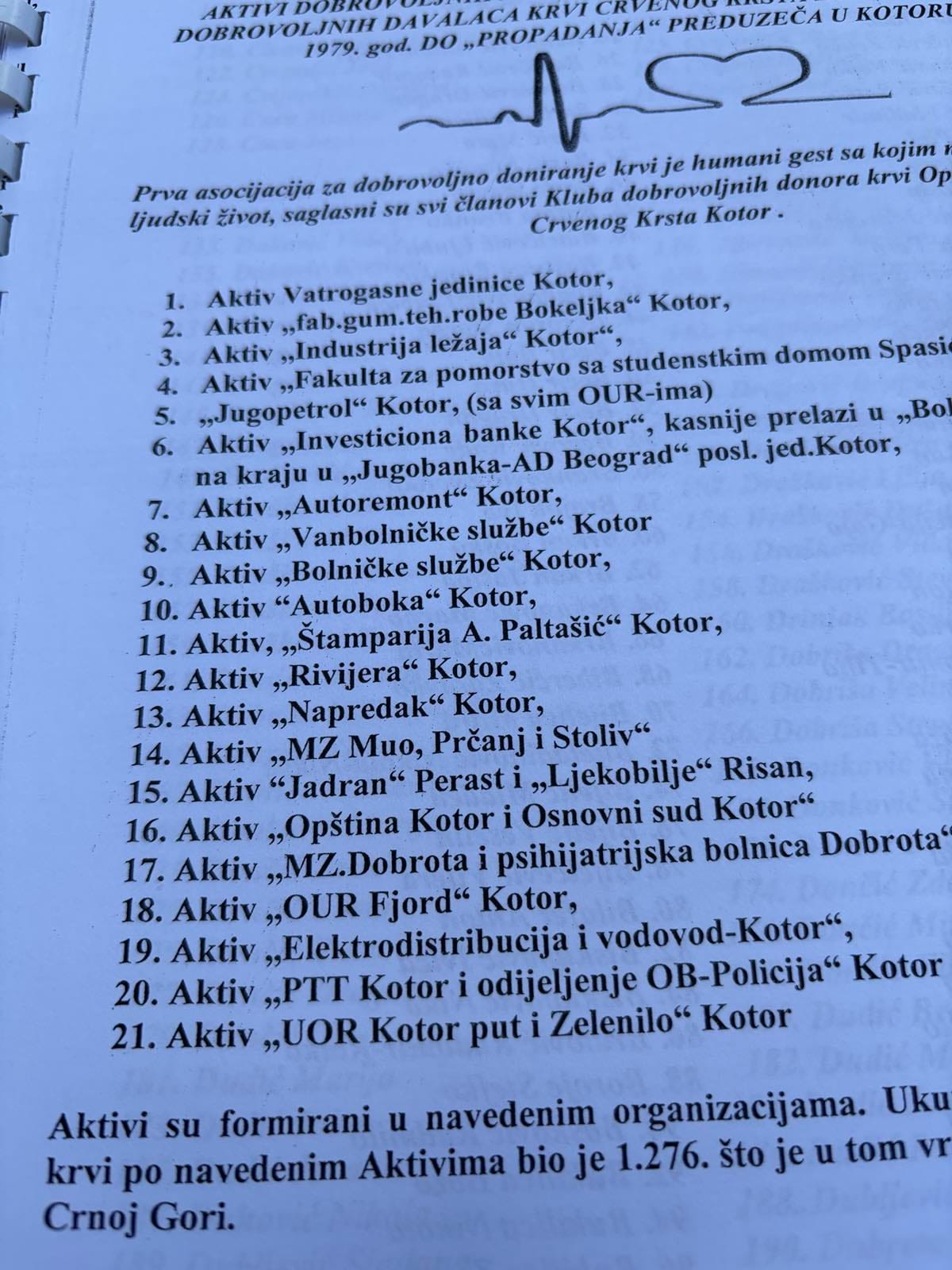
At the height of the Club's activity, no fewer than 1,276 members were registered in Kotor, organised into 21 branches in work organisations and institutions, where careful records were kept of the membership and the number of donations, always in close coordination with the medical institutions. The cause also took hold among young people, especially at the Faculty of Maritime Studies. People also remember the gesture of the Kotor donors Danilo Đurović, Savo Drašković, Danijel-Anto Đurović, and Fatan and Ilijaz Ahmeti, who after the earthquake in Albania went to that country on their own initiative and gave blood. Blood donors from Kotor also provided precious supplies for the victims of the earthquake in Armenia, which were then transported to that country.
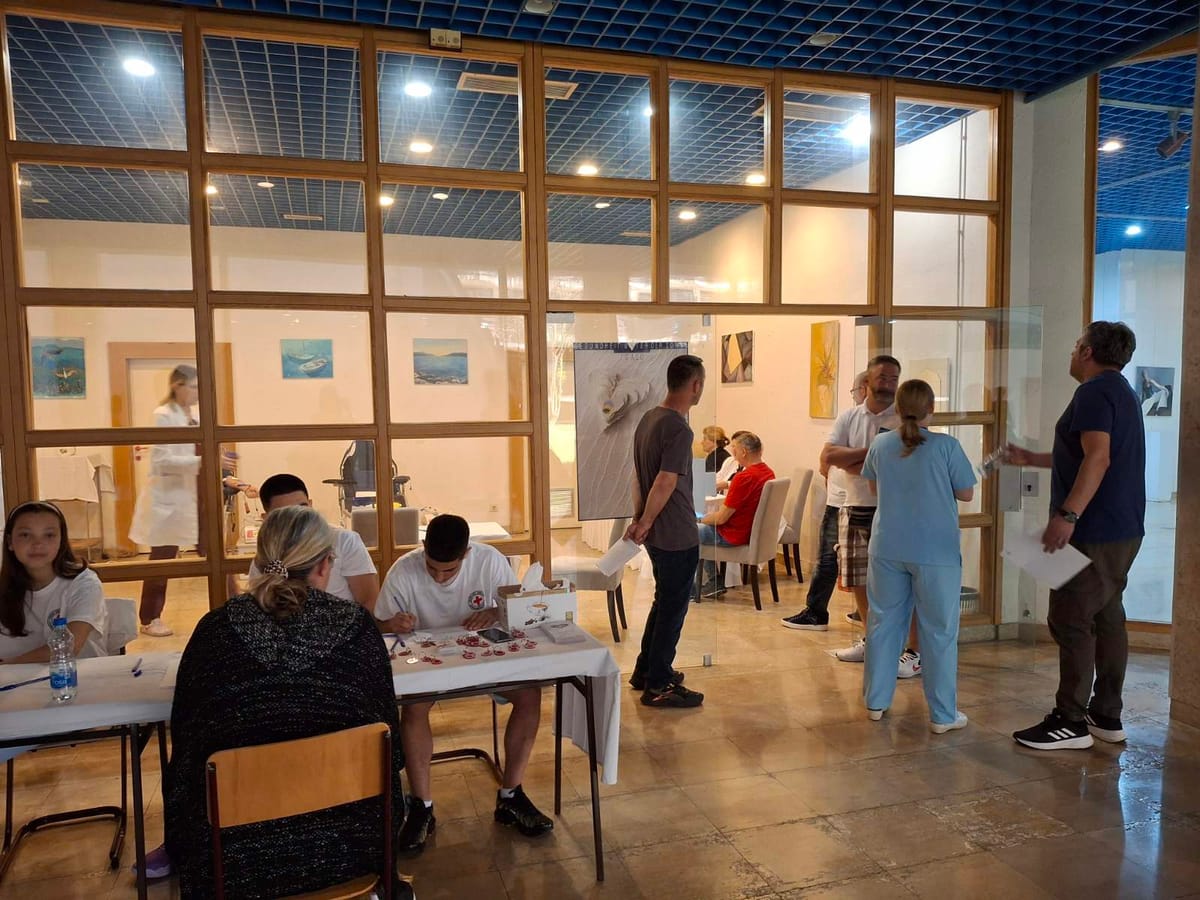
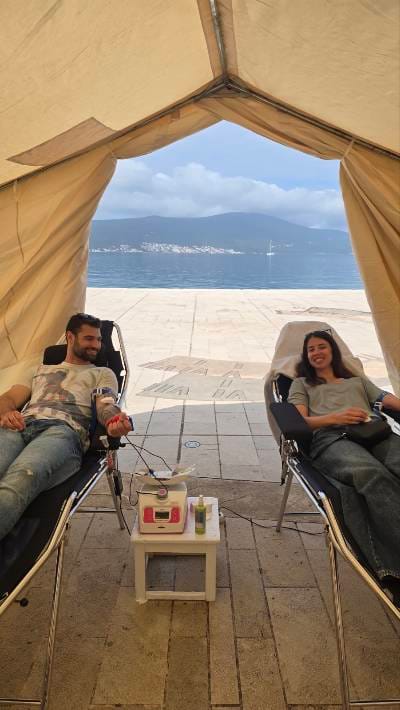
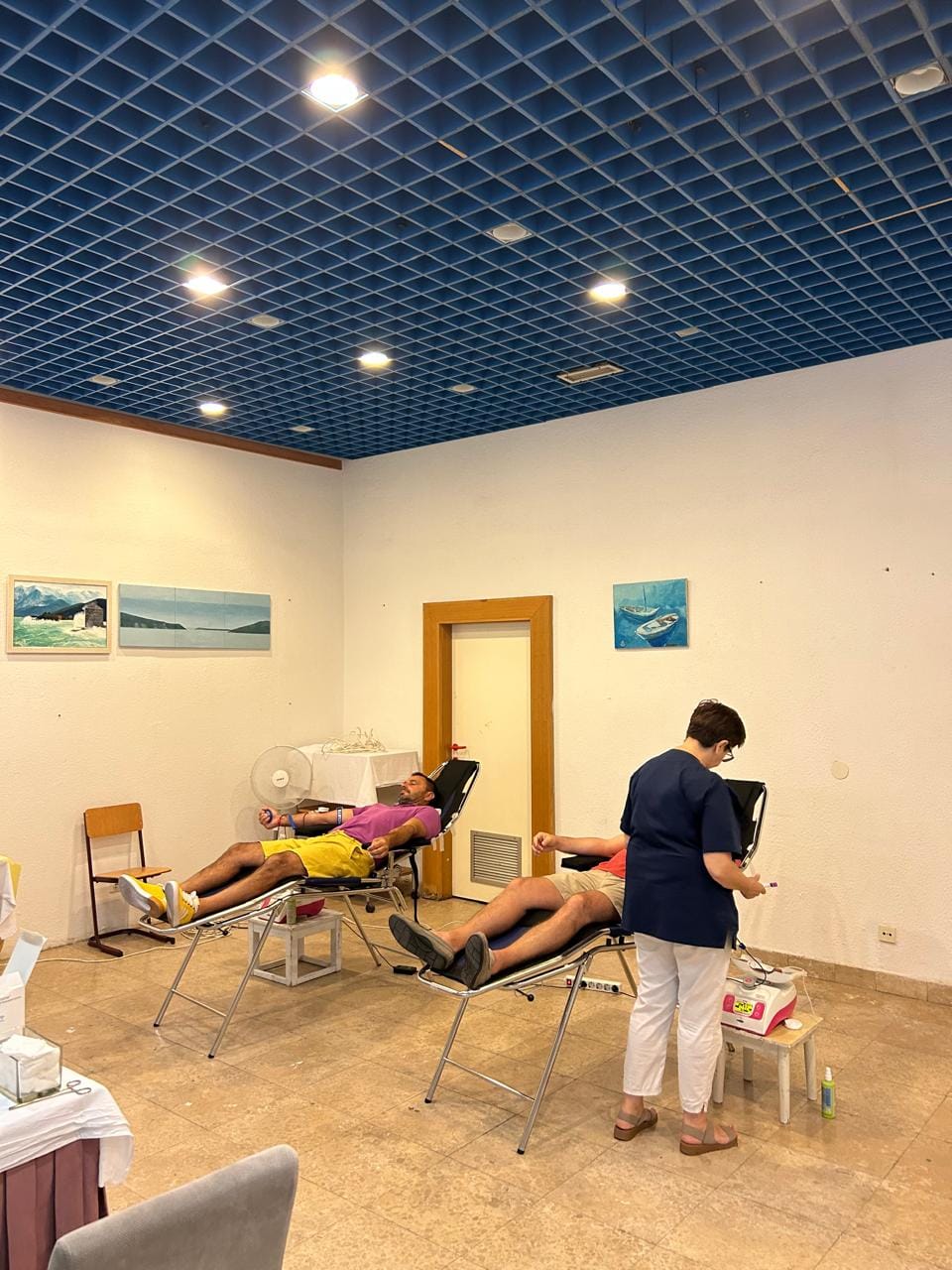
Given the importance of blood reserves and the constant need for them, as well as the large number of medical institutions in the Kotor municipality, it would be good to help the Voluntary Blood Donors' Club and the Red Cross from time to time in resolving certain organisational dilemmas. As for the donors' readiness to give their blood, there is no uncertainty there. This is borne out by Dr Snežana Filipović, head of the Kotor unit of the Blood Transfusion Institute, who recalls a recent drive held at the “Kamelija” shopping centre, as well as the excellent cooperation with donors from Budva, Tivat and Herceg Novi.
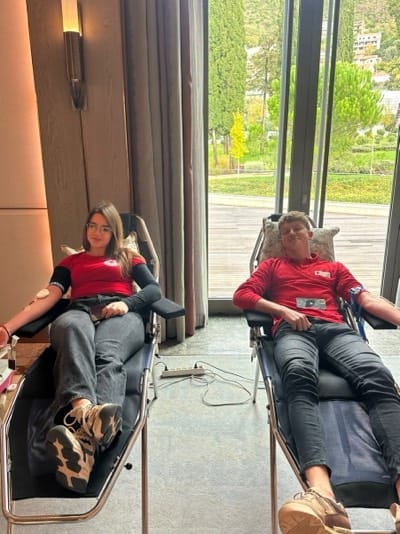
Finally, it would be good if, as an organised community, we remembered more often the self-sacrifice and humanity of voluntary blood donors, who give their blood without asking who it is for or where that person comes from. It is up to us to promote this work among the younger generations in a fitting way — because 65 is the age limit for donors, and hospitals, sadly, need blood every day.