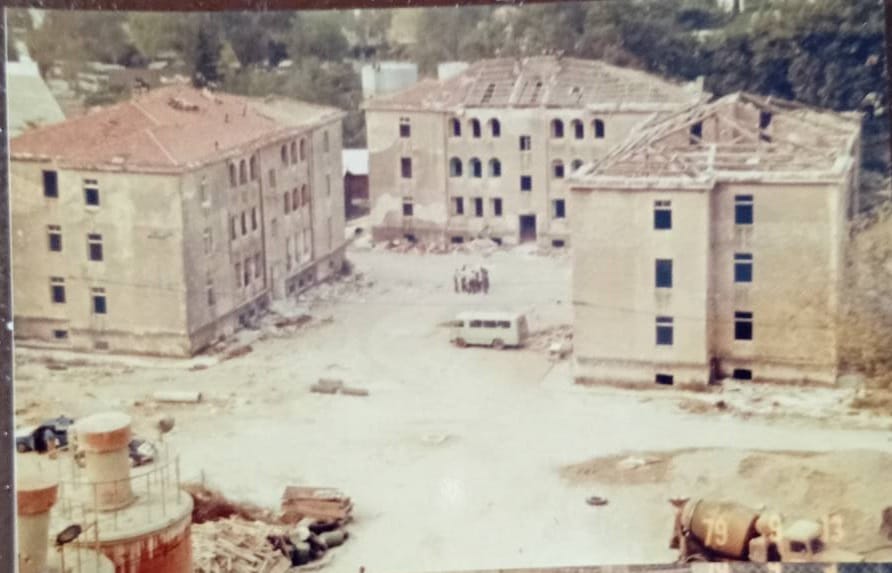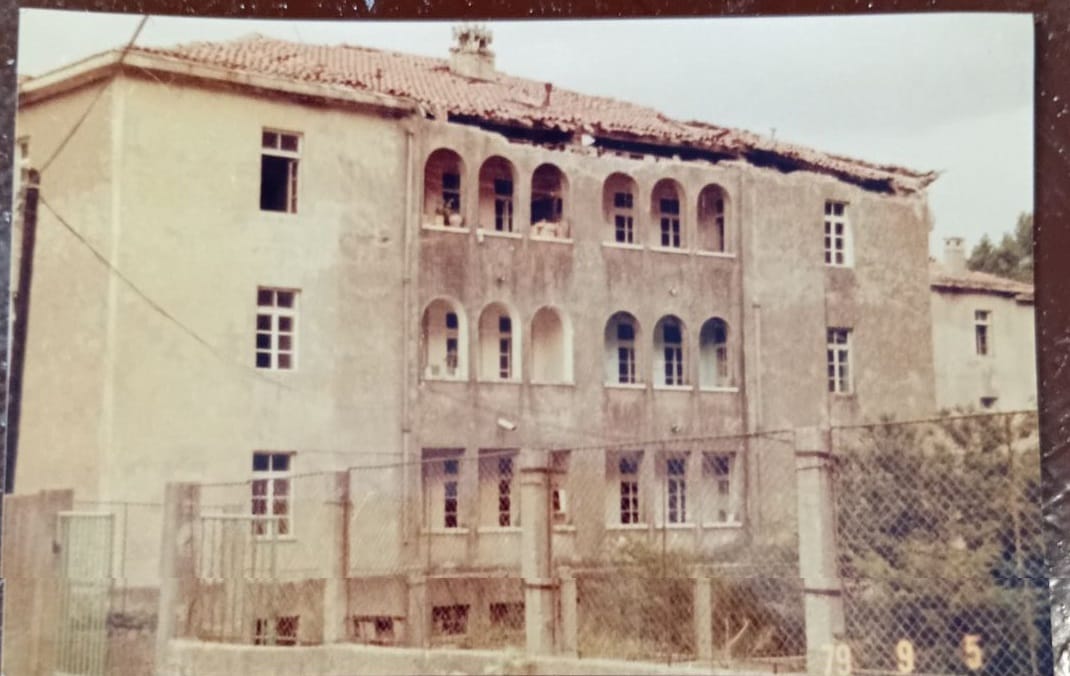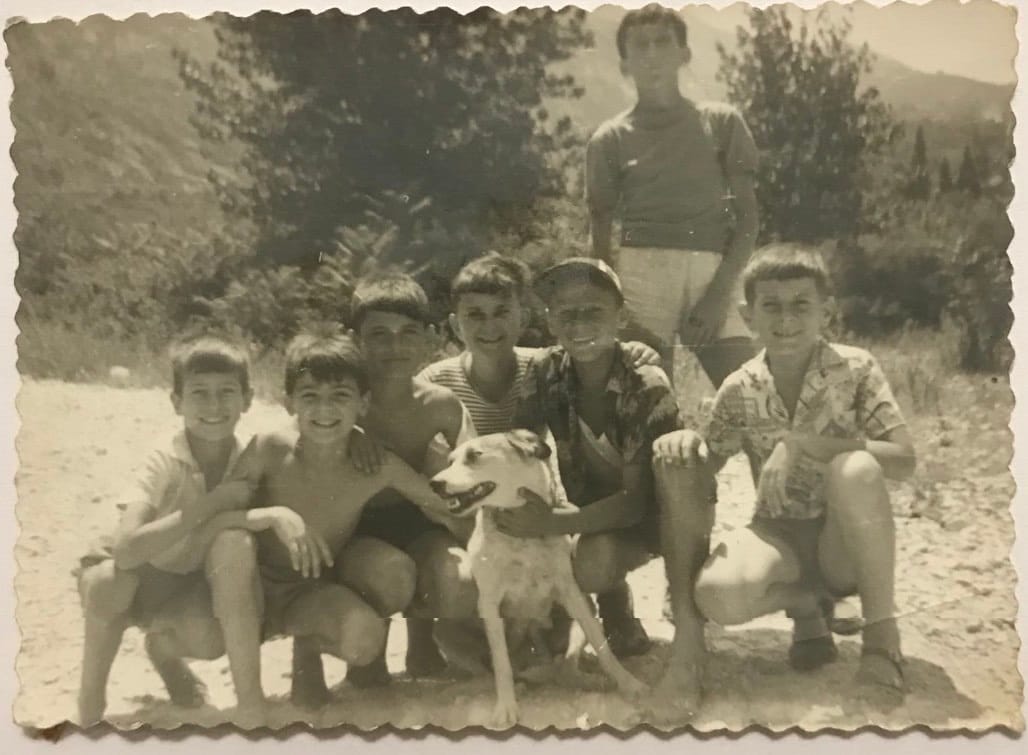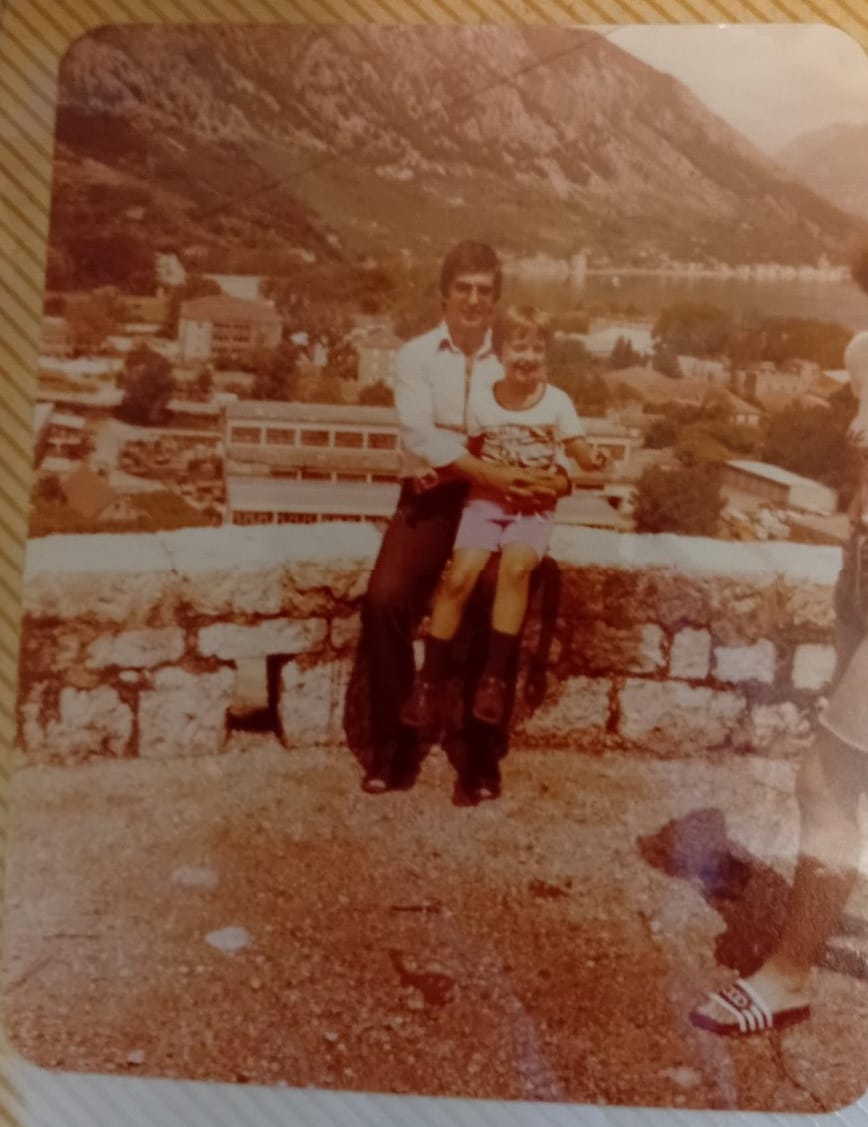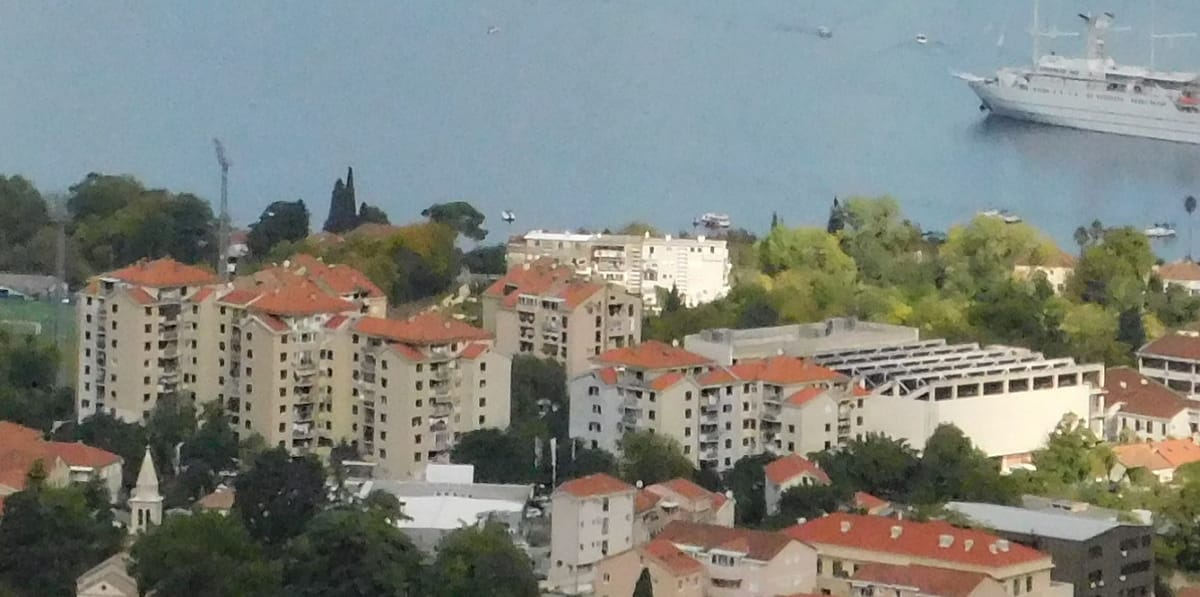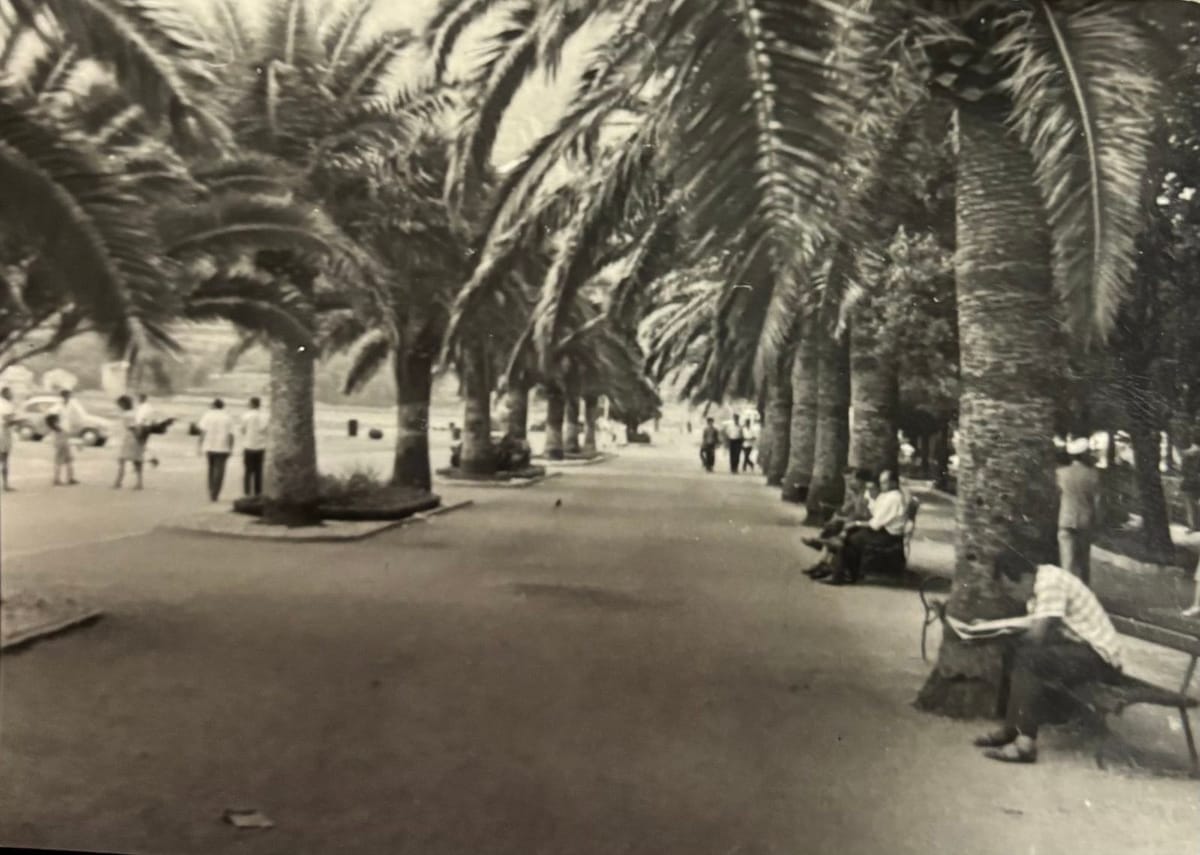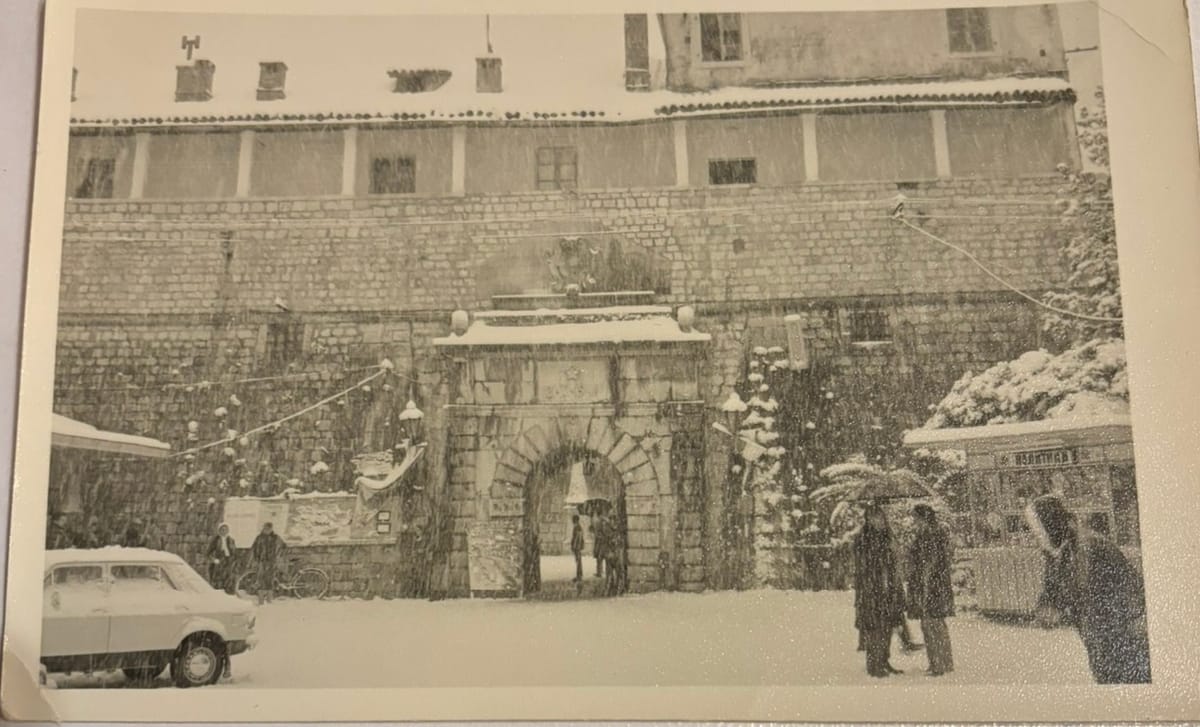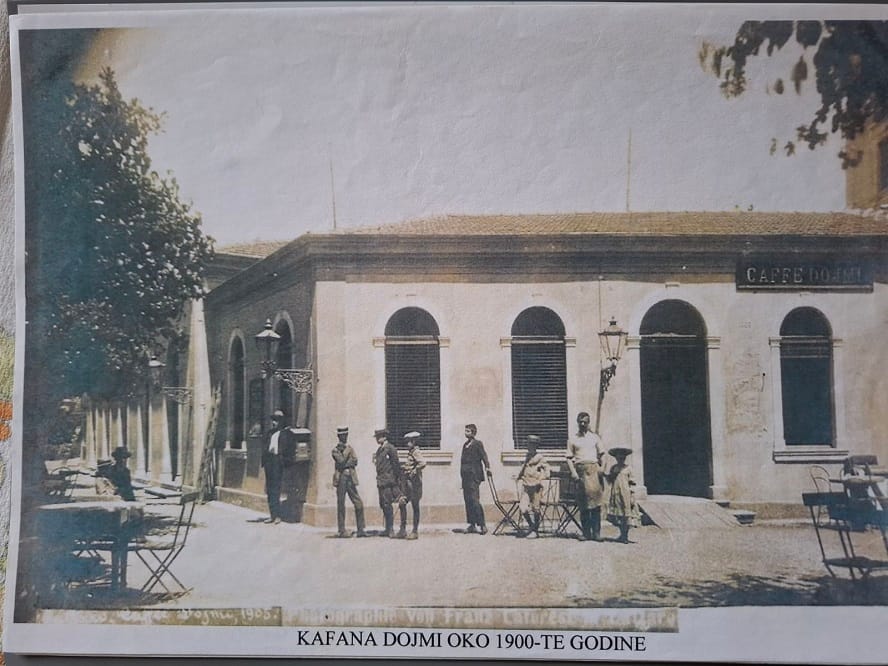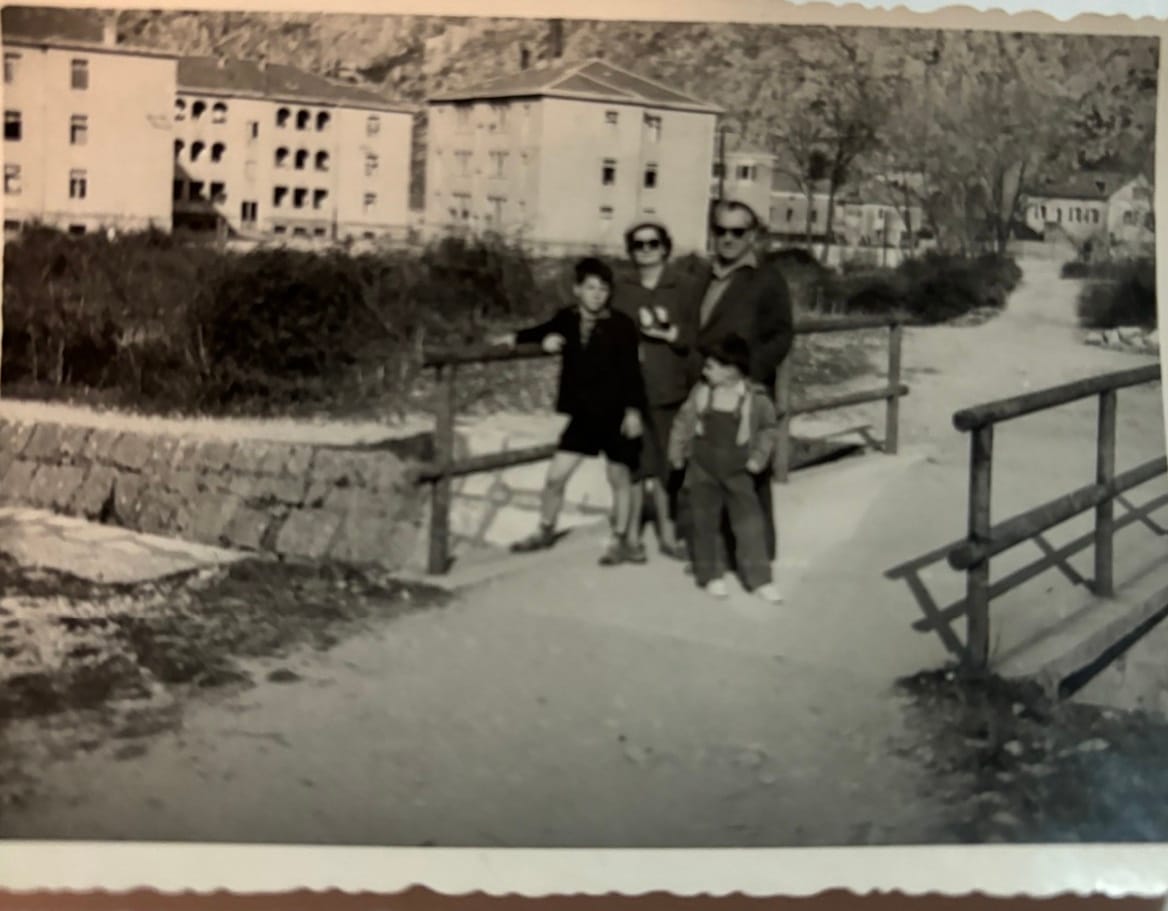
Many of Rakite’s current residents do not even know that until the earthquake of 1979 there was a neighbourhood on this site, popularly called Špadola, which the Italians began building (1941–43) when the Bay of Kotor was annexed. It was named, older residents recall, after the architect Enrico Spadola, and had three residential buildings with 12 flats each; as a curiosity, former residents mention, their basements had shared rooms for personal hygiene (showers), as well as a laundry. Near the buildings lay the Velebit meadow, where young people played and the boys staged football matches against rivals from Škaljari, whose pitch was by the parish church. There were also contests with their peers from the Old Town, whose pitch was the paving in front of St Tryphon’s Cathedral. In the yellowed photos one can recognise the Špadola boys: Boro Marković, Zdravko Homen, Branimir Maslovar, Momo Ševaljević, Krešo Petrović, Bato Đuranović and Milan Kinjo Vujović, later a forward for Bokelj.
Besides the three residential buildings, nearby there was also a building of the Boka construction company and a yard for what were then modern Csepel lorries.
Today Rakite has no fewer than four betting shops, one shop, a kiosk, a café, hairdressing salons, a cobbler, a Day Centre for the Elderly and an undertaker’s.
From Špadola to Rakite: a different picture of the times, the people and their habits, and a great many memories and recollections.