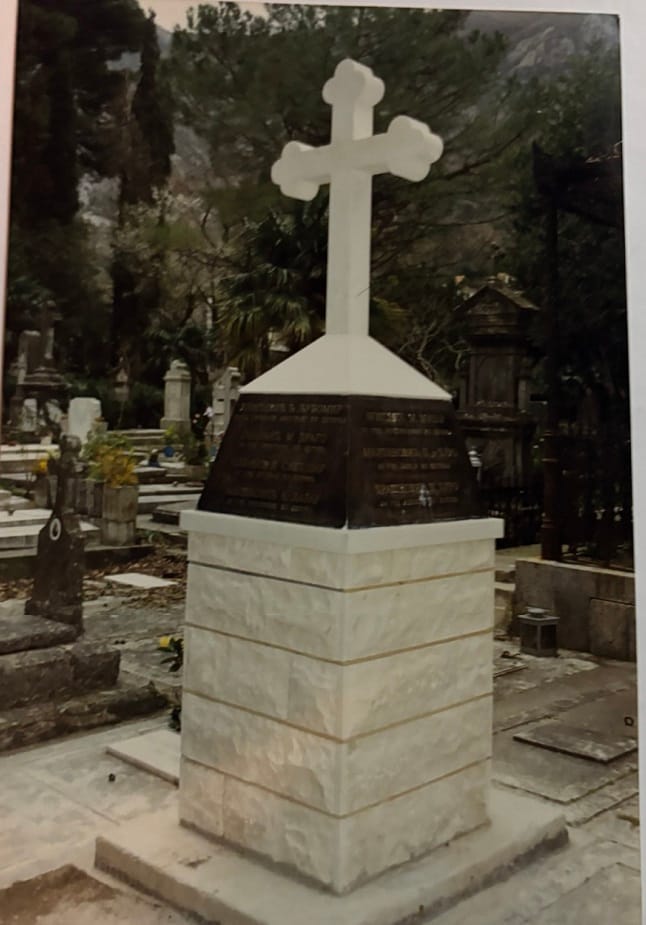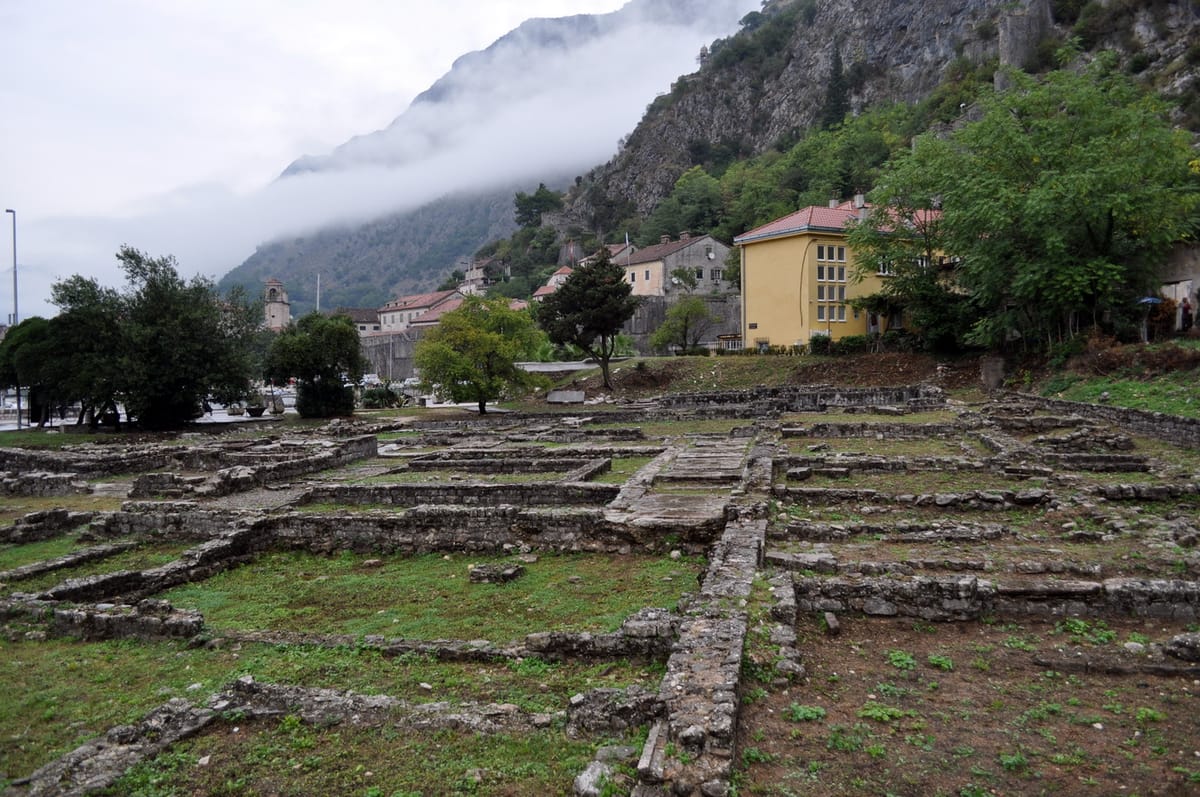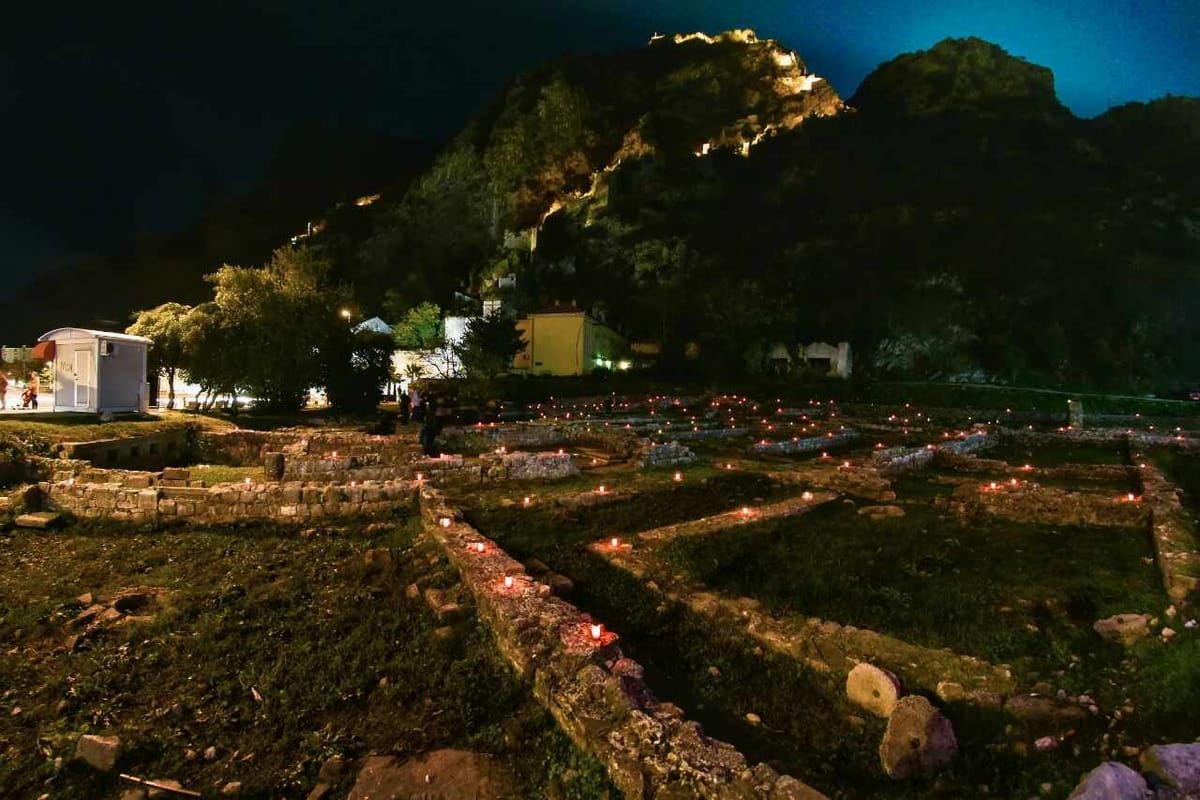
Kotor's oldest cemetery, CAMPO SANTO, near Gurdić, dates back to the Middle Ages. For some ten years now, on the initiative of a few individuals, All Souls' Day has been marked there in the Christian way; the cemetery has finally been given a decent fence, and the resting place of notable people of Kotor of that time is now looked after.
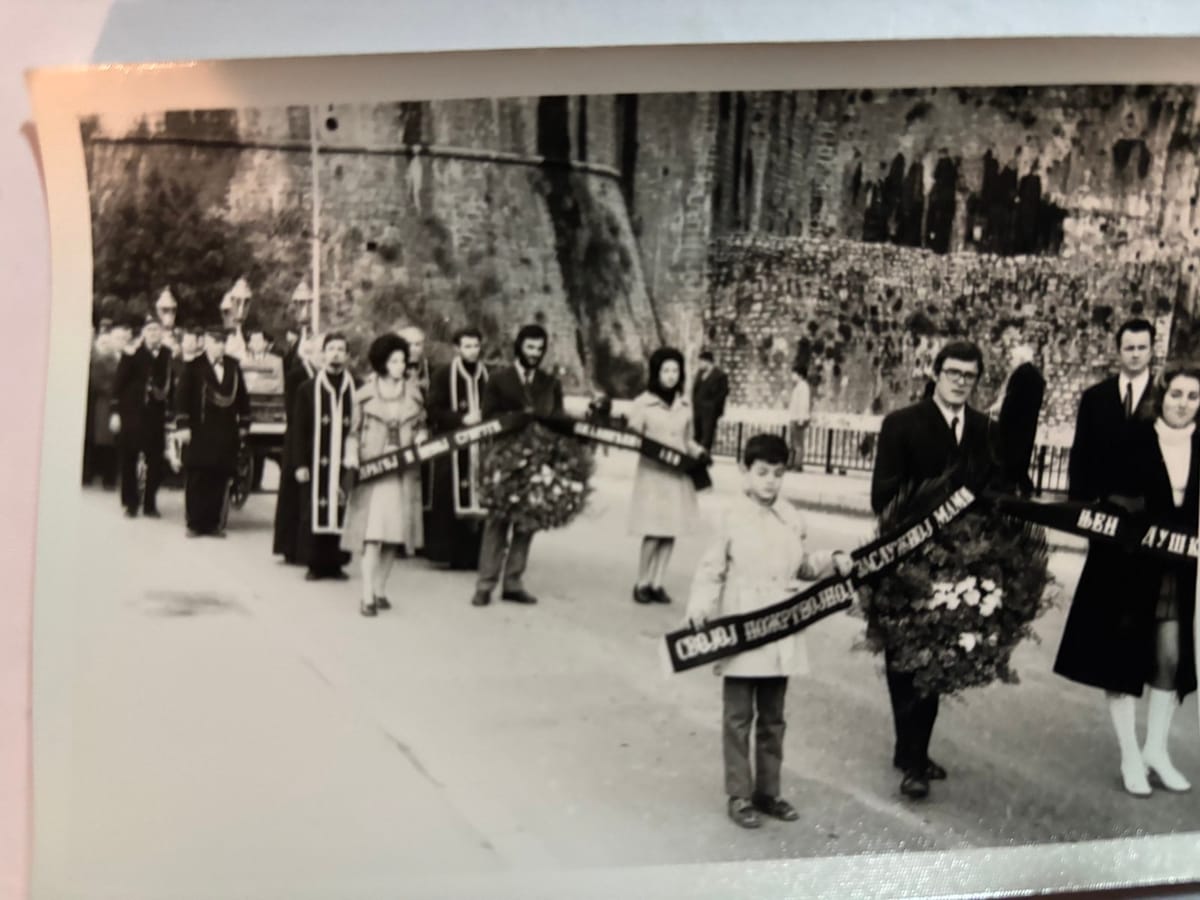
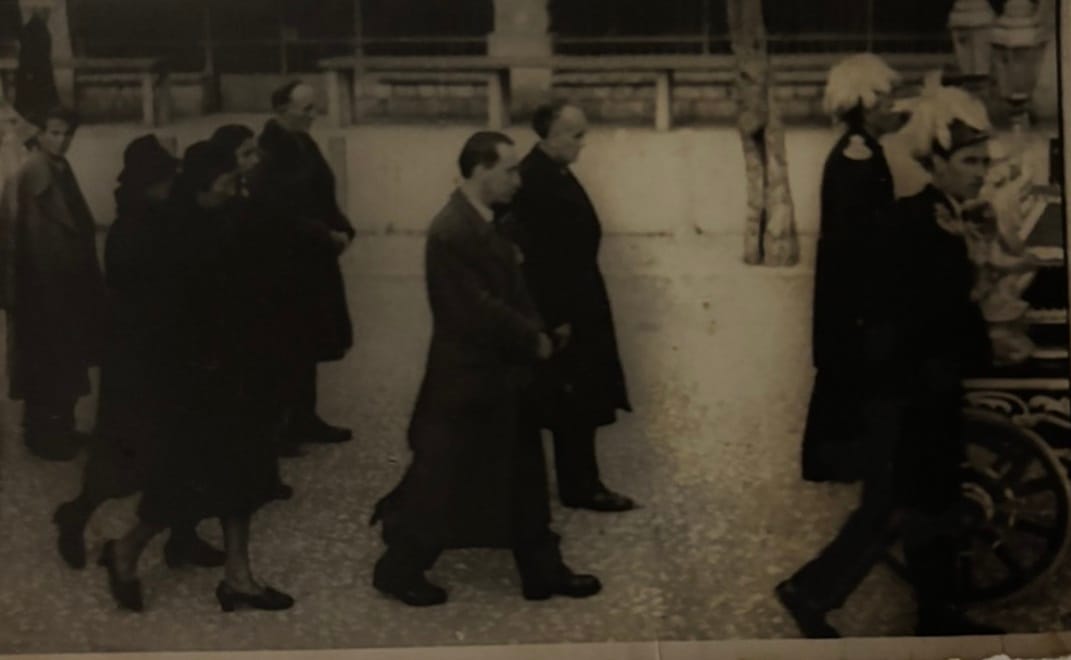
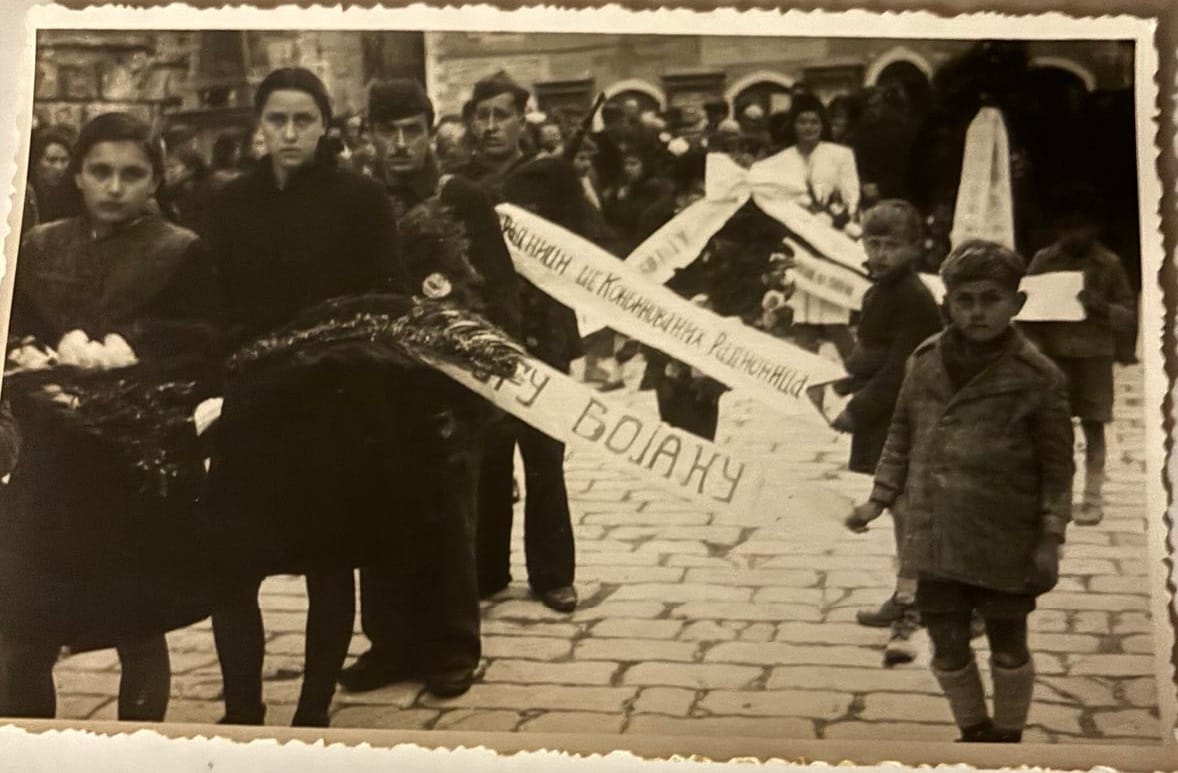
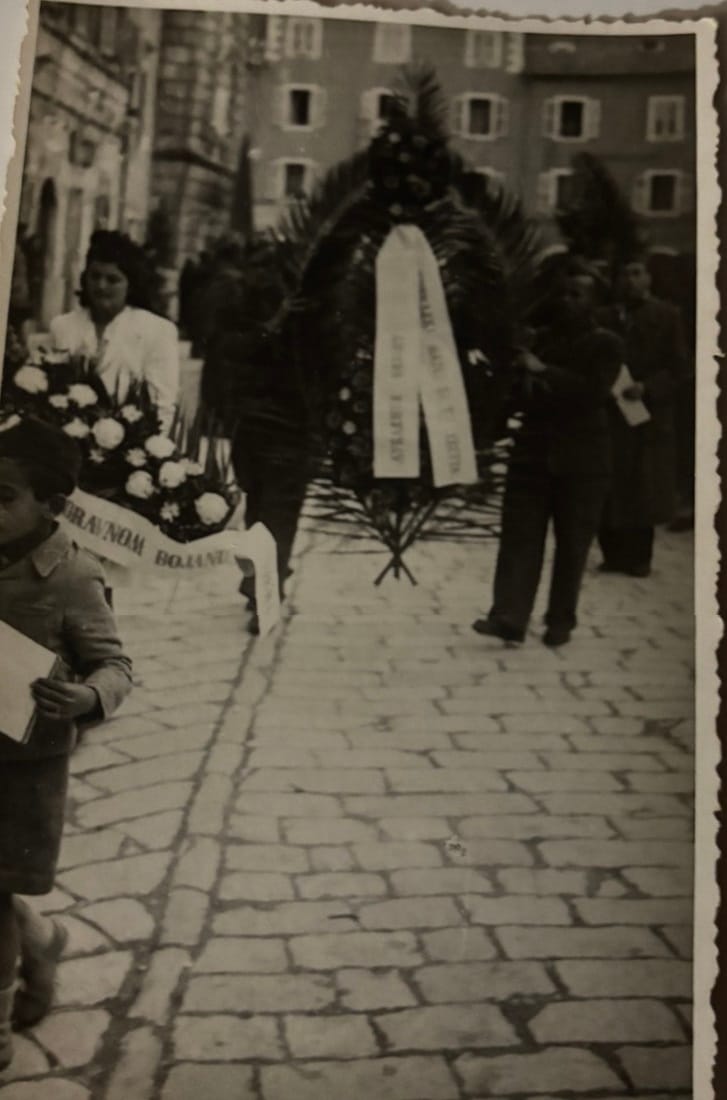
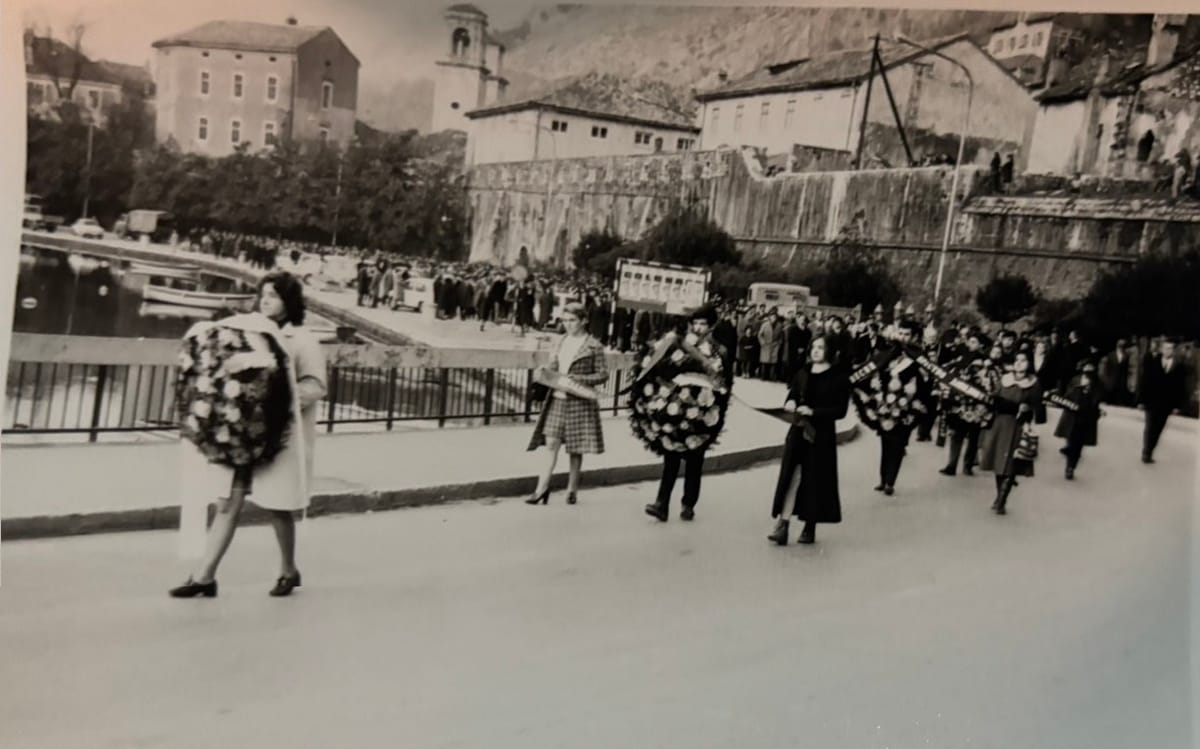
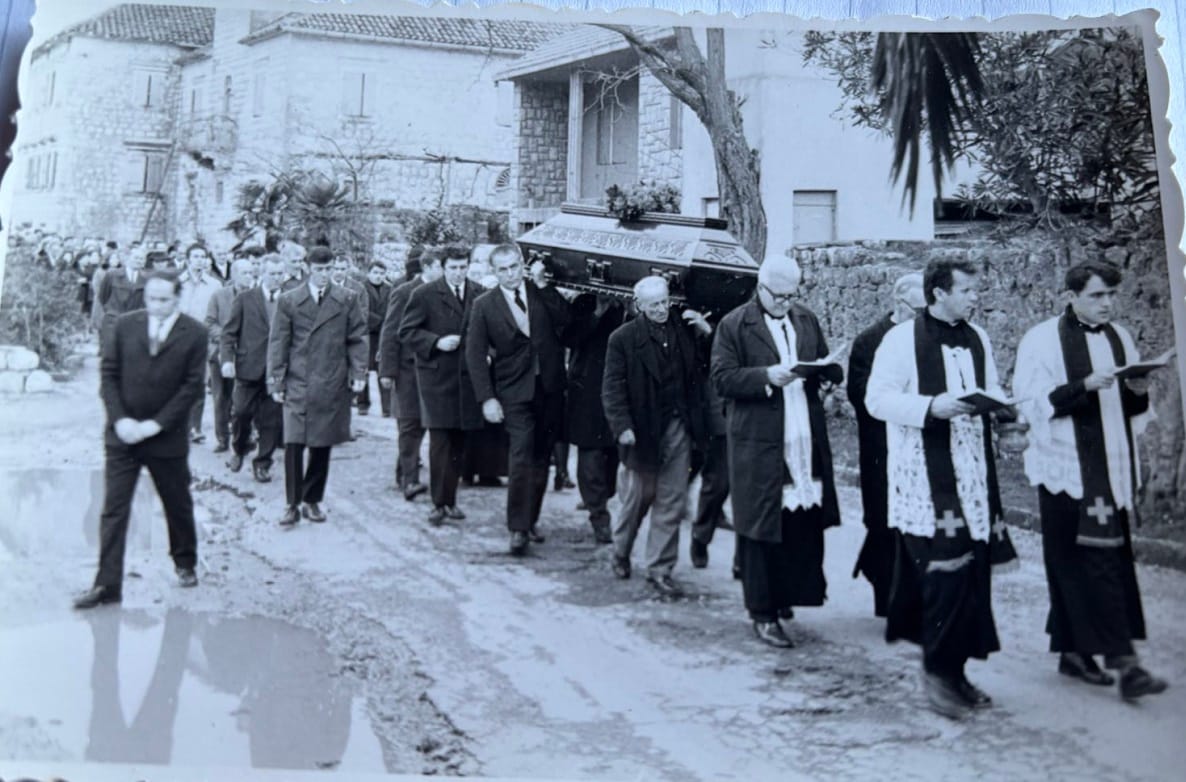
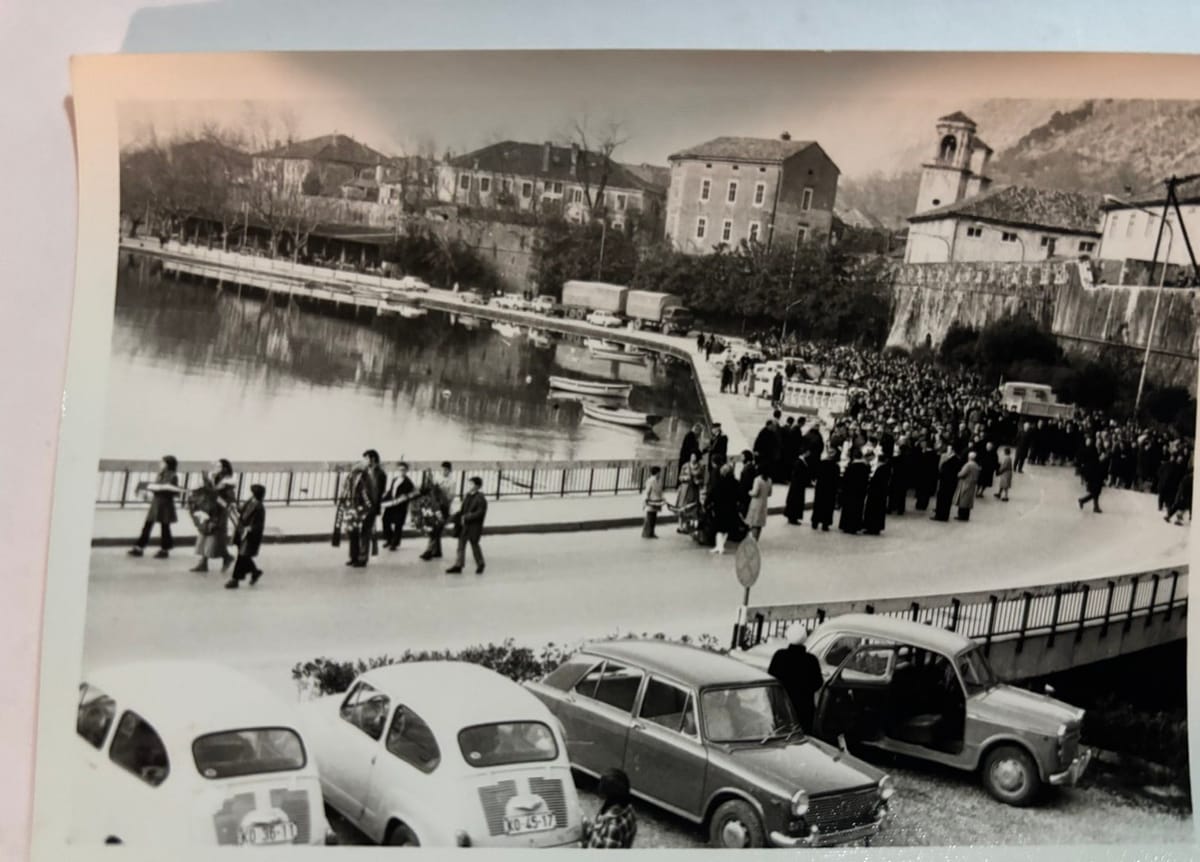
It was not until 1982 that a chapel was built at Kotor's town cemetery and, as it happened, the first to be laid out in it were two Kotor-born men – which ended a long tradition of funeral processions from the town to the cemetery in Škaljari. Until then, the dead had lain at home, in their flats and houses. Condolences, too, were offered to the family where the deceased had lived, with the traditional wake lasting at least one night.
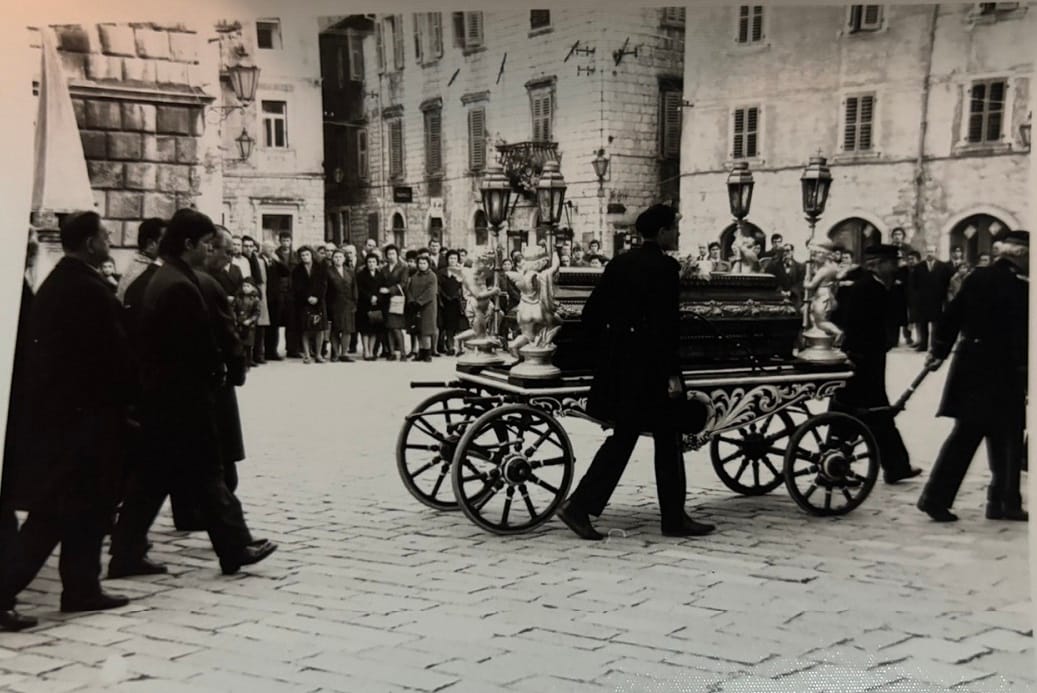
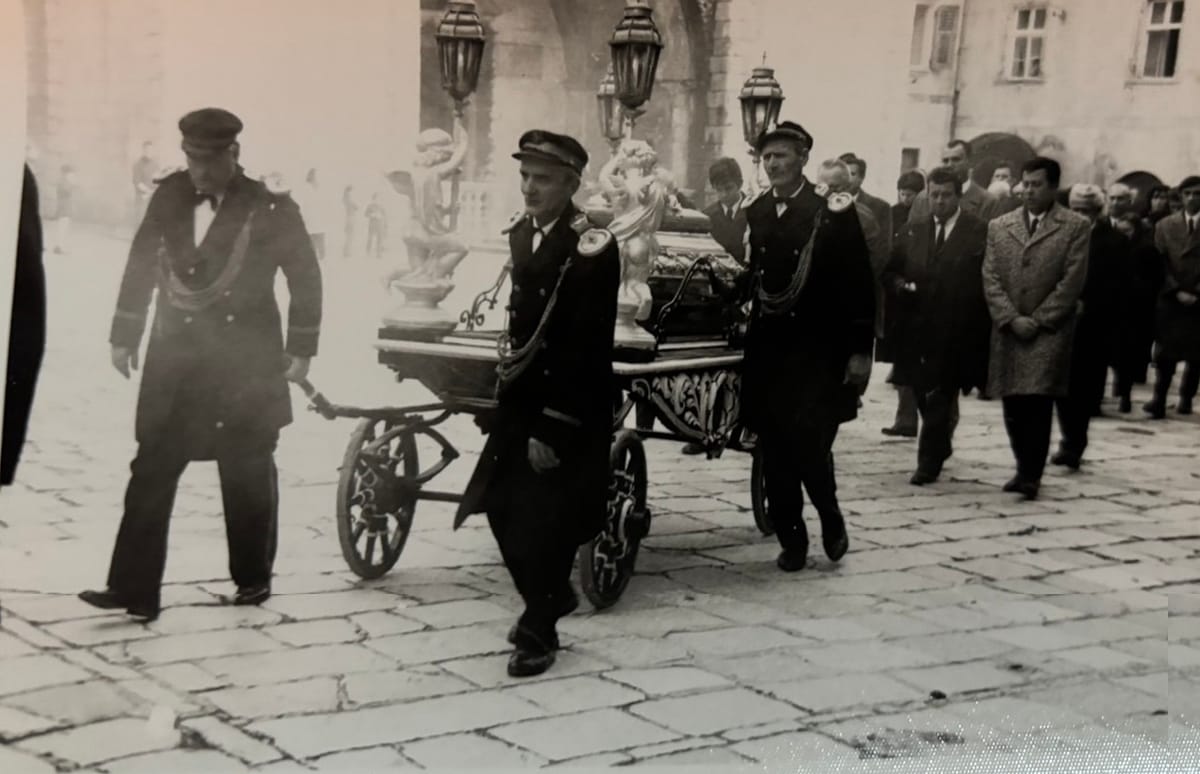
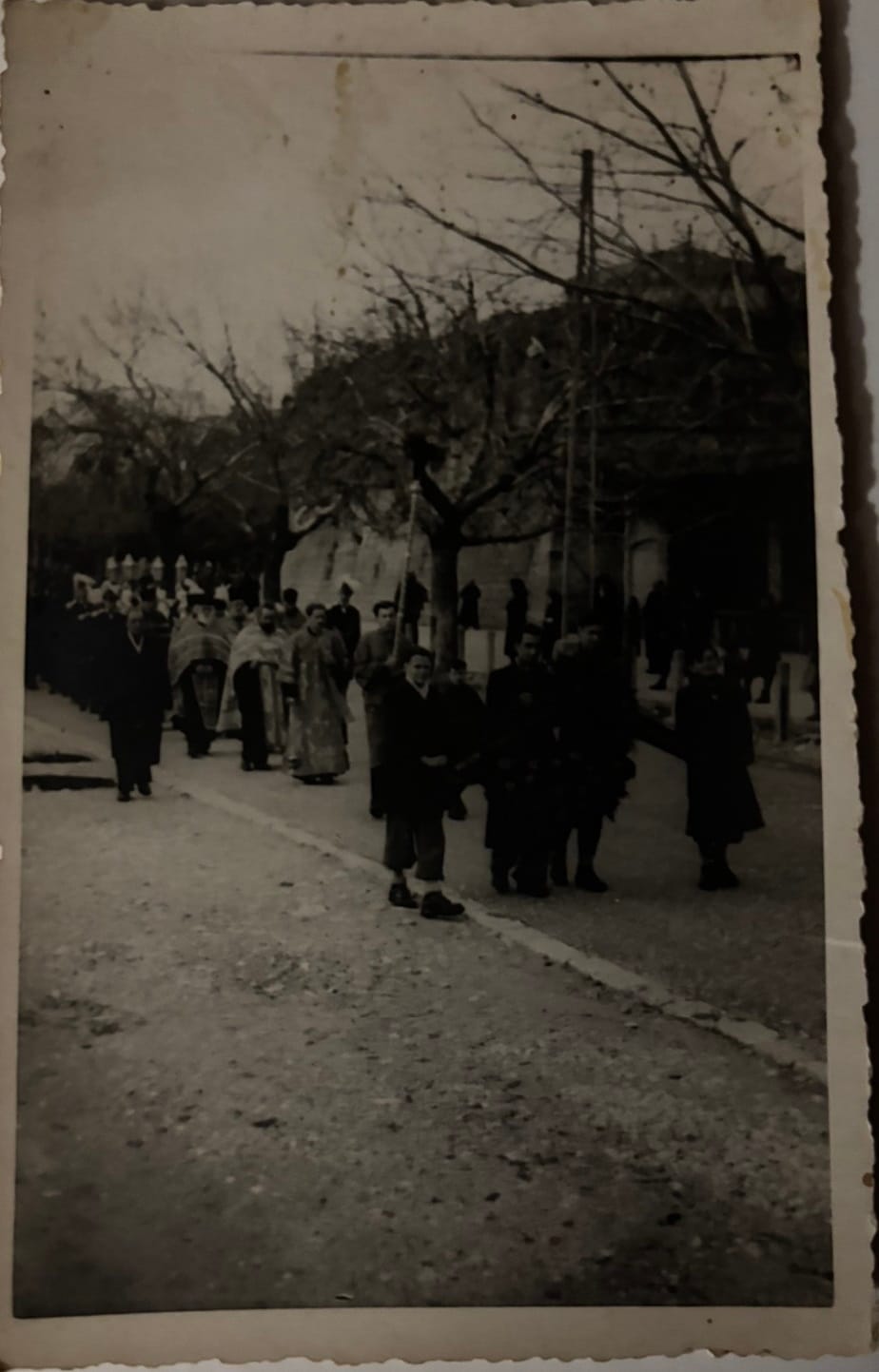
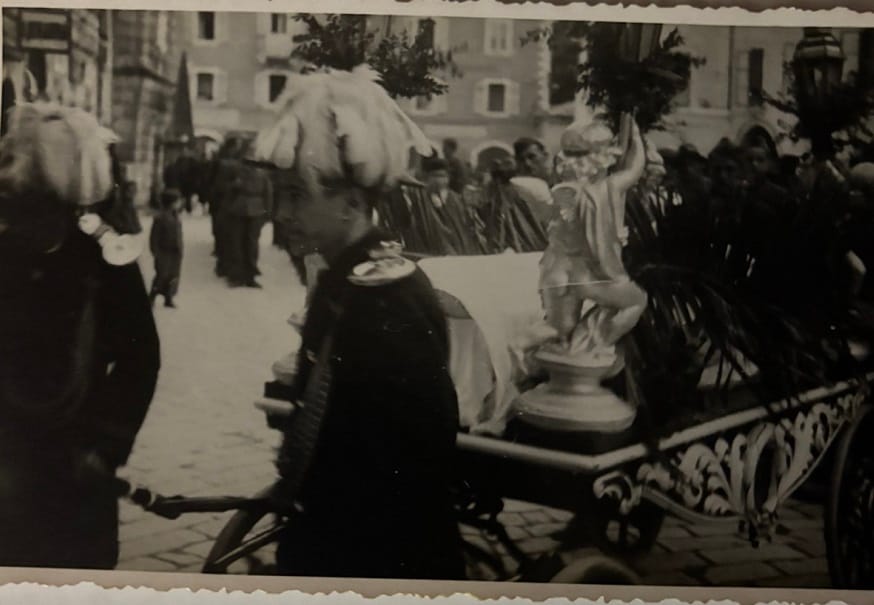
Another curiosity of life – and funerals – in Kotor. After the funeral service or Mass in the Orthodox or Catholic church in the town, the procession with the deceased went to Škaljari, but it also had a “stop” at Gurdić, where townspeople who for whatever reason could not go all the way to Škaljari would offer their condolences to the family; then the procession would continue to the cemetery. The remains were borne on a special carriage made at the end of the 19th century, accompanied by four to six uniformed ĐORĐINA, as the people in charge of carrying and burying the dead were called in Kotor. Their equipment and uniforms lent a particular solemnity to what was, for every family, an important moment.
Just how unusual, almost unique, all this was can be seen from the fact that some documentary makers would wait for a funeral of this kind, one that would draw a big crowd, so as to shoot the most striking documentary possible.
And an established artist's plan to make a film about Kotor's town cemetery is still alive, with the emphasis on the many notable figures from history, literature, the arts, education, religion and sport who rest there.