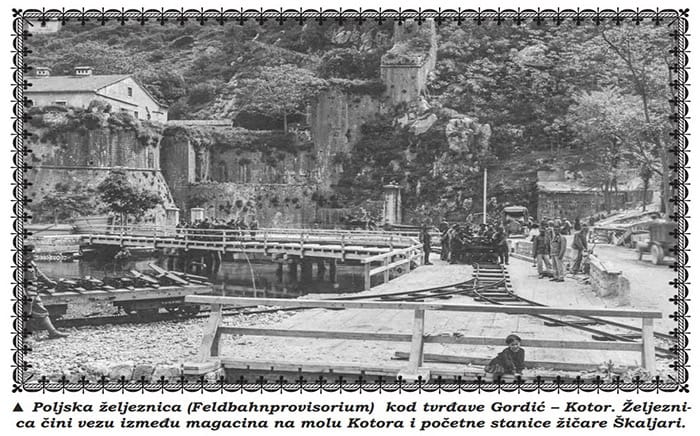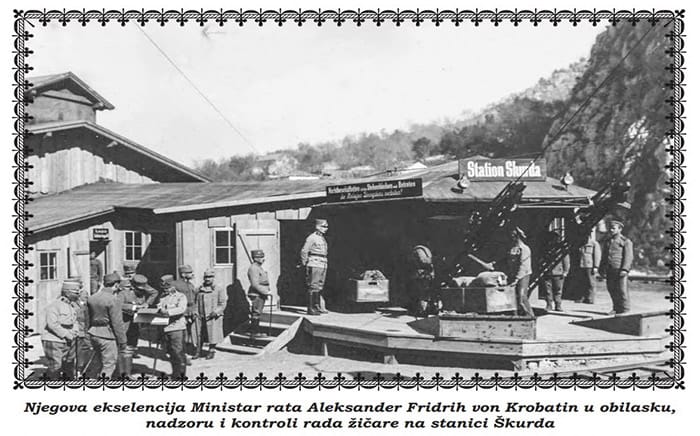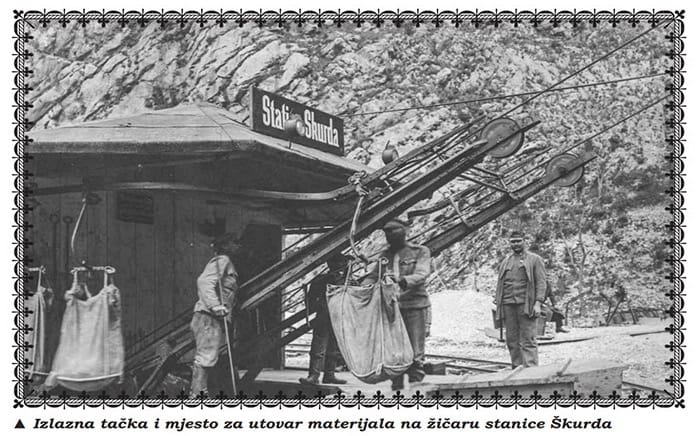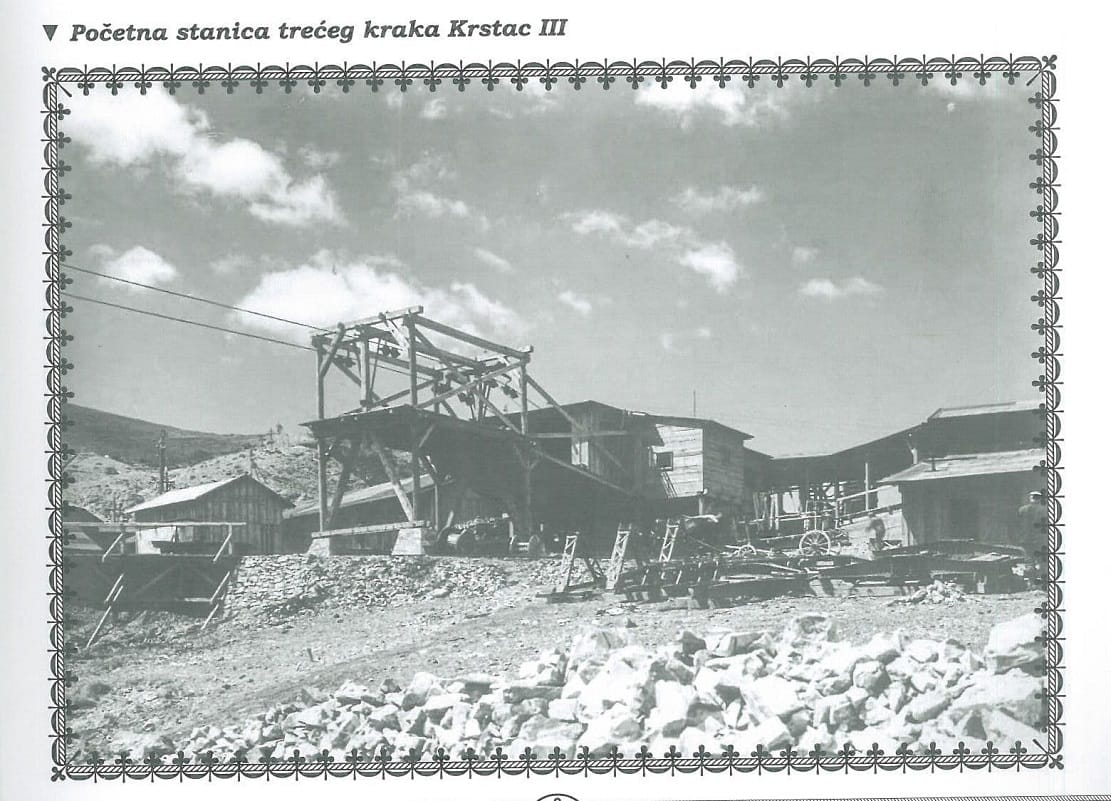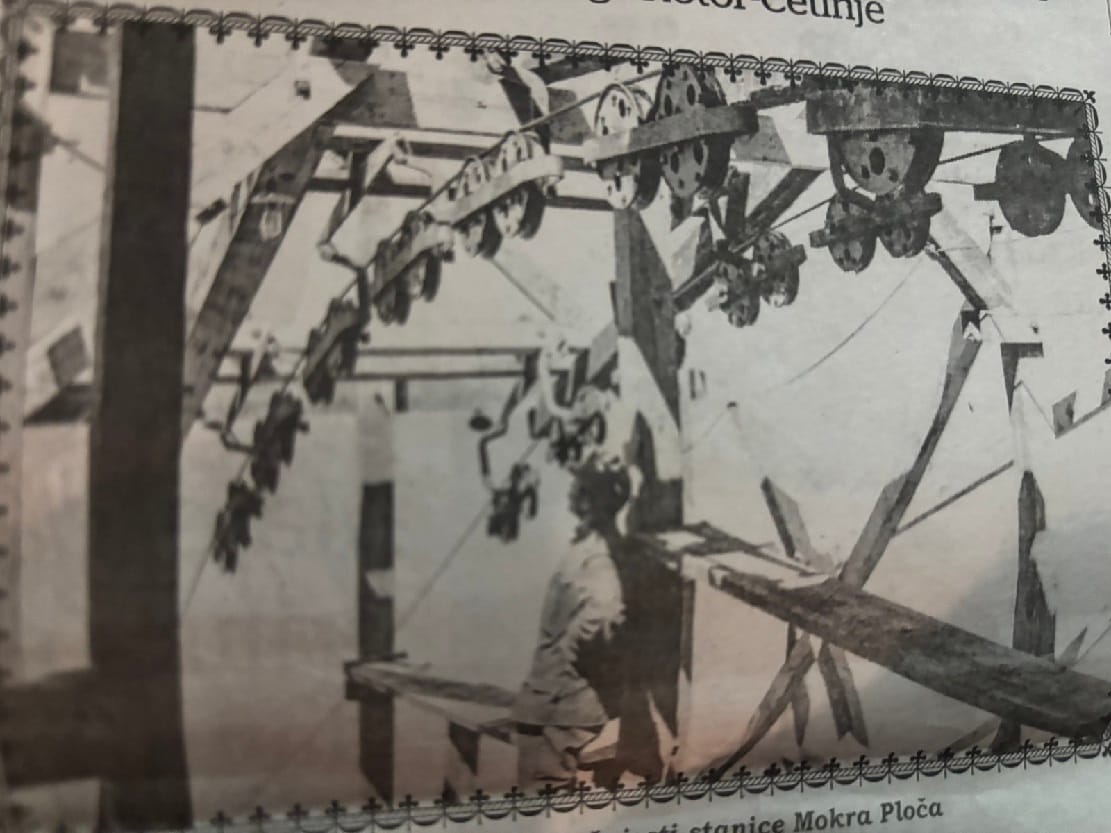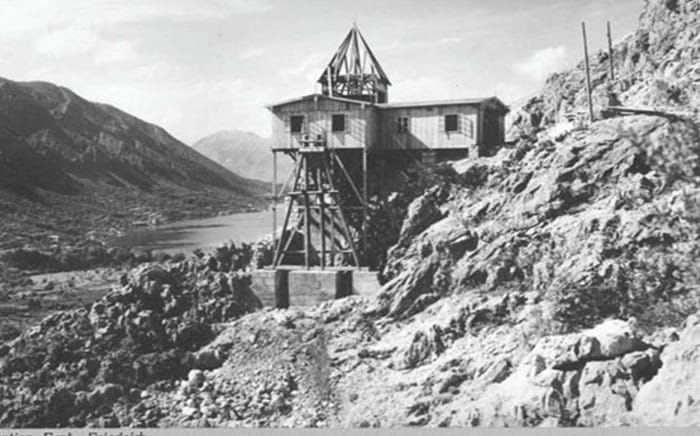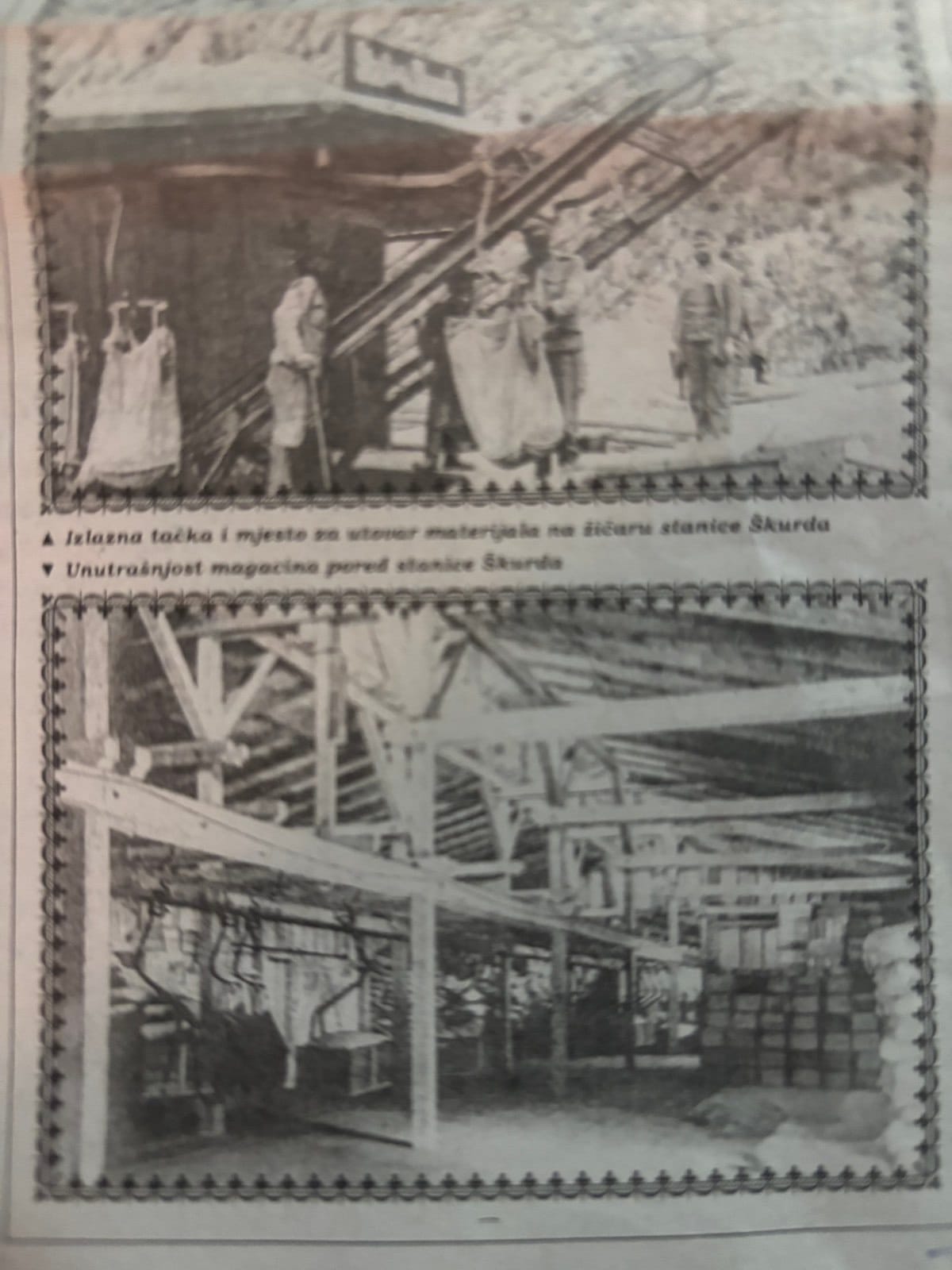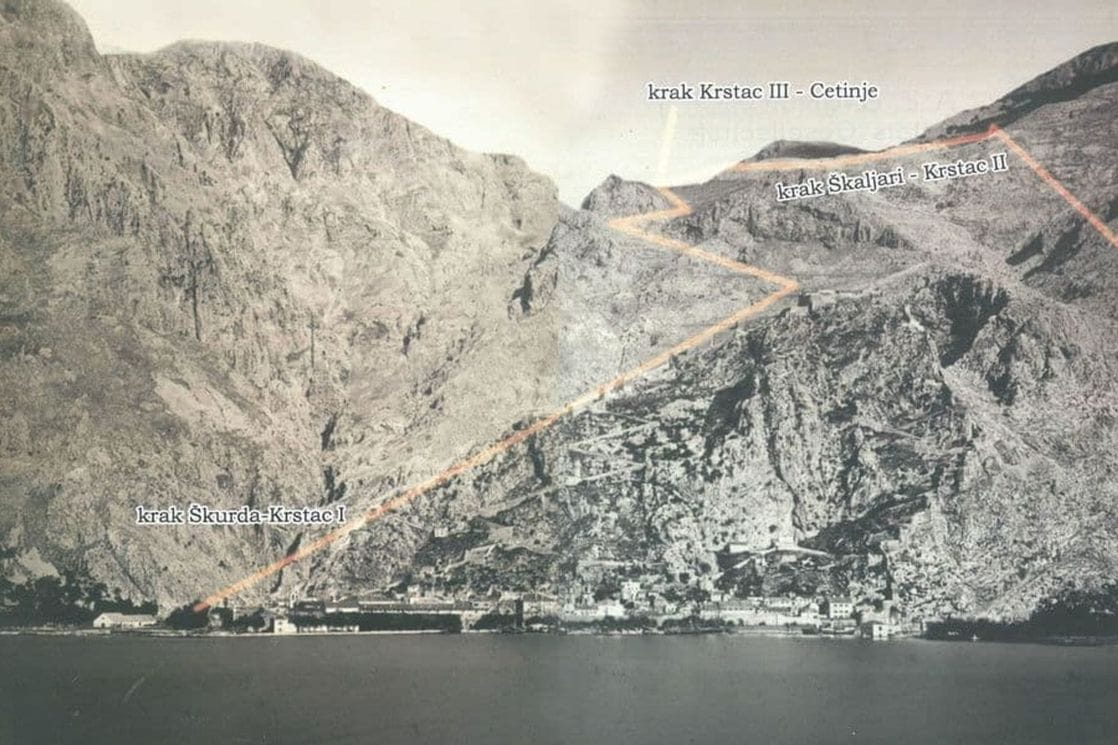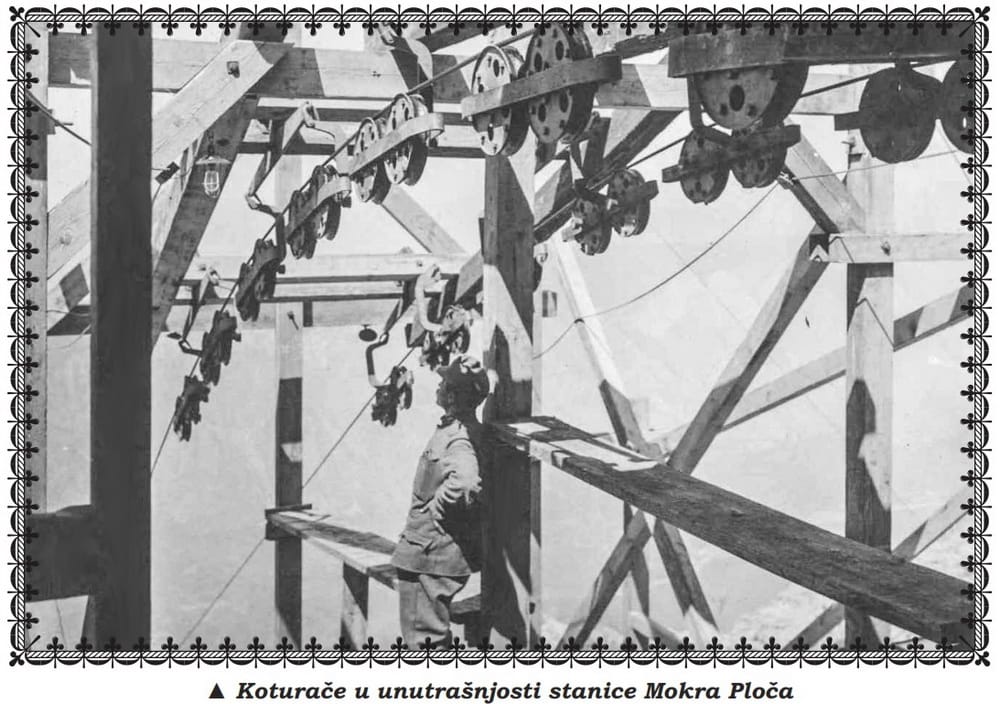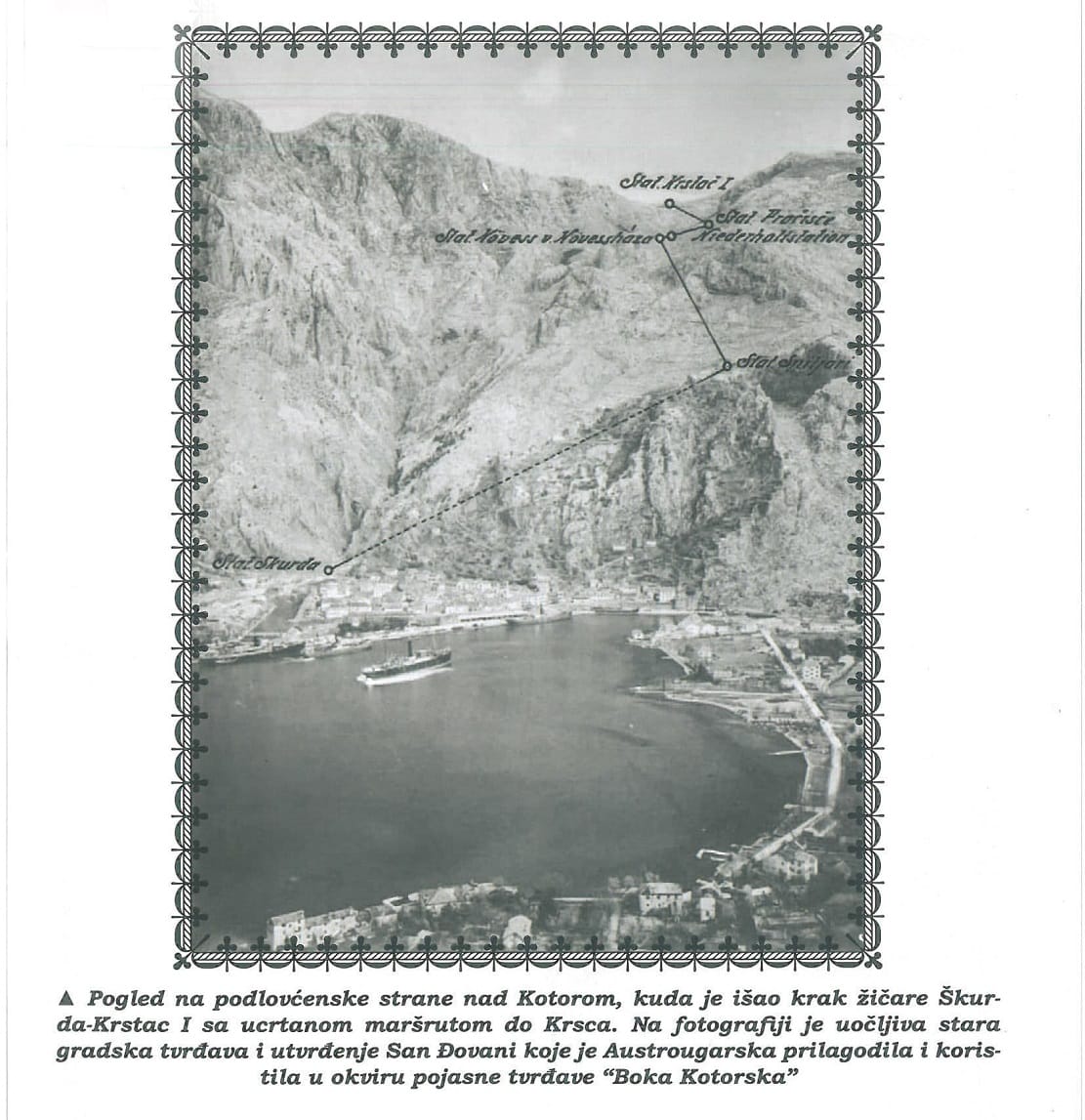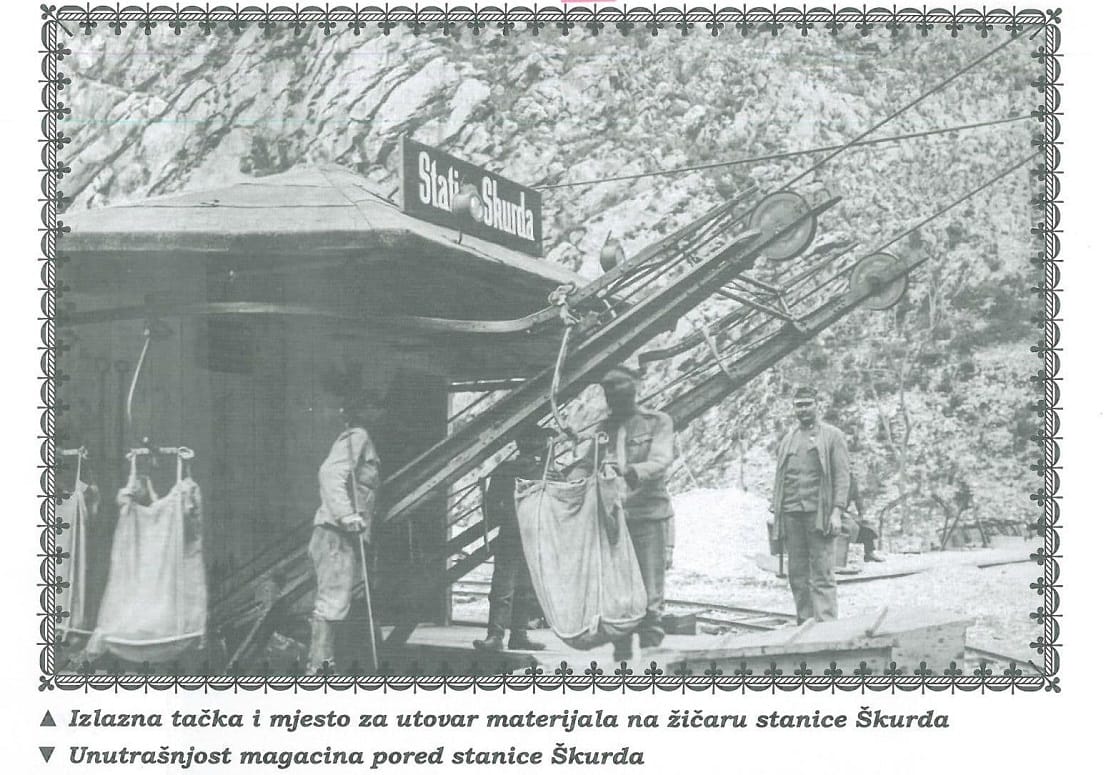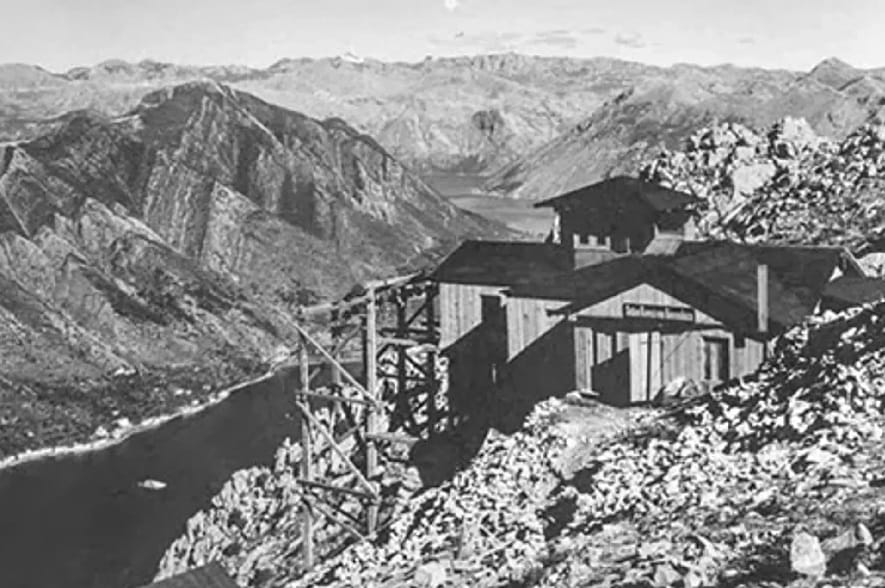
Yet linking Kotor with its hinterland is an old idea: the first cable car was set up in the maelstrom of the First World War, in 1916, so this year marks 110 years since the Kotor-Cetinje cable car. For Kotor, which from 1814 belonged to Austria and then to Austria-Hungary, had to find a way of supplying the troops in the occupied territory behind the Bay of Kotor during the military operations against Montenegro. The cable car was built not for passengers but as logistical support for military operations. It had three sections – Škurda-Krstac, 2,607 m; Škaljari-Krstac, 3,433 m; and Krstac-Cetinje, 12,136 m.
In an hour the cable car could carry 7,500 kg of assorted goods, weapons and ammunition up to Njeguši for the military power that had turned on Montenegro. And in that maelstrom of war, Njegoš's chapel on Lovćen – the symbol of Montenegro, which for a long time even featured on the state coat of arms – was shelled from the battery positions on the heights of the Bay of Kotor.
When the First World War ended in the autumn of 1918, the cable car stopped running. Traces of it, and parts of the equipment used to run it, survived for many years afterwards, and the cable car itself has gone down in the history of our region.
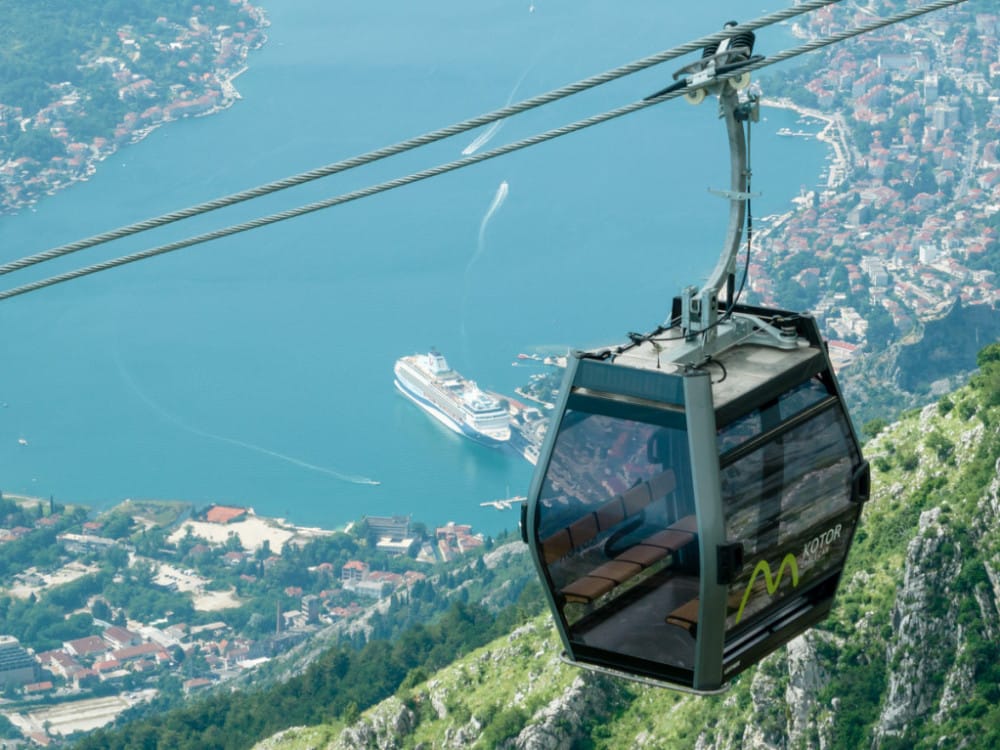
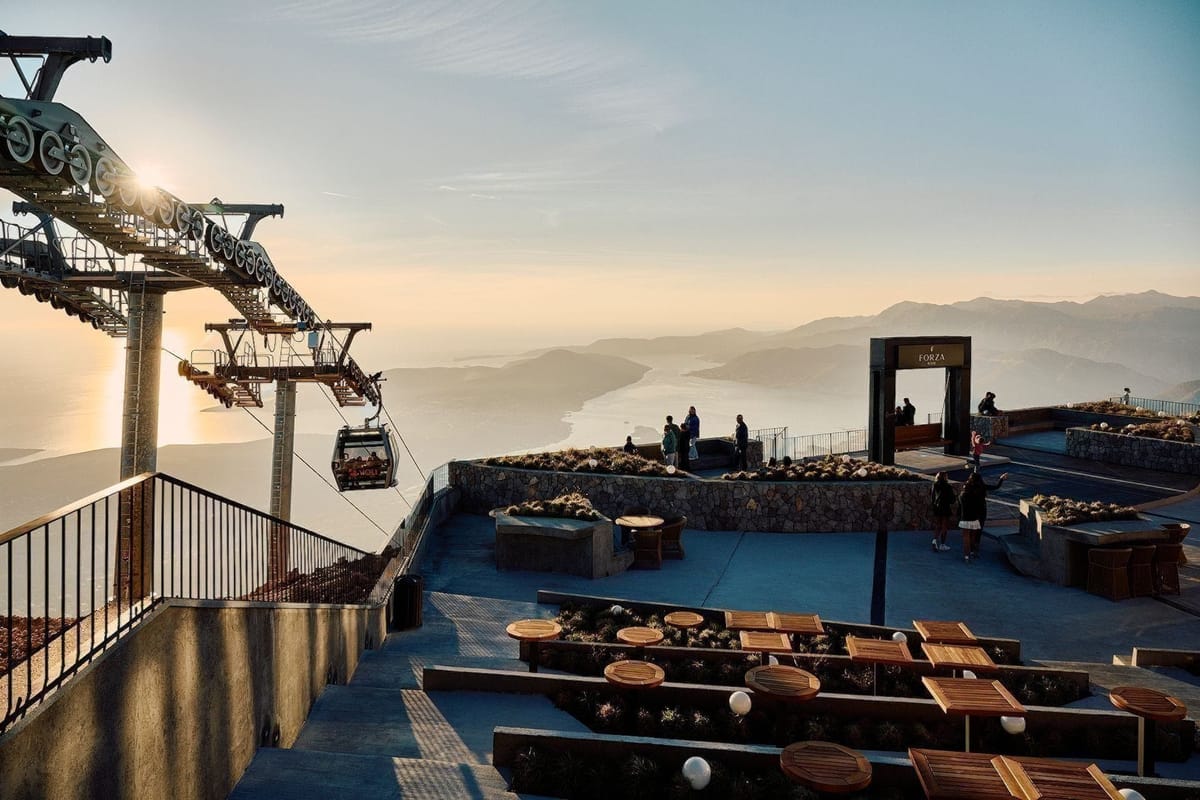
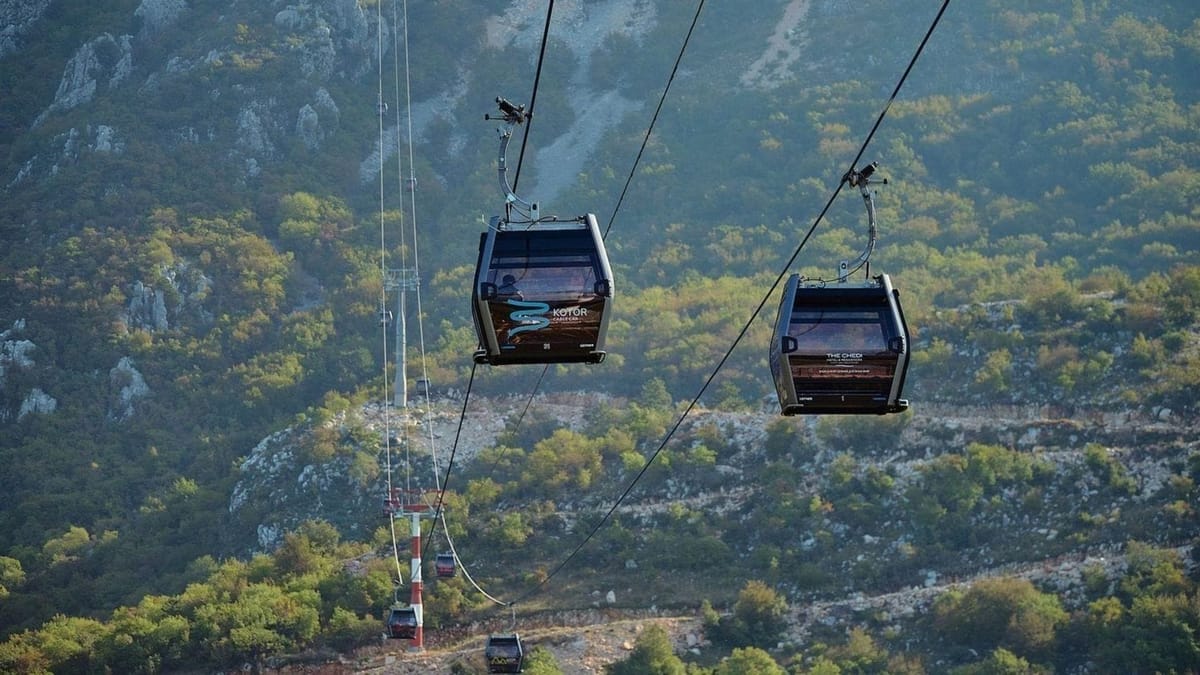
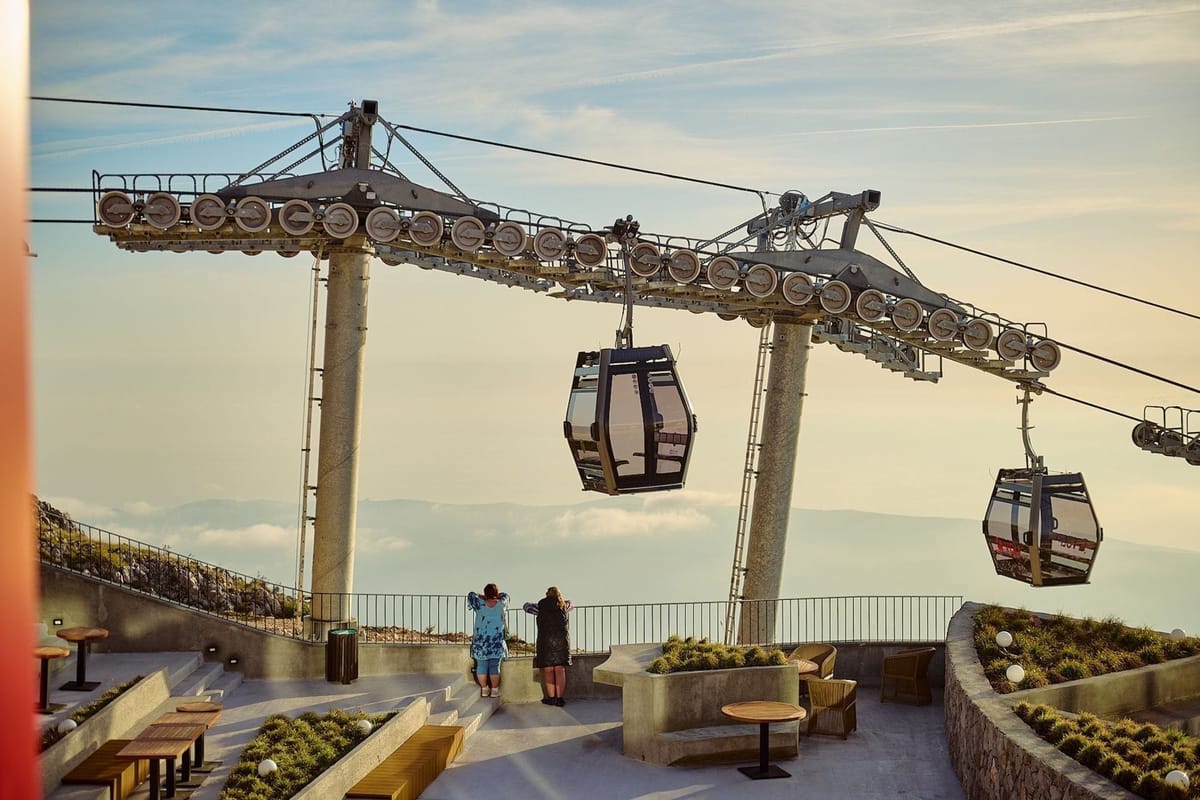
Today's generations, we hope, will never need a cable car for purposes of war. The memory of the one from 110 years ago could serve tour guides as an introduction when they take today's visitors on an outing on the Kotor-Lovćen cable car.