From the memories of journalist Dušan Davidović
Series
Journalist Dušan Davidović writes about people, families and events from the history of Kotor.
More from this series
SocietyFrom the memories of journalist Dušan Davidović
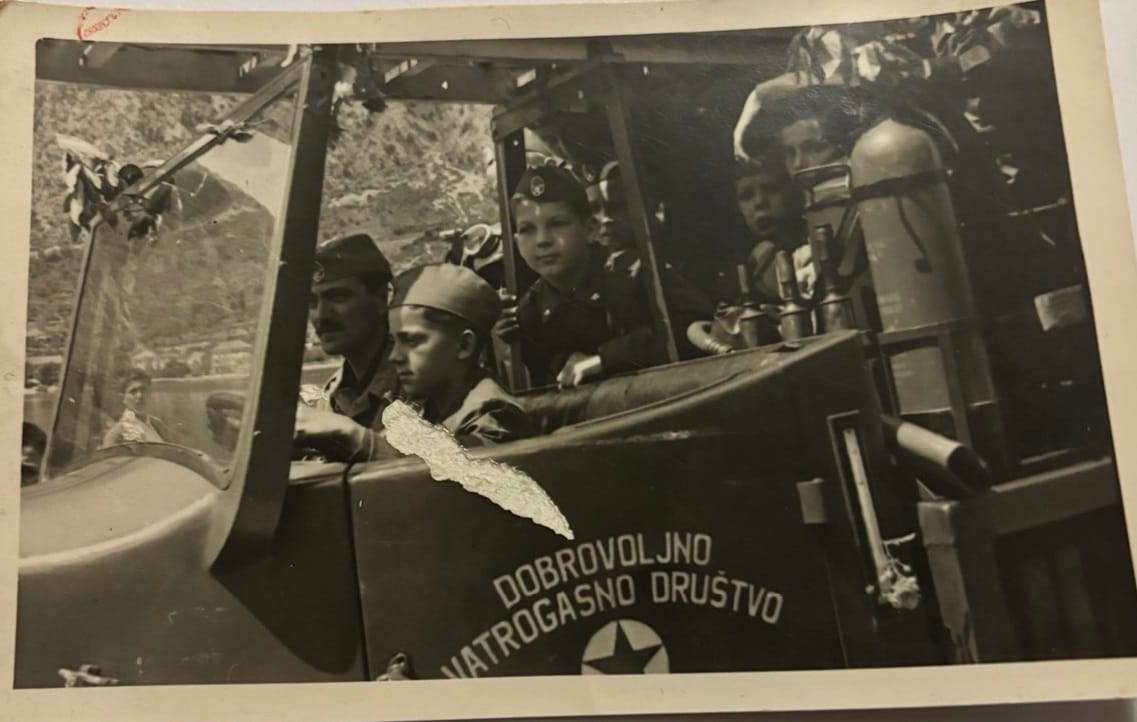
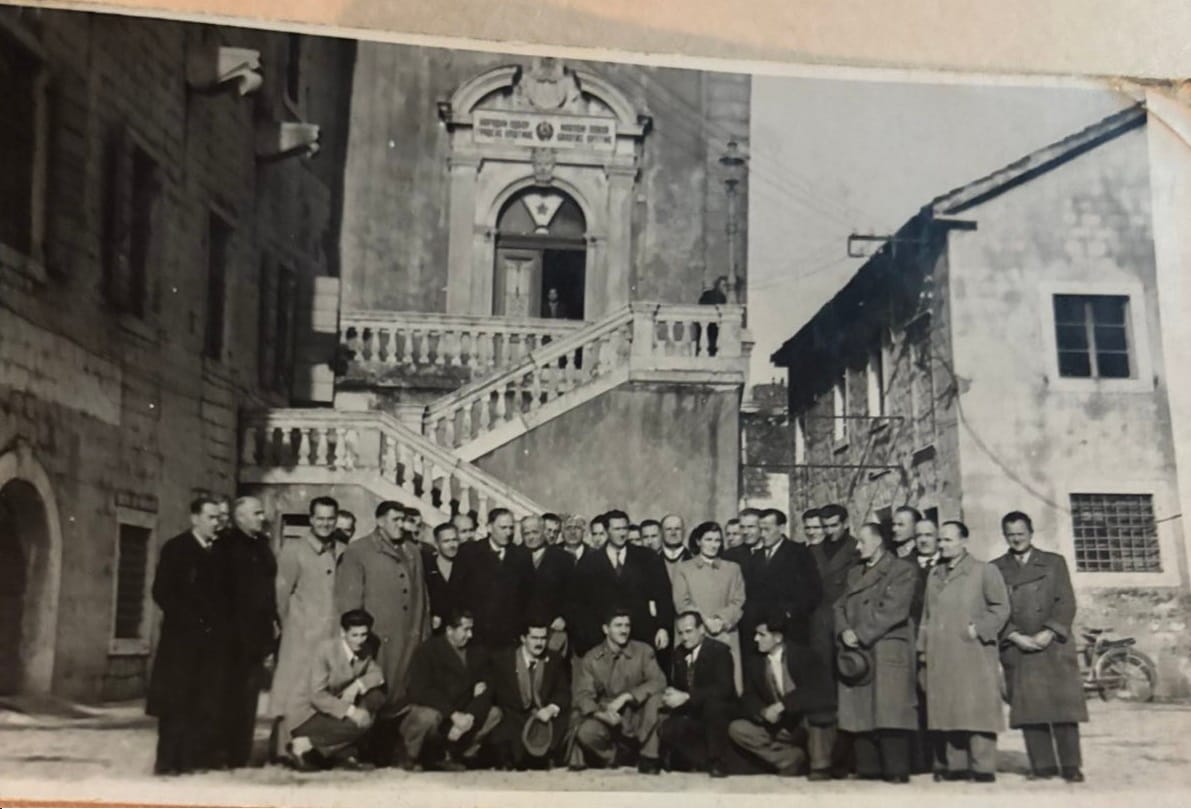
Firefighters, a long tradition in Kotor
New Year and the other holidays celebrated in Kotor throughout the year call for thorough preparations, including on safety, and firefighters play a special role in this work. For at festivities that draw several thousand visitors, all sorts of problems arise, and then everyone waits for help from the firefighters and the protection and rescue service. We remember several fires on the very nights of festivities, such as Boka Night, or years ago, on 31 December 2001, when a residential building in Dobrota burnt down. Sadly, there were victims too: two women from our town lost their lives. That is a warning for all future events on festive nights.
SocietyFrom the memories of journalist Dušan Davidović
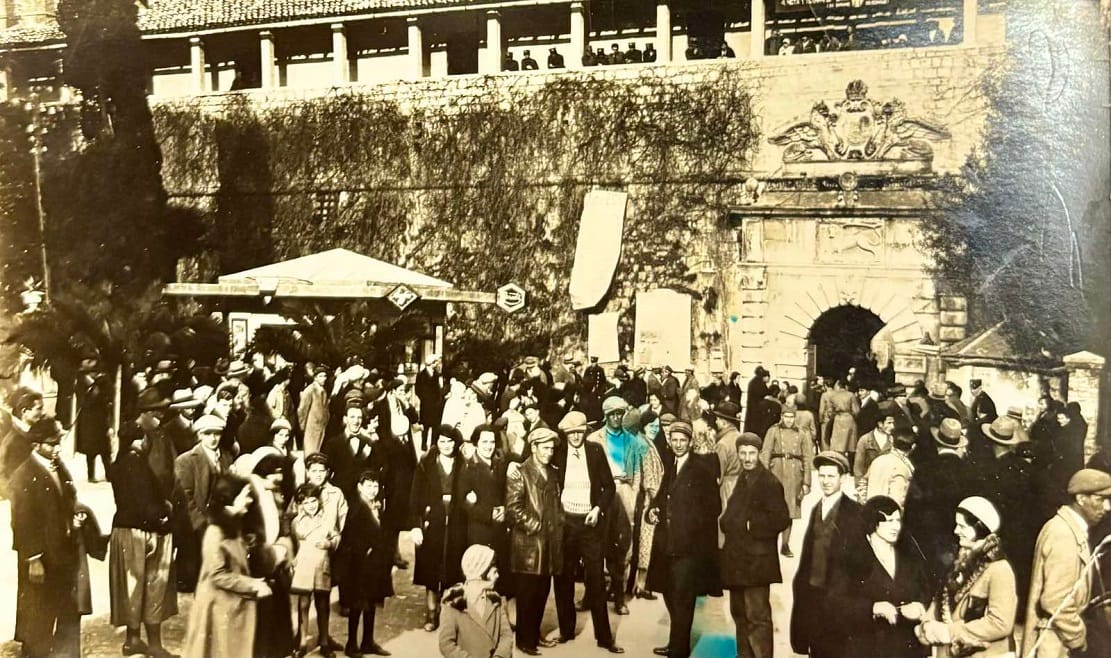
Kotor’s squares through time
A typical Mediterranean town, Kotor once again confirmed over the holidays its age-old character and way of life: that in such towns life happens, above all, on the squares. Although Kotor stepped outside its monumental walls long ago, when important dates are marked the squares and narrow streets still become the centre of events, and life pulses until the early hours. Tourists and other visitors gladly embrace this custom, as do performers, who enjoy the authentic backdrop of stone buildings and walls.
SocietyFrom the memories of journalist Dušan Davidović
The cosmopolitan spirit of Kotor
Ever since Kotor, and the wider Bay of Kotor, came into being, this coastal region has drawn people from all directions. As administrations and states changed, so did the ethnic make-up, and alongside the old-established inhabitants, people from all corners of the globe always found a permanent home here. We have witnessed this in recent years too, now as a consequence of the war between Ukraine and Russia, but also of other hotspots, whether of war or of economic hardship. So the four municipalities of the Bay of Kotor, from Kufin to Debeli Brijeg, have received new residents with passports from Ukraine and Russia, but also from Turkey, Azerbaijan and even some distant countries of Africa and Asia… Citizens of the United Kingdom, Germany, the Czech Republic and other EU countries are arriving too. Yet over the last 80 years many people native to the Bay of Kotor have, for various reasons, left their home region.
SocietyFrom the memories of journalist Dušan Davidović
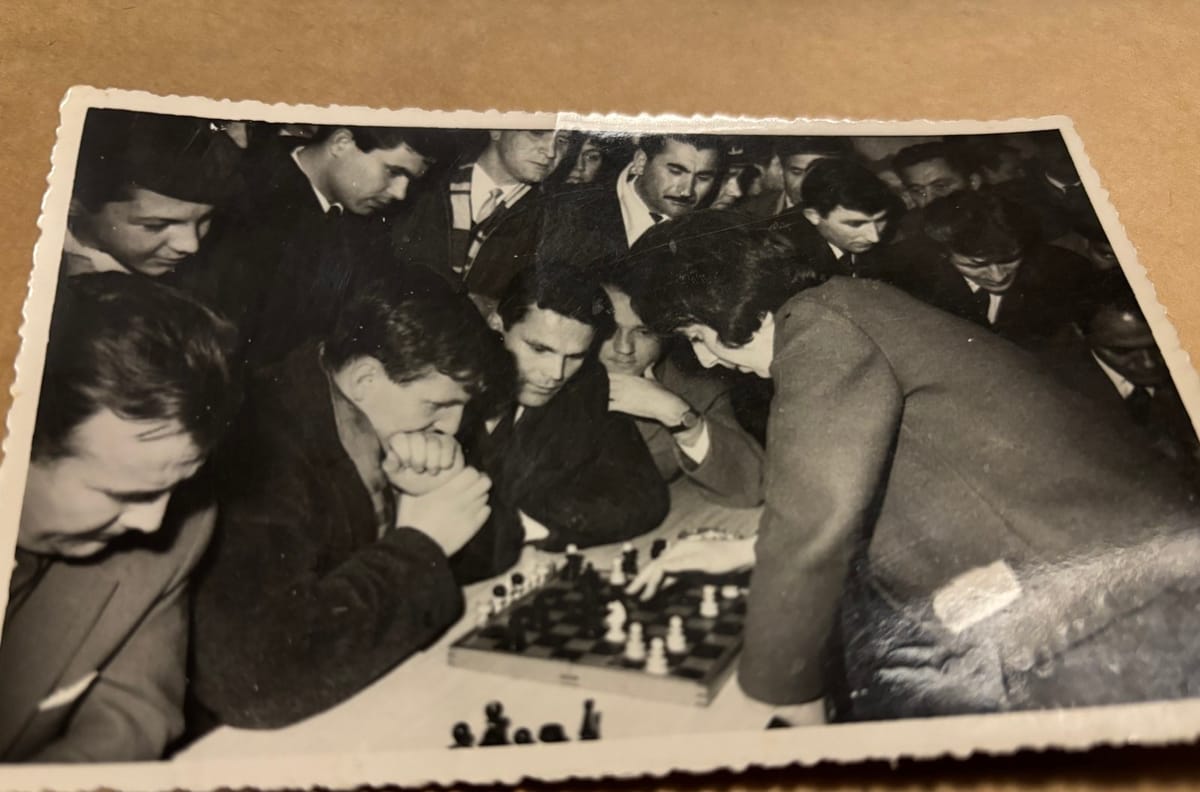
Chess, and memories of the grandmasters who played in Kotor
The old dilemma of whether chess is a sport or not is still with us, but whatever the answer to that eternal question, the game played on 64 black and white squares has millions of devotees around the world today. So it is in Kotor, where chess has long had its enthusiasts and ardent supporters. What is heartening and encouraging is that, after years of stagnation, news has lately been arriving of the successes of young chess players from Kotor, along with expectations that the Kotor Chess Club (ŠK Kotor) will once again get suitable premises for its work and regular activities. Those premises could also house a wall newspaper, on which many could be reminded, in pictures and words, of the rich history of chess events in our town.
SocietyFrom the memories of journalist Dušan Davidović
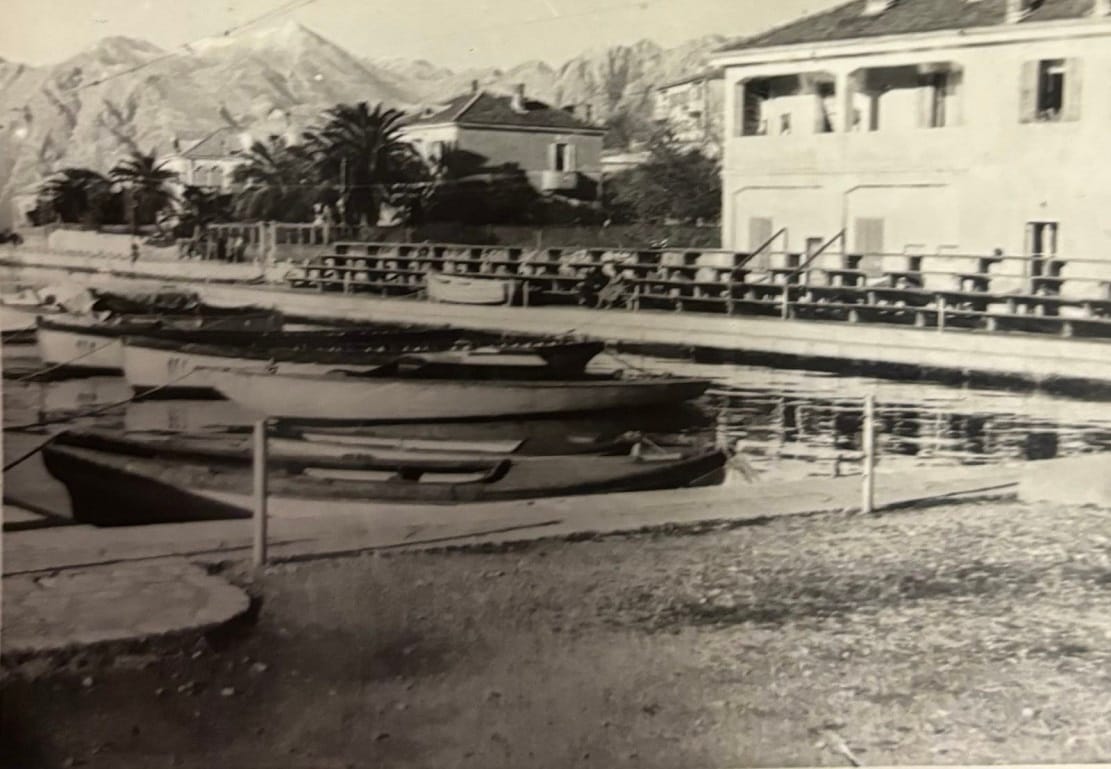
Kotor’s swimming pools over the past century
For more than a century, organised sport has been developing in Kotor through the Primorac sports society, founded in 1922, which brought together sections for several sports: football, rowing, sailing, swimming, water polo… Swimming and water polo, understandably, needed special conditions, namely a pool. Improvised at first and later, over years and decades, pools allowed swimming and water polo to develop more quickly. The high point was the opening of the indoor pool in 1984, but Kotor’s development plans also provide for a major renovation and reconstruction of the open-air, so-called summer pool.
SocietyFrom the memories of journalist Dušan Davidović
Less and less fish at the fish markets
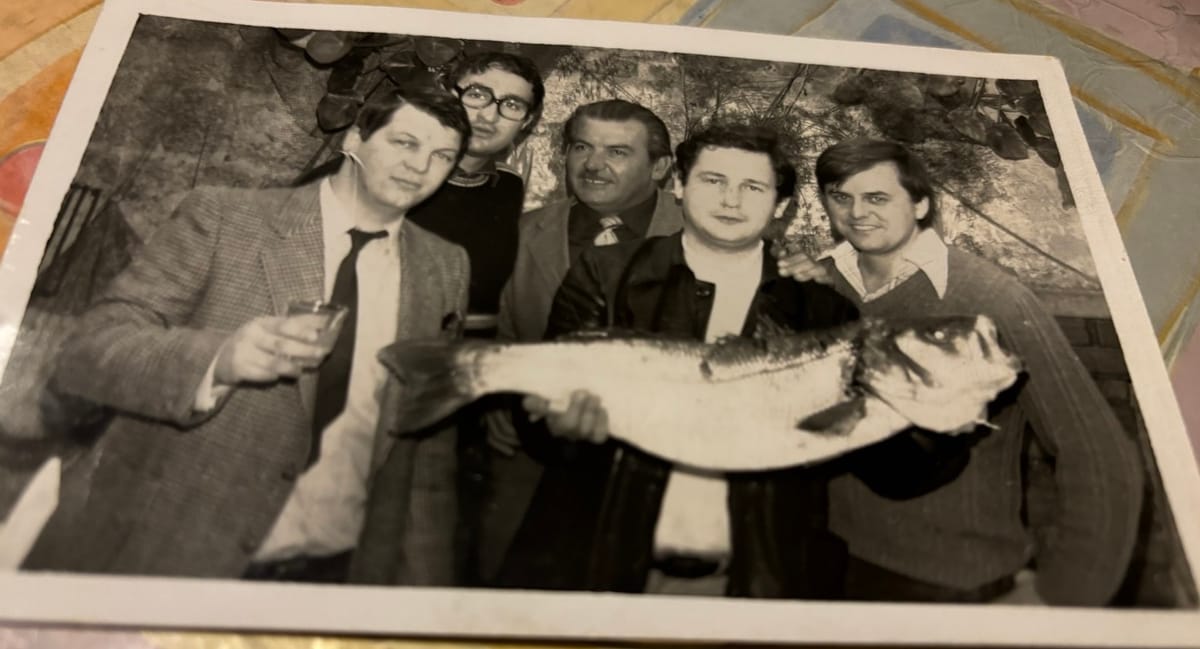
The Christmas fast has begun, so in the weeks ahead, with many holidays and feasts coming up, believers – and others too – will want fish on the menu as often as possible. In the old days, fish was sold straight from the boat all along the shores of the Bay of Kotor, with loud cries announcing what was on offer. Locals would come out of their houses and, on the jetties, pick and buy fresh fish first-hand. Over time this has become ever rarer, just as there is noticeably less fish on offer at the peškarije (fish markets) on market days – Saturdays in Kotor or Sundays in Risan. It is much the same along the Herceg Novi riviera, and in Tivat. Lately, though, there has been a great deal of public talk about fishing, the status of fishermen and the potential of what they could supply. The president of the Fishermen’s Association, Marko Kise, and other experienced fishermen warn that the state does too little for the development of fishing, pointing out that for decades trawlers from Italy and Albania have been hauling away large quantities of fish, especially oily fish, from our country’s waters. Understandably, the fishermen are asking for certain concessions and dedicated fishing ports in Ulcinj and Zelenika, and they warn that time is short, as all of this has to be enshrined in law before Montenegro joins the European Union. Not to mention that there was once a fish factory in Bijela, and even earlier one in Kotor, at Muo, as well as at Rijeka Crnojevića.
SocietyFrom the memories of journalist Dušan Davidović
A toast to remember
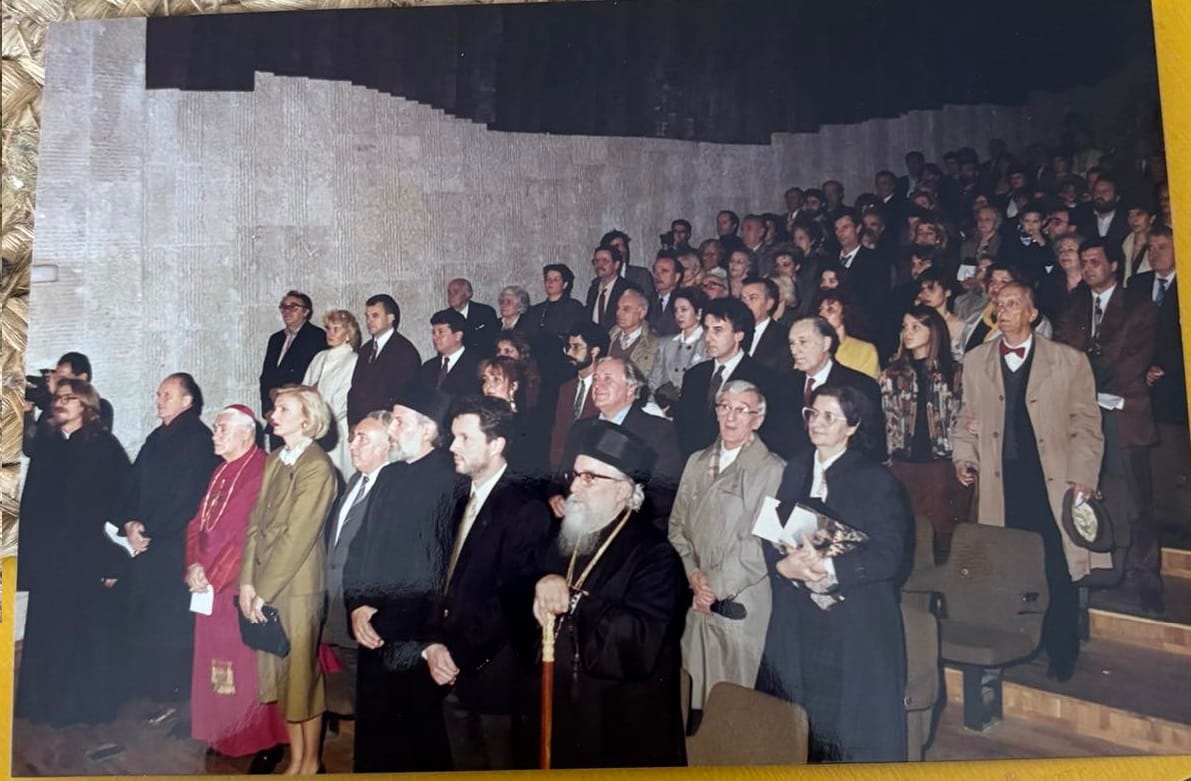
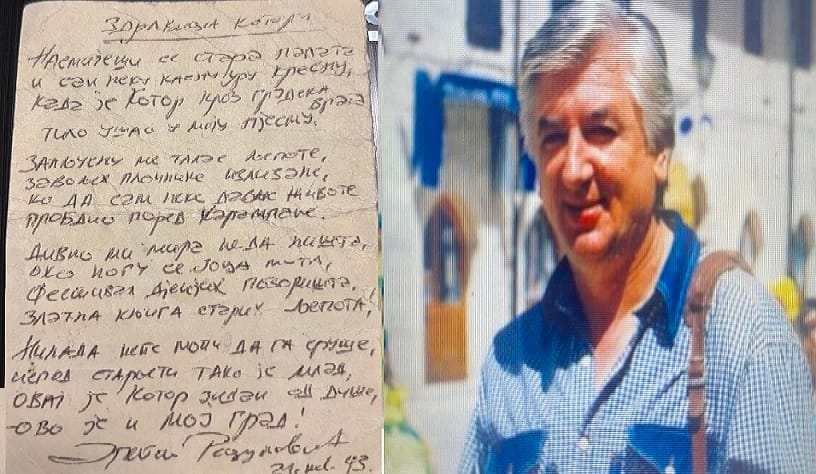
THIS YEAR TOO, AS HAS BEEN THE CASE SINCE 1969, the traditional 21 November Awards were presented to mark Kotor Municipality Day, in memory of the day of liberation in 1944 – but, as is customary, amid the ecumenical celebration in which the people of Kotor mark the feast of St Michael the Archangel and Our Lady of Health. This year the municipality’s highest honour went to Dr Vesna Mačić, a scientist at the Institute of Marine Biology, the Kotor Town Band (1842) and the “Nikola Đurković” Primary School in Radanovići.