From the memories of journalist Dušan Davidović
Series
Journalist Dušan Davidović writes about people, families and events from the history of Kotor.
More from this series
SocietyFrom the memories of journalist Dušan Davidović
Families in Kotor's sporting movement
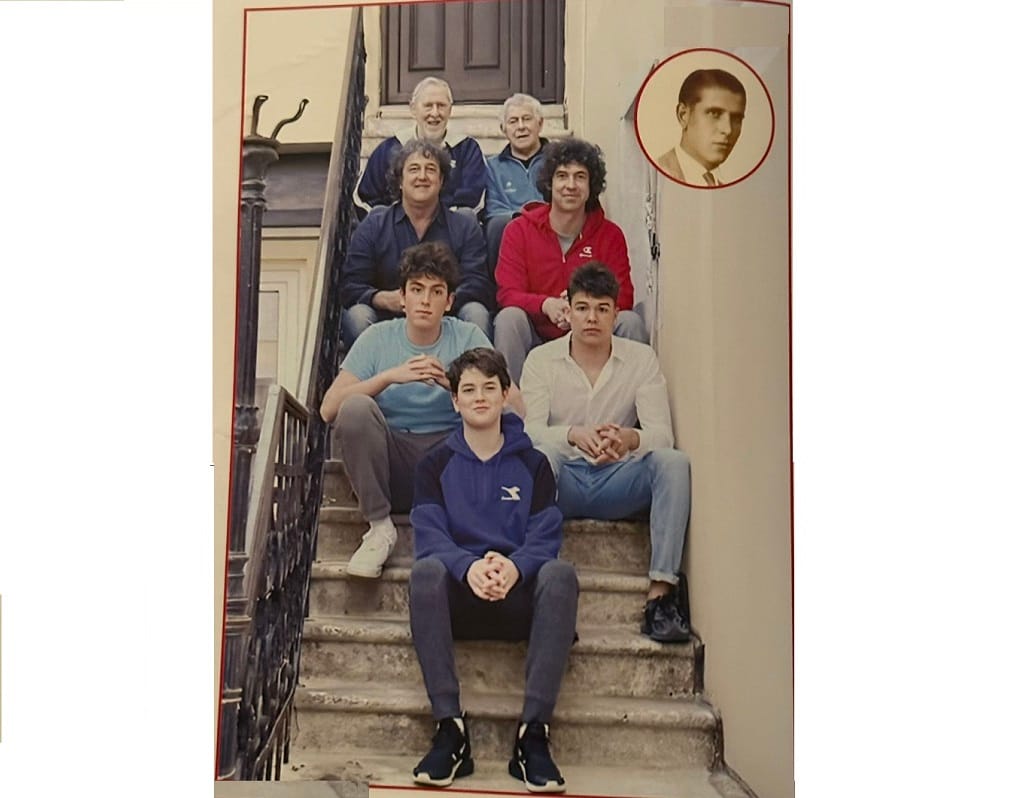
Ever since Kotor's young people have been doing sport in an organised way, there has hardly been a family without at least some of its members involved in the sporting movement. Especially in swimming and water polo, where there is also the most information, given that the Primorac Sports Society has existed since 1922; it ran several sections, and the swimming and water polo section has kept the name to this day. Younger members of the same family would usually follow a brother or sister, and so it is to this day. Numerous details of this are preserved in the Primorac monograph (1922-2022), and for the Radio Kotor website here are just a few that recall the families who left a deep mark on the development of swimming and water polo in Kotor.
SocietyFrom the memories of journalist Dušan Davidović
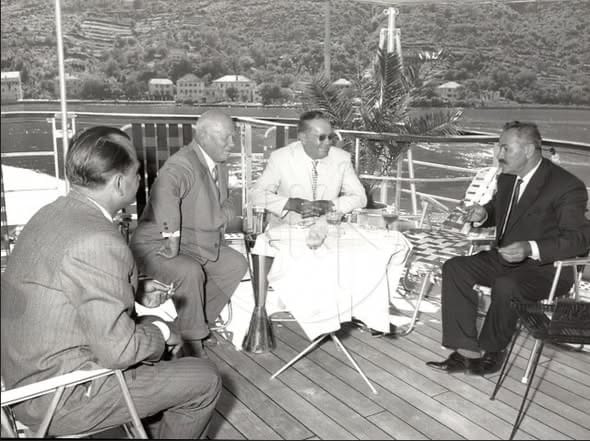
Statesmen came, and still come, to Kotor
A summit of the leaders of the 27 European Union member states, together with the leading politicians of the Western Balkan countries, will be held at the beginning of June this year in the Bay of Kotor, not far from Tivat, and it will certainly be the largest gathering of such importance, and not only in Montenegro. Besides the political issues set for debate at the summit, it can be assumed that many of the participants will visit some of the sites, above all Kotor, which is on the UNESCO list. It is this very gathering, two and a half months away, that has inspired a look back at the very long list of statesmen and public figures who visited Kotor and the Bay of Kotor in the past.
SocietyFrom the memories of journalist Dušan Davidović
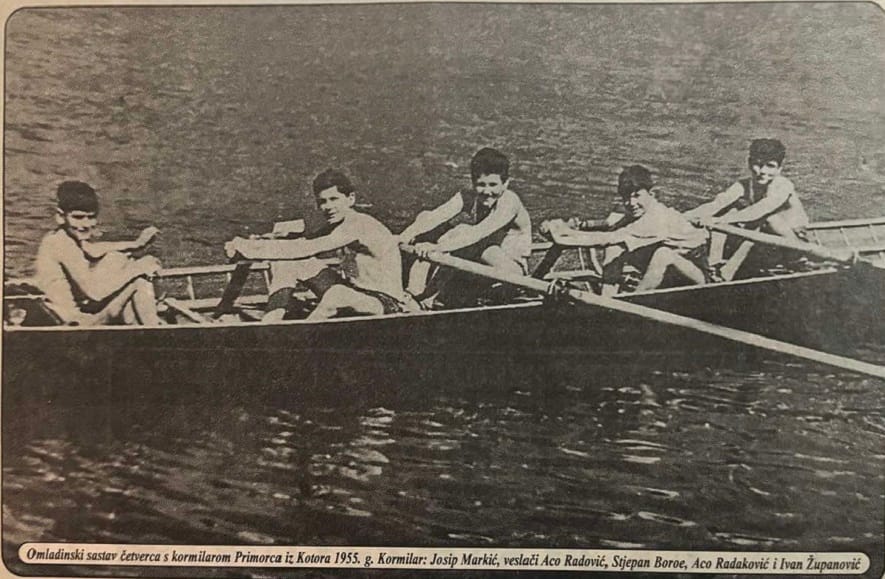
Rowing, a great opportunity for the Bay of Kotor
Montenegro is the only country in the Mediterranean without organised rowing. Even the African countries on the Mediterranean are developing the sport. It therefore seems only natural to develop rowing where the climate and natural conditions are right and memories are still fresh of the sport being practised in far more modest economic circumstances, especially in the Bay of Kotor. Besides the natural conditions, there is another very important advantage. The anthropological type of the rower is 195 cm tall and weighs 90 kg, and Montenegro has more young people of these dimensions than the other countries in the region. Nebojša Ilić, the former manager of the Yugoslav national rowing team, who for years brought the best rowers to train in the Bay of Kotor, was amazed that a region with a bay, as well as Lake Skadar and Lake Krupac, had no rowing club. What is more, at that time the Yugoslav federation was offering technical, professional and organisational help.
SocietyFrom the memories of journalist Dušan Davidović
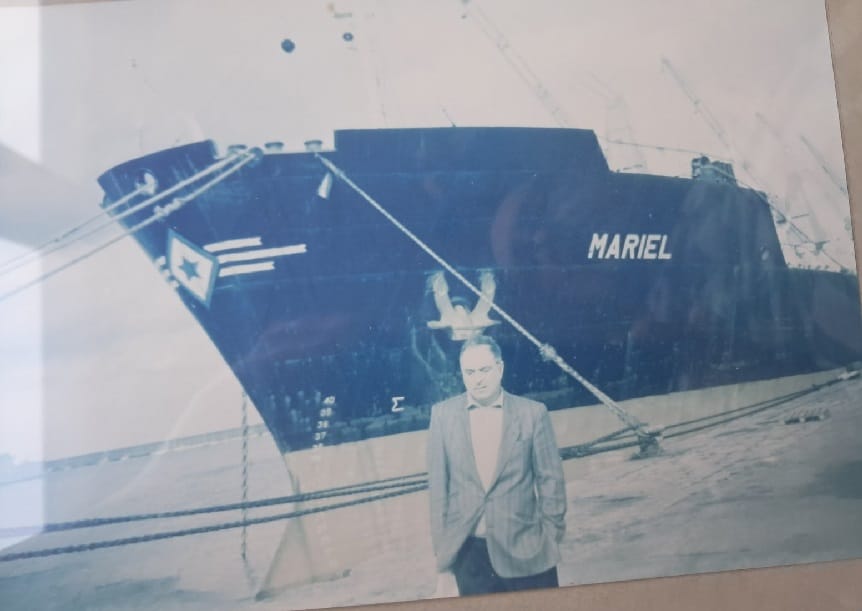
A life at sea housed in a museum
More than half a century ago Milan Radulović from Podgorica, then a student at the Higher Maritime School in Kotor, saw the Grbalj village of Bigova, and a love was born that lasts to this day. While sailing on merchant navy ships, Radulović dreamt of a peaceful harbour for his life in Bigova, a fisherman's house by the sea and days of retirement in what is now a very well-known tourist spot. Rising through the ranks of his profession, he became a chief engineer, and after 32 years at sea he “dropped anchor” in Bigova itself. During his voyages he brought back from ports all over the world all kinds of souvenirs from distant lands and other objects that remind him of life on board. And he guarded it all jealously with one aim in mind: to buy and restore an old house in Bigova that would always remind him of a seafaring life that lasted so long.
SocietyFrom the memories of journalist Dušan Davidović
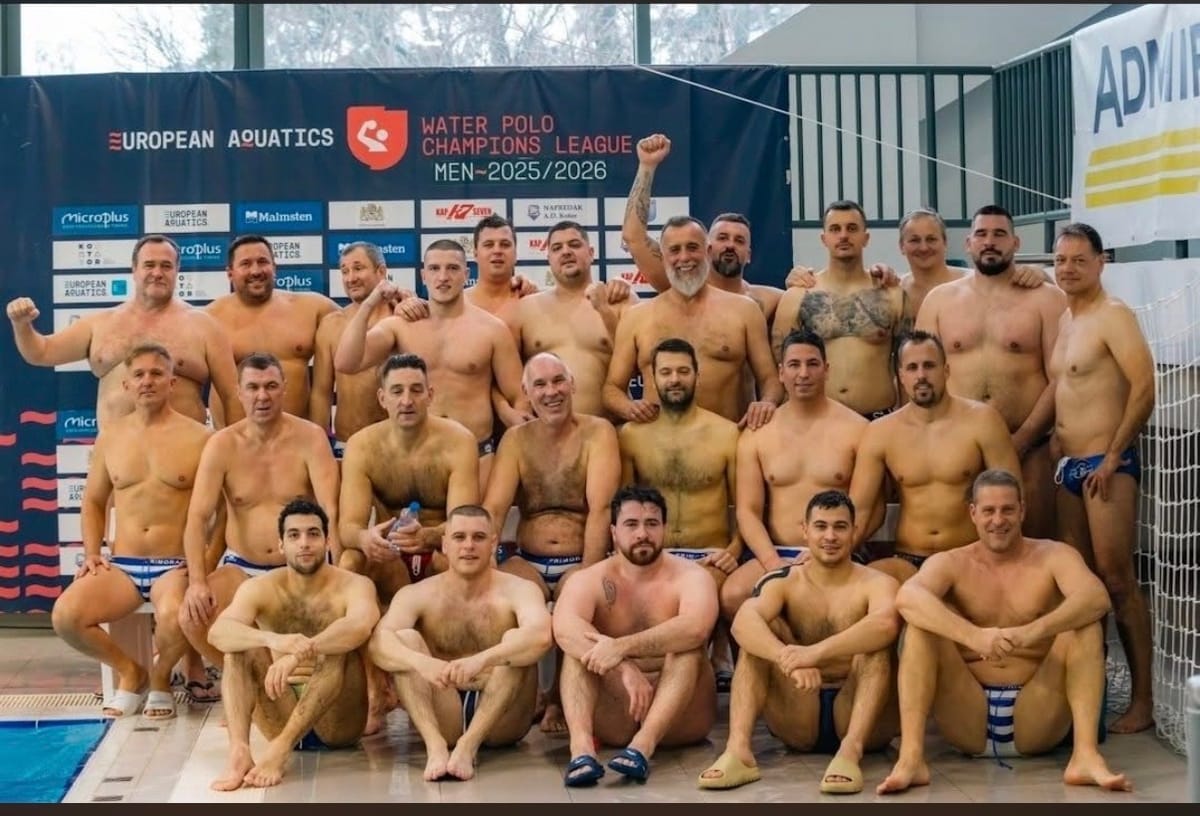
A second youth for water polo veterans
It has long been known that hardly a child in Kotor and its surroundings has not tried playing water polo when young, and the list of those who reached the top level and achieved brilliant results with their clubs or the national team is truly long. Even longer is the list of those who, through Primorac or one of the other clubs, have ties to water polo and still remember those young days. Wanting to return to their favourite game, in the summer of 2024, at the popular Grota in Orahovac, Ratko Vujović and friends formed a veterans' club, which was later officially registered as the “Primorac Sports and Recreation Society” - Veterans, with all the documents a sports club needs.
SocietyFrom the memories of journalist Dušan Davidović
Teatar 303 from Kotor to London, Paris, Zurich…
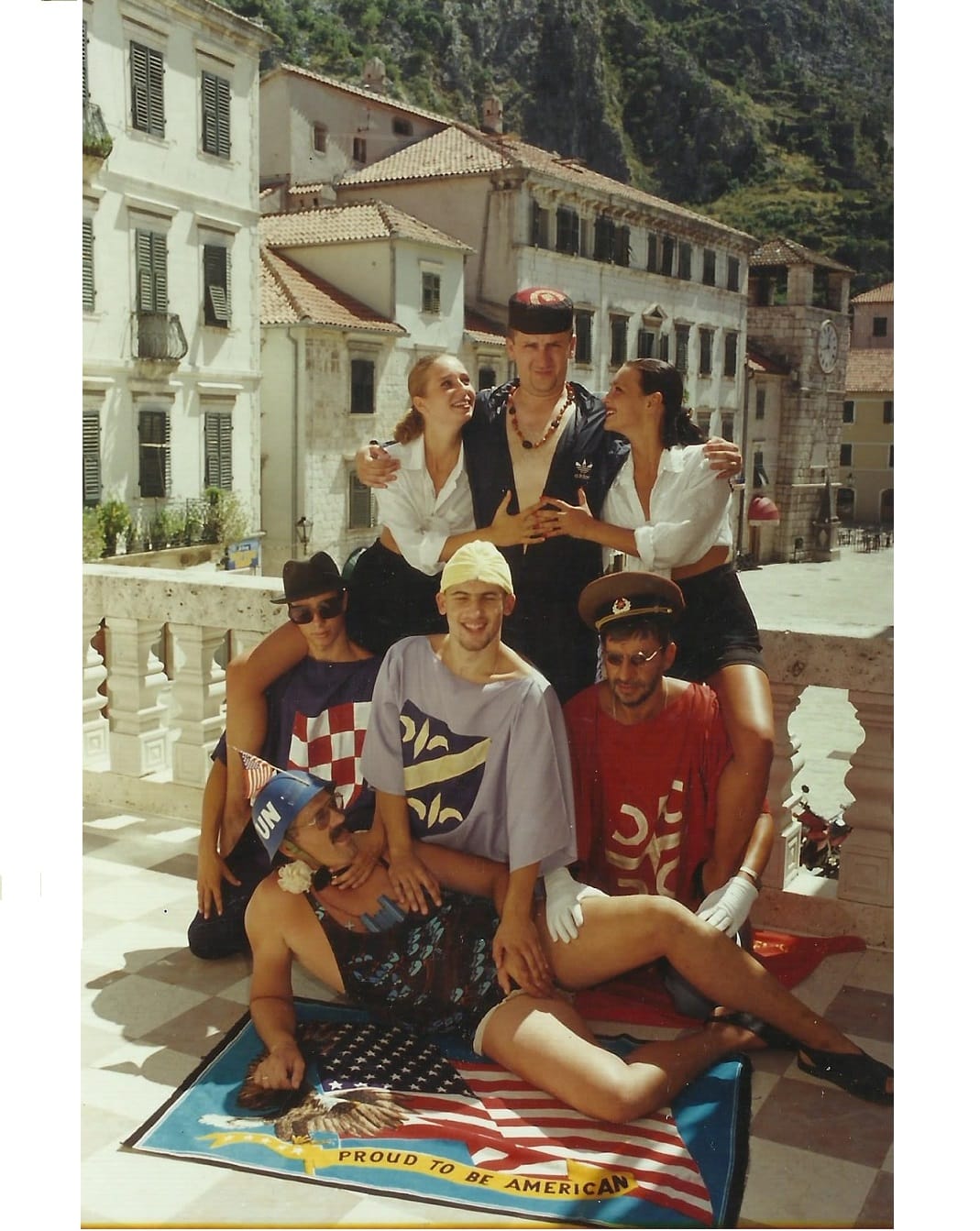
Back in 1981, while Kotor was still suffering from the wounds of the devastating earthquake, Dragan Buzdovan, Dragan Sklender Pele and a group of young people in love with play, jokes, song and fun got together and decided to form “TEATAR 303”, and hardly anyone expected that they would see a full 45 years of activity. Countless shows, campaigns, tours, awards and invitations to perform far and wide. Even today, with the hit play “FORGIVE ME, OLD COMRADE”, a humorous reminder of life in Yugoslavia, on the bill, invitations keep arriving from all sides, both from several towns in Montenegro and from the former Yugoslav republics, today independent states. Indeed, in the last four years alone “Teatar 303” has given 150 performances, in towns across the former Yugoslavia, but also in London, Paris, Zurich… Nor have smaller places been forgotten, such as Nalježići, Glavatičići, Prčanj, Bijela and other villages in the Bay of Kotor.
SocietyFrom the memories of journalist Dušan Davidović
Seafaring, a tradition of the Kordić dynasty
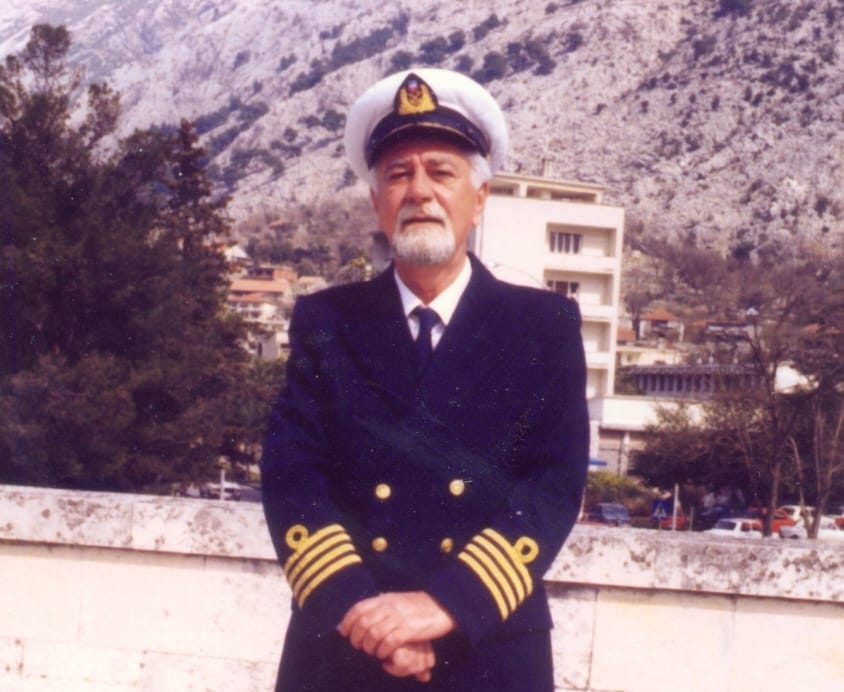
Since time immemorial, seafaring has been the main occupation in the Bay of Kotor, from ordinary sailors to captains and the other trades on board. The people of Boka had good reason to choose a life at sea, and so it was in Grbalj too, where there is probably not a single village that has not produced seafarers, from ancient times to the present day. In the village of Šišići, where the Kordić family comes from, there is an unbroken line of seafarers over five generations, which makes it, in a way, a seafaring dynasty.
SocietyFrom the memories of journalist Dušan Davidović
Joca the dolphin, a media sensation still remembered (video)
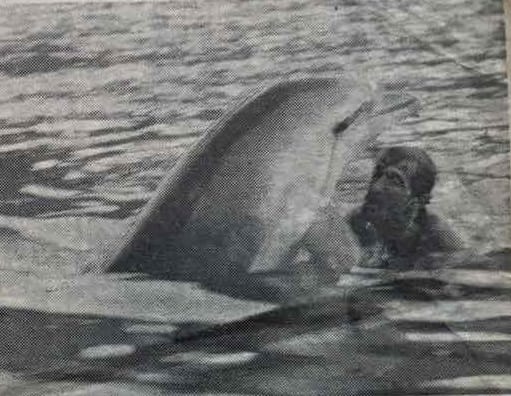
Dolphins are the most numerous mammals whose home is the seas and oceans. However, experts are worried by the latest research findings, according to which the lifespan of these inhabitants of the seas and oceans has been drastically shortened. Female dolphins now live seven years less than their ancestors that inhabited areas of the Atlantic Ocean in the 1990s, according to a recently published study by experts at a university in the state of Colorado (USA).
SocietyFrom the memories of journalist Dušan Davidović
Kotor’s prison, from dungeon to classroom
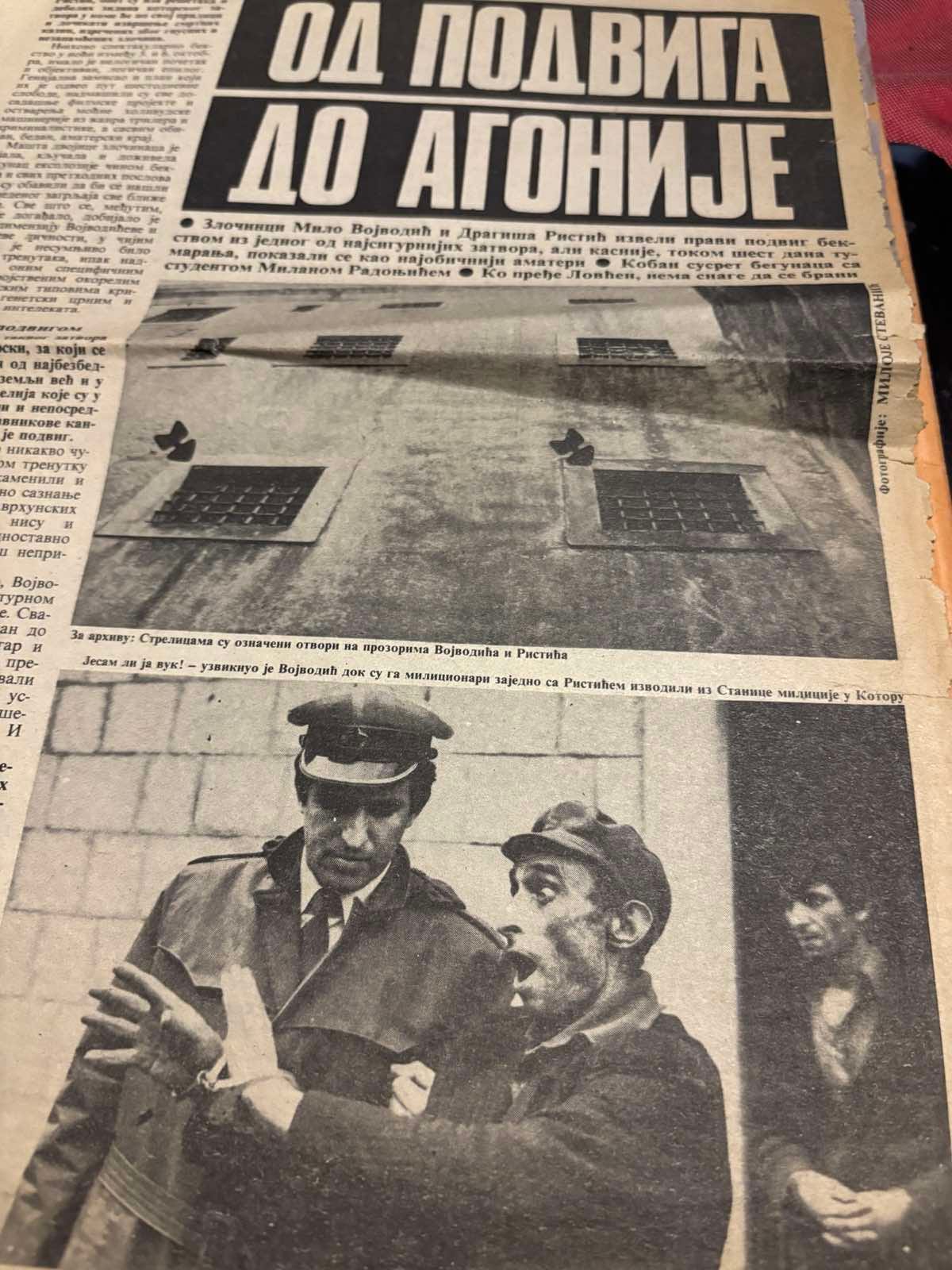
In the mid-19th century, the Austrian authorities of the day decided to build a large prison in the border town of Kotor, meeting all the standards of the time, to a design by the town architect Marko Bencon, after whom, right up until it closed, it bore the informal name of Marko Bencon’s House. From the outset, a great many prisoners came and went, before and after wars and uprisings, and during peacetime troubles. As a result, the prison never lacked residents, and the town and its inhabitants were often unwilling witnesses to prisoners being escorted and brought in, until 1990, when it was closed down. But even after that, while the municipality and the republic were working out what to do next and how, the prison was a haunt for all kinds of unrecorded visitors, who kept company with a fellow townsman known as Čedo the Hermit.
SocietyFrom the memories of journalist Dušan Davidović
Karampana (carnival), what a lovely name you have
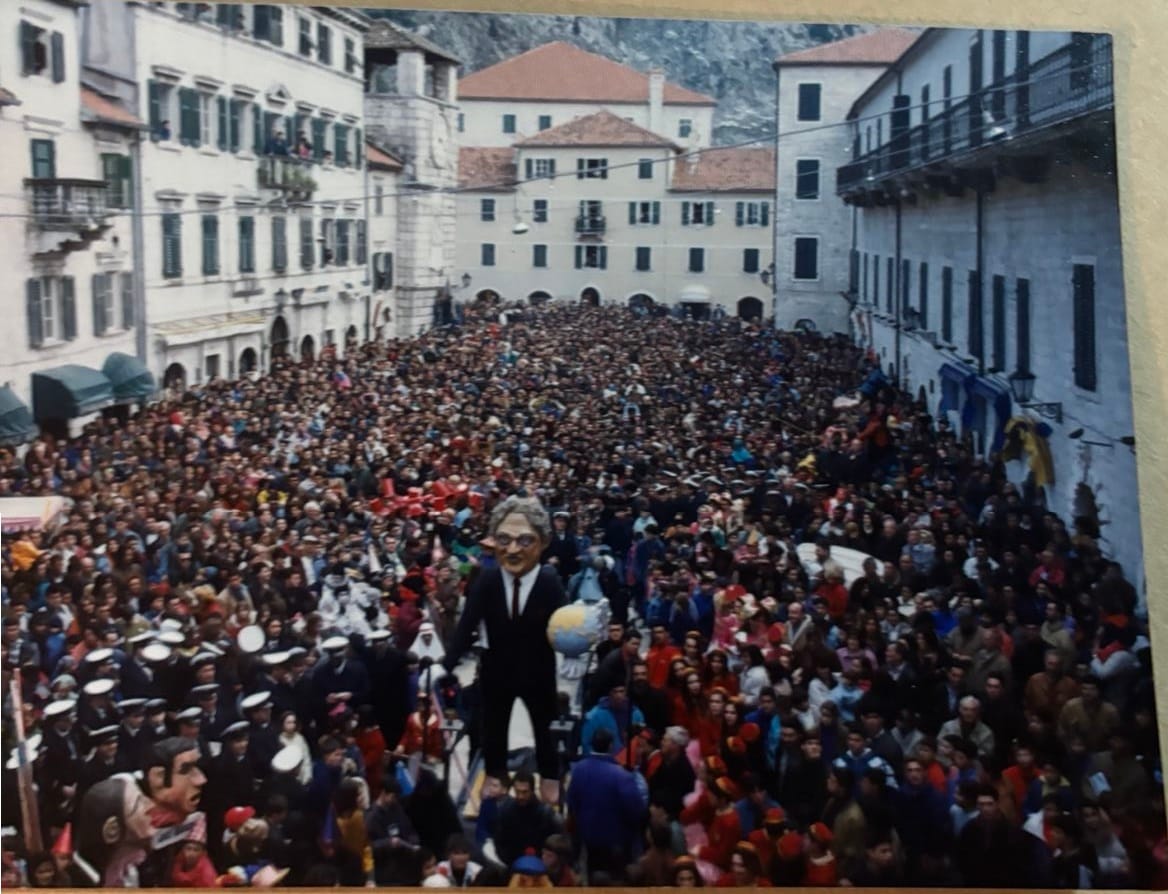
Once again at Shrovetide, Krnjo, the figure of the Kotor carnival, will burn, drawing many visitors from all over the Bay of Kotor and beyond, while thousands of photos and other images will travel from Kotor to addresses all over the world. That is how it has been, after all, since the Middle Ages: as records found in the archives show, a kind of carnival was held even in those distant times – naturally, looking very different from today. But in our time, young and old alike get ready for the carnival, even the residents of the Home for the Elderly and the users of the Day Centre for the Elderly, as do nurseries, schools and the Institute for Deaf Children. Work on the costumes starts as early as the end of the previous year, and ideas are kept secret so that the turn-out in the carnival parade is as successful as possible and wins more smiles and support from the crowds watching the spectacle. The various neighbourhoods of the town are promising their best groups.
SocietyFrom the memories of journalist Dušan Davidović
The Sailors’ Mutiny that heralded the end of the Great War
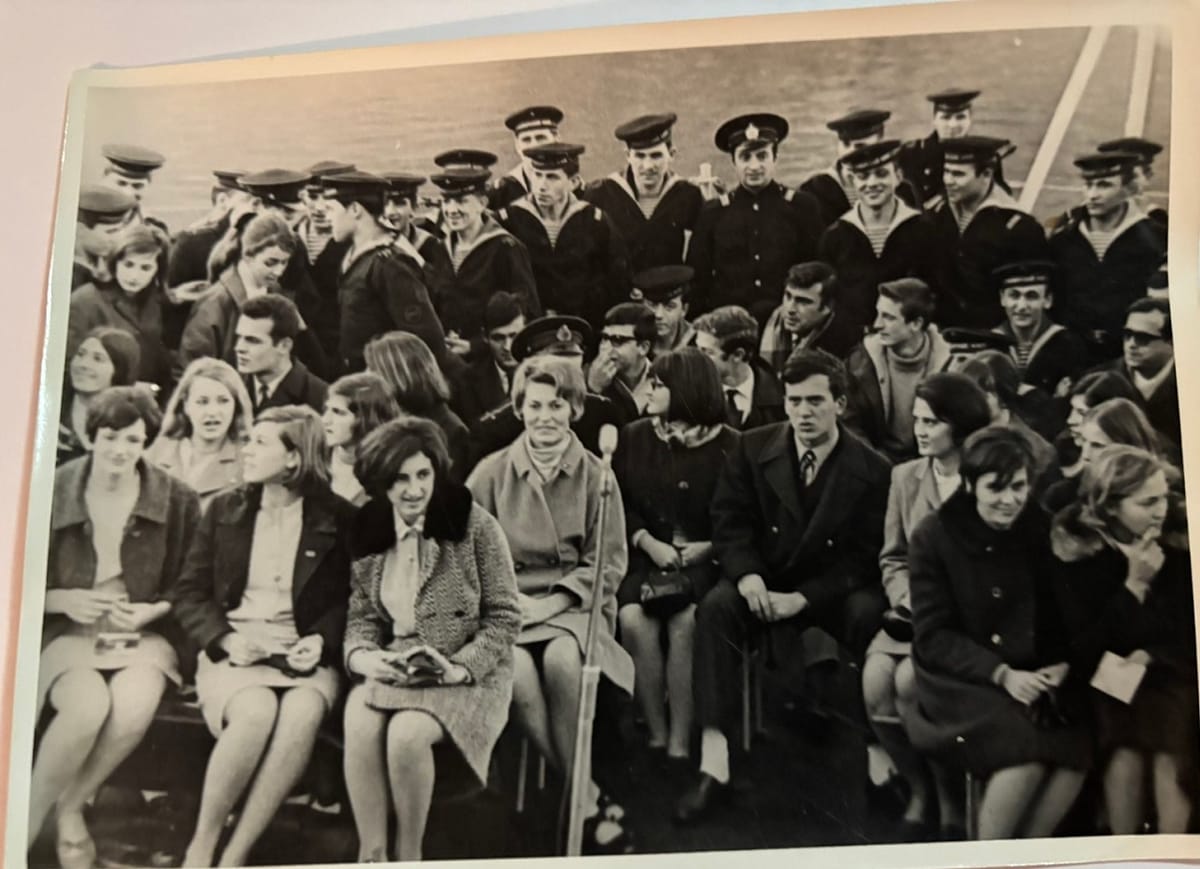
In the first days of February 1918, the Bay of Kotor found itself at the centre of attention of a world public weighed down by years of events in the Great War, which finally ended in September of that year. On the ships of the Austro-Hungarian fleet stationed in the Bay of Kotor, discontent exploded among sailors, petty officers and even the odd officer over the long state of war and social hardship. The collapse of a great empire was in the air. The core of the mutineers was on the flagship “Sankt Georg” and on the “Gäa”, while the large fleet had some six thousand sailors, along with thousands of soldiers along the shores of the bay and in the many fortifications that still bear witness to their monumental scale and readiness for special operations. For Kotor and the Bay of Kotor, those events of February 1918 have remained unforgettable to this day, 108 years later.
SocietyFrom the memories of journalist Dušan Davidović
Masks, oh what masks can do
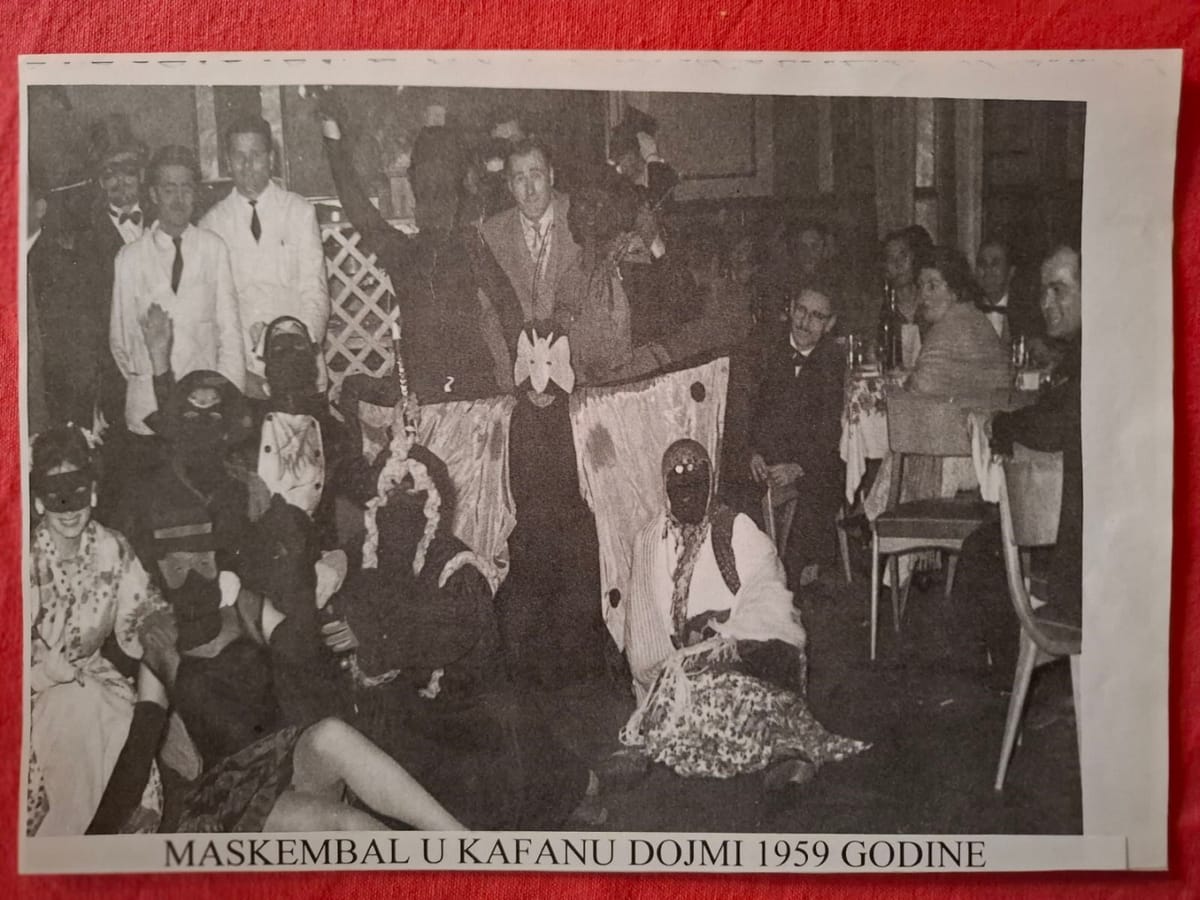
We have sailed into the season of winter festivities. News is arriving from the countries of the Mediterranean, from central Europe and from elsewhere, where people, each in their own way, let their hair down and long for brighter days and spring. Until then, behind a mask over our eyes, we will live as someone else, long to escape from reality, dream of nobles and crowned heads and dress up in their robes – living life with song and good cheer. So it has been in Kotor since time immemorial, where masks really can change a great deal, and where the escapades and mishaps of masked balls have been retold for decades. People mention the Dojmi café and a hidden corner near what used to be its main hall, then the Hotel Slavija and its park, where the masked balls sometimes carried on.
SocietyFrom the memories of journalist Dušan Davidović
St Tryphon, patron saint of Kotor and its diocese
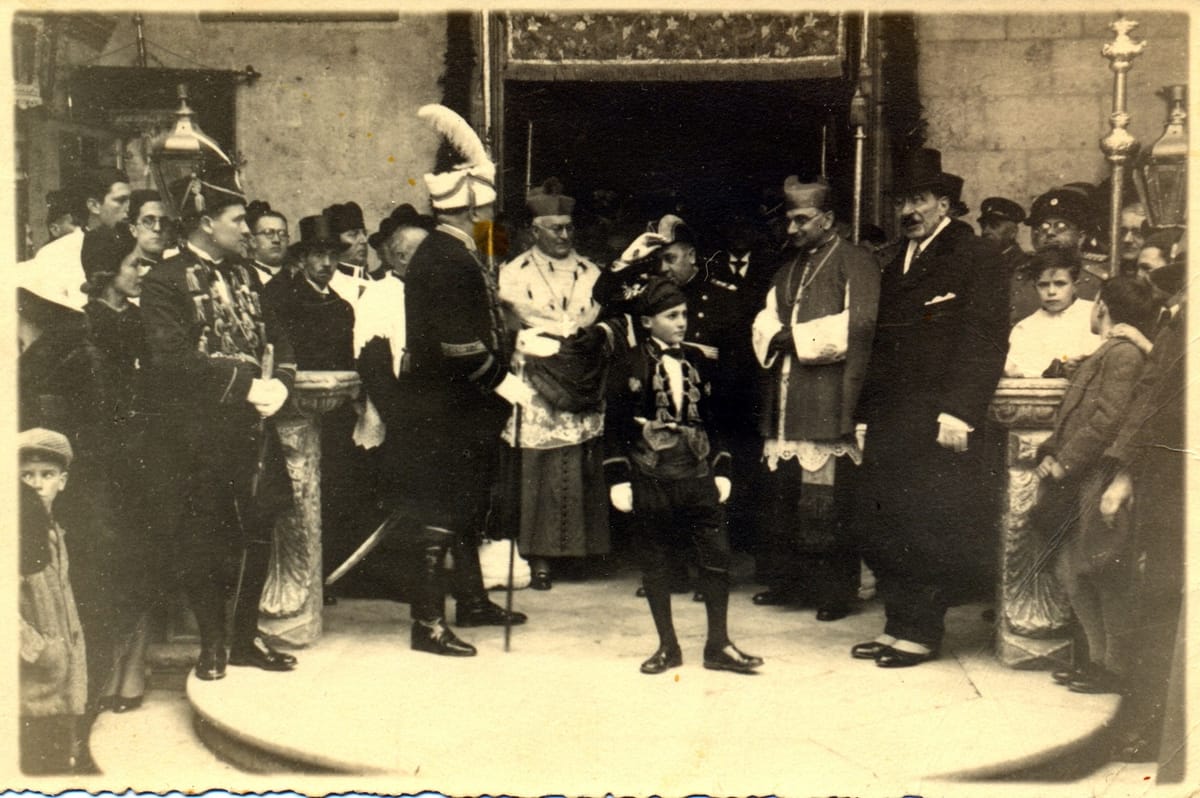
The patron saint of the town of Kotor and of the Diocese of Kotor, St Tryphon, is celebrated on 3 February, but the festivities in the saint’s honour begin as early as 27 January. The saint’s flag is raised on the cathedral flagpole and the Lode are proclaimed, recited by custom by the little admiral of the Boka Navy. This year, too, this long tradition, cherished by the people of Kotor and other people of Boka, will be observed with all its customs. The outdoor celebration and the procession through the town with all the relics of St Tryphon will take place on Sunday 8 February, so that as many of the faithful as possible can attend – besides those from the Bay of Kotor, devotees of the saint from Dalmatia and Herzegovina as well. The procession will be led by the Archbishop and Metropolitan of Split-Makarska, Zdenko Križić, with several bishops, priests and nuns.
SocietyFrom the memories of journalist Dušan Davidović
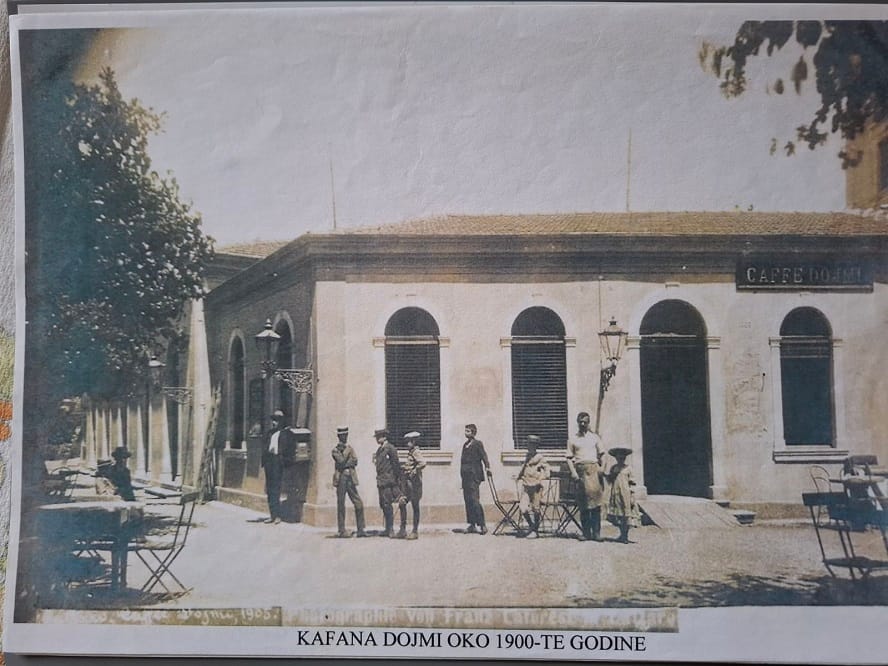
Dojmi: café, stage, courtroom...
Ever since it was built in 1864, the Dojmi café beside the walls of Kotor meant the first encounter with the ancient centre of the Bay of Kotor. That first contact was with the Dojmi café, the heart of social, cultural and entertainment life right up to the devastating earthquake of 1979. Built in the days of Austria – from 1867, Austria-Hungary – it played host to many eminent figures of the time, but also to seafarers, merchants, explorers, artists, diplomats… Above all, to the people of Kotor and its surroundings.
SocietyFrom the memories of journalist Dušan Davidović
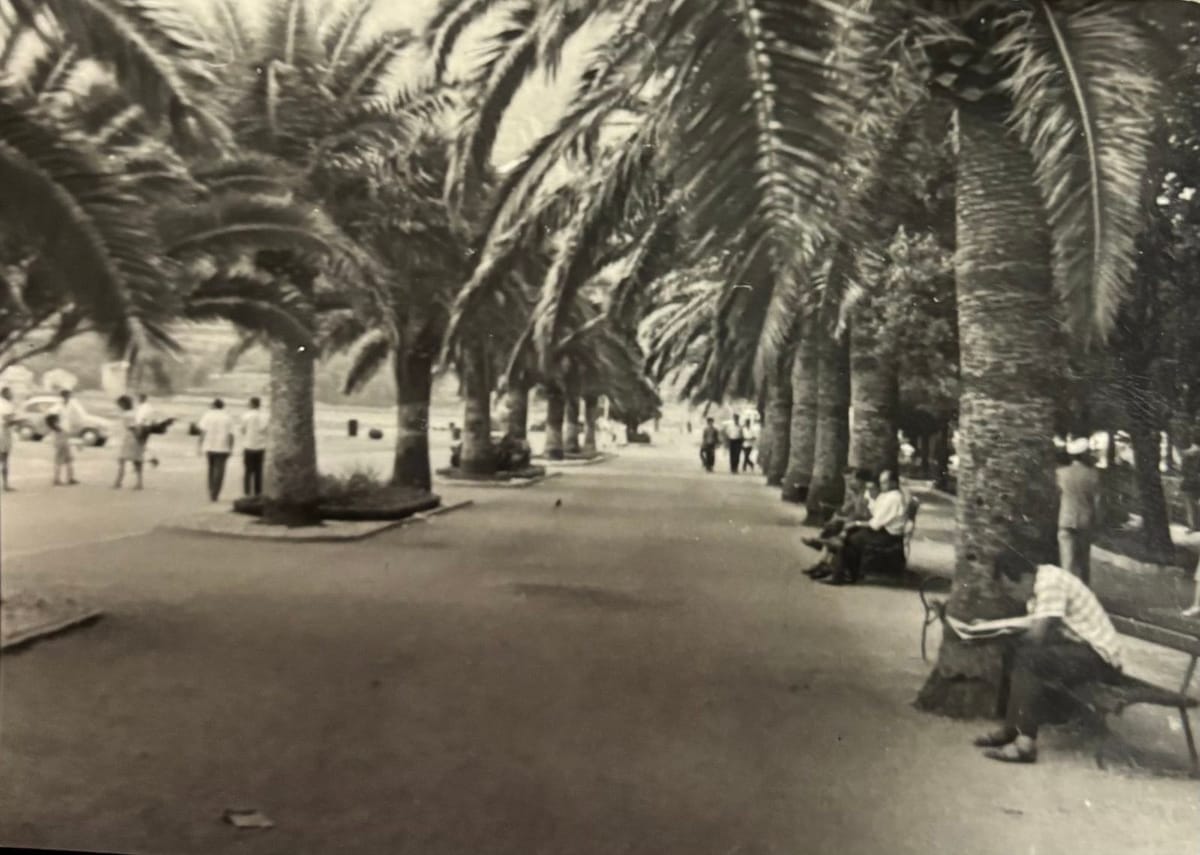
While the palms sway their fronds
For decades, when the first encounter with Kotor was from the sea, travellers would arrive by ship on the waterfront and catch sight of the town walls and, right beside them, the avenues of palms that graced the approach to the garden of the Dojmi café. A little further on, they would see the town market, also adorned with a row of splendid palms.
SocietyFrom the memories of journalist Dušan Davidović
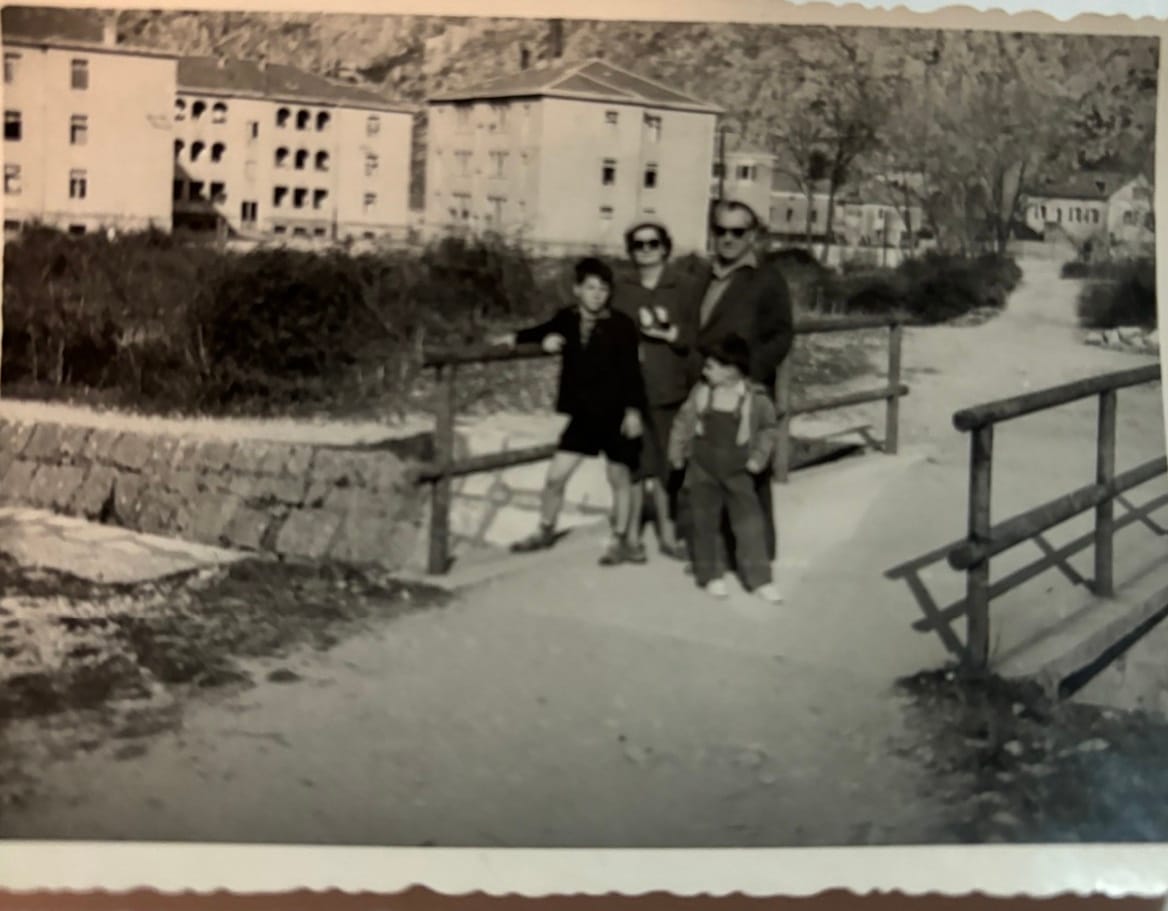
From Špadola to Rakite
After the devastating earthquake of 1979, a large-scale reconstruction of what had been destroyed got under way, together with the planning and building of new estates and some new town districts, so Kotor gained new neighbourhoods close to the walls of the Old Town. It was then that Kotor stepped outside its ramparts once and for all and spread to areas that had not been built up. That is how the Rakite estate came into being, with some 400 flats in five blocks, along with facilities for the youngest, a basketball court, an outdoor exercise area and benches for older people in several places. But the prefabricated buildings put up 45 years ago as temporary solutions are still standing, which does nothing for the appeal of this large neighbourhood. An underground car park remains a pipe dream, as does a sports hall.
SocietyFrom the memories of journalist Dušan Davidović
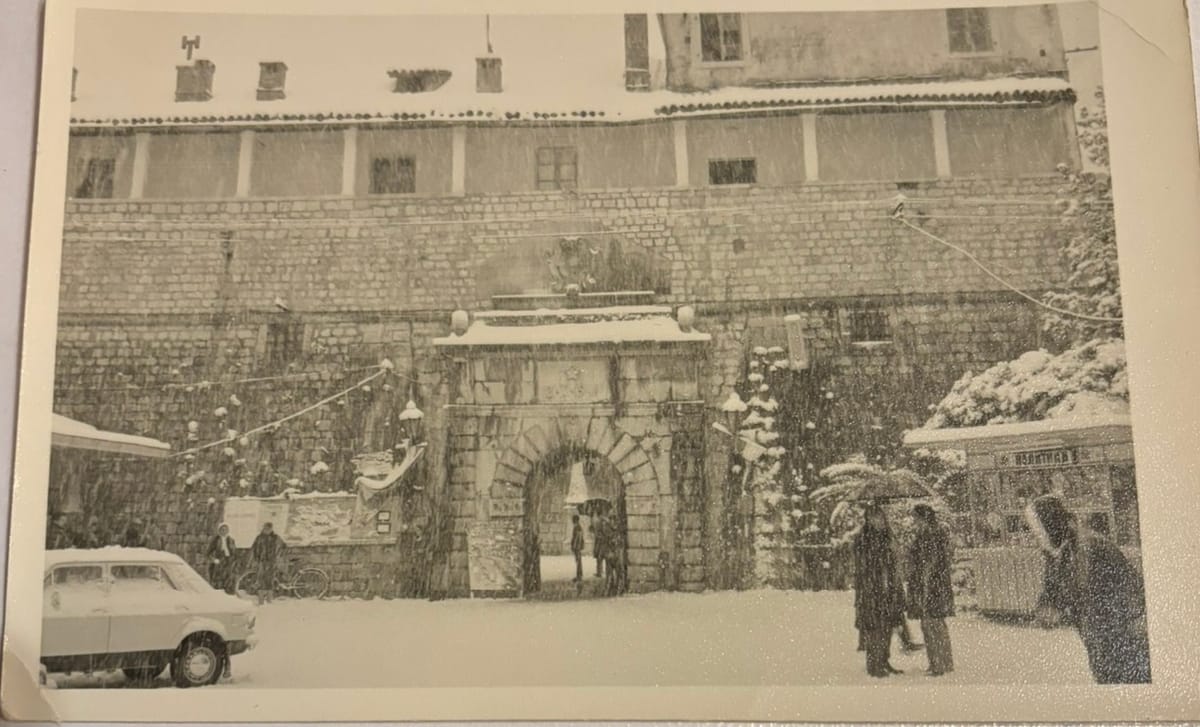
Snow in Kotor, always an attraction
Snow in the Mediterranean is a rarity, but it does happen. It is always an attraction for locals and for everyone else who experiences it, the media included. Indeed, on 9 January, when this website published a photograph of Kotor and its surroundings under a blanket of snow, many could not believe their eyes, and close to six thousand views confirmed how interested our website’s followers were in this weather event.