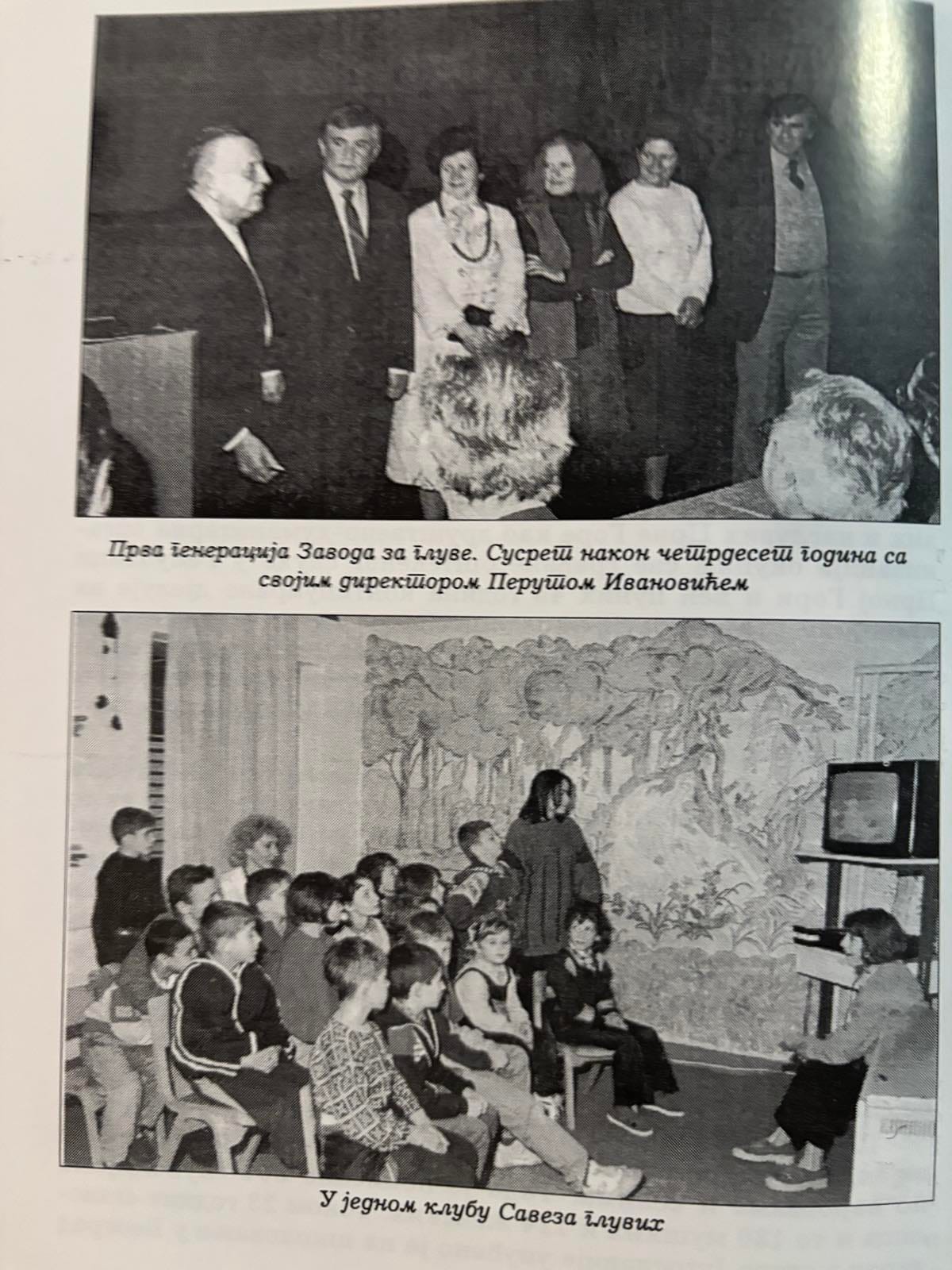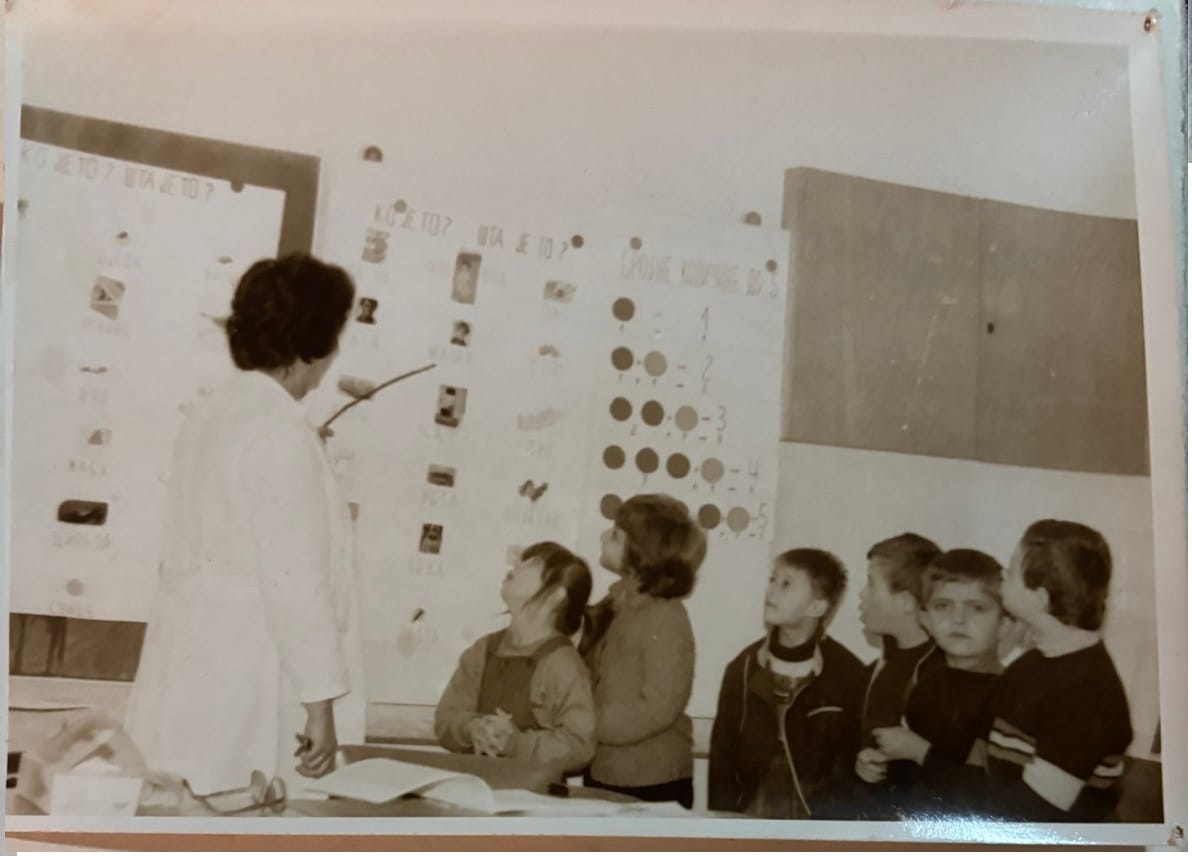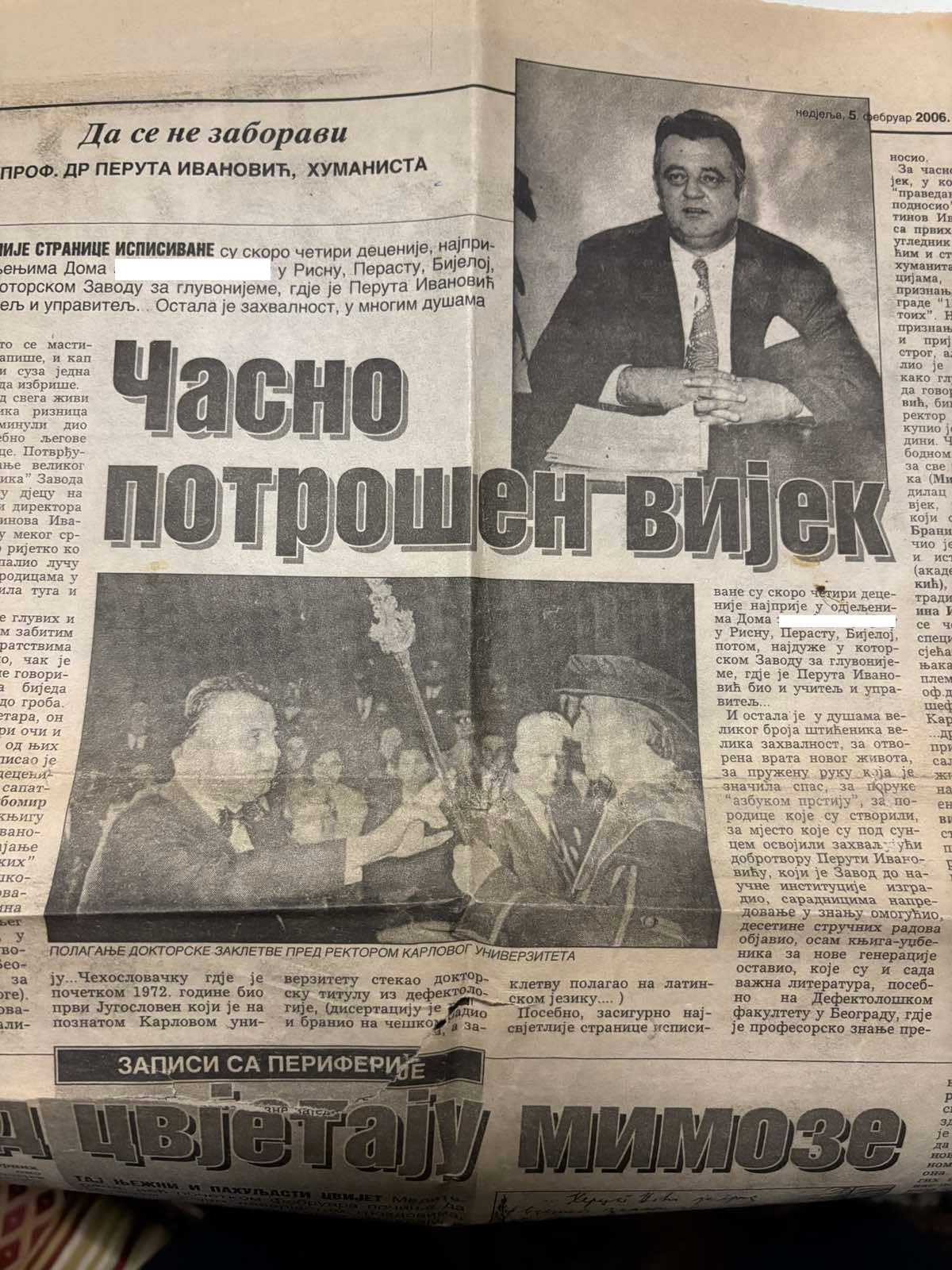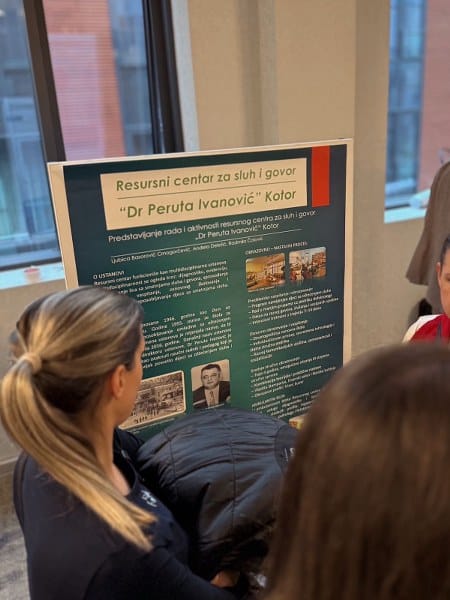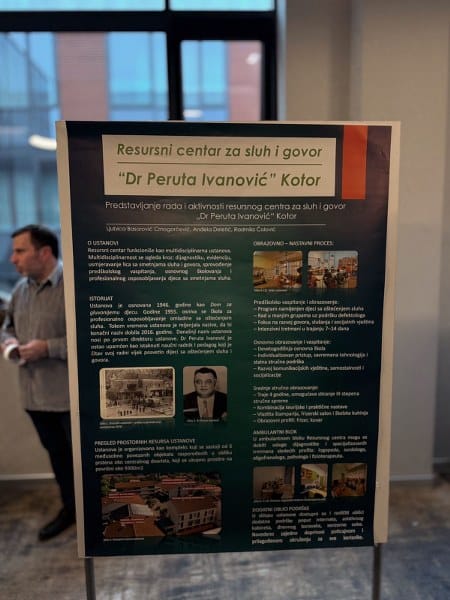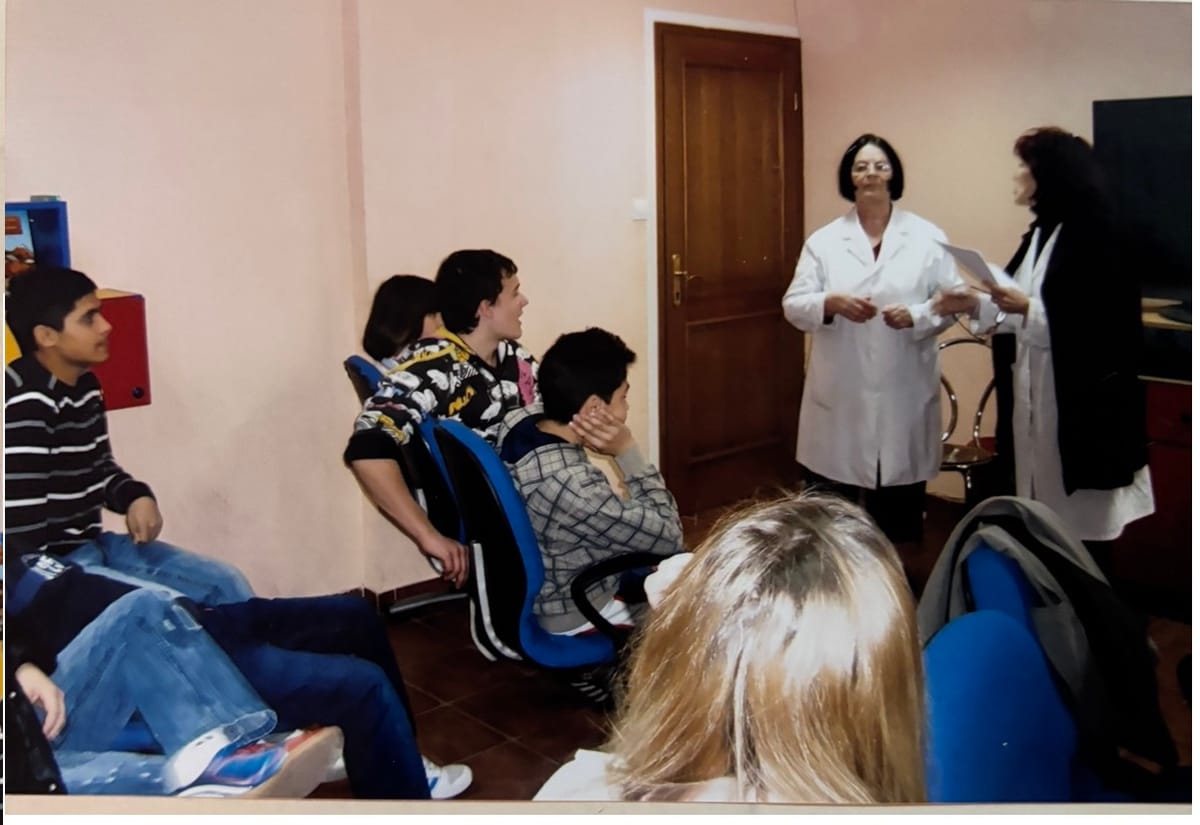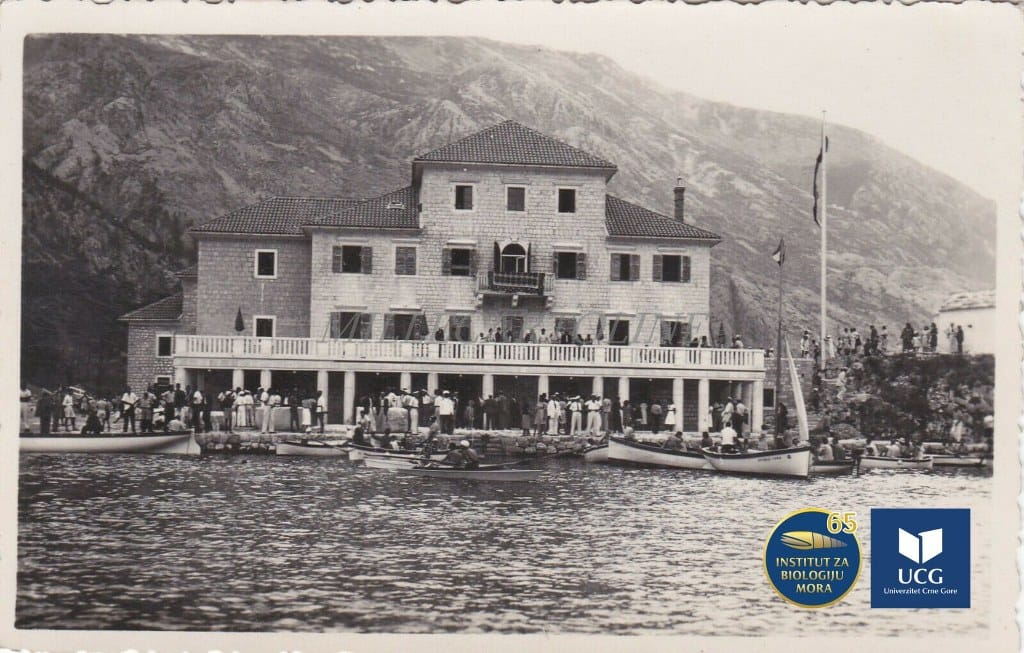
And so, in 1946, an institution was founded for children and young people with hearing and speech impairments; it started work in Bijela, then moved to Perast, and finally, from 1952, to Kotor. As the Institute for the Education and Rehabilitation of Persons with Hearing and Speech Impairments, it gained full recognition across Yugoslavia. It established cooperation with similar institutions from the former country and forged particularly close ties with the Faculty of Defectology in Belgrade, which used the Kotor institution as a teaching base for its students and a venue for professional meetings, and also as a place where qualified defectologists could keep up with new developments and advances in work with people with hearing impairments. Its director at the time, Dr Peruta Ivanović, was the first Yugoslav with a doctorate earned at Charles University in Prague, later an associate professor at the Faculty of Defectology in Belgrade, and a winner of the “Thirteenth of July Award” and the “Oktoih” award.
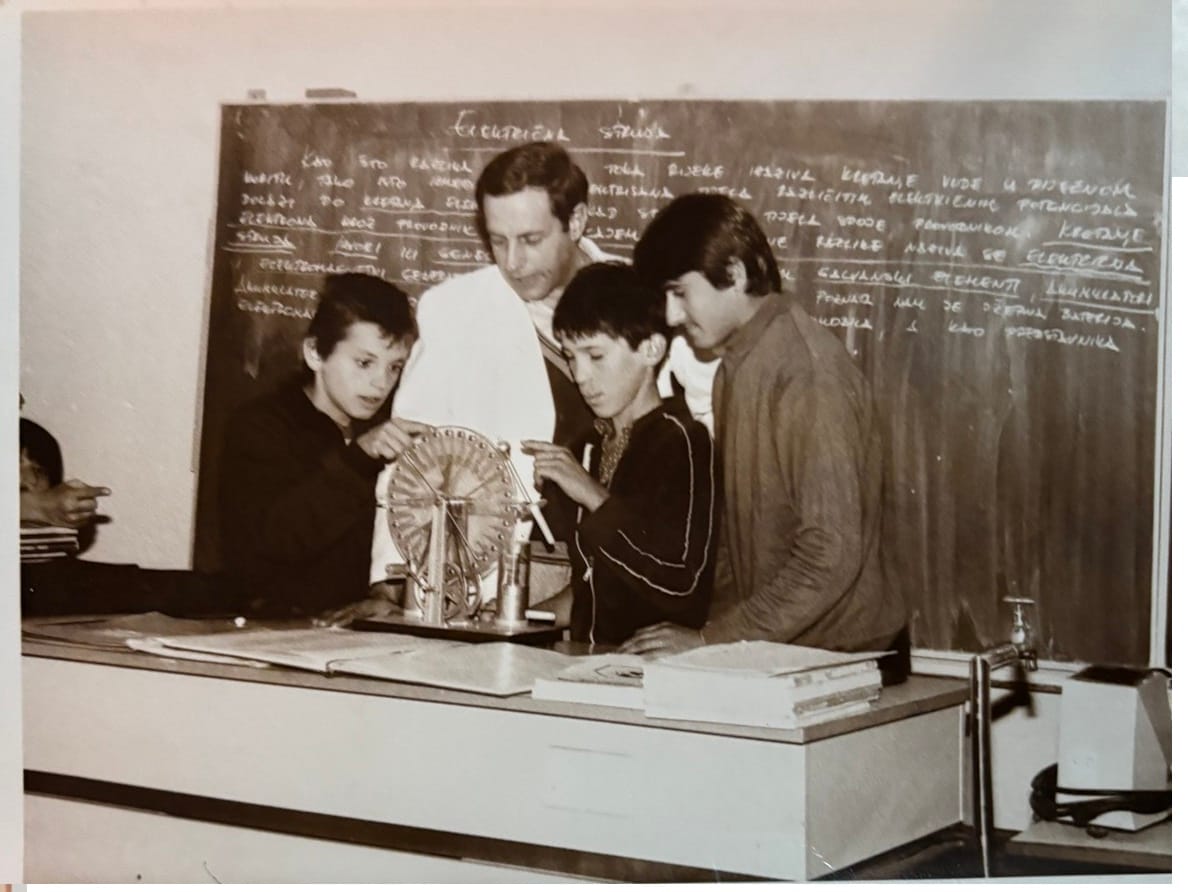
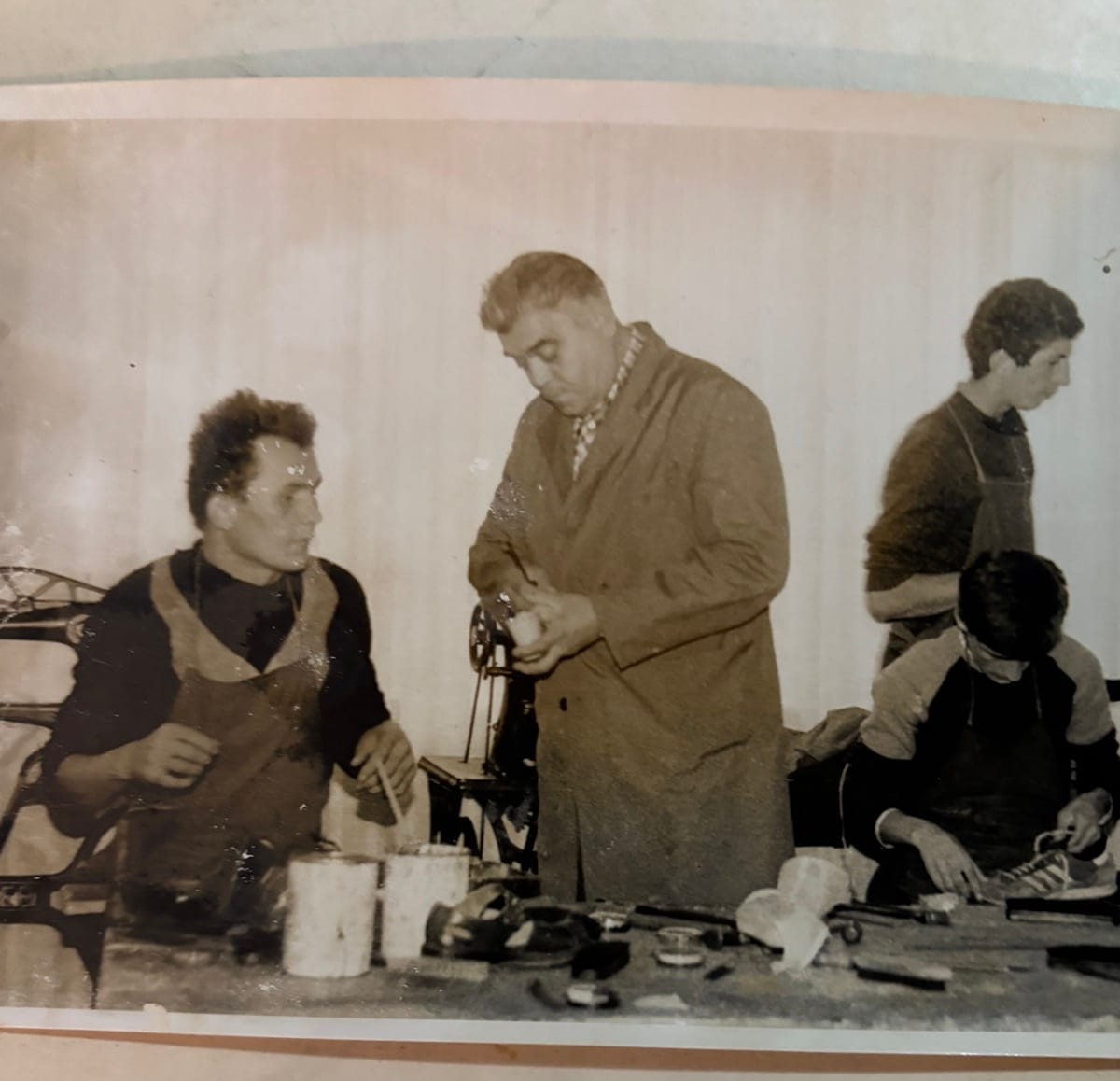
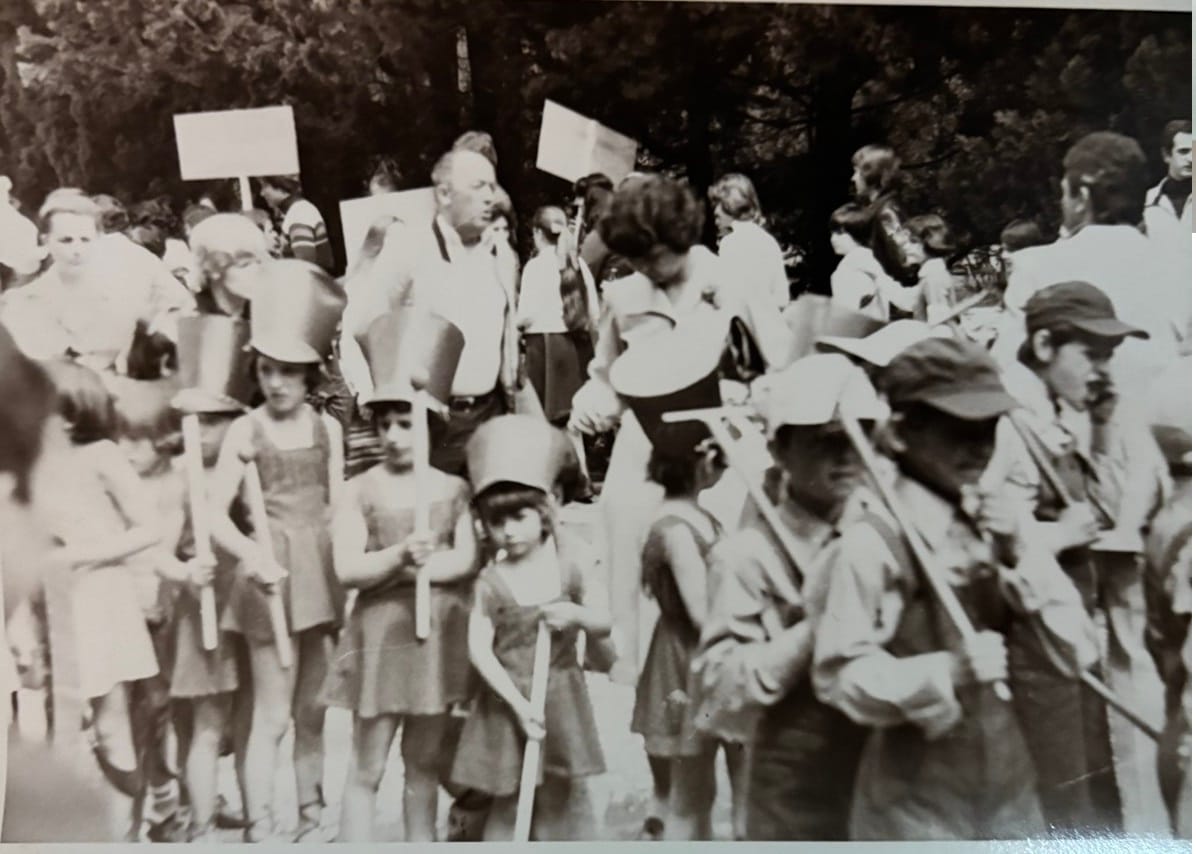
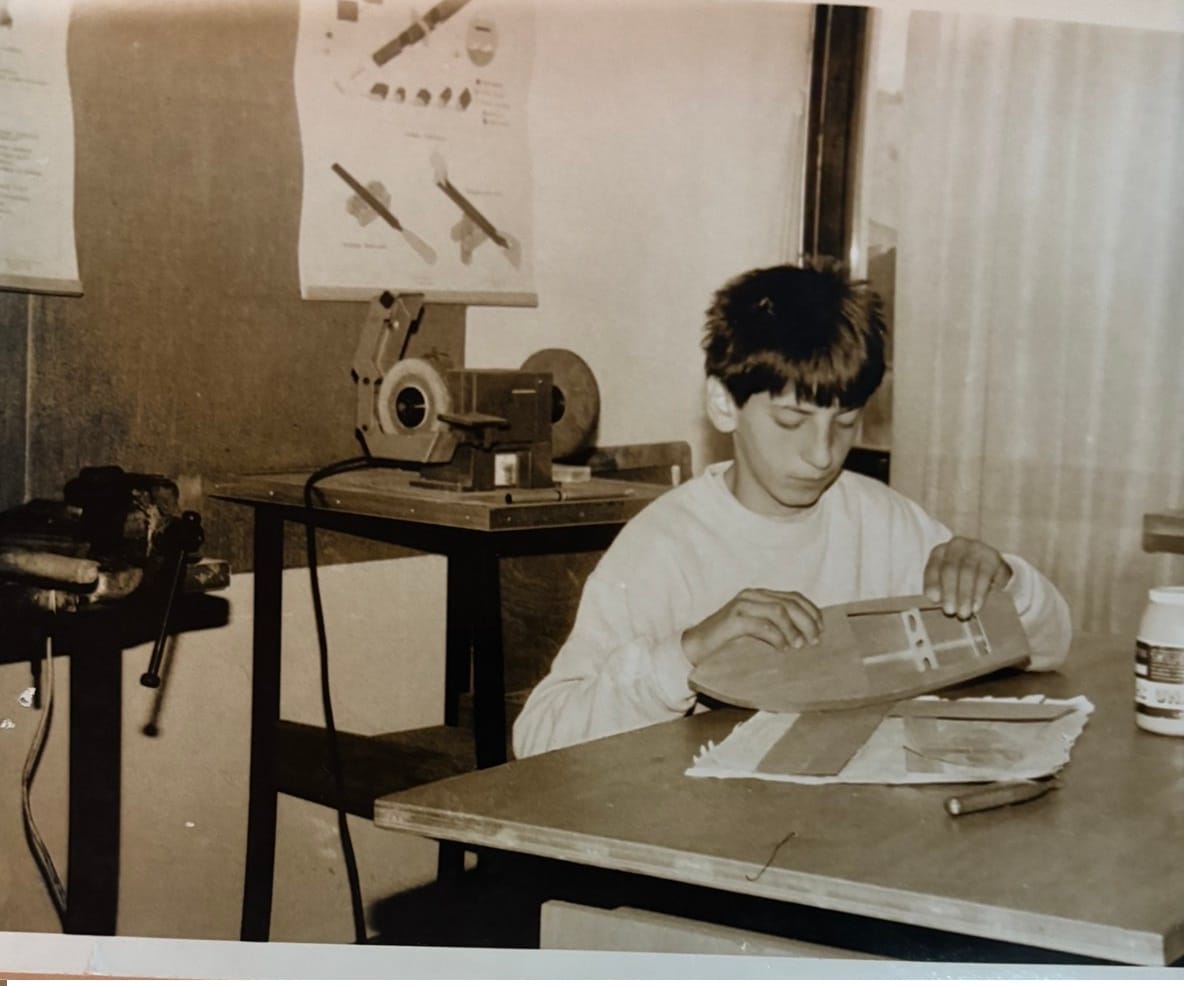
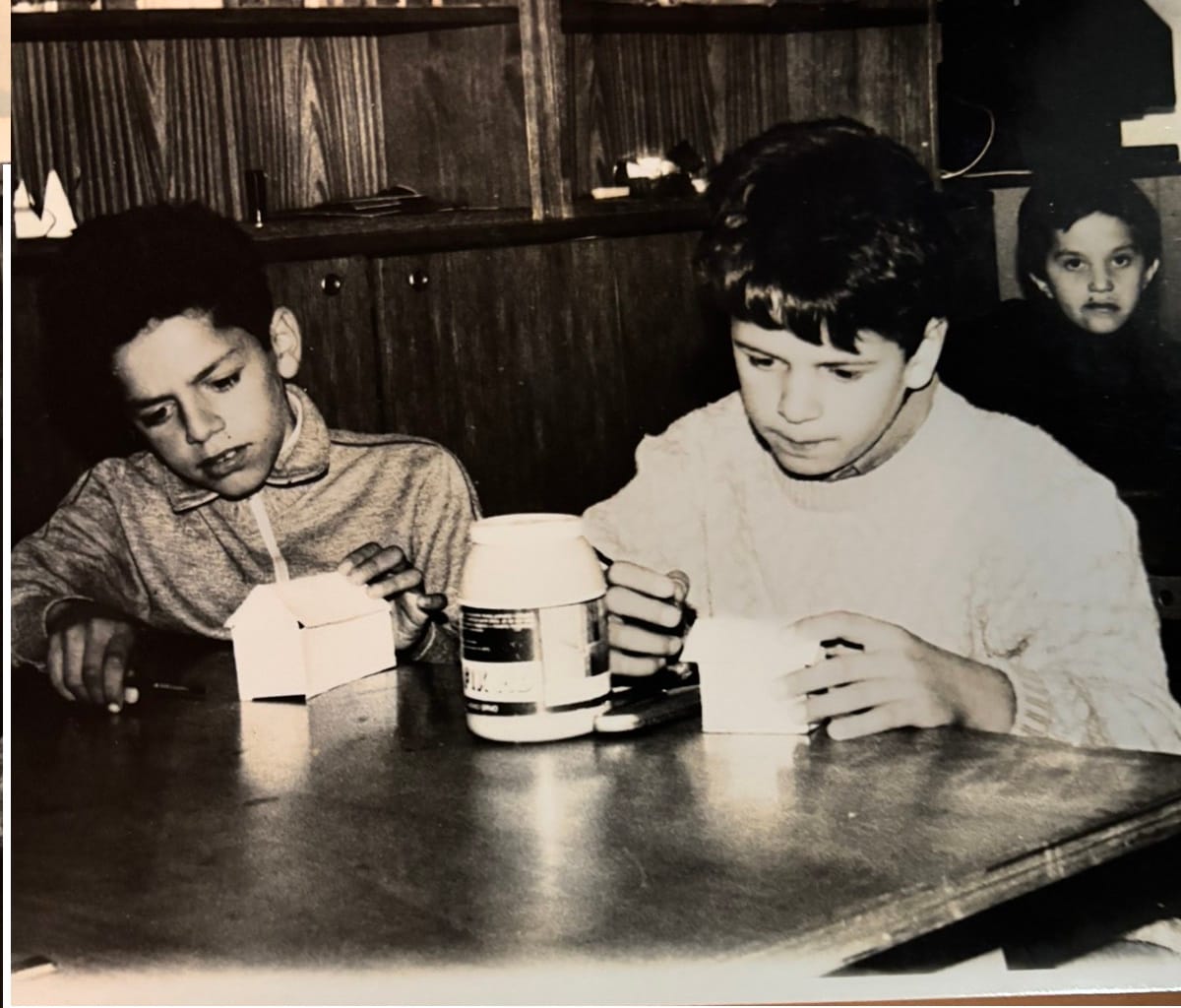
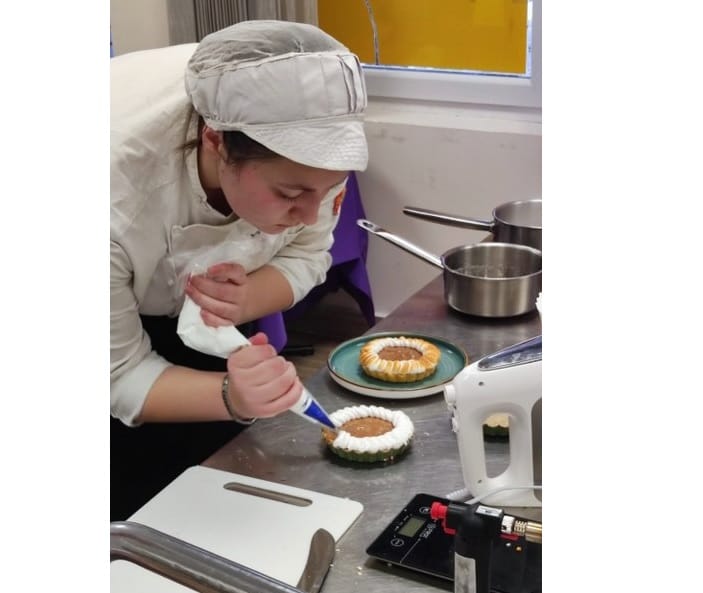
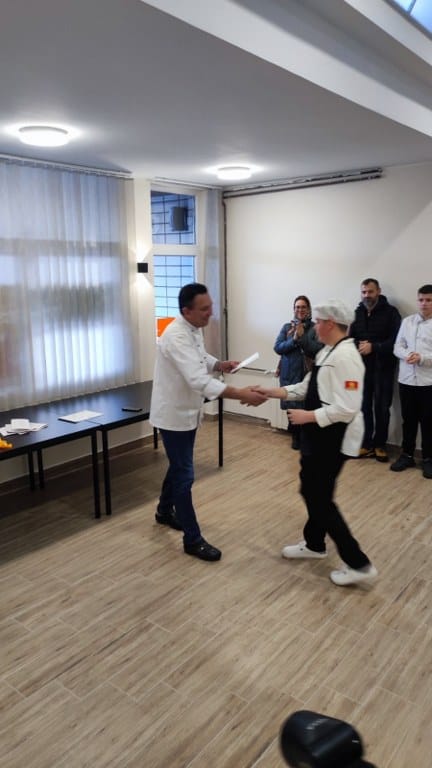
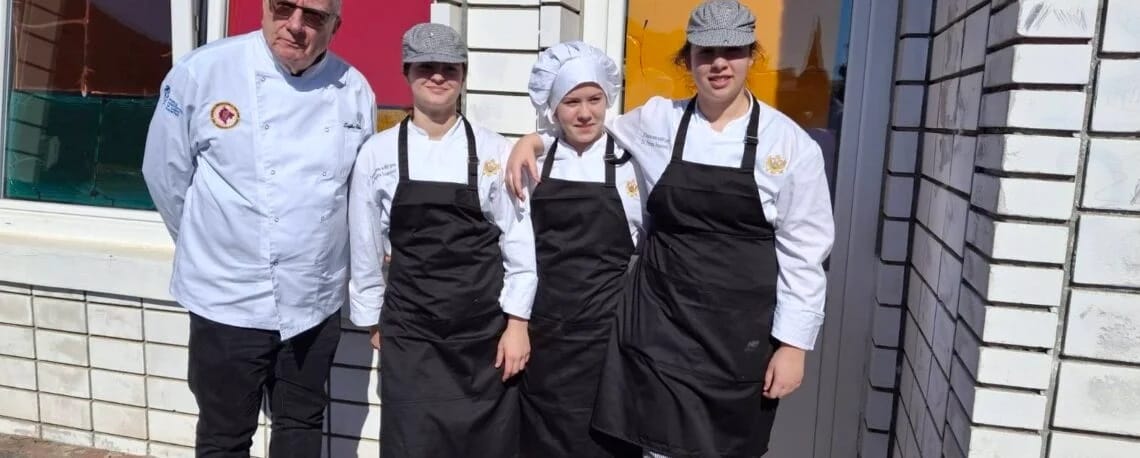
At that time, besides pupils from Montenegro, the Kotor Institute was attended by pupils from other parts of Yugoslavia, and alongside the primary school a secondary school developed, with a wide choice of trades for deaf young people. As many as 22 trades could be learnt in the Institute's workshops or with businesses in Kotor, so many tailors, shoemakers, cooks, hairdressers, car mechanics, upholsterers, electricians, painters and decorators, bricklayers and shop assistants were trained for work and an independent life, as well as printers in the Institute's own print shop.
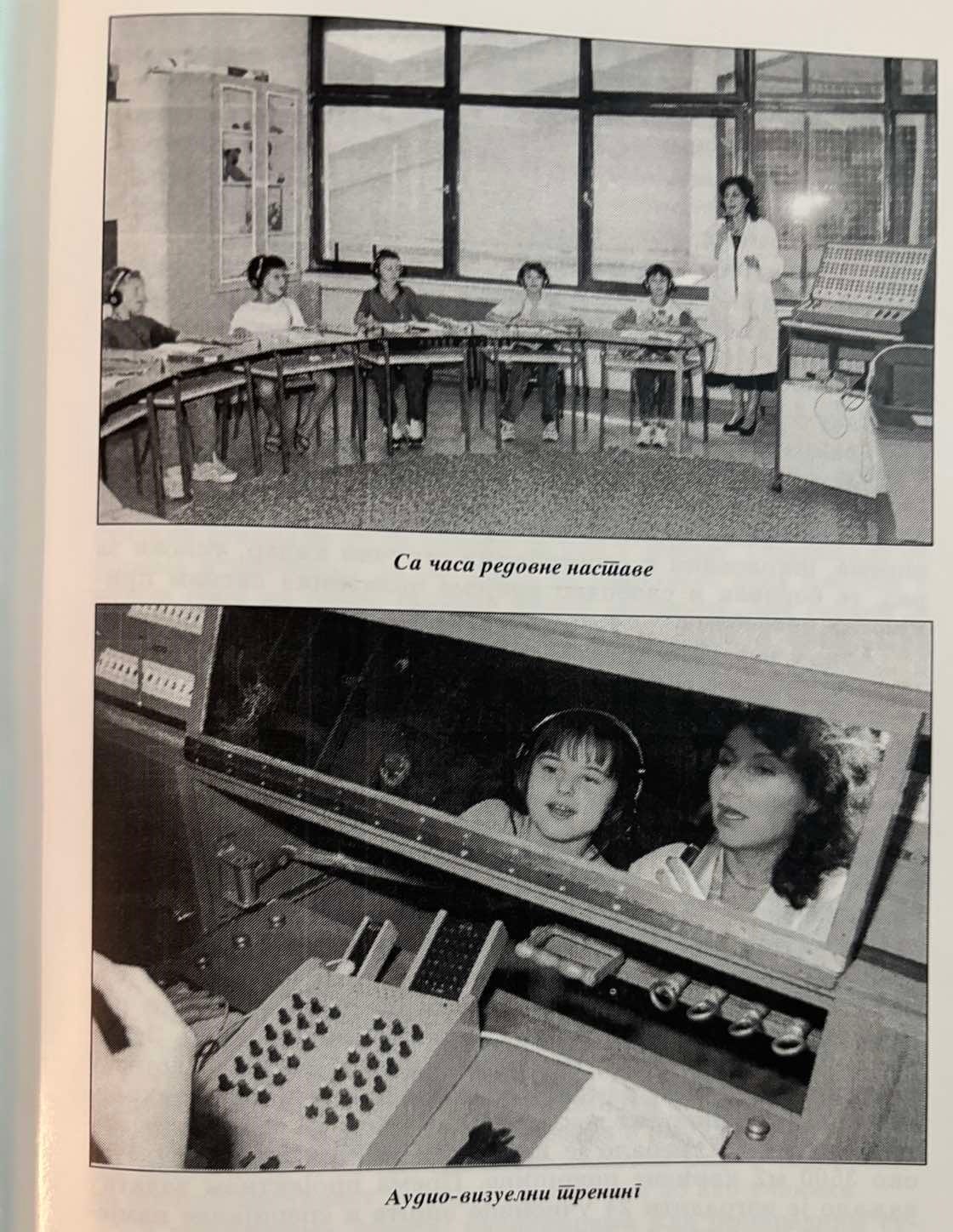
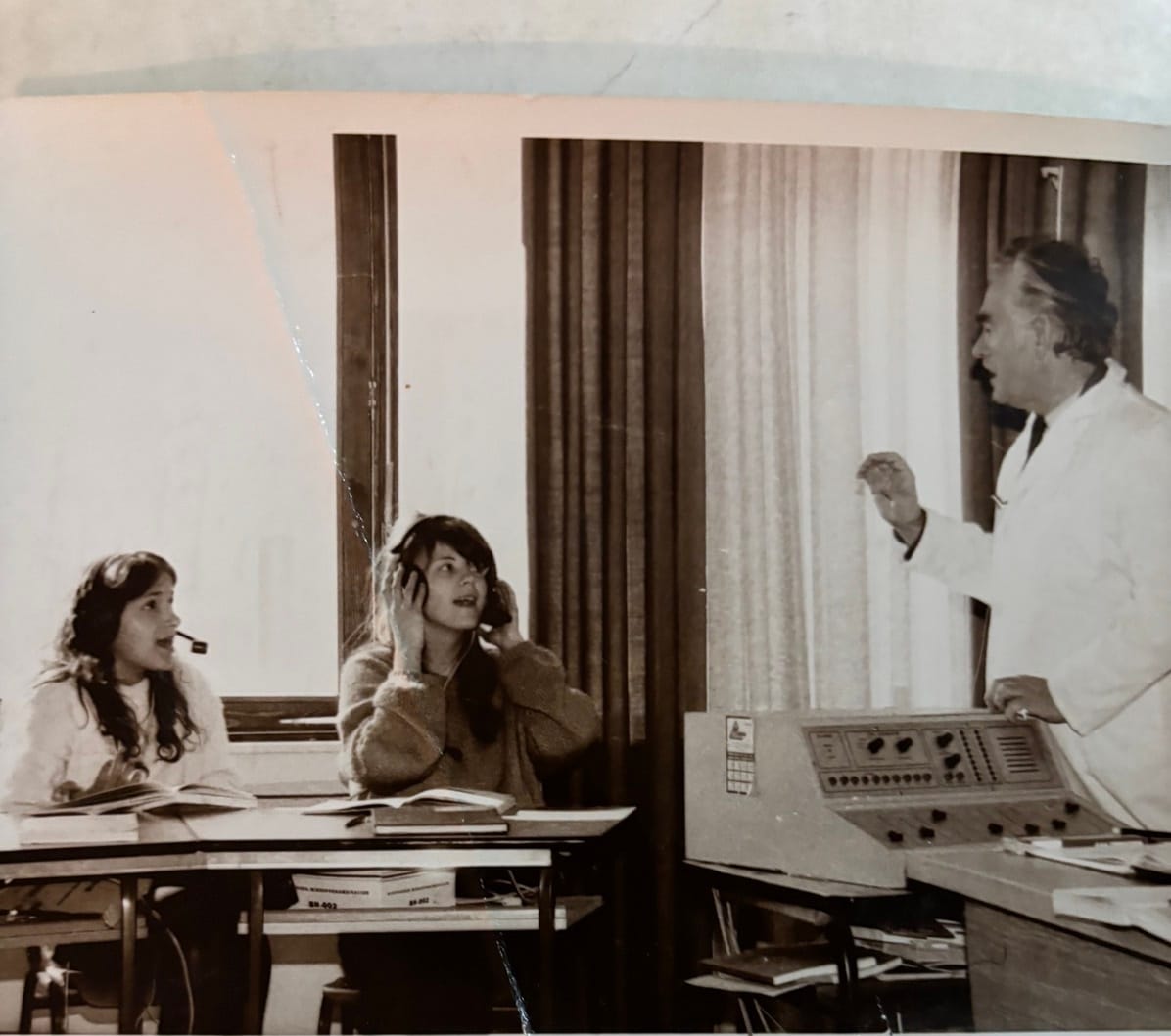
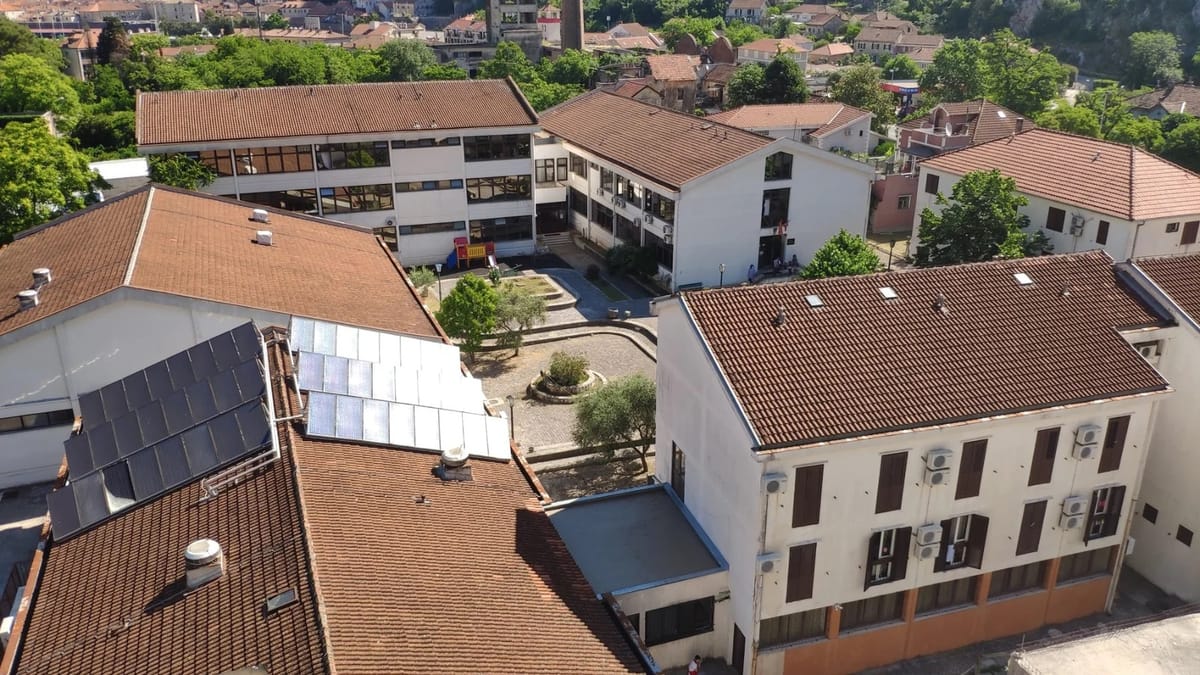
The critical period for the Institute's survival in Kotor came after the devastating earthquake of 1979, but thanks to the care of the community and the quick response of the institution's management, a new one was built on the ruins. They moved in as early as 1981, and teaching continued in modern facilities for work and accommodation: up-to-date classrooms, audio-visual teaching, educational and psychological consulting rooms, and 56 rooms with 109 beds for those living at the Institute, alongside others who came regularly or occasionally for rehabilitation with speech therapists and audiologists.