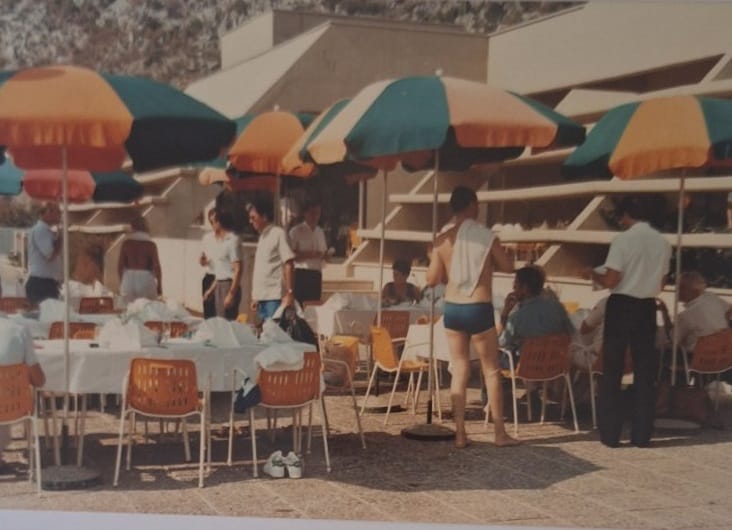
International Workers' Day, the First of May, was recently marked on Vrmac, organised jointly by tourism workers from Kotor and Tivat, with the younger generations very much in the majority – cheerfully, and to the high-decibel music of a new age. There was, of course, the usual spread, and some wistful reminiscing by older people about bygone days when there were, after all, a good many more real workers on Vrmac. It is good that people are going up Vrmac again, because the potential of this beauty spot is great, but still untapped.
The legend of Queen Teuta of Risan has been with us for a long time. The story of Teuta and the people of Risan is still retold to this day. All of this is why the newly built hotel was given the name Teuta on 11 May 1983. Incidentally, the foundation stone, which has been preserved, was laid on 21 November 1978, but because of the 1979 earthquake construction took longer. Until the earthquake, Risan had the Hotel Orjen, which was taken down after it was damaged.
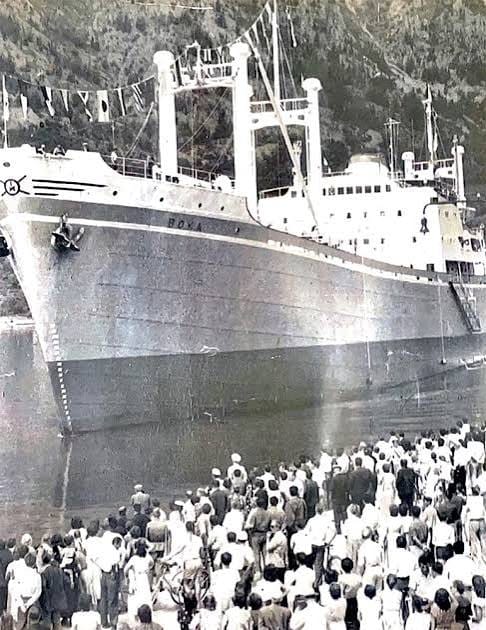
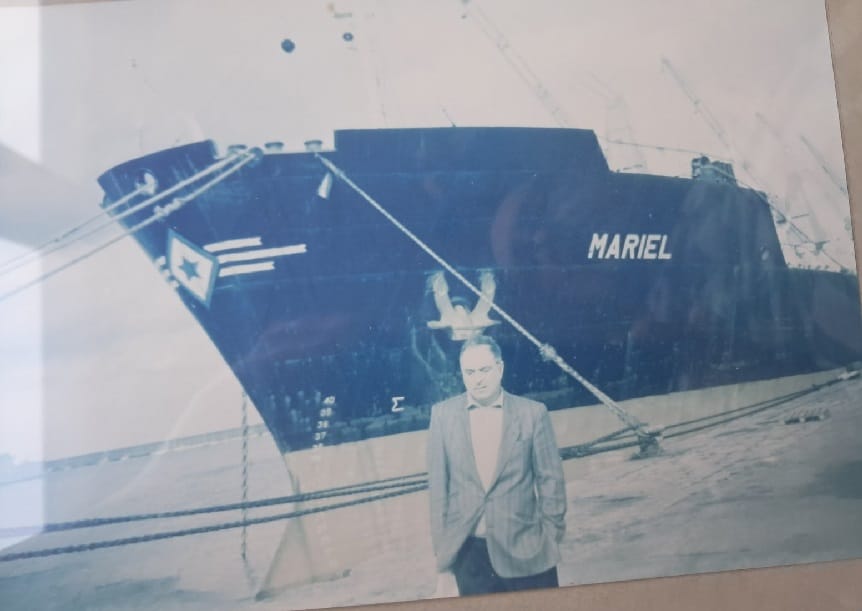
Since time immemorial, sailors from the Bay of Kotor have gone out into the world on ships and, more often than not, returned safely home. Over the centuries seafaring brought prosperity, a better standard of living and a more comfortable life to the people of Boka, as the many palaces and other fine properties along the shores of the bay bear witness. Seafarers today still lead the way in high living standards, which is why the seafaring profession is so attractive and wins over the young, so that from generation to generation the men of the same family take turns earning “bread with nine crusts”. And that this bread really is hard, and that seafarers' life on board is often far from the romanticised stories, we have witnessed in every era, including our present moment, when storms come not only from the sea but from the political cabinets of the masters of the world… But, as the old saying goes, “NAVIGARE NECESSE EST, VIVERE NON EST NECESSE” (To sail is necessary, to live is not).
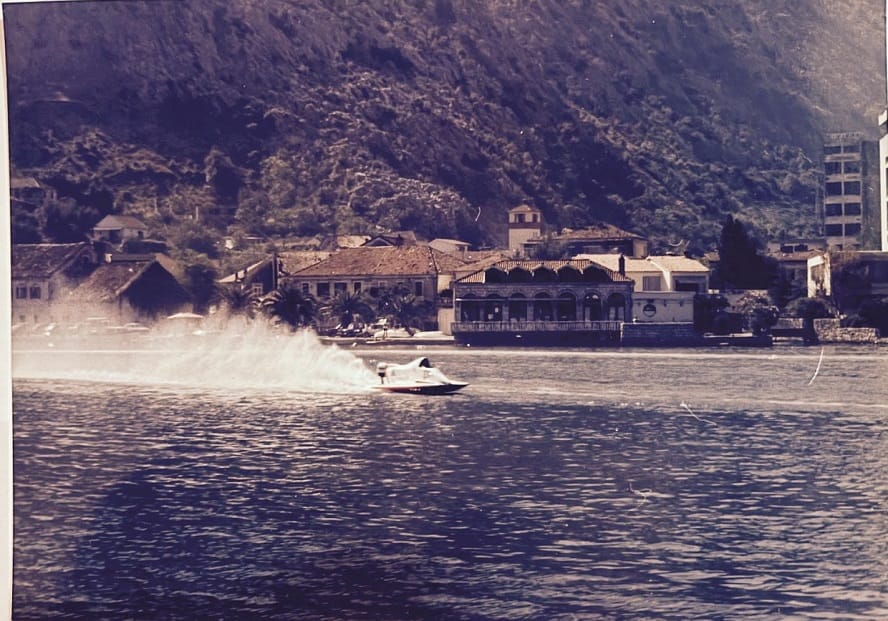
It was planned a long time ago, but it is still remembered. At the beginning of 1992, serious negotiations were held in Kotor for the Bay of Kotor to become a water circuit for powerboat racing, the popular “Formula 3”. Taking part in talks hosted by the mayor, Andrija Perišić, were Montenegro's deputy sports minister Zoran Živković, the secretary general of the Nautical Federation of Yugoslavia, Krsto Pasković, and representatives of sports and tourism organisations from Montenegro and Kotor Municipality. It was agreed to propose to the congress of the International Powerboating Federation that Kotor be included in the calendar of “Formula 3” races on water. Specific tasks for marking out the course for the “Formula 3” races at sea were agreed with the management of the Port of Kotor, and hoteliers were involved too, as an influx of guests was expected: competitors and fans of this sport, which attracts tourists with deep pockets.
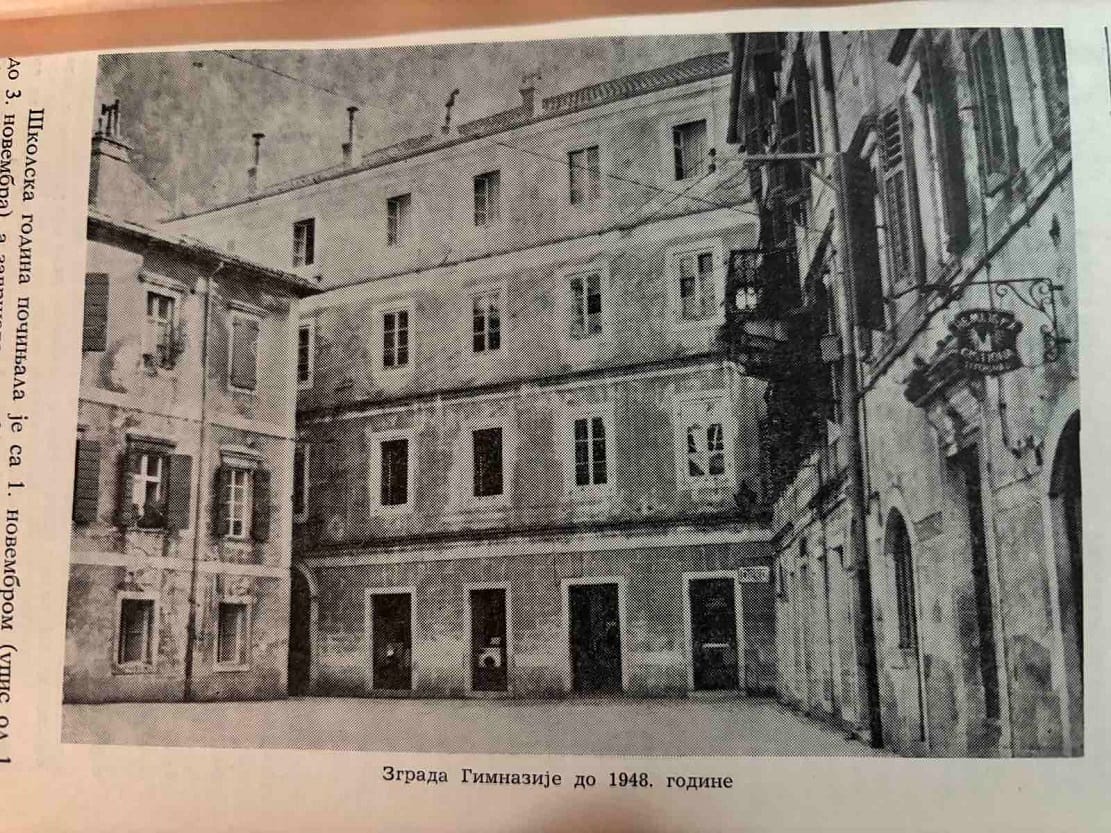
Kotor has long been known as a town of music, of good song, of proven singers and musicians. In Kotor, and far beyond our paving stones, they spread its fame and good name. Many learned their first notes right here in Kotor. Some came and went, but they often recalled their ties with Kotor, a town where a Music School has been operating in an organised way for eight decades and will round off 80 years next year. Over that long period many generations have passed through the much-loved Music School, which waited a long time for a proper roof over its head. Finally, in 1985, it moved to its present address, a building put up in 1838 with donations from wealthy citizens of Kotor and long known as the Serbian Palace. For a time, up to and including 1931, it was the seat of the Eparchy of Boka Kotorska and Dubrovnik. During the occupation of 1941-45 it was used by the occupiers. Later it served as the seat of the District, and then of Kotor Municipality, right up to the earthquake of 1979. For a time the school also used premises in the Monastery of St Anthony.
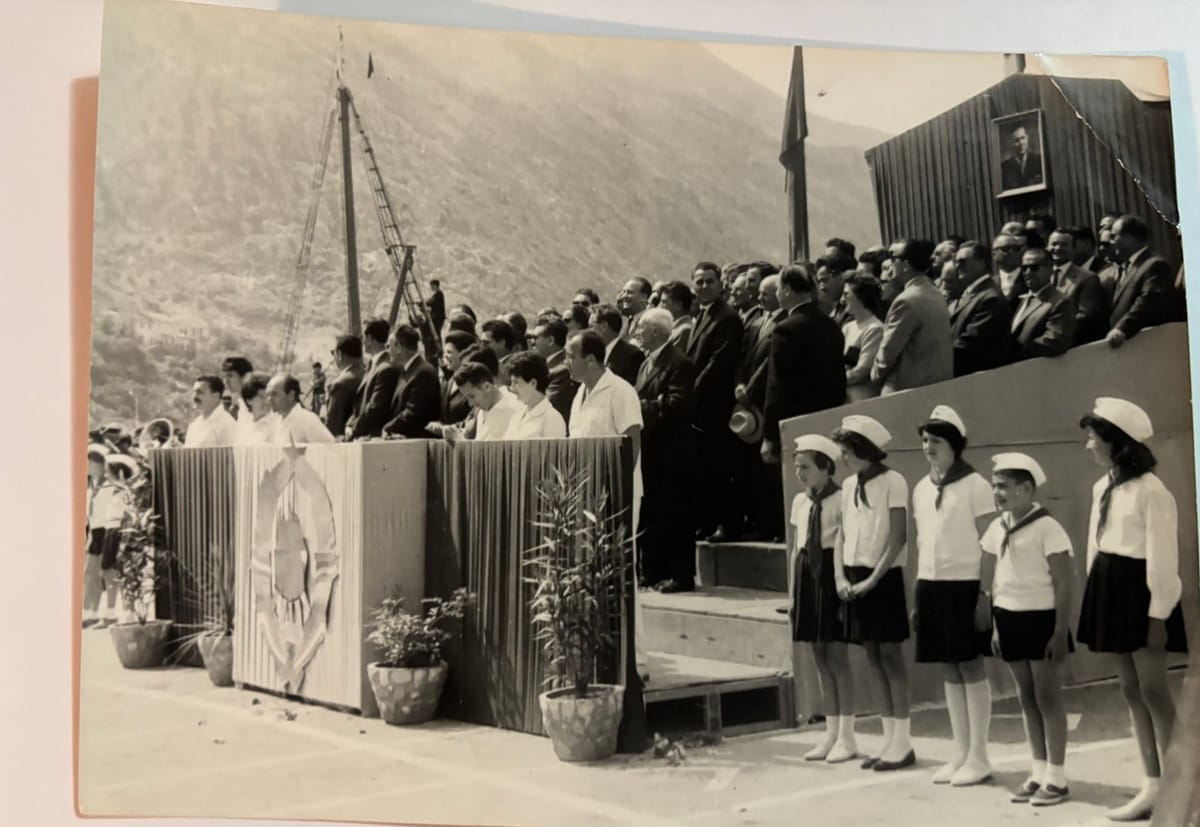
Over the long period from 1945 to 1989, Youth Day, the holiday of young people from Triglav to Gevgelija, was celebrated every 25 May. On that day Josip Broz Tito's birthday was celebrated with a grand spectacle at the JNA Stadium in Belgrade and the handing over of the Relay of Youth baton to Tito. The Relay of Youth, the symbol of the holiday, was carried for about two months beforehand through all the republics and provinces of the SFRY, and in the end it all concluded in Belgrade with a mass gymnastics display by thousands of performers from all over the country.
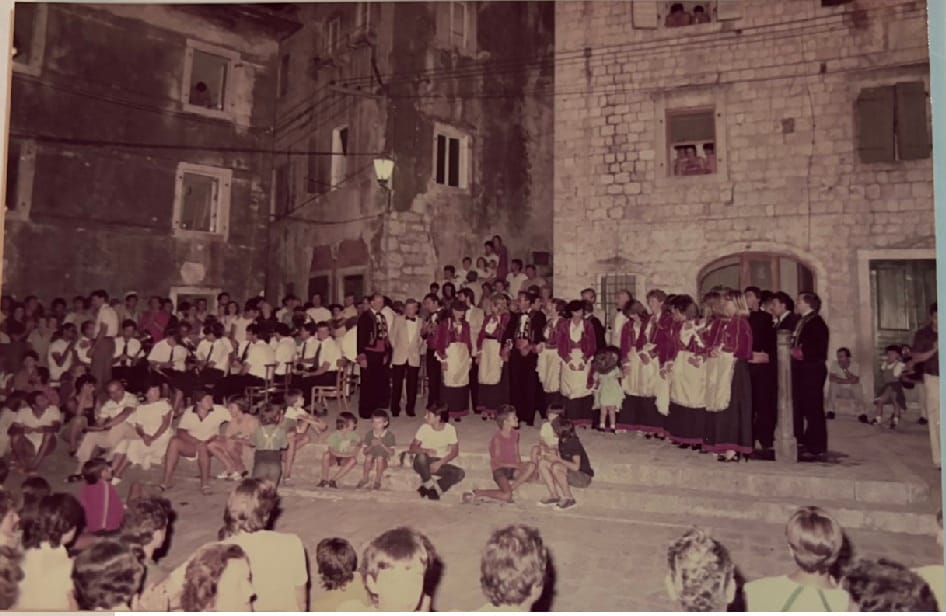
Under this provocative title, on 10 August 1983, an event organised by the Cultural and Educational Community was held on Škaljari Square, arousing great public interest in what was then an officially evacuated town. For the first time since 15 April 1979, at least for that one night, the spirit and the life of old finally returned. It was a programme marked by local performers and by a selection of musical, folk and other themes recognisable throughout the Bay of Kotor. Thanks to enthusiasm and the help of friends, conditions of a sort were created for the many visitors, sitting on wooden beams or on the steps, to experience song and joy in the wounded town. That night Kotor recalled a Renaissance town, where artistic programmes were, as a rule, held in the squares.
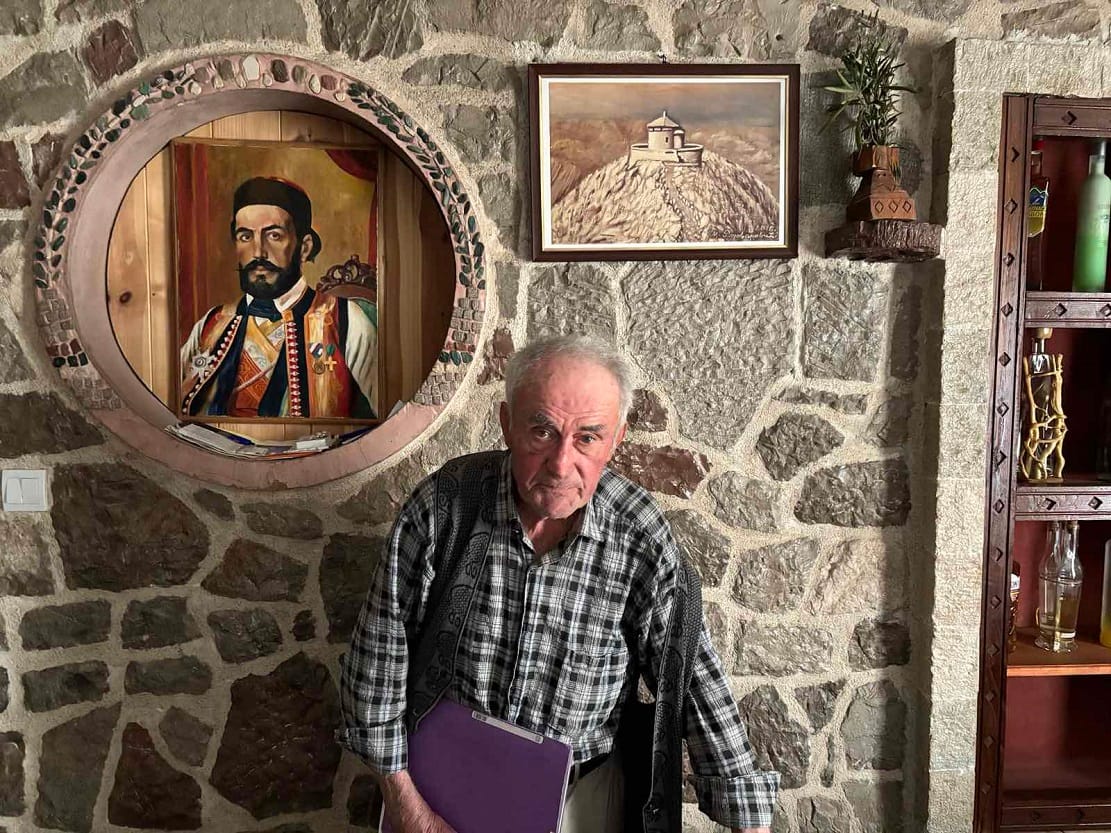
As the 47th anniversary approaches of the devastating earthquake of 15 April 1979, when the Donji Grbalj area suffered great destruction and enormous damage, we remember the hard-working builders who set about rebuilding and building anew straight after the disaster. The example of Branko Đurić (87) from the village of Kovači, who set up his new home in Kovačko polje, right beside the Adriatic Highway, speaks of perseverance, hard work, family unity and visible results in rebuilding and construction.
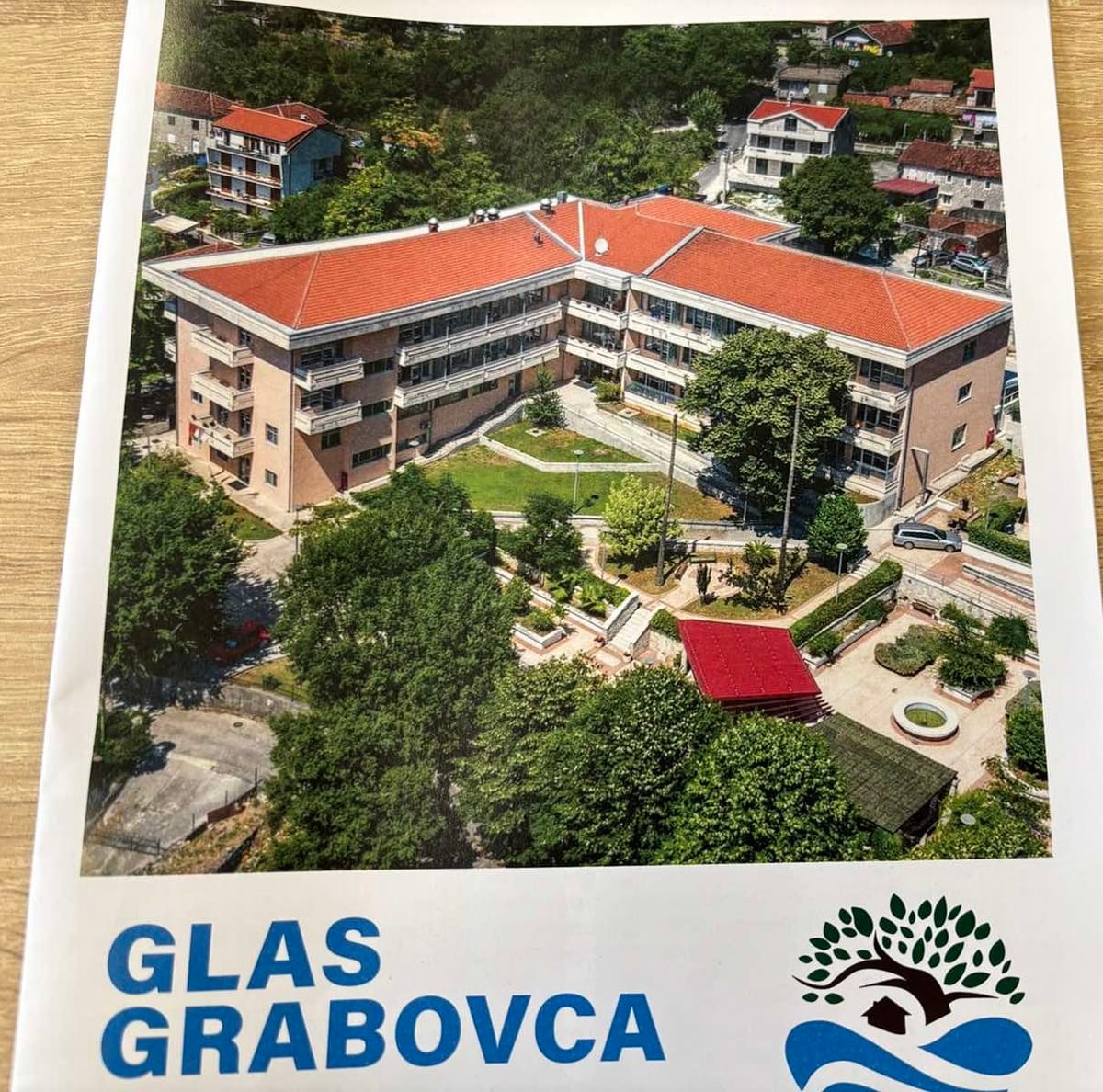
Care for the elderly and the socially vulnerable has long been present in the Bay of Kotor, as the writer and archivist Risto Kovijanić recorded in his book KOTOR MEDALLIONS. As far back as the Middle Ages there was room for those in need alongside convents and monasteries, and over time society came to recognise its duty to help those who were, to put it in today's language, in social need. In the last century such shelters for the old and infirm are known to have existed in Dobrota, then in Stoliv, Prčanj, Perast and finally in Risan, first at the Rtac site. At its present location the Grabovac Home for the Elderly has expanded in a planned way with great support from the British Sue Ryder Foundation, and this autumn residents are expected to move into a new pavilion. Next year Grabovac will mark 80 years since its founding; at present, state homes also operate in Bijelo Polje, Nikšić, Podgorica, Pljevlja and Plav, alongside several private homes at various addresses.
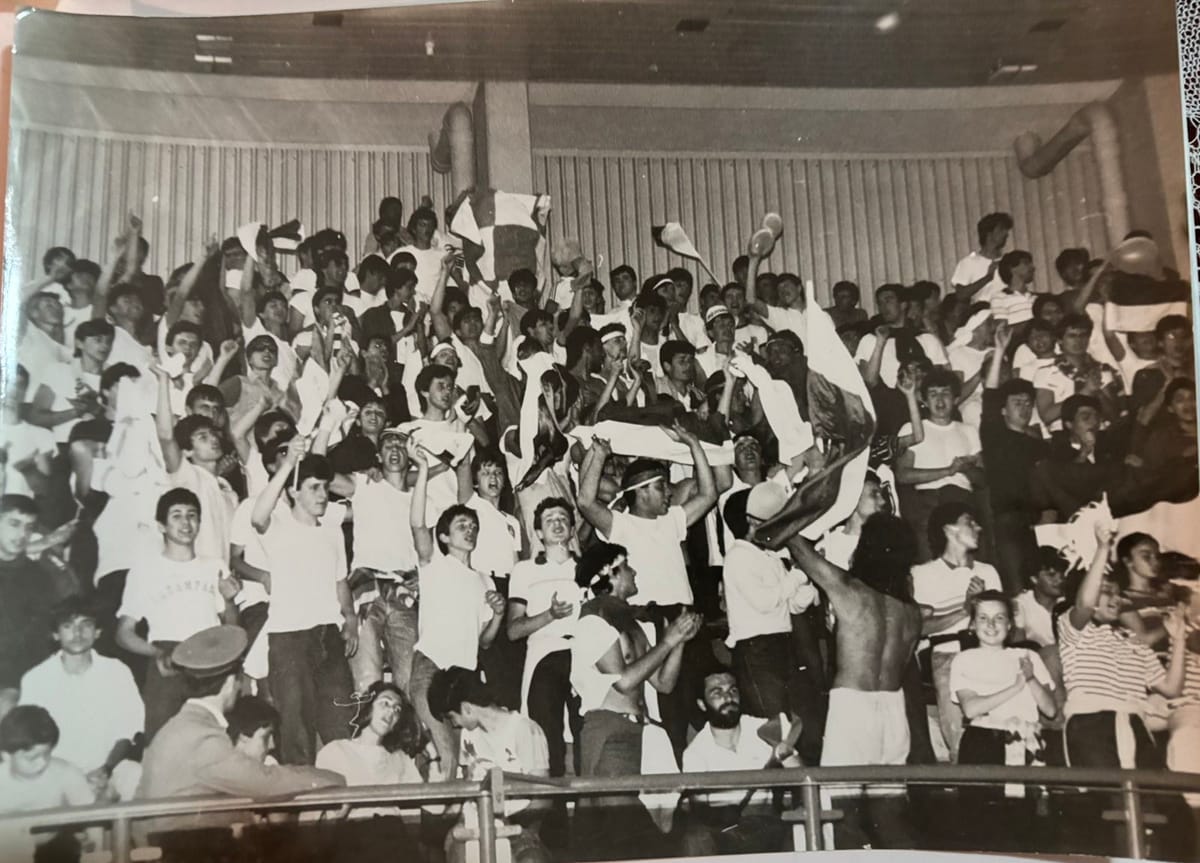
As the club water polo season draws to a close, memories reach back to distant 1986, when, within three days in April (the 27th and the 30th), Primorac won the Yugoslav championship and cup and entered the annals of water polo. With all its players and coaches from Kotor itself, Primorac crowned itself with the highest honours, which are still remembered today, 40 years later. The euphoria that reigned in Kotor in those days is unforgettable, and not only at the pool but in every corner of the town, and a series of photographs will simply remind us of the scale of the general joy and celebration.
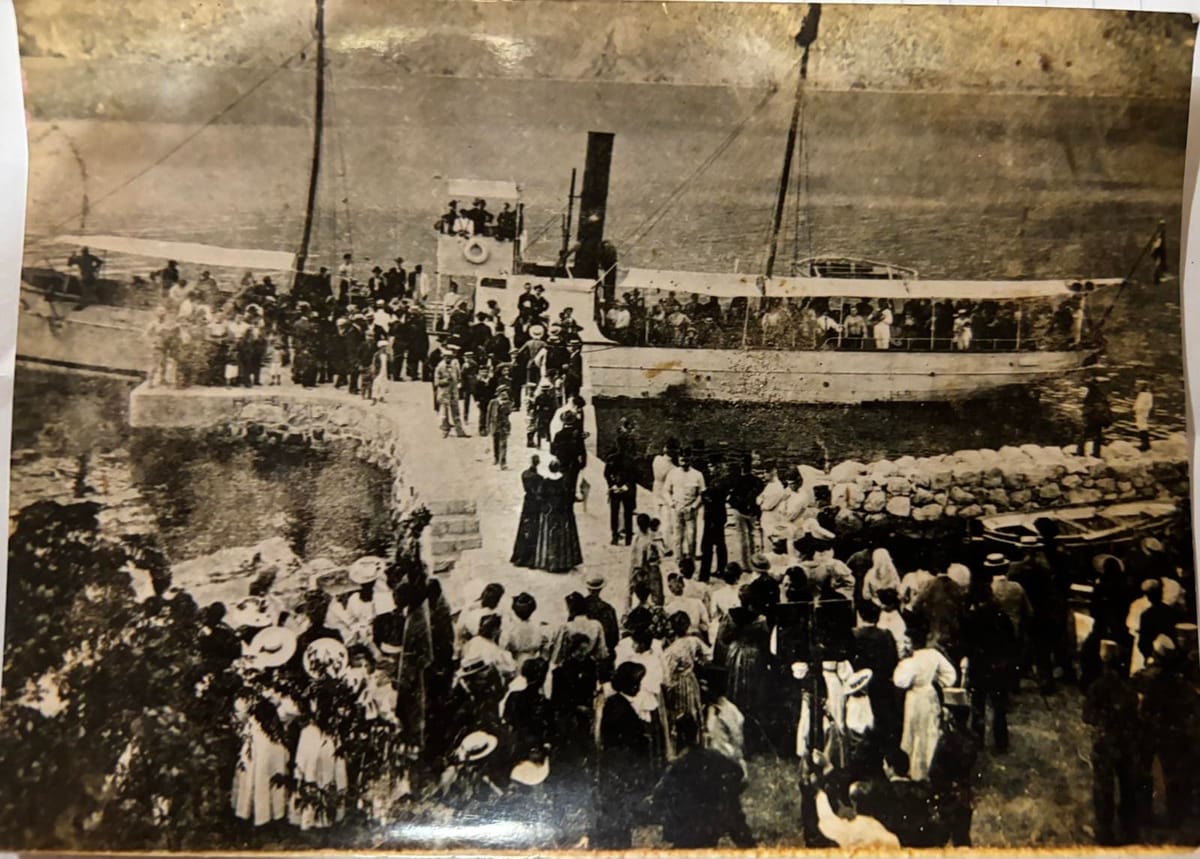
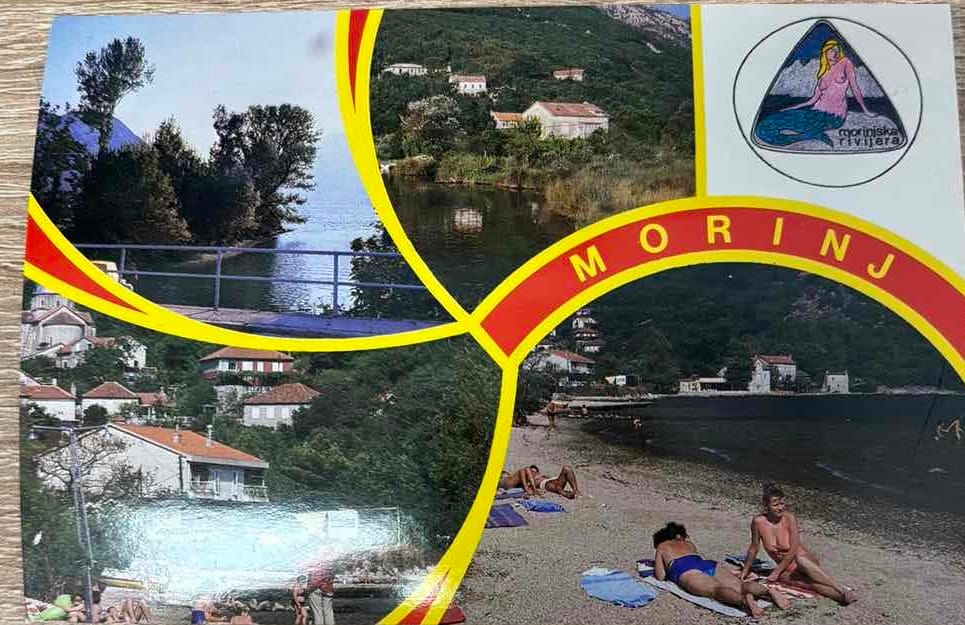
After the Great War, the Bay of Kotor began to develop tourism more rapidly, although the beauty of the area had attracted travellers, artists, writers and travel writers before then too, especially from the lands whose state administration ruled over the Bay. As a border town with a regular shipping line to Trieste, Kotor already had several hotels and experience in tourism and hospitality, but in the new state of the Serbs, Croats and Slovenes, and then the Kingdom of Yugoslavia, smaller places in the bay, Prčanj and Morinj, also became increasingly present on the tourist map thanks to their natural advantages and particular climate. Tourist societies began to be formed, and they developed and have left their mark to this day.
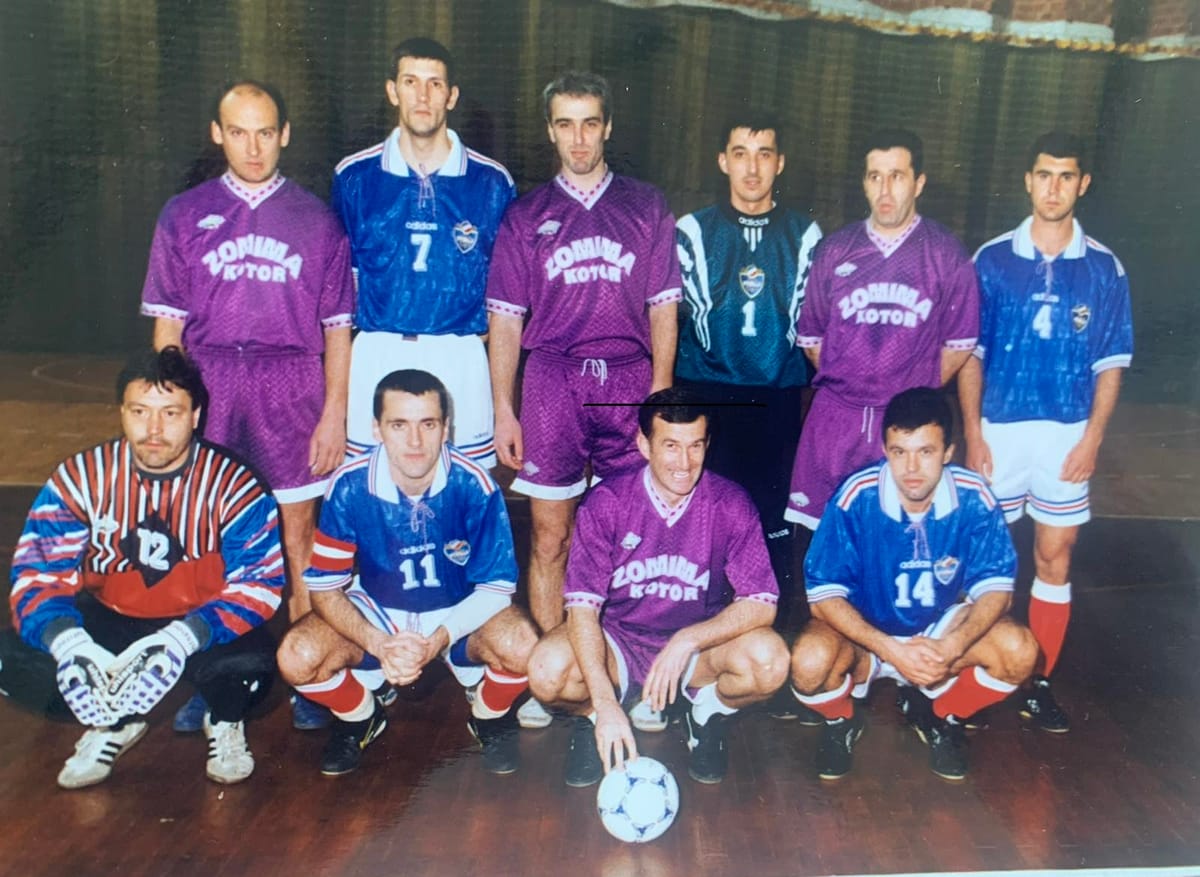
Among the family of sports that have appeared in recent decades is, of course, five-a-side football, or futsal, as the game that attracts countless fans around the world is officially called today. Five-a-side began to be played in Kotor in 1957. It was popularised mainly by students coming from the bigger centres of Yugoslavia. Bato Pajović from Dobrota and his friends, together with fellow students who came to the seaside in the summer months, played the new game on the ground where the car park of the Kamelija shopping centre is today. There were four to five outfield players and no goalkeepers, and the goals measured 1x1 metre. At Račete, popular at the time, the pitch was dirt, but the new game was winning more and more followers. Soon five-a-side was enriched with new rules, so it was played mostly on a pitch the size of a handball court, with handball goals defended by goalkeepers.
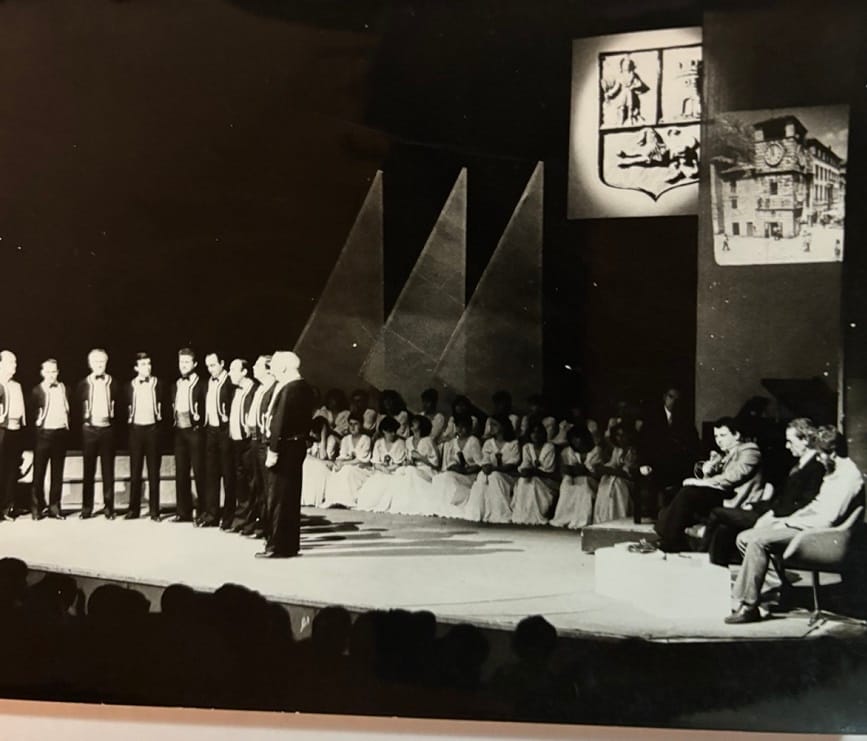
As an exceptional cultural centre, Kotor has since ancient times been fertile ground for the development and recognition of the various arts. A strong material base, made possible by seafaring, favoured the emergence of renowned creators in literature, music, painting and sculpture. That tradition, preserved to this day, was seriously shaken by the consequences of the devastating earthquake of 1979, as indeed was social life in general at the time. Amid massive help and support for the reconstruction from all over Yugoslavia, for the second anniversary of the earthquake in April 1981 Branko Krivokapić, a Kotor man working in Belgrade, organised, as director of the STUDENTSKI GRAD cultural centre, an exceptional evening entitled “KOTOR'S ARTISTS FOR BELGRADE'S STUDENTS”.
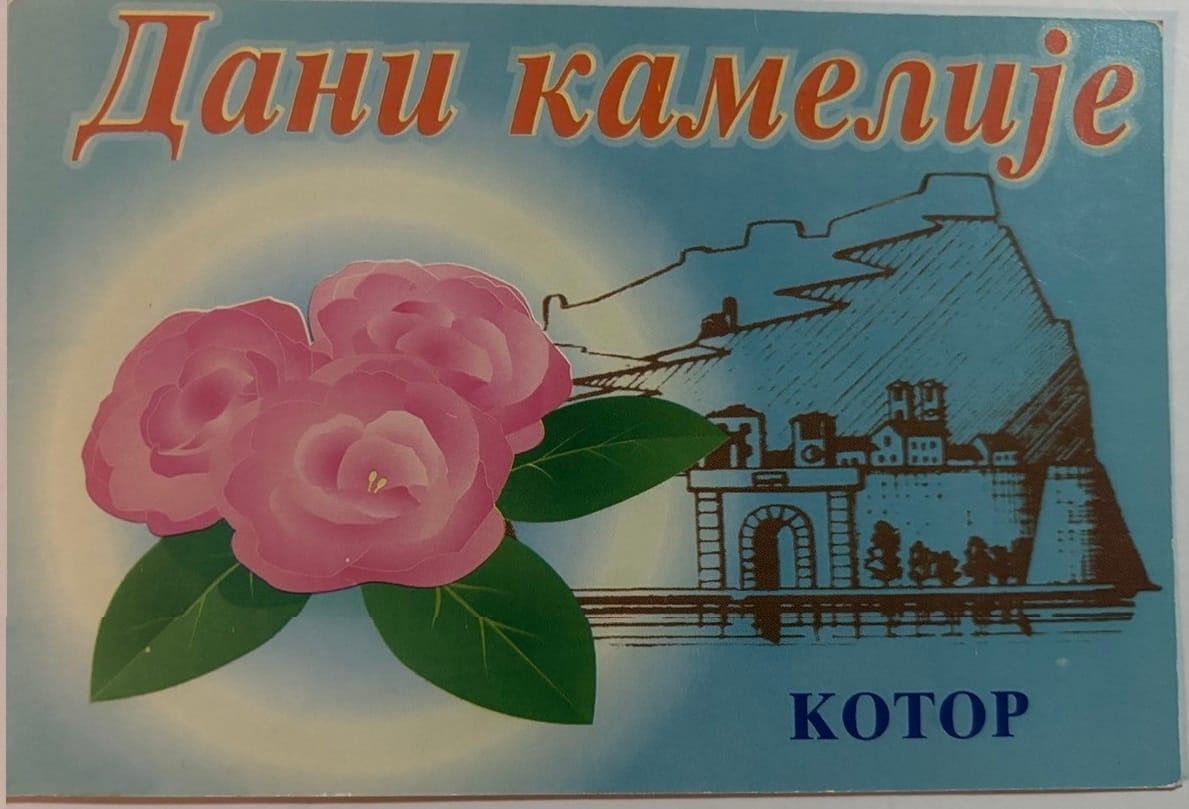
Spring has now stepped in, and with the longer days the many kinds of plants in bloom in the numerous gardens and villa gardens, as well as the parks, of the Bay of Kotor look all the more inviting. More and more camellia trees in flower are drawing admirers of the flower, and in Stoliv, Prčanj, Kostanjica and Morinj, as well as elsewhere, camellias of every colour add to the overall atmosphere. All this reminds us of the traditional festival in Stoliv, scheduled for 29 March, though this year, too, with a reduced programme. And memories take us back to the years when the event lasted almost a month, with a varied artistic and entertainment programme and, back then, exceptional media promotion for Kotor and the whole Bay of Kotor. The organisers had the chance to present the programmes in the electronic and print media, not only in Montenegro but also in the countries that emerged from the former Yugoslavia. The special “icing on the cake” of the camellia celebration was the Camellia Ball. With the choice of the Lady of the Camellias, the event attracted particular interest. The reason: the honour often went to a very well-known personality. However, for various reasons, this is now the seventh year without the popular ball. The hard-working enthusiasts and organisers from Stoliv are weighed down by the burden of organising this popular event, both because of limited funds and because of the sheer amount of work a richer programme requires.
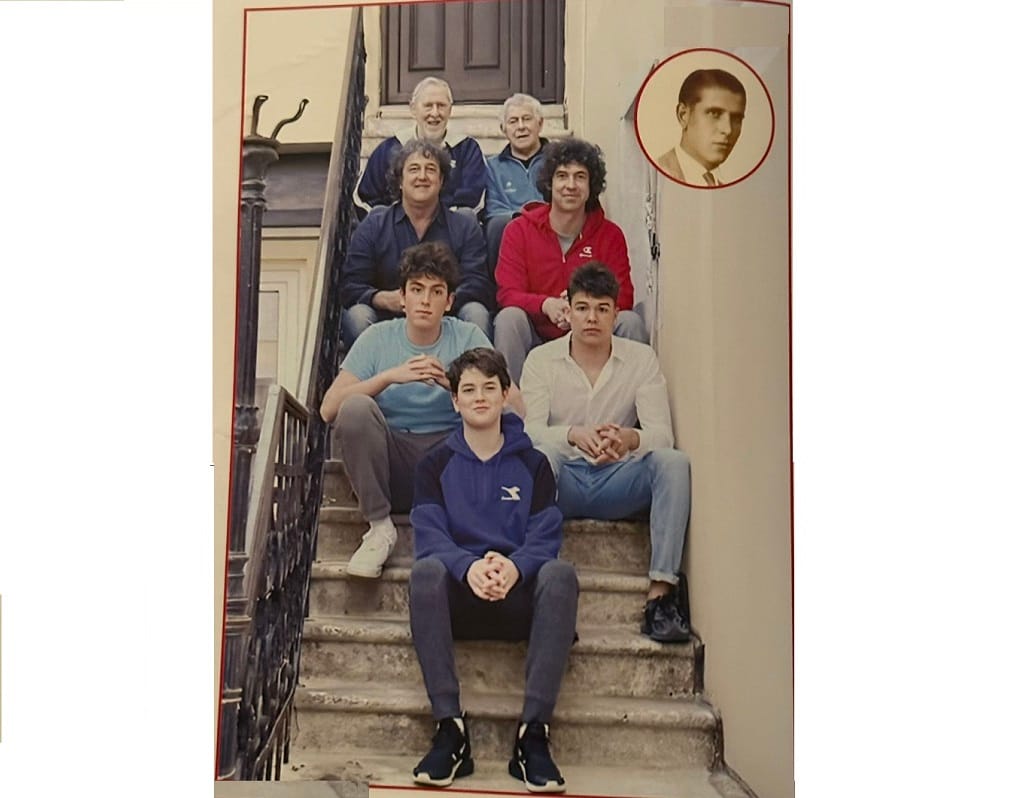
Ever since Kotor's young people have been doing sport in an organised way, there has hardly been a family without at least some of its members involved in the sporting movement. Especially in swimming and water polo, where there is also the most information, given that the Primorac Sports Society has existed since 1922; it ran several sections, and the swimming and water polo section has kept the name to this day. Younger members of the same family would usually follow a brother or sister, and so it is to this day. Numerous details of this are preserved in the Primorac monograph (1922-2022), and for the Radio Kotor website here are just a few that recall the families who left a deep mark on the development of swimming and water polo in Kotor.
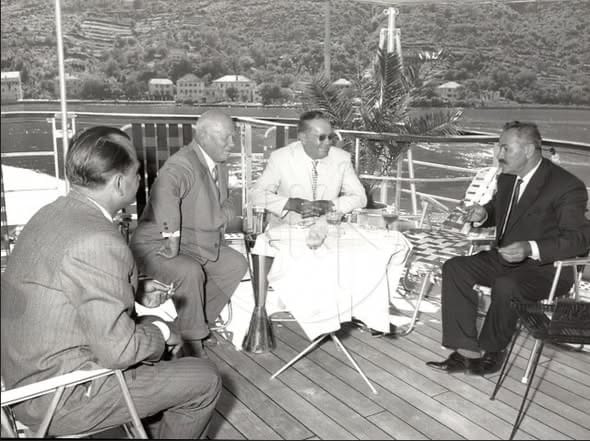
A summit of the leaders of the 27 European Union member states, together with the leading politicians of the Western Balkan countries, will be held at the beginning of June this year in the Bay of Kotor, not far from Tivat, and it will certainly be the largest gathering of such importance, and not only in Montenegro. Besides the political issues set for debate at the summit, it can be assumed that many of the participants will visit some of the sites, above all Kotor, which is on the UNESCO list. It is this very gathering, two and a half months away, that has inspired a look back at the very long list of statesmen and public figures who visited Kotor and the Bay of Kotor in the past.
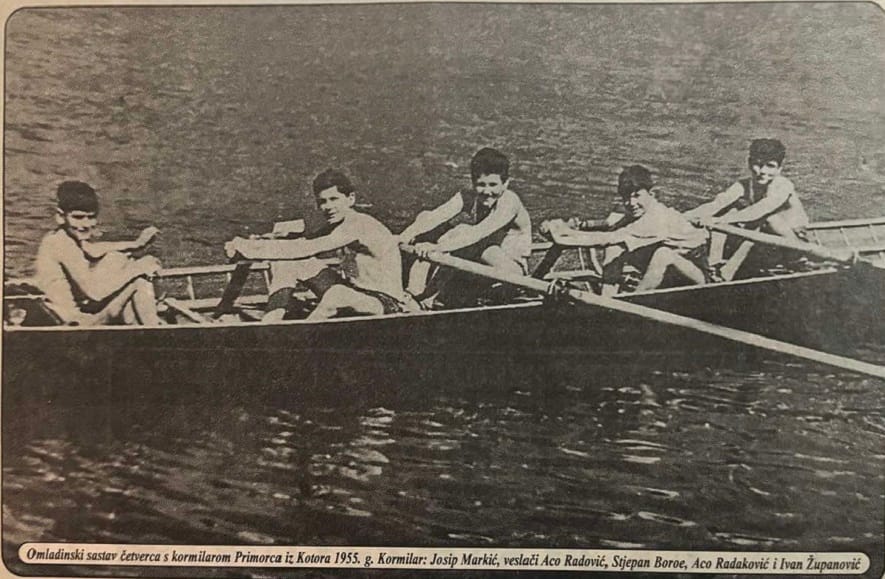
Montenegro is the only country in the Mediterranean without organised rowing. Even the African countries on the Mediterranean are developing the sport. It therefore seems only natural to develop rowing where the climate and natural conditions are right and memories are still fresh of the sport being practised in far more modest economic circumstances, especially in the Bay of Kotor. Besides the natural conditions, there is another very important advantage. The anthropological type of the rower is 195 cm tall and weighs 90 kg, and Montenegro has more young people of these dimensions than the other countries in the region. Nebojša Ilić, the former manager of the Yugoslav national rowing team, who for years brought the best rowers to train in the Bay of Kotor, was amazed that a region with a bay, as well as Lake Skadar and Lake Krupac, had no rowing club. What is more, at that time the Yugoslav federation was offering technical, professional and organisational help.
More than half a century ago Milan Radulović from Podgorica, then a student at the Higher Maritime School in Kotor, saw the Grbalj village of Bigova, and a love was born that lasts to this day. While sailing on merchant navy ships, Radulović dreamt of a peaceful harbour for his life in Bigova, a fisherman's house by the sea and days of retirement in what is now a very well-known tourist spot. Rising through the ranks of his profession, he became a chief engineer, and after 32 years at sea he “dropped anchor” in Bigova itself. During his voyages he brought back from ports all over the world all kinds of souvenirs from distant lands and other objects that remind him of life on board. And he guarded it all jealously with one aim in mind: to buy and restore an old house in Bigova that would always remind him of a seafaring life that lasted so long.
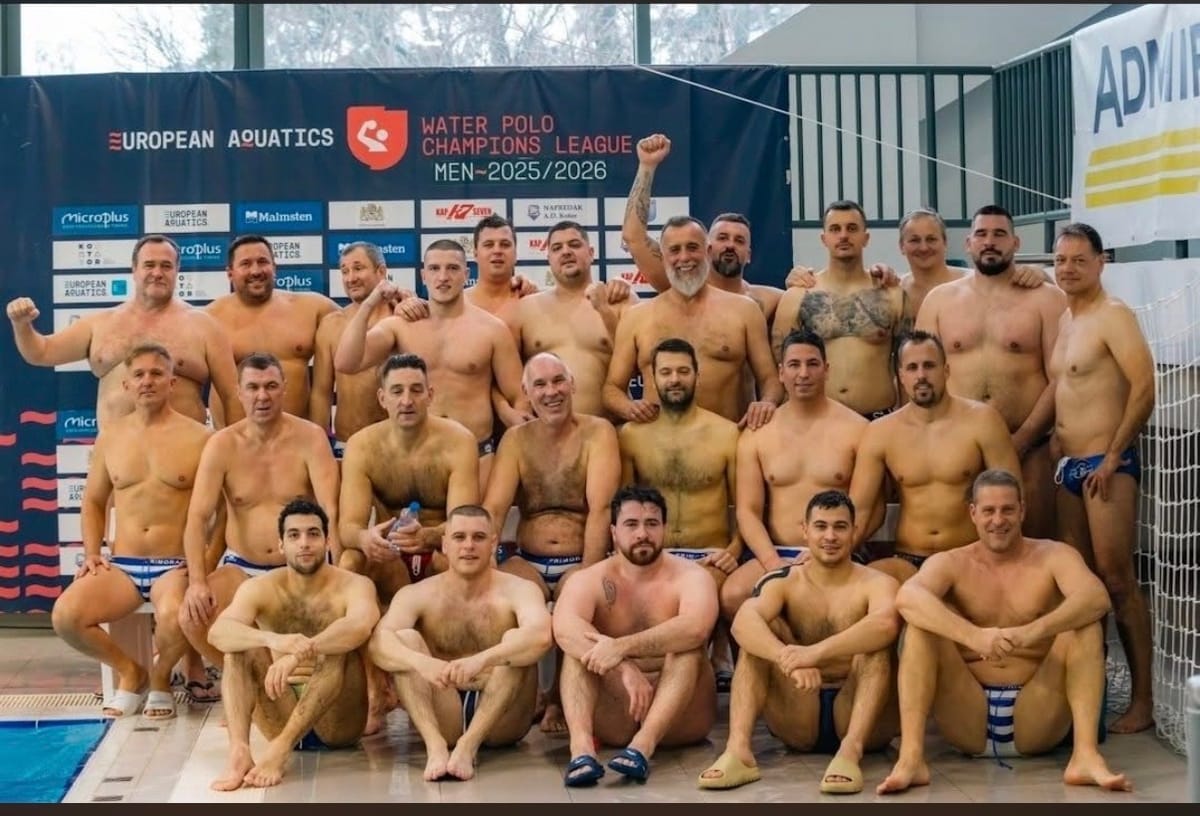
It has long been known that hardly a child in Kotor and its surroundings has not tried playing water polo when young, and the list of those who reached the top level and achieved brilliant results with their clubs or the national team is truly long. Even longer is the list of those who, through Primorac or one of the other clubs, have ties to water polo and still remember those young days. Wanting to return to their favourite game, in the summer of 2024, at the popular Grota in Orahovac, Ratko Vujović and friends formed a veterans' club, which was later officially registered as the “Primorac Sports and Recreation Society” - Veterans, with all the documents a sports club needs.