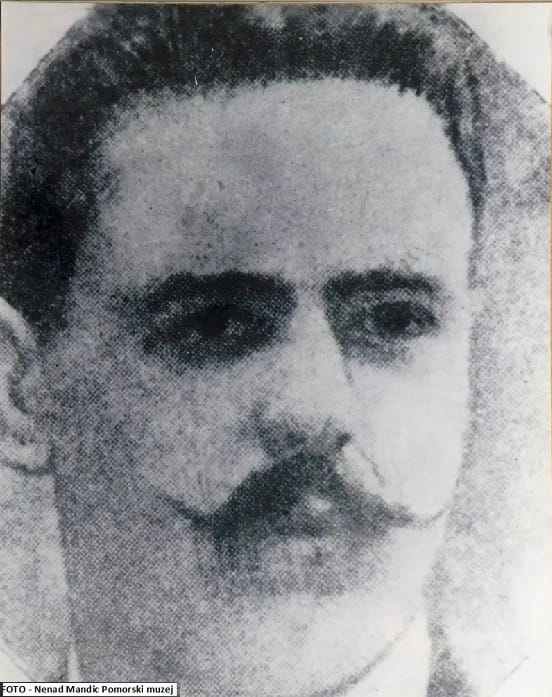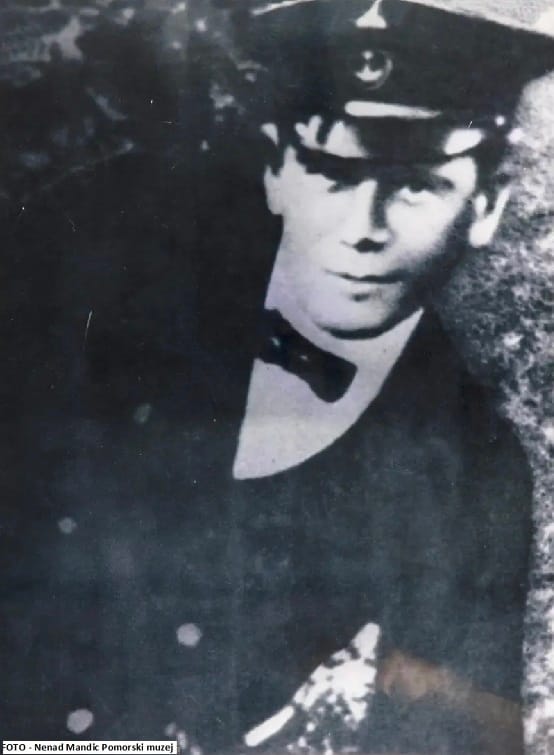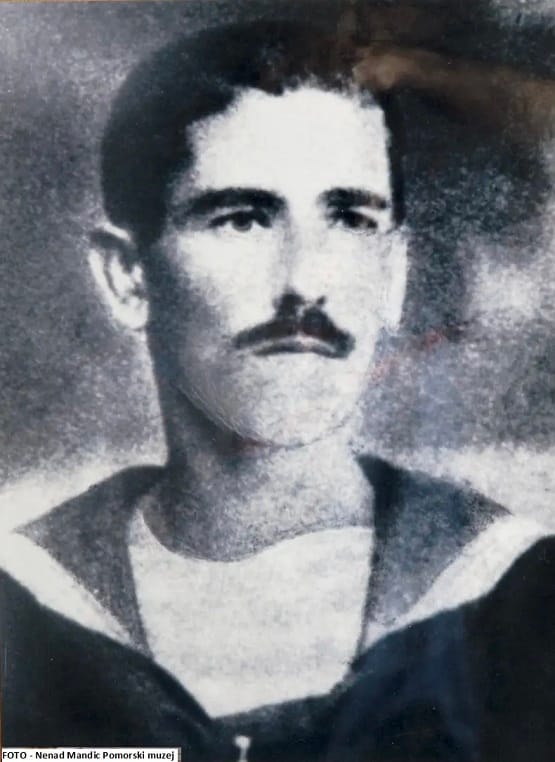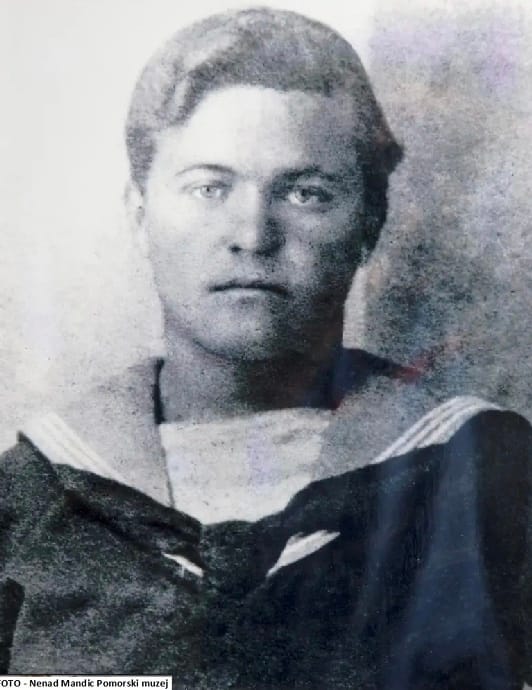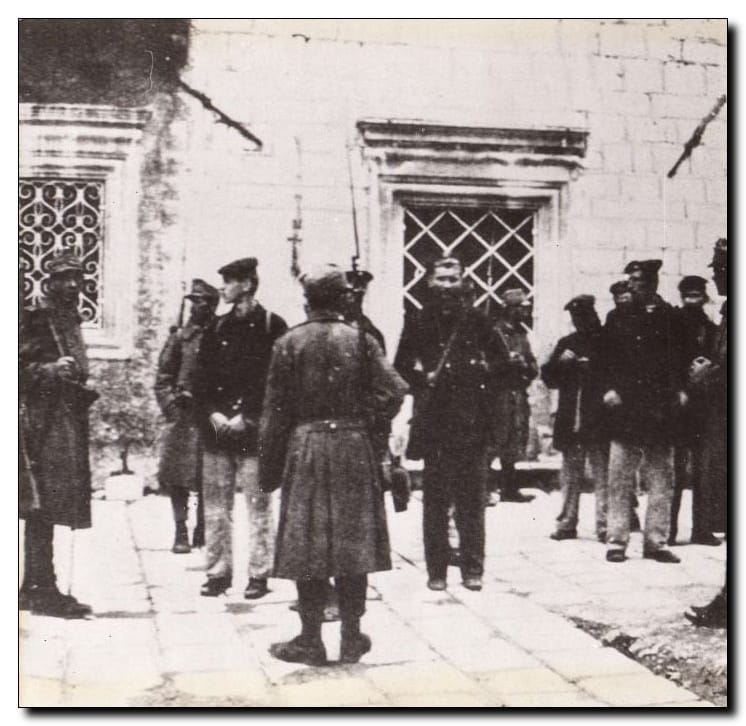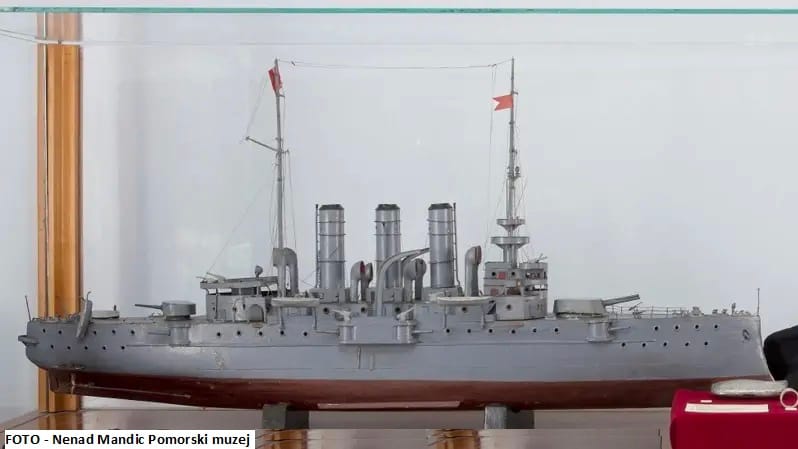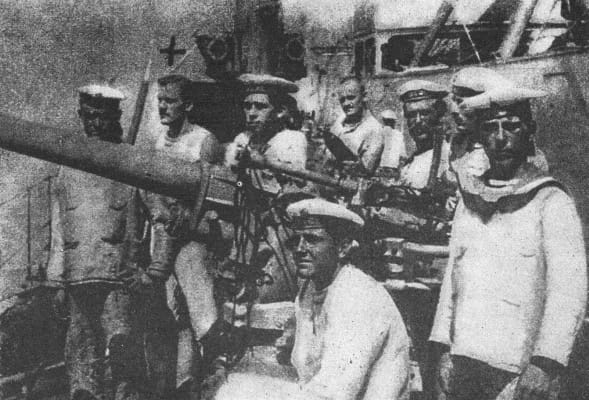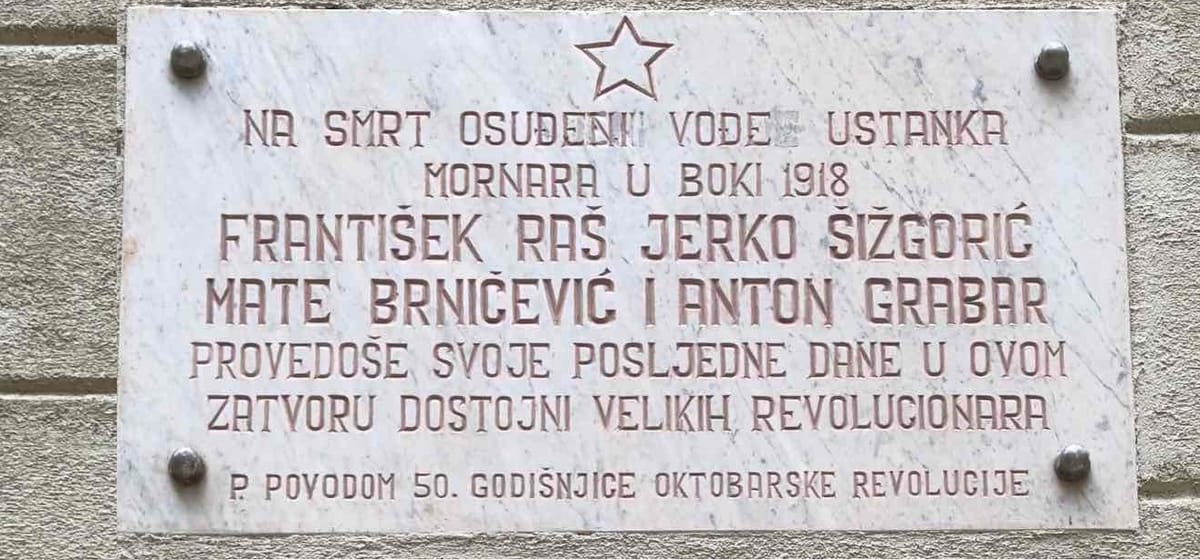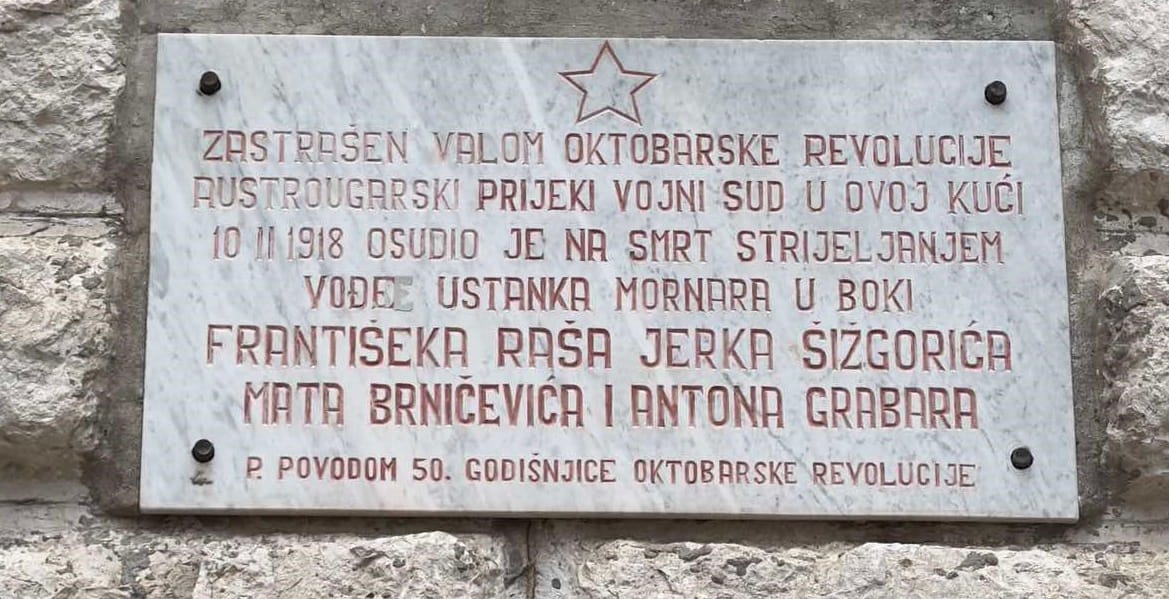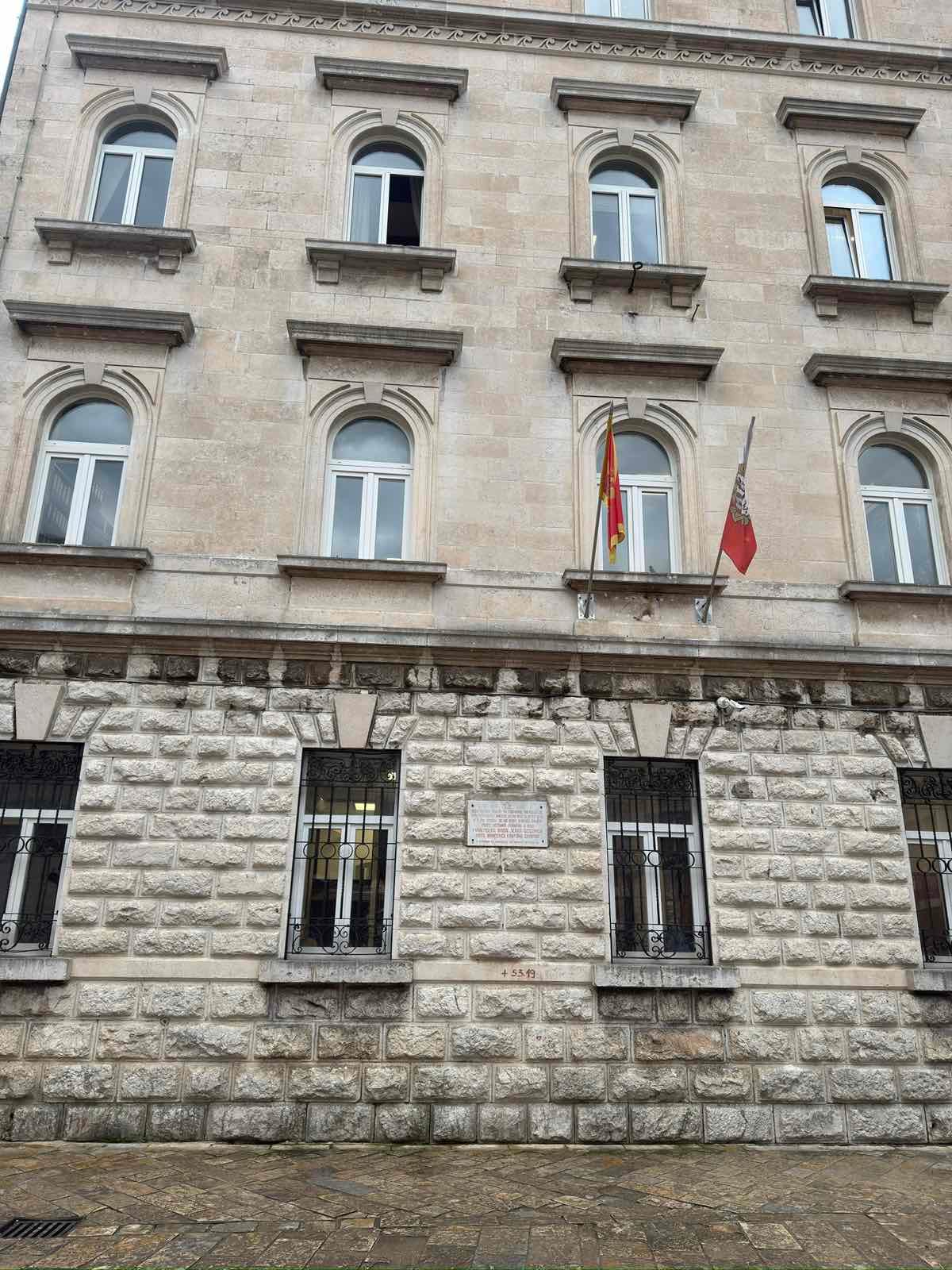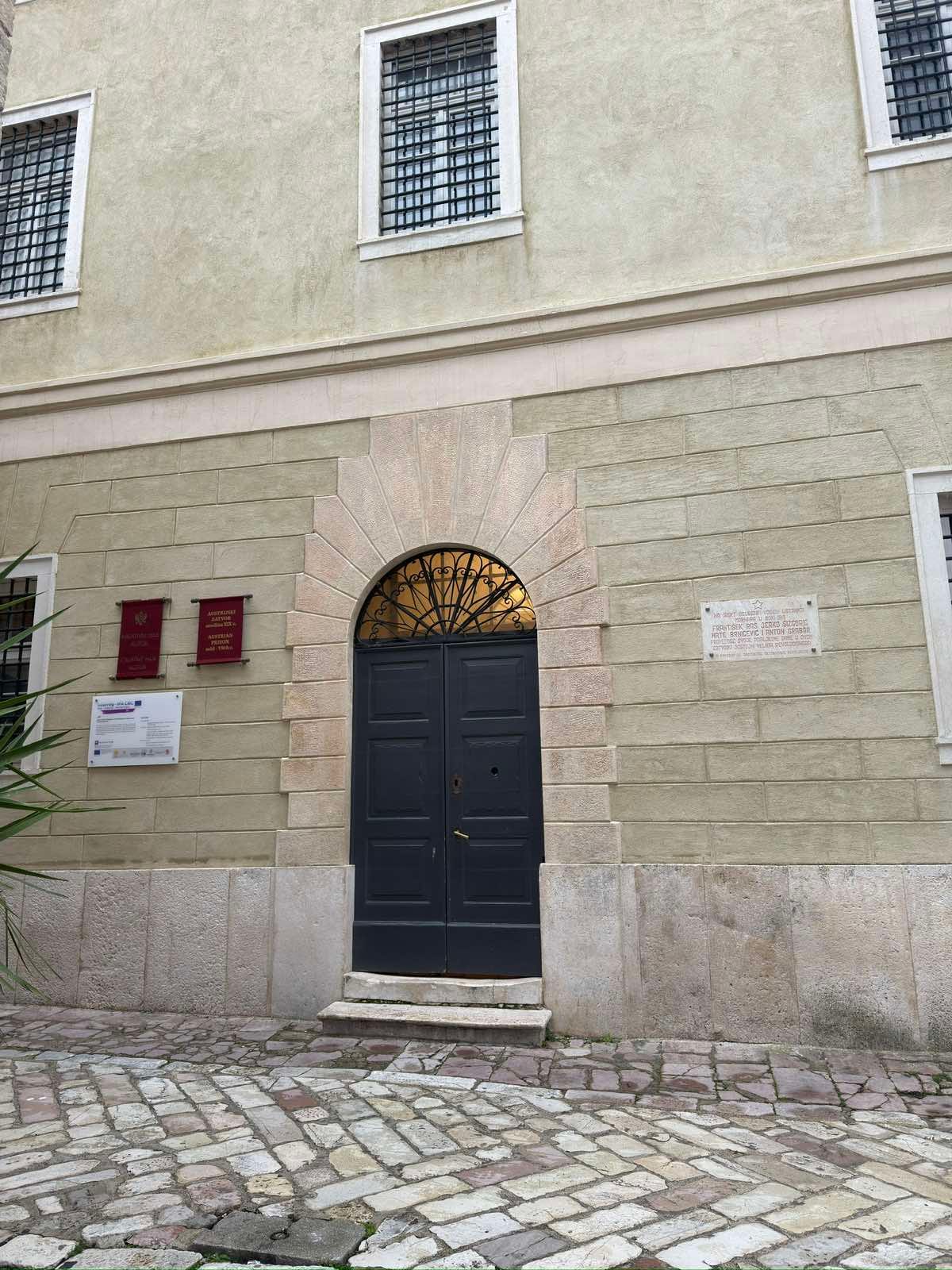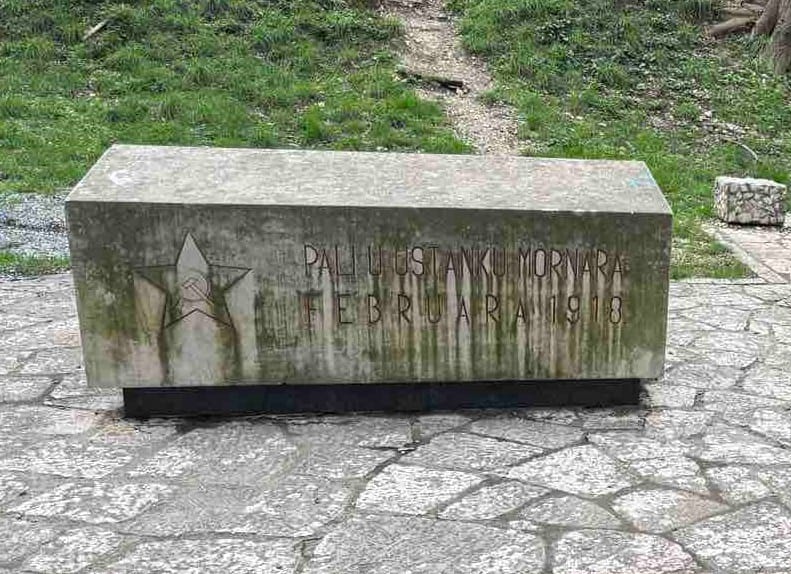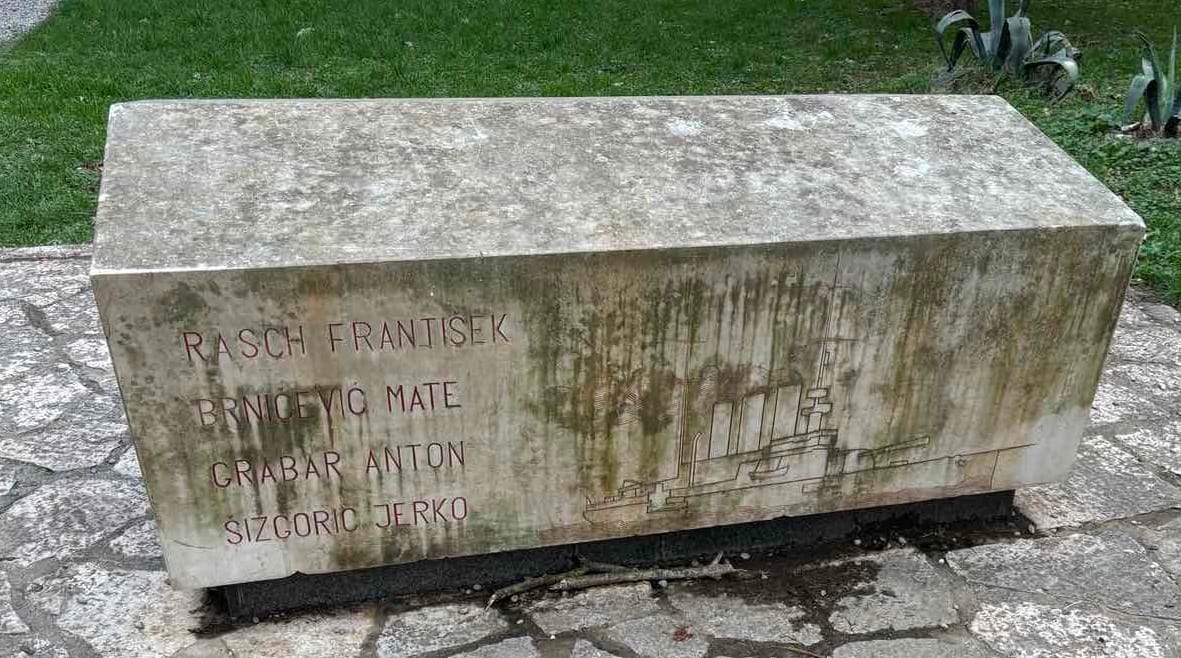
The mutiny, which lasted from 1 to 3 February, echoed far and wide, and had consequences too. Put down by force, it led to the arrest of some 800 sailors and petty officers. Forty of those arrested were brought before a summary court martial, and sentenced to death by firing squad were the Czech František Rasch, Antun Grabar from Poreč, Jerko Šišgorić from Šibenik and Mate Brničević from Omiš. Those given prison terms were released in September of the same year, when the end of the war was in sight. Almost 50% of the accused were of South Slav origin, among them people from Boka, and the rest were Czechs, Slovaks, Germans, Hungarians, Romanians, Ukrainians…
In the early morning of 11 February, the death sentences were carried out in Škaljari. Before their deaths, the condemned men were attended by the military chaplain Don Niko Luković, who heard their confessions and with whom the author of this piece had the chance to talk about it in 1965, while preparing his own school-leaving essay, “The Sailors’ Mutiny in the Bay of Kotor in 1918”. Don Niko explained then that František Rasch had refused to make his confession, while the others, deeply saddened and demoralised, spoke of their families and of their grief at the impending execution.
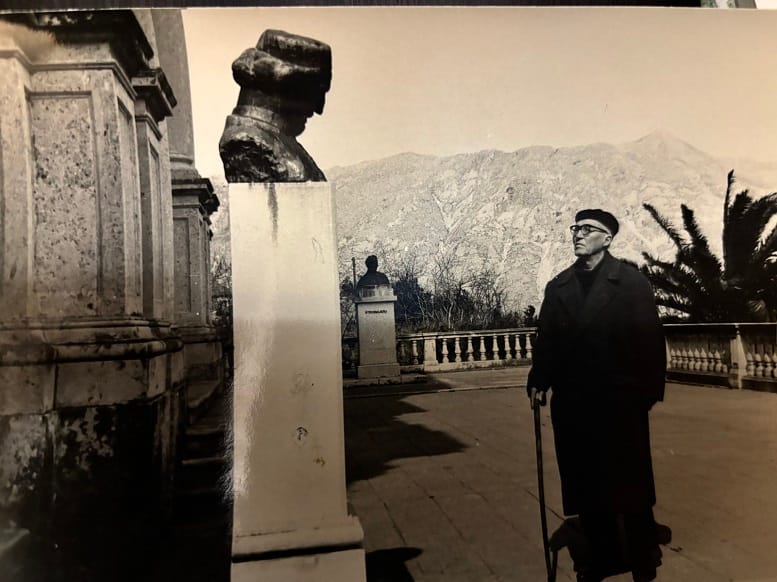
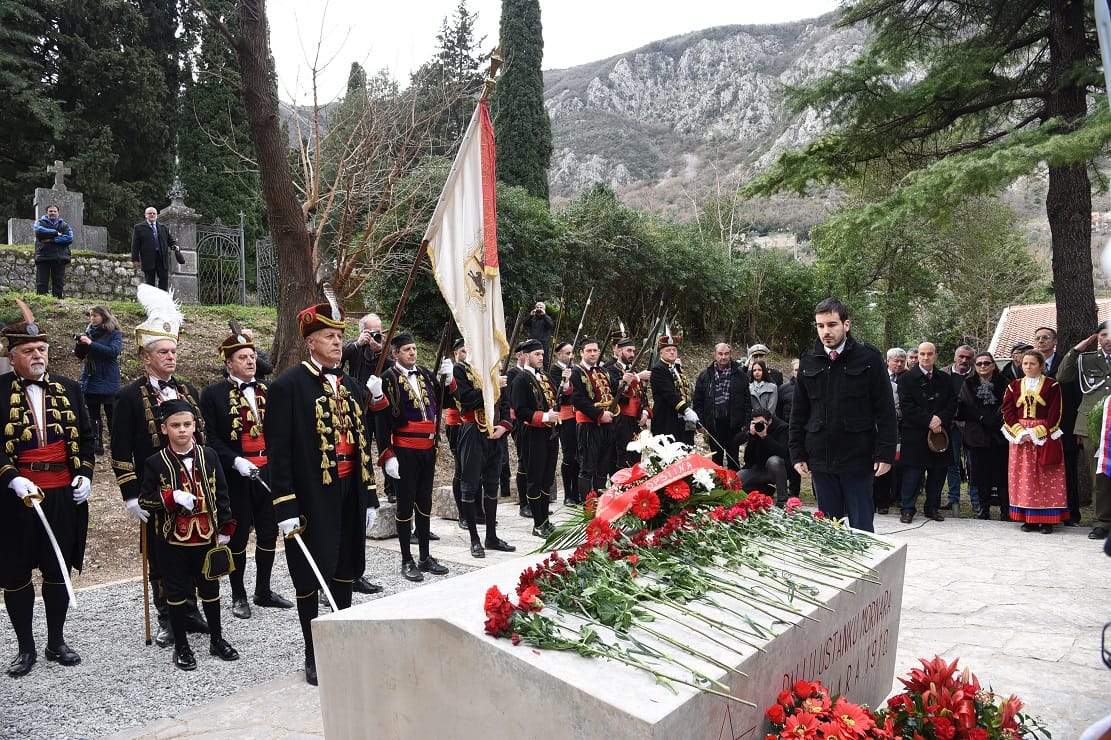
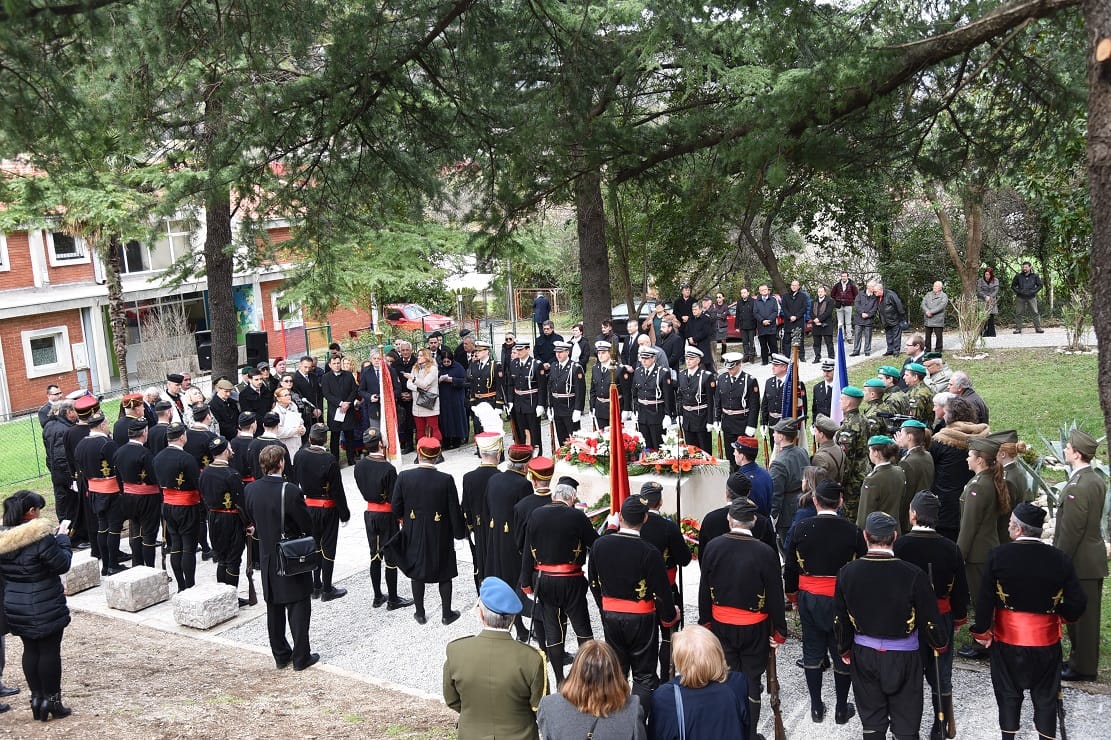
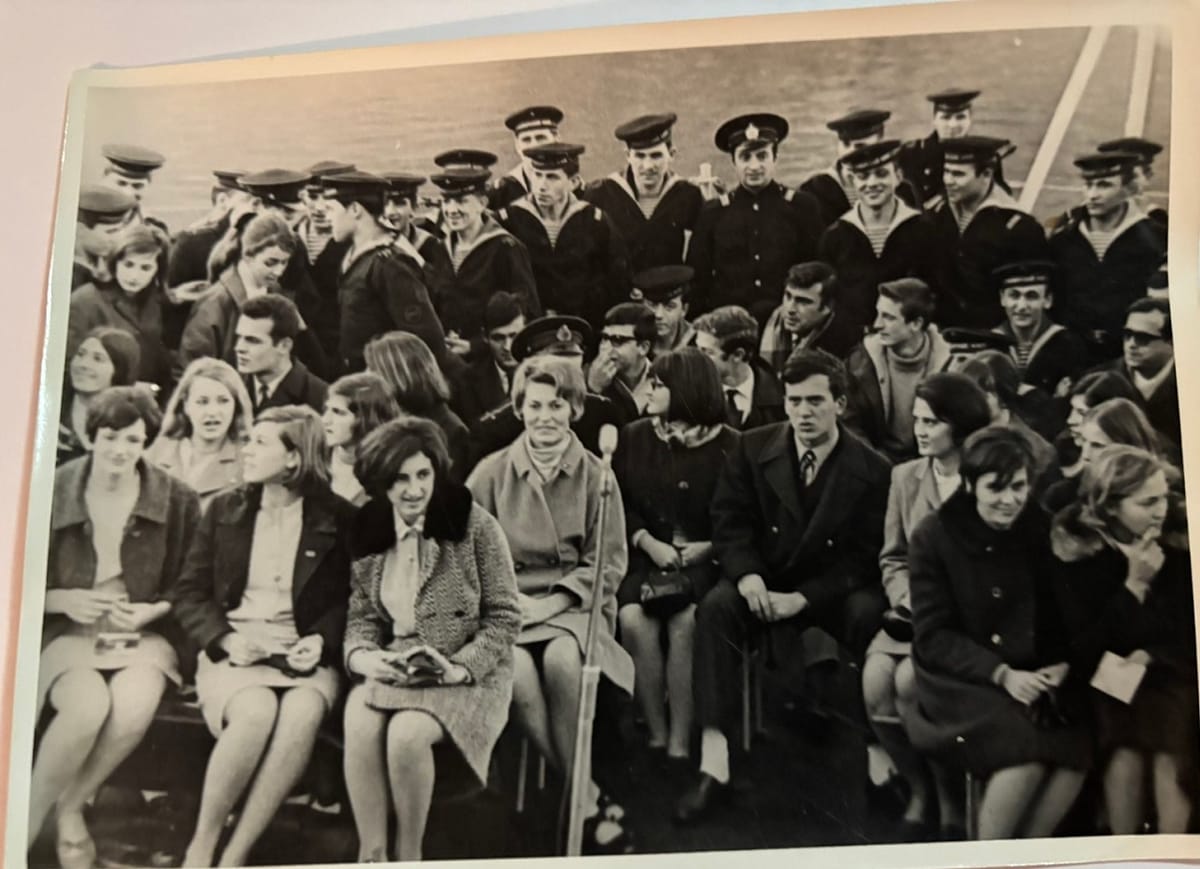
Between the two world wars the event was marked in Kotor, with commemorations held regularly at the grave in Škaljari. In the new Yugoslavia, the 50th anniversary of the Sailors’ Mutiny was marked in 1968, and a memorial was erected in a small park between the cemetery and the nursery school in Škaljari, where we remember the event every year.