Society
News
People, institutions, education, healthcare and everyday life in Kotor and the Bay.
More from this section
SocietyFrom the memories of journalist Dušan Davidović
Joca the dolphin, a media sensation still remembered (video)
Dolphins are the most numerous mammals whose home is the seas and oceans. However, experts are worried by the latest research findings, according to which the lifespan of these inhabitants of the seas and oceans has been drastically shortened. Female dolphins now live seven years less than their ancestors that inhabited areas of the Atlantic Ocean in the 1990s, according to a recently published study by experts at a university in the state of Colorado (USA).
SocietyFrom the memories of journalist Dušan Davidović
Kotor’s prison, from dungeon to classroom
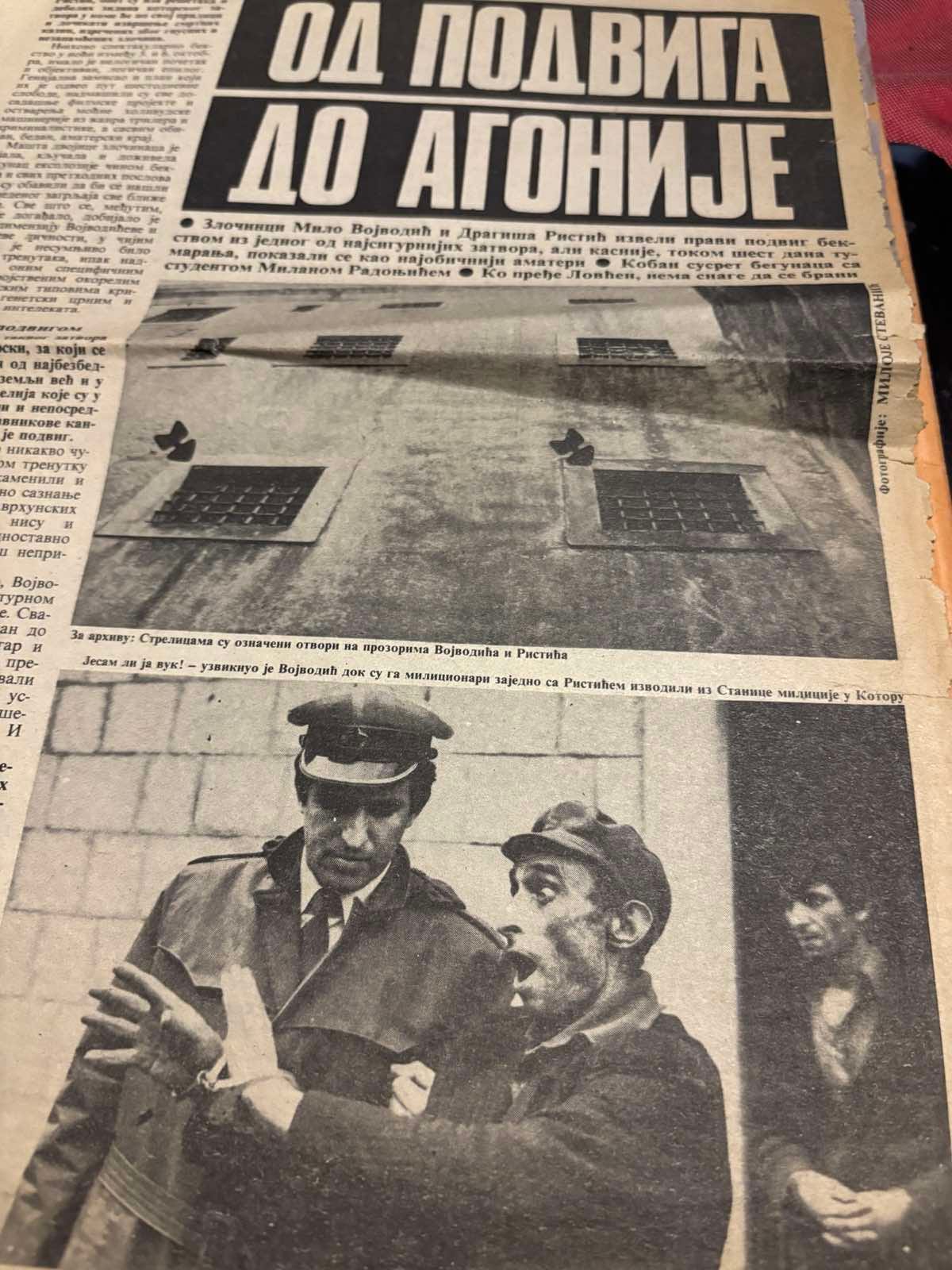
In the mid-19th century, the Austrian authorities of the day decided to build a large prison in the border town of Kotor, meeting all the standards of the time, to a design by the town architect Marko Bencon, after whom, right up until it closed, it bore the informal name of Marko Bencon’s House. From the outset, a great many prisoners came and went, before and after wars and uprisings, and during peacetime troubles. As a result, the prison never lacked residents, and the town and its inhabitants were often unwilling witnesses to prisoners being escorted and brought in, until 1990, when it was closed down. But even after that, while the municipality and the republic were working out what to do next and how, the prison was a haunt for all kinds of unrecorded visitors, who kept company with a fellow townsman known as Čedo the Hermit.
SocietyFrom the memories of journalist Dušan Davidović
Karampana (carnival), what a lovely name you have
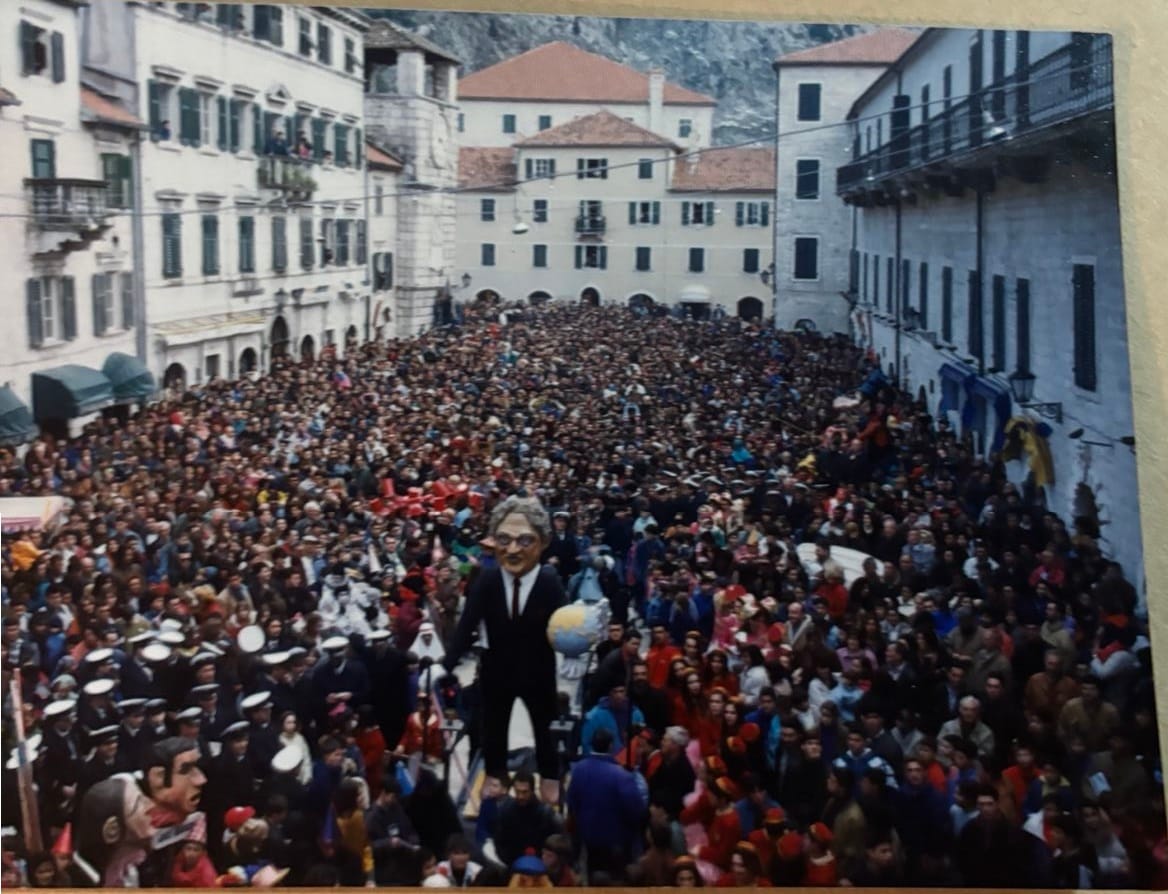
Once again at Shrovetide, Krnjo, the figure of the Kotor carnival, will burn, drawing many visitors from all over the Bay of Kotor and beyond, while thousands of photos and other images will travel from Kotor to addresses all over the world. That is how it has been, after all, since the Middle Ages: as records found in the archives show, a kind of carnival was held even in those distant times – naturally, looking very different from today. But in our time, young and old alike get ready for the carnival, even the residents of the Home for the Elderly and the users of the Day Centre for the Elderly, as do nurseries, schools and the Institute for Deaf Children. Work on the costumes starts as early as the end of the previous year, and ideas are kept secret so that the turn-out in the carnival parade is as successful as possible and wins more smiles and support from the crowds watching the spectacle. The various neighbourhoods of the town are promising their best groups.
SocietyFrom the memories of journalist Dušan Davidović
The Sailors’ Mutiny that heralded the end of the Great War
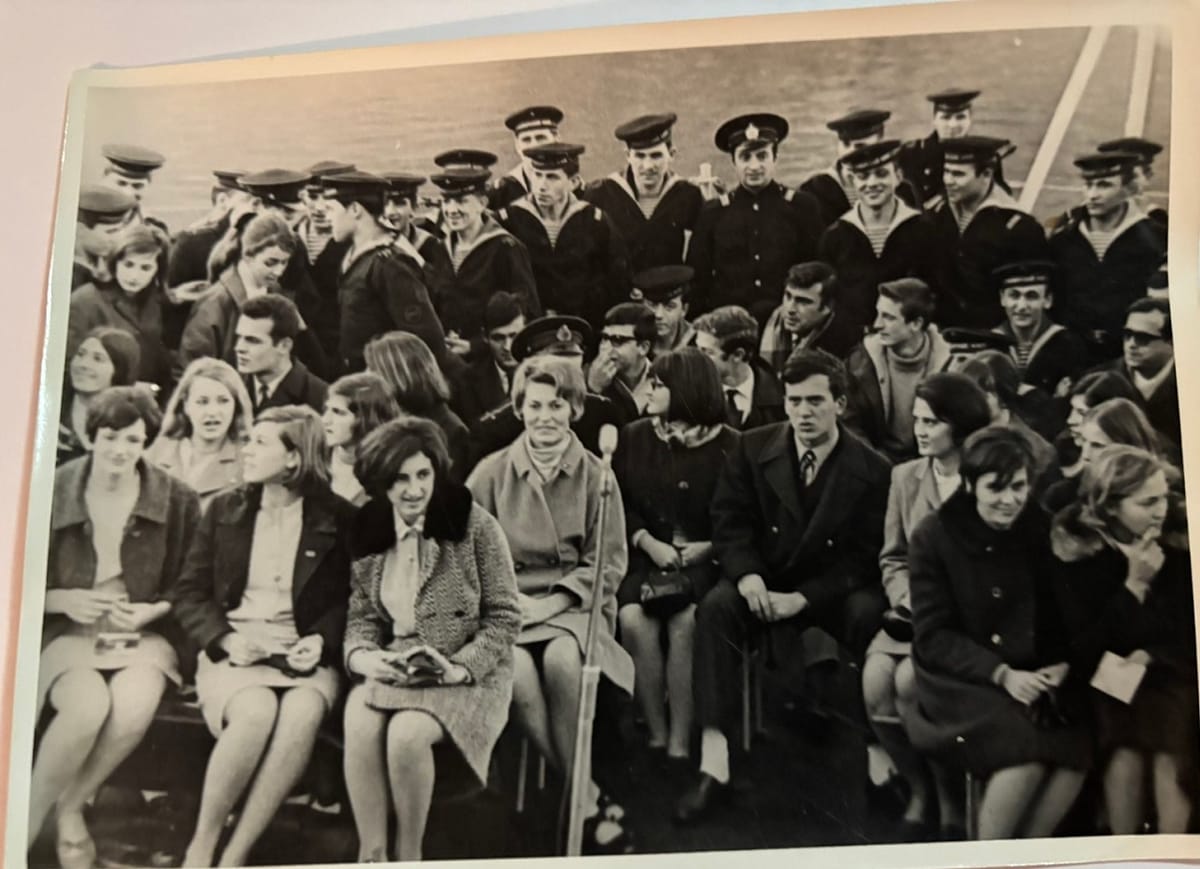
In the first days of February 1918, the Bay of Kotor found itself at the centre of attention of a world public weighed down by years of events in the Great War, which finally ended in September of that year. On the ships of the Austro-Hungarian fleet stationed in the Bay of Kotor, discontent exploded among sailors, petty officers and even the odd officer over the long state of war and social hardship. The collapse of a great empire was in the air. The core of the mutineers was on the flagship “Sankt Georg” and on the “Gäa”, while the large fleet had some six thousand sailors, along with thousands of soldiers along the shores of the bay and in the many fortifications that still bear witness to their monumental scale and readiness for special operations. For Kotor and the Bay of Kotor, those events of February 1918 have remained unforgettable to this day, 108 years later.
SocietyFrom the memories of journalist Dušan Davidović
Masks, oh what masks can do
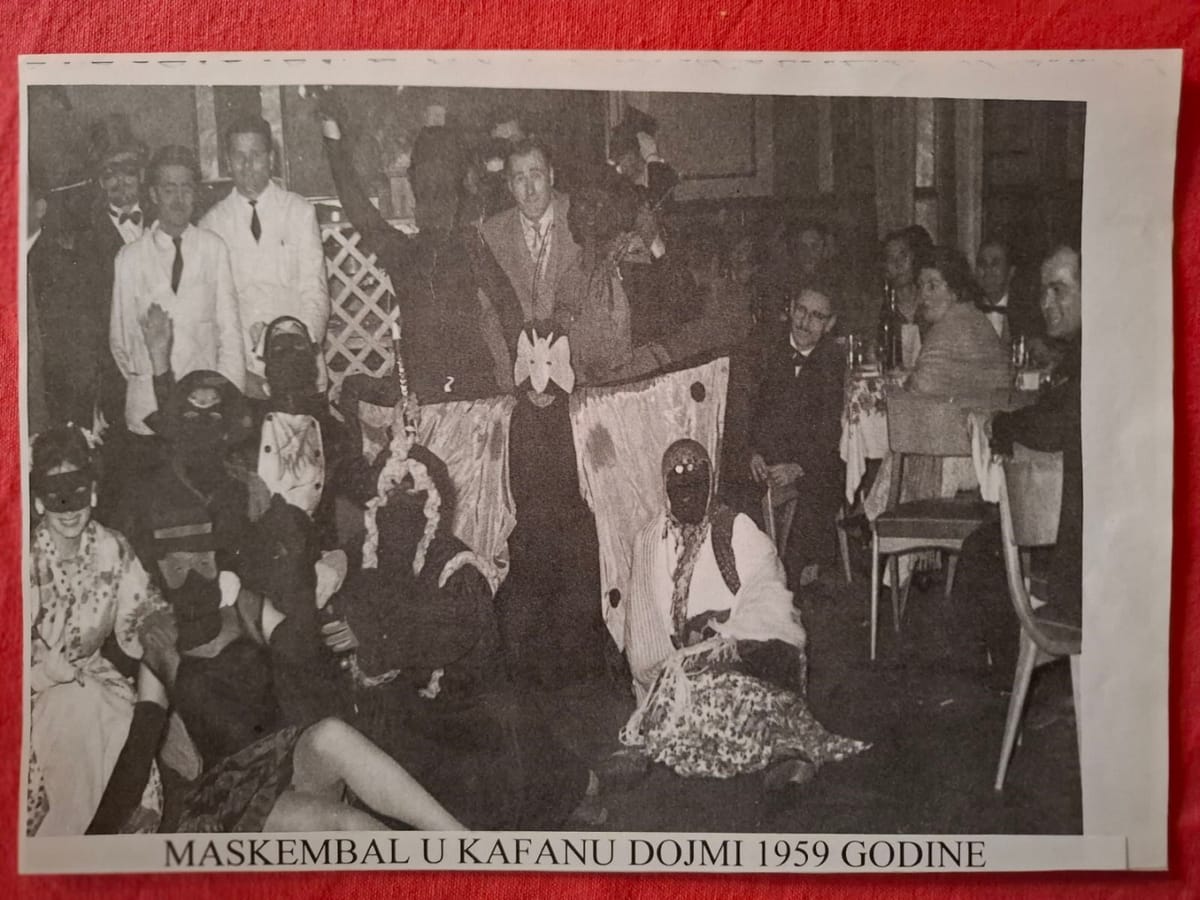
We have sailed into the season of winter festivities. News is arriving from the countries of the Mediterranean, from central Europe and from elsewhere, where people, each in their own way, let their hair down and long for brighter days and spring. Until then, behind a mask over our eyes, we will live as someone else, long to escape from reality, dream of nobles and crowned heads and dress up in their robes – living life with song and good cheer. So it has been in Kotor since time immemorial, where masks really can change a great deal, and where the escapades and mishaps of masked balls have been retold for decades. People mention the Dojmi café and a hidden corner near what used to be its main hall, then the Hotel Slavija and its park, where the masked balls sometimes carried on.
SocietyFrom the memories of journalist Dušan Davidović
St Tryphon, patron saint of Kotor and its diocese
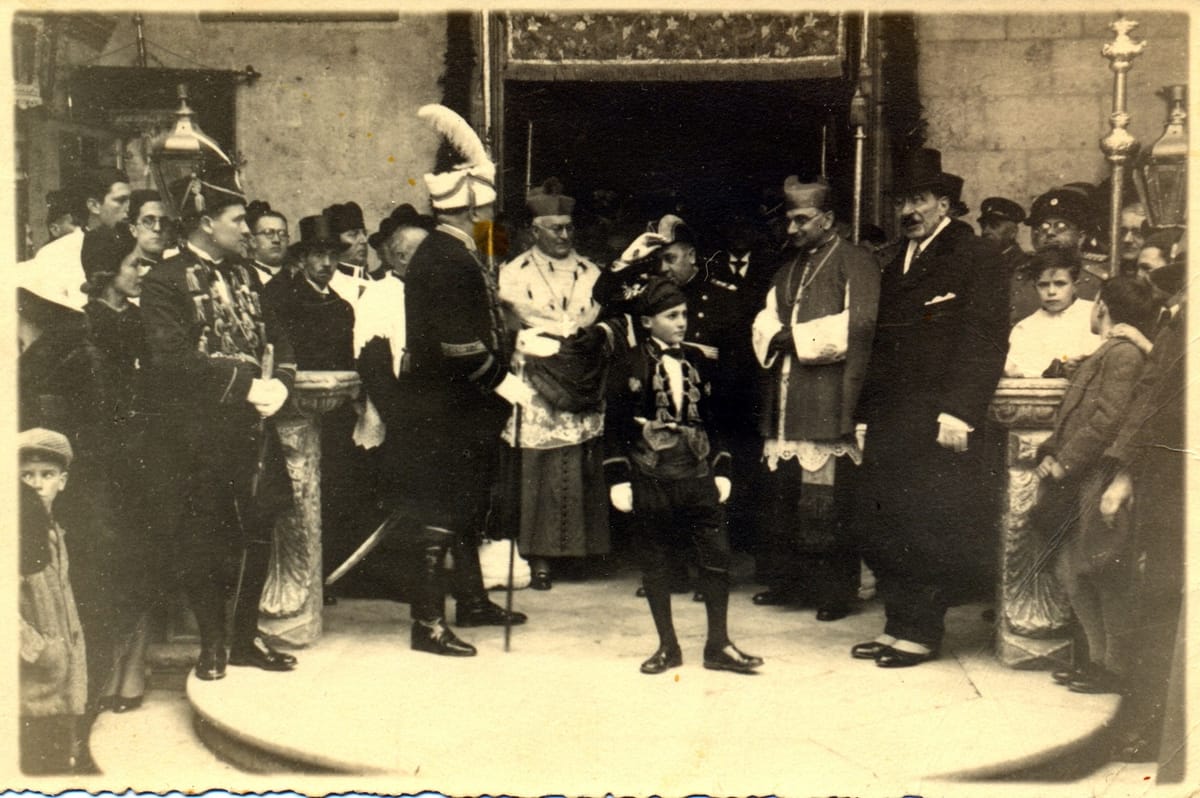
The patron saint of the town of Kotor and of the Diocese of Kotor, St Tryphon, is celebrated on 3 February, but the festivities in the saint’s honour begin as early as 27 January. The saint’s flag is raised on the cathedral flagpole and the Lode are proclaimed, recited by custom by the little admiral of the Boka Navy. This year, too, this long tradition, cherished by the people of Kotor and other people of Boka, will be observed with all its customs. The outdoor celebration and the procession through the town with all the relics of St Tryphon will take place on Sunday 8 February, so that as many of the faithful as possible can attend – besides those from the Bay of Kotor, devotees of the saint from Dalmatia and Herzegovina as well. The procession will be led by the Archbishop and Metropolitan of Split-Makarska, Zdenko Križić, with several bishops, priests and nuns.
SocietyFrom the memories of journalist Dušan Davidović
Dojmi: café, stage, courtroom...
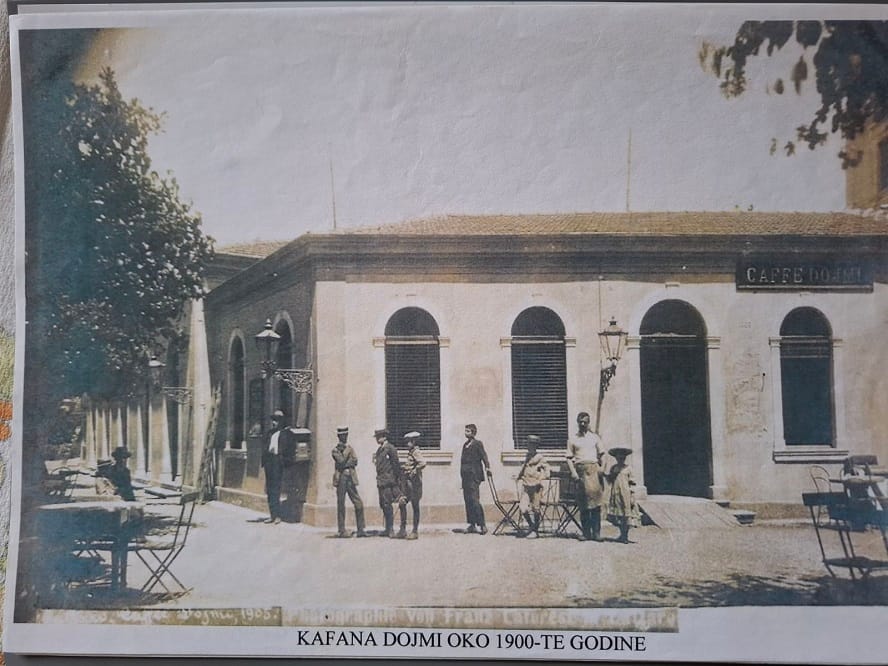
Ever since it was built in 1864, the Dojmi café beside the walls of Kotor meant the first encounter with the ancient centre of the Bay of Kotor. That first contact was with the Dojmi café, the heart of social, cultural and entertainment life right up to the devastating earthquake of 1979. Built in the days of Austria – from 1867, Austria-Hungary – it played host to many eminent figures of the time, but also to seafarers, merchants, explorers, artists, diplomats… Above all, to the people of Kotor and its surroundings.
SocietyFrom the memories of journalist Dušan Davidović
While the palms sway their fronds
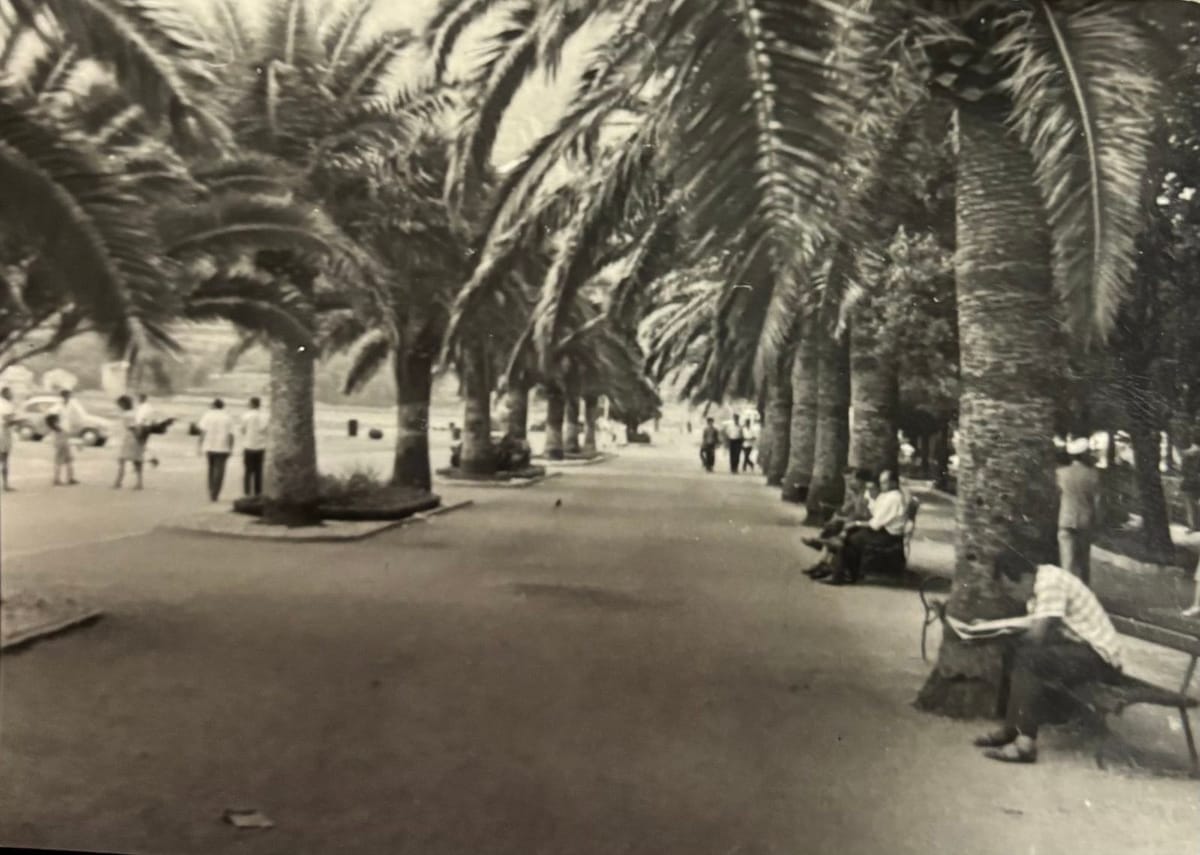
For decades, when the first encounter with Kotor was from the sea, travellers would arrive by ship on the waterfront and catch sight of the town walls and, right beside them, the avenues of palms that graced the approach to the garden of the Dojmi café. A little further on, they would see the town market, also adorned with a row of splendid palms.
SocietyFrom the memories of journalist Dušan Davidović
From Špadola to Rakite
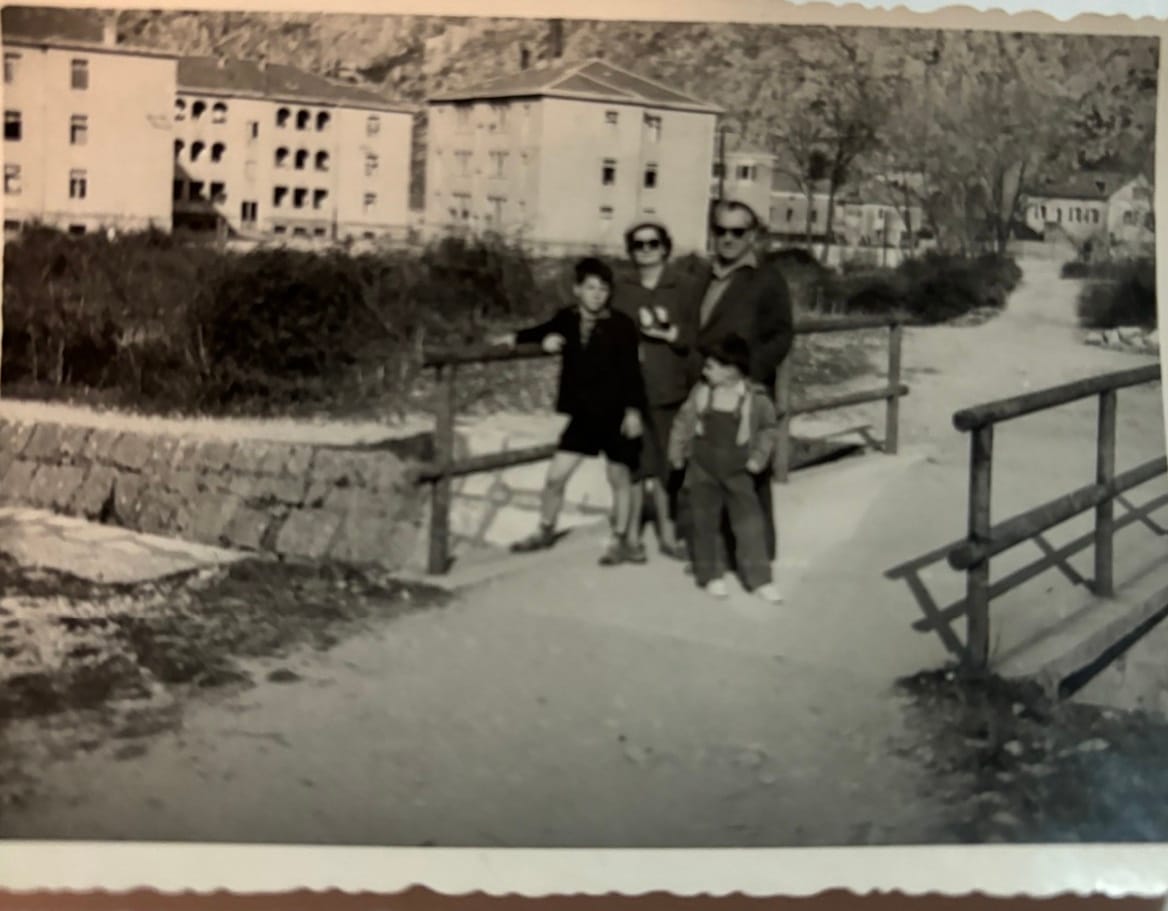
After the devastating earthquake of 1979, a large-scale reconstruction of what had been destroyed got under way, together with the planning and building of new estates and some new town districts, so Kotor gained new neighbourhoods close to the walls of the Old Town. It was then that Kotor stepped outside its ramparts once and for all and spread to areas that had not been built up. That is how the Rakite estate came into being, with some 400 flats in five blocks, along with facilities for the youngest, a basketball court, an outdoor exercise area and benches for older people in several places. But the prefabricated buildings put up 45 years ago as temporary solutions are still standing, which does nothing for the appeal of this large neighbourhood. An underground car park remains a pipe dream, as does a sports hall.
SocietyFrom the memories of journalist Dušan Davidović
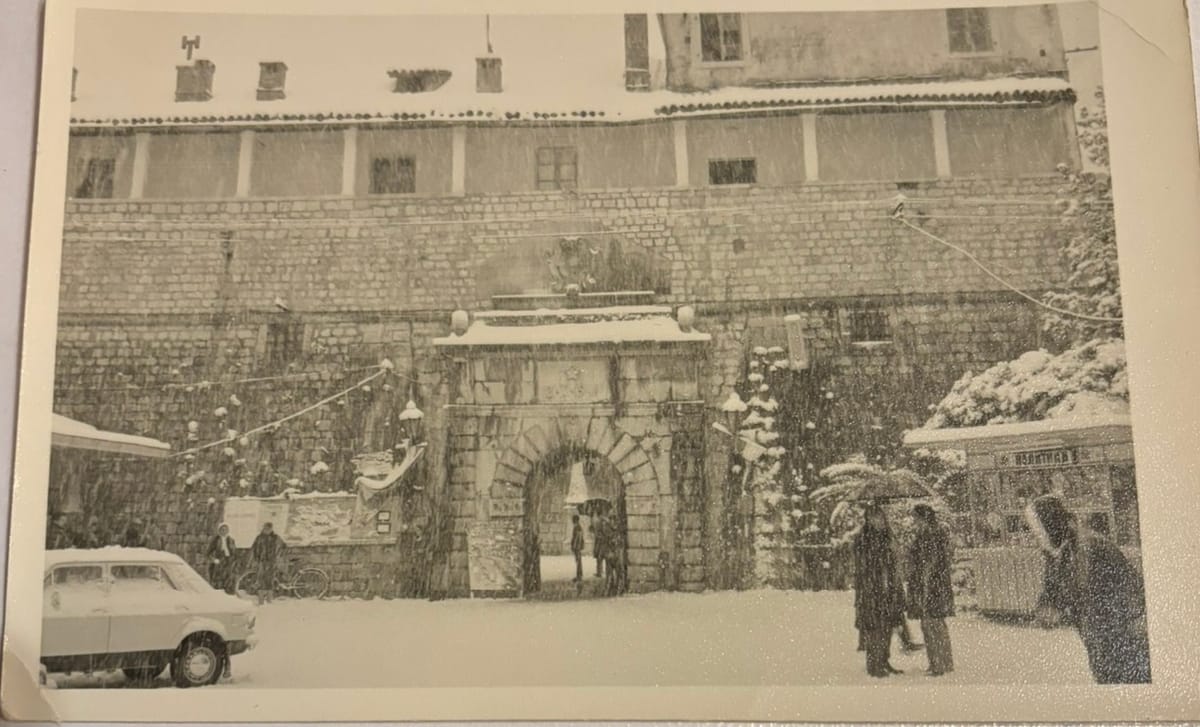
Snow in Kotor, always an attraction
Snow in the Mediterranean is a rarity, but it does happen. It is always an attraction for locals and for everyone else who experiences it, the media included. Indeed, on 9 January, when this website published a photograph of Kotor and its surroundings under a blanket of snow, many could not believe their eyes, and close to six thousand views confirmed how interested our website’s followers were in this weather event.
SocietyFrom the memories of journalist Dušan Davidović
The St Sava Academy, a long tradition in Kotor
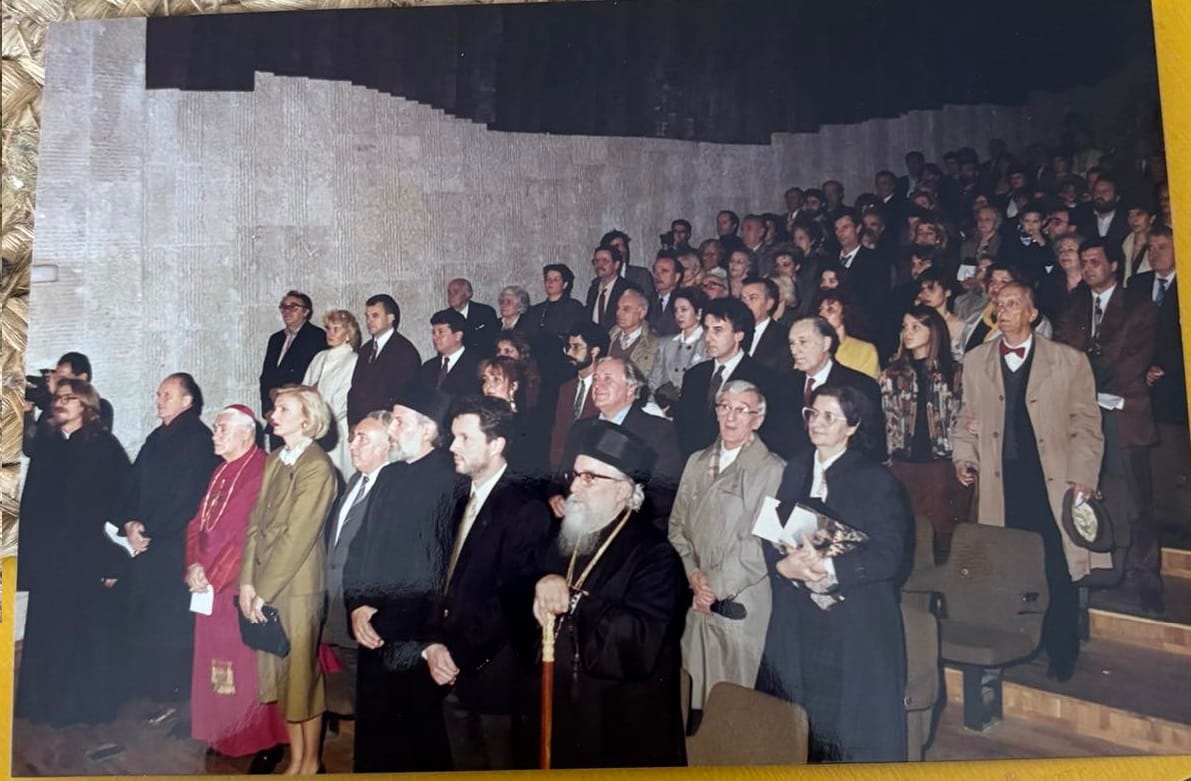
Over its long history, the Serbian Singing Society (SPD) “Jedinstvo” (1839) has written a significant part of the story of social life in Kotor, and it still operates under the rules of its first Statute. “Any honest and patriotic citizen may become a member of SPD Jedinstvo,” says the current Statute. The feast of St Sava (27 January) has a special character in Kotor, because the same day heralds the start of the St Tryphon’s Day celebrations.
SocietyFrom the memories of journalist Dušan Davidović
Basketball returns to Kotor
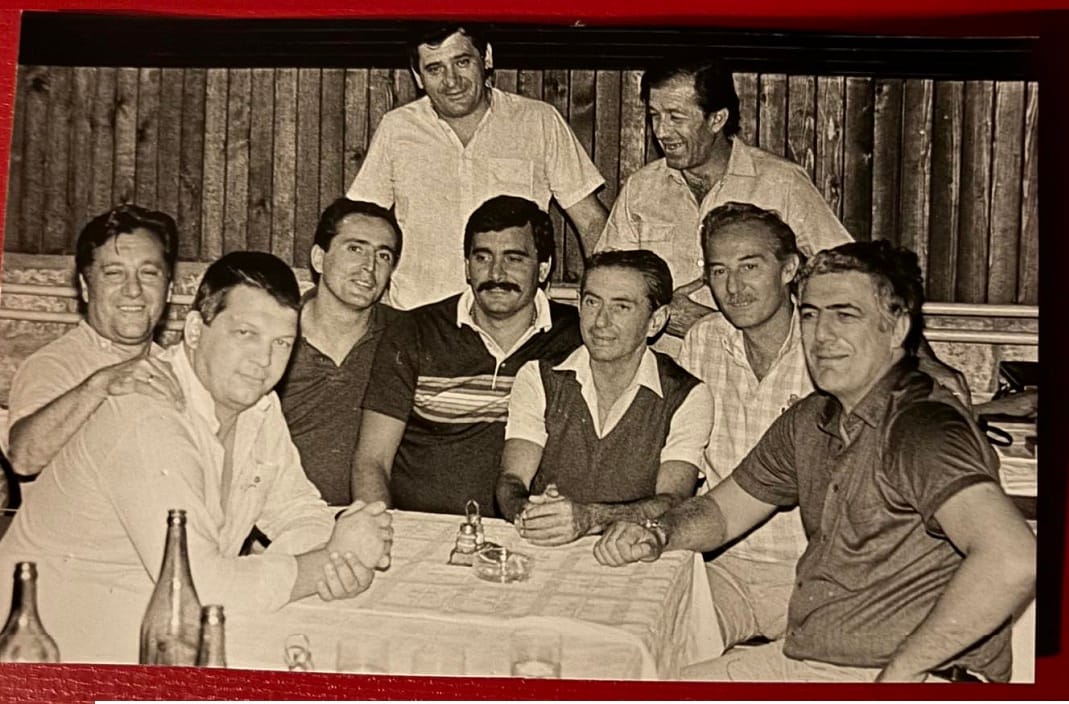
Among the clubs that Kotor Municipality has taken over as founder is the basketball club KK Kotor. After a long period of stagnation, basketball in Kotor is thus heralding better days. And high time too, because the roots of this popular sport in Montenegro lie precisely in Kotor. During the Second World War, when Italy had annexed the Bay of Kotor (1941–43), young men from Kotor began, together with the Italians, to take an interest in a sport that had been little known here until then. As early as 1942 a game was played against the Italians, and Kotor’s colours, as it is remembered, were defended by Vladimir Šerić, Pero Lubarda, Vjekoslav Pezenti, Branko Proročić, Ante Savić, Aco Ivanović, Veljko Tujković… The game between the hoops was popular with young people in the new Yugoslavia too; besides Kotor, Herceg Novi took up basketball as well, and at the first Yugoslav championship, in Rijeka in 1947, players from Kotor and Herceg Novi played under the name of the Titograd select team.
SocietyFrom the memories of journalist Dušan Davidović
Crafts in Kotor have endured for centuries
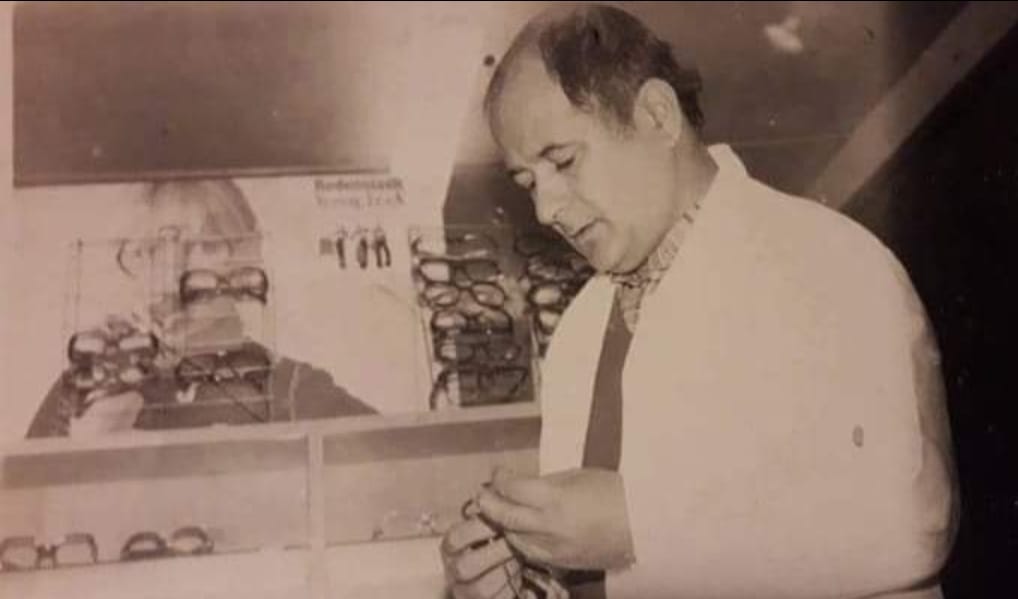
In his day, Risto Kovijanić, a teacher and for a time headmaster of the grammar school, recalled in his work “Kotor Medallions” the long tradition and indelible traces of crafts in Kotor, mentioning, from as far back as the early Middle Ages, the local goldsmiths, furriers, tailors, merchants, builders, carpenters, fishermen…
SocietyFrom the memories of journalist Dušan Davidović
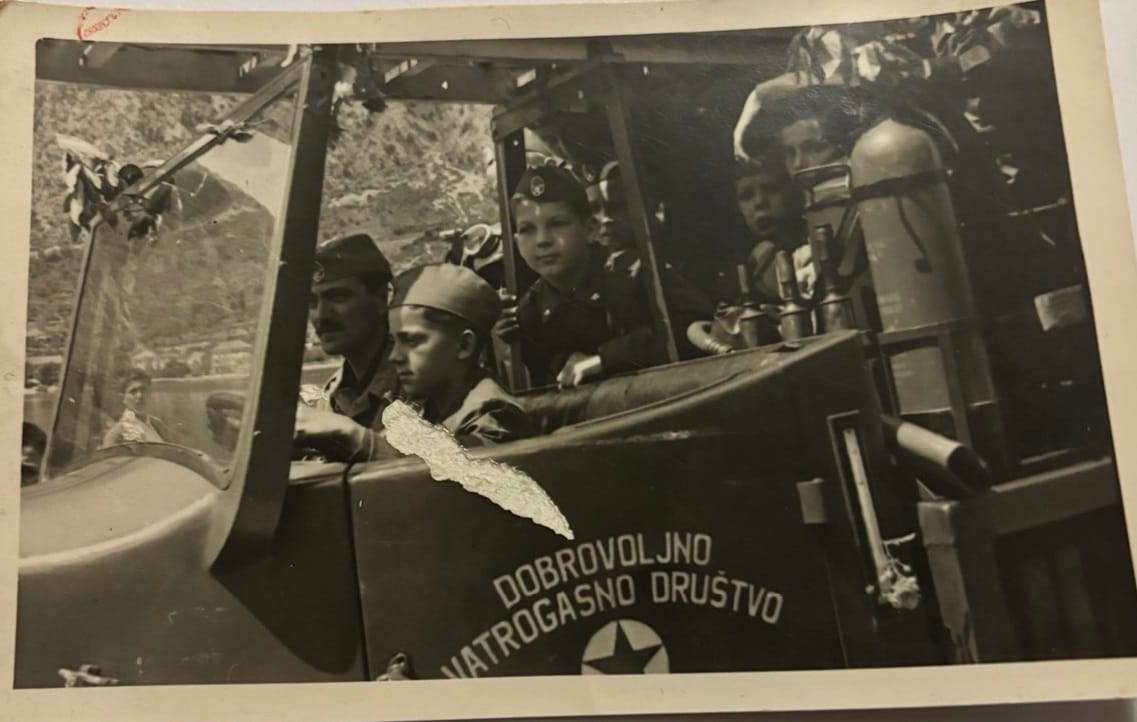
Firefighters, a long tradition in Kotor
New Year and the other holidays celebrated in Kotor throughout the year call for thorough preparations, including on safety, and firefighters play a special role in this work. For at festivities that draw several thousand visitors, all sorts of problems arise, and then everyone waits for help from the firefighters and the protection and rescue service. We remember several fires on the very nights of festivities, such as Boka Night, or years ago, on 31 December 2001, when a residential building in Dobrota burnt down. Sadly, there were victims too: two women from our town lost their lives. That is a warning for all future events on festive nights.
SocietyFrom the memories of journalist Dušan Davidović
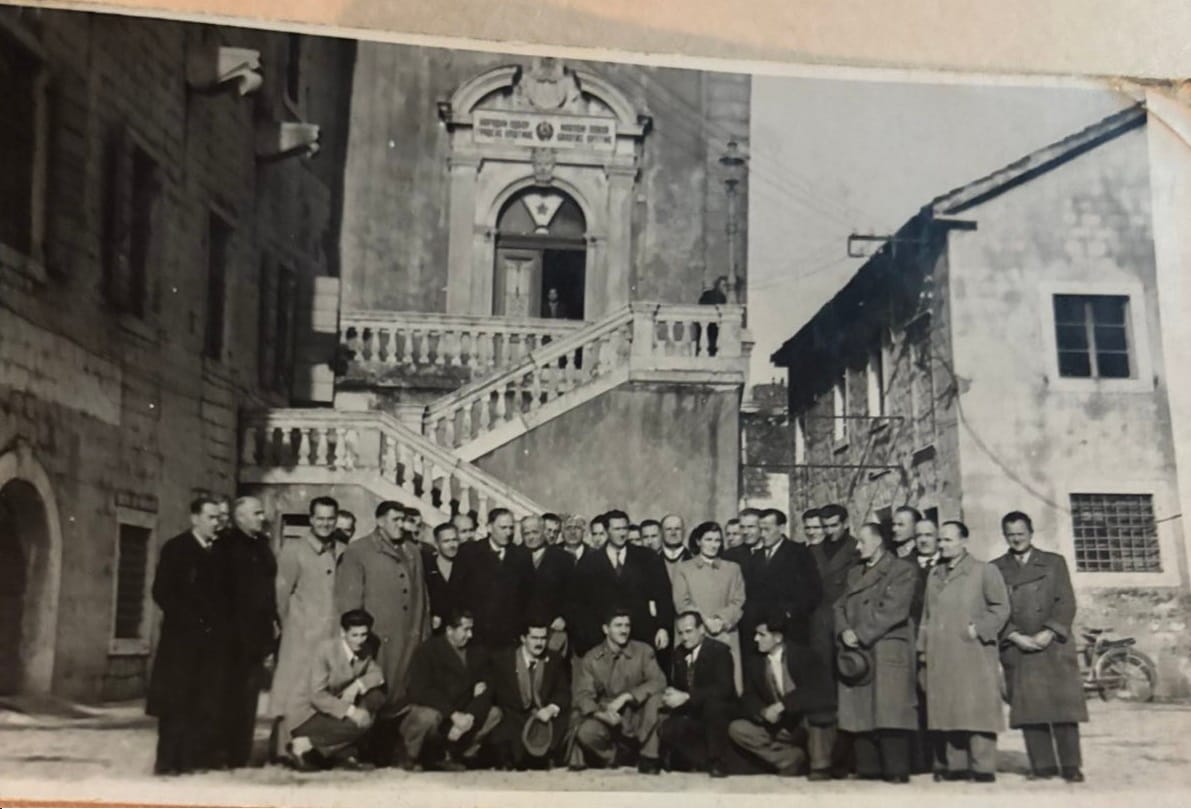
Kotor’s squares through time
A typical Mediterranean town, Kotor once again confirmed over the holidays its age-old character and way of life: that in such towns life happens, above all, on the squares. Although Kotor stepped outside its monumental walls long ago, when important dates are marked the squares and narrow streets still become the centre of events, and life pulses until the early hours. Tourists and other visitors gladly embrace this custom, as do performers, who enjoy the authentic backdrop of stone buildings and walls.
SocietyFrom the memories of journalist Dušan Davidović
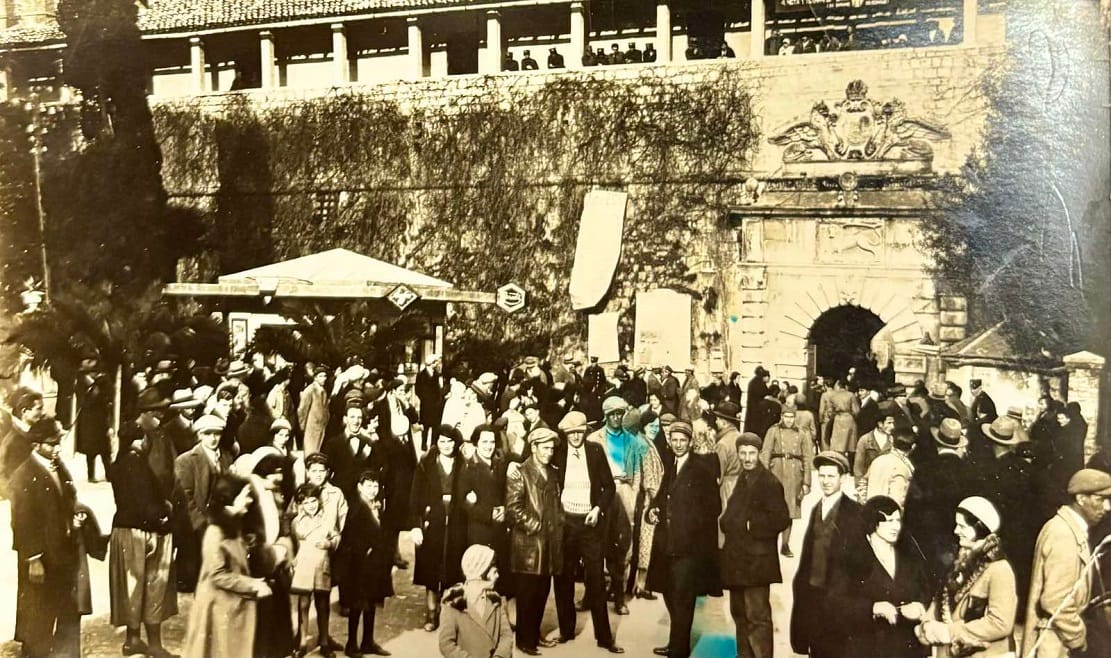
The cosmopolitan spirit of Kotor
Ever since Kotor, and the wider Bay of Kotor, came into being, this coastal region has drawn people from all directions. As administrations and states changed, so did the ethnic make-up, and alongside the old-established inhabitants, people from all corners of the globe always found a permanent home here. We have witnessed this in recent years too, now as a consequence of the war between Ukraine and Russia, but also of other hotspots, whether of war or of economic hardship. So the four municipalities of the Bay of Kotor, from Kufin to Debeli Brijeg, have received new residents with passports from Ukraine and Russia, but also from Turkey, Azerbaijan and even some distant countries of Africa and Asia… Citizens of the United Kingdom, Germany, the Czech Republic and other EU countries are arriving too. Yet over the last 80 years many people native to the Bay of Kotor have, for various reasons, left their home region.
SocietyFrom the memories of journalist Dušan Davidović
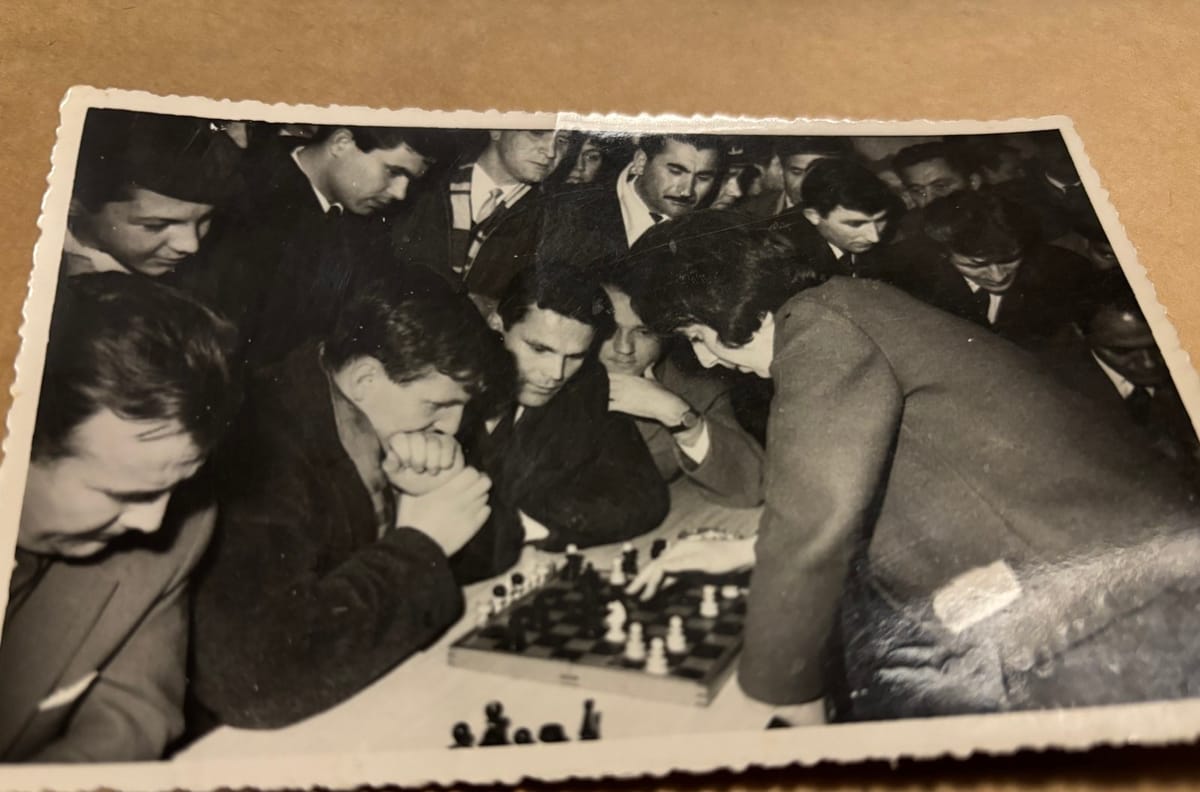
Chess, and memories of the grandmasters who played in Kotor
The old dilemma of whether chess is a sport or not is still with us, but whatever the answer to that eternal question, the game played on 64 black and white squares has millions of devotees around the world today. So it is in Kotor, where chess has long had its enthusiasts and ardent supporters. What is heartening and encouraging is that, after years of stagnation, news has lately been arriving of the successes of young chess players from Kotor, along with expectations that the Kotor Chess Club (ŠK Kotor) will once again get suitable premises for its work and regular activities. Those premises could also house a wall newspaper, on which many could be reminded, in pictures and words, of the rich history of chess events in our town.